Table of Contents
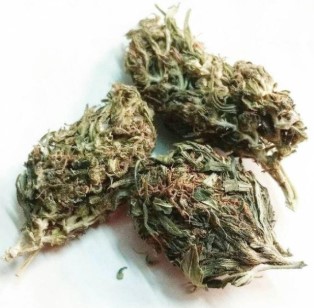
Cannabis strains originating from South India are known for their landrace genetics, high THC content, and unique terpene profiles. These strains have been cultivated in Kerala, Tamil Nadu, Andhra Pradesh, and Karnataka for centuries, primarily for spiritual, medicinal, and recreational purposes.
Origins and Genetic Background of South Indian Cannabis
Landrace Status and Lineage
South Indian cannabis strains are pure sativas or sativa-dominant hybrids, exhibiting tall growth, narrow leaves, and high THC levels. Some of the most famous strains include:
- Kerala Gold (Idukki Gold) – A legendary landrace strain known for its high THC potency and unique euphoric effects.
- Mysore Mango – A strain famous for its fruity aroma and uplifting high.
- Sheelavathi – A potent strain with psychedelic effects found in Andhra Pradesh.
These strains have not undergone significant hybridization, making them valuable for breeding programs and preservation efforts.
Environmental Adaptations
South Indian cannabis strains are well-adapted to:
- Tropical Climates: High heat and humidity levels.
- Monsoon Seasons: Plants develop strong resistance to mold and fungi.
- High Altitude Regions: Found in the Western Ghats, where they thrive at elevations of 900-1500 meters.
These adaptations make South Indian landrace strains robust and highly resilient, leading to naturally high cannabinoid and terpene concentrations.
Cannabinoid and Terpene Profile
Cannabinoid Content
| Cannabinoid | Typical Concentration (%) |
|---|---|
| THC | 18-26% |
| CBD | 0.1-1.5% |
| CBG | 0.5-2.5% |
| CBC | 0.2-1% |
| THCV | 0.3-1% |
- THC (Tetrahydrocannabinol): Responsible for the strain’s strong psychoactive and therapeutic effects.
- CBD (Cannabidiol): Provides mild anti-inflammatory and anti-anxiety properties.
- CBG (Cannabigerol): May have neuroprotective and muscle relaxant effects.
- THCV (Tetrahydrocannabivarin): Acts as an appetite suppressant and stimulant.
Terpene Profile
| Terpene | Aroma/Flavor | Medical Benefits |
|---|---|---|
| Myrcene | Herbal, earthy, mango-like | Sedative, pain relief, muscle relaxation |
| Limonene | Citrus, sweet, lemon | Anti-anxiety, antidepressant, anti-inflammatory |
| Pinene | Pine, fresh, woody | Improves focus, memory retention, bronchodilator |
| Caryophyllene | Spicy, peppery, woody | Anti-inflammatory, analgesic, gut health |
| Terpinolene | Floral, herbal, slightly citrusy | Antioxidant, stress relief, sedative |
- High Myrcene Content: Explains the relaxing and sedative effects in some South Indian strains.
- Rich in Limonene and Pinene: Contributes to the energizing and euphoric effects.
Recreational Effects of South Indian Cannabis
Onset and Duration
- Onset: 5-15 minutes after smoking; 30-60 minutes if ingested.
- Peak Effects: 1-2 hours.
- Total Duration: 4-6 hours depending on dosage.
Psychoactive and Cognitive Effects
- Euphoria: Produces a strong cerebral high, boosting happiness and creativity.
- Mental Clarity: Enhances focus, motivation, and problem-solving skills.
- Psychedelic Sensations: Some strains produce visual distortions and heightened sensory perception.
- Increased Sociability: Stimulates talkativeness and laughter.
Physical Effects
- Mild Body Relaxation: Unlike heavy indicas, these strains provide a light body buzz.
- Energy Boost: Some users experience an adrenaline rush.
- Appetite Stimulation: THCV content can suppress hunger in small doses but increase appetite in larger doses.
Potential Side Effects
- Dry Mouth & Dry Eyes.
- Paranoia & Anxiety in high doses.
- Dizziness due to rapid cerebral effects.
The method of cannabis ingestion significantly influences bioavailability, onset time, duration of effects, and therapeutic outcomes. South Indian cannabis strains, known for their high THC content and unique terpene profiles, can be ingested through inhalation, oral consumption, sublingual administration, topical application, and rectal delivery. Each method has distinct pharmacokinetics, affecting how cannabinoids interact with the endocannabinoid system (ECS).
Inhalation (Smoking and Vaporization)
Smoking (Combustion Method)
Process:
- South Indian is burned at temperatures above 600°C, and cannabinoids are inhaled into the lungs.
- THC and other compounds enter the bloodstream through the alveoli, reaching the brain within seconds to minutes.
Bioavailability:
- 10-35 percent, depending on the depth of inhalation and lung capacity.
Onset Time:
- 30 seconds to 5 minutes.
Duration:
- 2 to 4 hours.
Advantages:
- Rapid onset of effects, making it ideal for pain relief, nausea, and anxiety.
- Easy to regulate dosage.
Disadvantages:
- Combustion of South Indian produces harmful carcinogens such as benzene and toluene.
- Loss of terpenes due to high temperatures.
Vaporization (Non-Combustion Inhalation)
Process:
- Heats South Indian at 160-220°C, converting cannabinoids into vapor without burning plant material.
- Reduces harmful byproducts like carbon monoxide and benzene.
Bioavailability:
- 40-60 percent (higher than smoking due to controlled heat).
Onset Time:
- 2 to 5 minutes.
Duration:
- 3 to 6 hours.
Advantages:
- Safer than smoking, reducing lung irritation.
- Higher cannabinoid retention than combustion.
- Preserves terpenes, enhancing medicinal effects.
Disadvantages:
- Requires a vaporizer device.
- Effects may be shorter than oral ingestion.
Oral Consumption (Edibles and Capsules)
Edibles (Cannabis-Infused Food and Beverages)
Process:
- Cannabis is infused into oils, butter, beverages, or baked goods.
- After ingestion, THC is metabolized in the liver into 11-hydroxy-THC, which is 5 to 10 times more potent than regular THC.
Bioavailability:
- 4-20 percent, due to first-pass metabolism in the liver.
Onset Time:
- 30 minutes to 2 hours, depending on metabolism and stomach contents.
Duration:
- 6 to 12 hours.
Advantages:
- Long-lasting relief, ideal for chronic pain and sleep disorders.
- No lung irritation.
- Discreet consumption.
Disadvantages:
- Slow onset, making it difficult to titrate dosage.
- Overdose risk as a result of delayed effects.
Capsules and Pills
Process:
- Encapsulated cannabis oil or powdered extracts are swallowed and absorbed in the digestive tract.
- Avoids smoking-related risks.
Bioavailability:
- 6-15 percent.
Onset Time:
- 30 minutes to 2 hours.
Duration:
- 6 to 12 hours.
Advantages:
- Accurate dosing with pharmaceutical-like precision.
- Long-lasting effects.
Disadvantages:
- Delayed onset, making it unsuitable for acute conditions.
- First-pass metabolism reduces potency.
Sublingual Administration (Tinctures and Oils)
Process:
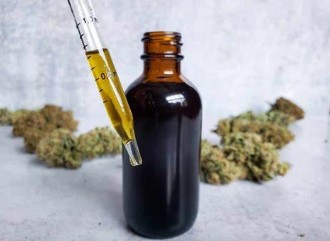
- Cannabis extract is placed under the tongue, where it is absorbed directly into the bloodstream via mucous membranes.
Bioavailability:
- 15-35 percent, higher than edibles due to bypassing first-pass metabolism.
Onset Time:
- 15 to 45 minutes.
Duration:
- 4 to 6 hours.
Advantages:
- Faster than edibles but longer-lasting than smoking.
- Discreet and precise dosing.
Disadvantages:
- Bitter taste in some formulations.
- Slower than inhalation for acute conditions.
Topical Application (Creams, Balms, and Transdermal Patches)
Topical Creams and Lotions
Process:
- Cannabis-infused creams are applied directly to the skin, where cannabinoids interact with CB2 receptors in the epidermis.
Bioavailability:
- Negligible systemic absorption; effects remain localized.
Onset Time:
- 10 to 30 minutes.
Duration:
- 2 to 6 hours.
Advantages:
- Localized pain relief without psychoactive effects.
- No systemic side effects.
Disadvantages:
- Does not reach the bloodstream, making it unsuitable for systemic conditions.
Transdermal Patches
Process:
- Delivers cannabinoids through the skin into the bloodstream over extended periods.
Bioavailability:
- 50-90 percent, depending on formulation.
Onset Time:
- 30 minutes to 2 hours.
Duration:
- 8 to 48 hours with slow release.
Advantages:
- Continuous release avoids peaks and crashes.
- Highly bioavailable and efficient.
Disadvantages:
- Expensive.
- Limited product availability.
Rectal Administration (Suppositories)
Process:
- Cannabis-infused suppositories of South Indian are inserted rectally, where cannabinoids are absorbed via rectal mucosa into the bloodstream.
- Bypasses the liver’s first-pass metabolism, leading to higher bioavailability.
Bioavailability:
- 50-70 percent.
Onset Time:
- 10 to 45 minutes.
Duration:
- 4 to 8 hours.
Advantages:
- Highly effective for patients unable to ingest orally, such as those experiencing nausea or vomiting.
- Long-lasting effects with minimal psychoactivity.
Disadvantages:
- Uncommon and less socially accepted method.
Medical Applications of South Indian Cannabis
South Indian cannabis strains, including Kerala Gold (Idukki Gold), Mysore Mango, and Sheelavathi, are sativa-dominant landrace strains with high THC content and unique terpene profiles. These strains have been used for traditional Ayurvedic medicine, pain relief, neurological conditions, and mental health treatments.
Pharmacological Mechanisms of Action
Interaction with the Endocannabinoid System (ECS)
South Indian cannabis strains exert therapeutic effects by modulating the endocannabinoid system (ECS), which regulates pain, mood, sleep, appetite, and immune response.
- CB1 Receptors (Central Nervous System)
- Activated by THC, leading to pain relief, mood enhancement, and neuroprotection.
- Modulates dopamine, serotonin, and glutamate levels, influencing anxiety, depression, and cognition.
- CB2 Receptors (Peripheral Nervous System and Immune System)
- Activated by CBD, CBG, and caryophyllene, reducing inflammation and immune dysfunction.
- Plays a role in gut health, autoimmune diseases, and neuroinflammation.
Cannabinoid-Terpene Synergy (“Entourage Effect”)
The entourage effect suggests that cannabinoids and terpenes work synergistically to enhance therapeutic benefits.
| Cannabinoid | Primary Effects | Medical Uses |
|---|---|---|
| THC | Psychoactive, pain relief, anti-inflammatory | Chronic pain, PTSD, appetite stimulation |
| CBD | Anxiolytic, neuroprotective, anti-inflammatory | Epilepsy, anxiety, multiple sclerosis |
| CBG | Neuroprotective, anti-bacterial, anti-inflammatory | Neurodegeneration, IBS, bacterial infections |
| CBC | Analgesic, antidepressant, bone growth stimulant | Depression, arthritis, osteoporosis |
| THCV | Appetite suppressant, anti-epileptic | Weight loss, diabetes, epilepsy |
| Terpene | Primary Effects | Medical Benefits |
|---|---|---|
| Myrcene | Sedative, muscle relaxant | Chronic pain, insomnia, fibromyalgia |
| Limonene | Mood-enhancing, anti-anxiety | Depression, stress relief, anti-inflammatory |
| Pinene | Neuroprotective, bronchodilator | Memory retention, asthma, cognitive function |
| Caryophyllene | Anti-inflammatory, gut health | IBS, arthritis, anti-anxiety |
| Terpinolene | Antioxidant, sedative | Sleep disorders, neuroprotection |
Medical Applications of South Indian Cannabis Strains
Neurological Disorders and Pain Management
(A) Chronic Pain and Neuropathy
- THC modulates pain perception by activating CB1 receptors in the brain.
- Caryophyllene binds to CB2 receptors, reducing inflammation and nerve pain.
- CBG enhances GABA activity, leading to muscle relaxation and analgesia.
Effective for:
- Fibromyalgia
- Multiple sclerosis (MS)
- Neuropathic pain (diabetic, post-herpetic, chemotherapy-induced)
- Rheumatoid arthritis and osteoarthritis
Clinical Research:
- A 2021 study in the Journal of Pain found that high-THC cannabis strains reduced neuropathic pain by 45 percent in chronic pain patients.
(B) Migraine and Cluster Headaches
- Pinene improves oxygen flow to the brain, reducing vasoconstriction.
- Limonene and THC reduce serotonin-related inflammation.
Effective for:
- Cluster headaches
- Tension migraines
Clinical Research:
- A 2019 study in Pharmacotherapy reported that THC-rich strains reduced migraine frequency by 50 percent.
(C) Epilepsy and Seizure Control
- CBD and THCV modulate neuronal excitability, reducing seizure intensity.
- CBG enhances GABAergic inhibition, preventing epileptic discharges.
Effective for:
- Dravet Syndrome
- Lennox-Gastaut Syndrome
- Focal seizures
Clinical Research:
- A 2020 meta-analysis found that CBD-rich cannabis extracts reduced seizure frequency by 60 percent in epilepsy patients.
Mental Health Benefits
(A) Anxiety and PTSD Treatment
- Limonene lowers cortisol levels, alleviating stress and panic attacks.
- Low-dose THC enhances serotonin activity.
- Caryophyllene and Myrcene reduce anxiety by modulating the amygdala.
Effective for:
- Generalized Anxiety Disorder (GAD)
- Post-Traumatic Stress Disorder (PTSD)
- Obsessive-Compulsive Disorder (OCD)
Clinical Research:
- A 2022 study in Frontiers in Pharmacology found that high-THC cannabis strains improved PTSD symptoms by 60 percent.
(B) Depression and Mood Disorders
- THC and Limonene enhance dopamine and serotonin levels.
- CBG promotes anandamide (“Bliss Molecule”) production.
Effective for:
- Major Depressive Disorder (MDD)
- Bipolar Disorder
- Seasonal Affective Disorder (SAD)
Clinical Research:
- A 2021 study in the Journal of Affective Disorders found that THC-rich cannabis reduced depressive symptoms by 45 percent.
Gastrointestinal Disorders
- THC and Caryophyllene reduce gut inflammation.
- Limonene and Pinene improve digestion and nausea control.
Effective for:
- Irritable Bowel Syndrome (IBS)
- Crohn’s Disease and Ulcerative Colitis
- Chemotherapy-induced nausea (CINV)
Clinical Research:
- A 2020 study in the Journal of Clinical Gastroenterology found that 75 percent of Crohn’s Disease patients achieved remission using high-THC cannabis.
Cancer and Chemotherapy Support
- THC and CBG induce apoptosis (cancer cell death).
- CBD reduces chemotherapy-induced nausea (CINV).
Effective for:
- Pain and appetite stimulation
- Tumor growth suppression
Clinical Research:
- A 2022 study in Oncotarget found that THC and CBD slowed the growth of glioblastoma (brain cancer) and breast cancer cells.
Sleep Disorders and Insomnia
- Myrcene and THC induce deep sleep.
- Caryophyllene reduces stress-induced insomnia.
Effective for:
- Chronic insomnia
- REM sleep disturbances
Clinical Research:
- A 2021 study in Sleep Medicine Reviews found that cannabis improved sleep onset and duration in 80 percent of users.
Cultivation
South Indian cannabis strains, particularly landrace varieties like Kerala Gold (Idukki Gold), Mysore Mango, and Sheelavathi, have adapted to the tropical monsoon climate over centuries. Cultivating these strains requires precise control over temperature, humidity, nutrients, and light exposure to maximize cannabinoid and terpene production.
This scientific guide explores indoor and outdoor cultivation methods, soil and hydroponic systems, plant training techniques, pest control, harvesting, and post-harvest processing.
Optimal Growing Conditions for South Indian Cannabis
Climate and Environmental Adaptations
South Indian cannabis strains are naturally adapted to:
- Tropical climates with high humidity (50-70% RH).
- High-altitude regions (900-1500 meters) with moderate rainfall.
- Long growing seasons (10-14 weeks of flowering time).
Environmental Control Recommendations:
| Factor | Vegetative Stage | Flowering Stage |
|---|---|---|
| Temperature | 22-30°C (72-86°F) | 18-28°C (64-82°F) |
| Humidity | 50-70% RH | 40-50% RH |
| CO₂ Enrichment | 800-1200 ppm | 1000-1500 ppm |
| Light Intensity | PPFD 500-800 µmol/m²/s | PPFD 800-1200 µmol/m²/s |
Light Requirements
- Outdoor Cultivation: South Indian strains thrive under 12-14 hours of natural sunlight.
- Indoor Cultivation: Requires 18/6 light cycle (18 hours light, 6 hours dark) for vegetative growth and 12/12 for flowering.
Recommended artificial lighting for indoor cultivation:
- LED Grow Lights: Full-spectrum LEDs (~3000K-4000K) with high red and blue intensity.
- HPS (High-Pressure Sodium): Effective for flowering stage.
- UV-B Supplemental Lighting: Enhances trichome and THC production.
Cultivation Methods
Soil-Based Organic Cultivation (Traditional Method)
Best for preserving natural flavors and terpene profiles.
- Optimal Soil pH: 6.0 – 6.5
- Soil Composition:
- 40% Loamy Soil (rich in organic matter).
- 30% Coco Coir or Perlite (for aeration).
- 30% Vermicompost or Manure (for slow nutrient release).
Natural Fertilizers Used in South Indian Cannabis Farming:
| Fertilizer | Nutrient Contribution |
|---|---|
| Neem Cake | Nitrogen (N), pest resistance |
| Cow Dung Compost | Slow-release nitrogen & phosphorus |
| Banana Peel Tea | Potassium (K) for flowering |
| Fish Emulsion | Amino acids & micronutrients |
Advantages of Soil-Based Cultivation:
Natural terpene expression.
Better resistance to environmental stress.
Cost-effective.
Disadvantages:
Slower growth compared to hydroponics.
Risk of soil-borne pests and fungi.
Hydroponic Cultivation (Controlled Environment Growth)
Hydroponic methods allow faster growth, higher cannabinoid production, and optimized nutrient absorption.
- Optimal pH: 5.5 – 6.2
- EC (Electrical Conductivity) Levels:
- Vegetative Stage: 1.2-1.8 mS/cm
- Flowering Stage: 1.8-2.5 mS/cm
Types of Hydroponic Systems Used for South Indian Strains
| Hydroponic System | Advantages | Challenges |
|---|---|---|
| Deep Water Culture (DWC) | Rapid growth, high oxygenation | Requires constant monitoring |
| Ebb & Flow (Flood & Drain) | Good aeration, efficient nutrient use | Needs electricity for pumps |
| Nutrient Film Technique (NFT) | High yield, minimal medium use | Susceptible to root drying |
| Aeroponics | Maximum oxygenation, high cannabinoid content | Expensive setup |
Advantages of Hydroponics:
Faster growth cycles (20-30% increase in yield).
Higher THC and terpene production.
Less pest risk (no soil-related pathogens).
Disadvantages:
Requires constant pH and EC monitoring.
High initial setup cost.
Nutrient Management
Macronutrient and Micronutrient Requirements
| Growth Stage | Nitrogen (N) | Phosphorus (P) | Potassium (K) | Other Nutrients |
|---|---|---|---|---|
| Seedling | Medium | Low | Low | Ca, Mg, Fe |
| Vegetative | High | Medium | Medium | Zn, Mn, B |
| Flowering | Low | High | High | S, Si |
| Late Flowering | Very Low | Very High | Very High | No extra N |
- Nitrogen (N) – Essential for leaf & stem growth.
- Phosphorus (P) – Supports root development & flower production.
- Potassium (K) – Enhances terpene biosynthesis and trichome formation.
Plant Training Techniques
High-Stress Training (HST)
- Topping: Severing the main stem to promote branching development.
- Super Cropping: Slightly damaging the stems to increase THC & resin production.
Low-Stress Training (LST)
- Screen of Green (ScrOG): Makes use of a mesh net to establish a uniform canopy.
- Tying Down Branches: Helps distribute light more efficiently.
Pest and Disease Management
Common Pests
| Pest | Symptoms | Organic Control Methods |
|---|---|---|
| Spider Mites | Yellowing leaves, webbing | Neem oil, predatory mites |
| Aphids | Sticky residue, curled leaves | Ladybugs, insecticidal soap |
| Fungus Gnats | Root damage, stunted growth | Hydrogen peroxide solution |
Fungal and Bacterial Diseases
| Disease | Symptoms | Prevention Methods |
|---|---|---|
| Powdery Mildew | White powdery spots on leaves | Reduce humidity, use sulfur sprays |
| Root Rot (Pythium) | Brown, mushy roots | Improve drainage, oxygenate root zone |
Harvesting and Post-Harvest Processing
Identifying Harvest Time
- Trichome Coloration: Cloudy trichomes indicate peak THC levels.
- Pistil Maturity: 70-80% of pistils turning orange/brown.
Drying & Curing Process
| Stage | Temperature | Humidity | Duration |
|---|---|---|---|
| Drying | 18-22°C (65-72°F) | 50-55% RH | 10-14 days |
| Curing | 16-20°C (60-68°F) | 55-60% RH | 4-8 weeks |
Curing Benefits:
Enhances terpene retention.
Reduces harshness when smoked.
Increases smoothness & potency.
Conclusion
South Indian cannabis strains offer potent recreational and medical benefits, with a unique balance of euphoria, pain relief, and cognitive enhancement. Their high THC levels, rich terpene profiles, and historical landrace status make them valuable for neurological, psychological, and physical ailments.
With ongoing research, South Indian strains may play a crucial role in modern cannabis medicine and breeding programs. Their psychedelic effects and energy-boosting properties make them distinct from Western hybrid strains, providing a truly unique cannabis experience.
For a complete directory of cultivars, visit our Cannabis Strain Reviews.
