Table of Contents
Sour Tsunami is a groundbreaking cannabis strain renowned for its high cannabidiol (CBD) content and minimal tetrahydrocannabinol (THC) levels. This unique cannabinoid profile sets it apart from other cannabis strains and makes it particularly appealing for medical users seeking therapeutic benefits without pronounced psychoactive effects. Developed by Lawrence Ringo, a cannabis cultivator and activist from Southern Humboldt Seed Collective, Sour Tsunami is the result of careful breeding involving Sour Diesel and NYC Diesel, which were later crossed with a proprietary strain, Ferrari.
Genetic Background and Characteristics
Parent Strains:
- Sour Diesel: Known for its uplifting, energizing effects and pungent, citrus-diesel aroma.
- NYC Diesel: Celebrated for its sweet, tangy flavor profile and cerebral stimulation.
- Ferrari (Proprietary Strain): Added for its unique cannabinoid profile and stability.
Sour Tsunami was one of the first strains bred specifically for high CBD content, often testing at a 1:1 or even 2:1 CBD-to-THC ratio. Typical CBD levels range between 10% and 13%, while THC levels remain low, generally below 2%. This low THC concentration minimizes psychoactive effects, allowing users to experience the therapeutic benefits of CBD without feeling “high.”
Physical Description
Sour Tsunami plants exhibit typical sativa-dominant characteristics with some indica traits due to the hybridization:
- Height: Medium to tall, with a slender build.
- Leaves: Long and narrow, with a bright green coloration.
- Buds: Dense, medium-sized buds with a sticky resin coating, signifying high cannabinoid content.
- Aroma: A mix of earthy musk, sweet citrus, and diesel-like pungency.
- Flavor: Tangy and sweet, with a diesel aftertaste, making it appealing to connoisseurs.
Cannabinoid and Terpene Profile
Sour Tsunami is notable for its unique chemical composition, offering therapeutic properties that go beyond its CBD content:
Cannabinoids:
- CBD (Cannabidiol):
- Dominant in this strain.
- Non-psychoactive.
- Known for anti-inflammatory, anti-anxiety, and neuroprotective properties.
- THC (Tetrahydrocannabinol):
- Present in trace amounts (<2%).
- Mild psychoactivity but contributes to the “entourage effect.”
- CBG (Cannabigerol):
- Found in small quantities.
- Promising for anti-inflammatory and antimicrobial effects.
- CBC (Cannabichromene):
- Minor cannabinoid with potential antidepressant and pain-relieving properties.
Terpenes:
Terpenes enhance the strain’s flavor and aroma while contributing to its therapeutic effects:
- Myrcene:
- Earthy and musky.
- Sedative and analgesic properties.
- Pinene:
- Fresh pine aroma.
- Anti-inflammatory and bronchodilatory effects.
- Limonene:
- Citrus notes.
- Mood elevation and stress relief.
- Caryophyllene:
- Spicy and woody.
- Interacts with CB2 receptors and has anti-inflammatory properties of its own.
- Humulene:
- Earthy and woody.
- Known for appetite-suppressant and anti-inflammatory effects.
Specific Medical Uses of Sour Tsunami
Sour Tsunami’s therapeutic benefits stem from its high CBD content and low psychoactivity, making it a preferred choice for medical cannabis patients. Below is a breakdown of its medical applications:

1. Chronic Pain Management
CBD’s analgesic properties help alleviate various forms of pain, including:
- Neuropathic pain, such as that caused by multiple sclerosis or diabetes.
- Inflammatory discomfort, such as that caused by Crohn’s illness or arthritis.
- Musculoskeletal pain (e.g., lower back pain or fibromyalgia).
2. Inflammation Reduction
Sour Tsunami has strong anti-inflammatory properties, beneficial for conditions like:
- Rheumatoid arthritis.
- Irritable bowel syndrome (IBS) and Crohn’s disease.
- Autoimmune disorders causing systemic inflammation.
3. Anxiety and Stress Relief
CBD’s anxiolytic effects help users achieve a sense of calm and focus without sedation. This strain works very well for:
- Generalized anxiety disorder (GAD).
- Post-traumatic stress disorder (PTSD).
- Social anxiety.
4. Epilepsy and Seizure Control
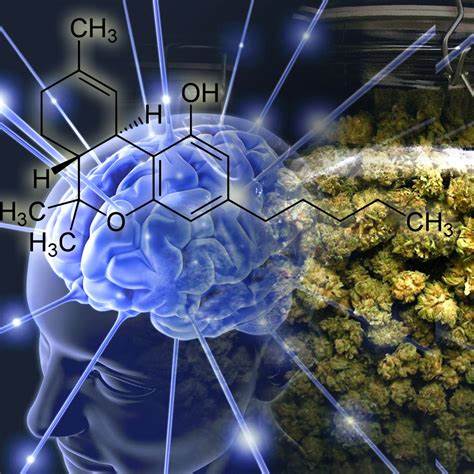
Sour Tsunami’s high CBD levels are effective in reducing seizure frequency in conditions like:
- Dravet syndrome.
- Lennox-Gastaut syndrome.
5. Sleep Disorders
While Sour Tsunami is not as sedative as some indica-dominant strains, its calming effects help users with:
- Insomnia caused by anxiety or pain.
- Irregular sleep patterns due to stress.
6. Neuroprotection
CBD’s neuroprotective properties may slow the progression of neurodegenerative diseases, such as:
- Alzheimer’s disease.
- Parkinson’s disease.
- Multiple sclerosis.
7. Addiction Recovery
Sour Tsunami may assist individuals in overcoming substance addiction by reducing cravings and withdrawal symptoms for:
- Opioids.
- Alcohol.
- Nicotine.
8. Cancer Symptom Management
CBD aids in alleviating symptoms related to cancer and its treatment, such as:
- Nausea and vomiting (from chemotherapy).
- Appetite loss.
- Pain and inflammation.
Recreational Uses of Sour Tsunami
Although Sour Tsunami is primarily sought for medical purposes, it has gained a modest following in the recreational cannabis community. Its mild psychoactivity and uplifting effects make it an excellent choice for specific recreational scenarios:
1. Relaxation Without Intoxication
Sour Tsunami offers a subtle body relaxation and mental clarity, ideal for:
- Novices or those with a low threshold for THC.
- Social gatherings where a clear head is desired.
2. Focus and Productivity
The strain’s uplifting effects can enhance focus and creativity, making it suitable for activities like:
- Artistic endeavors.
- Writing or brainstorming sessions.
- Long, contemplative hikes.
3. Daytime Use
Thanks to its sativa-leaning effects, Sour Tsunami is an excellent daytime strain, providing energy and calm without sedation or lethargy.
Scientific Studies on CBD and Related Therapeutic Benefits
1. Pain Management
A 2018 review published in the journal Frontiers in Pharmacology highlighted CBD’s potential as an alternative treatment for chronic pain, citing its interaction with the endocannabinoid system (ECS) and modulation of inflammatory cytokines.
2. Anti-Seizure Effects
The FDA-approved drug Epidiolex, which contains pure CBD, underscores the efficacy of CBD-rich strains like Sour Tsunami for seizure control. A 2017 study in The New England Journal of Medicine confirmed a significant reduction in the frequency of seizures in Dravet syndrome patients.
3. Anxiety and Stress
A 2019 study published in The Permanente Journal demonstrated that CBD effectively reduces anxiety and improves sleep in a clinical setting. Participants reported a reduction in anxiety within the first month of use.
4. Anti-Inflammatory Properties
Research in Molecules (2020) highlighted CBD’s role in reducing inflammation through its interaction with CB2 receptors, making it a valuable treatment for autoimmune and inflammatory disorders.
5. Neuroprotection
A 2021 review in Current Neuropharmacology found that CBD may mitigate oxidative stress and inflammation in the brain, protecting against neurodegenerative conditions.
The Entourage Effect: Synergy Between Compounds
One of the most compelling aspects of Sour Tsunami is its ability to promote the “entourage effect.” This phenomenon happens when terpenes and cannabinoids combine to improve their therapeutic effects. For example:
- CBD’s anti-inflammatory properties are amplified by myrcene and caryophyllene.
- Pinene and limonene boost mood and counteract potential sedation.
Sour Tsunami Cultivation Methods
Cultivating Sour Tsunami requires a nuanced understanding of cannabis botany, genetics, and environmental management. As a CBD-dominant strain, its cultivation differs slightly from THC-heavy strains due to the importance of preserving its high cannabidiol content. Below is a detailed, scientific overview of Sour Tsunami’s cultivation techniques.
Optimal Growing Conditions
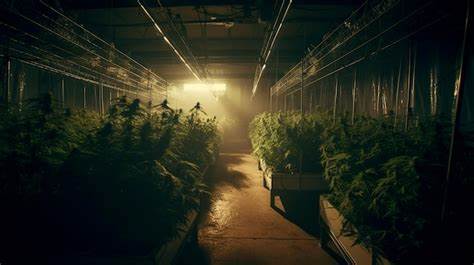
1. Light Requirements
Sour Tsunami, like most cannabis plants, is photoperiodic. This means it requires specific light schedules to transition between vegetative growth and flowering stages.
- Vegetative Stage: Requires 18-24 hours of light daily.
- Flowering Stage: Light exposure should be reduced to 12 hours daily to trigger flowering.
- Light Spectrum:
- During the vegetative stage, blue-dominant light (400–500 nm) encourages strong leaf and stem growth.
- In flowering, red-dominant light (620–700 nm) enhances bud production and resin development.
2. Temperature and Humidity
- Temperature Range:
- Vegetative Stage: 70–85°F (21–29°C).
- Flowering Stage: 65–80°F (18–27°C).
- Humidity:
- Vegetative Stage: 50-70% relative humidity.
- Flowering Stage: Lowered to 40-50% to prevent mold and mildew, particularly as resin production increases.
Maintaining consistent temperature and humidity levels is crucial for preventing stress that could affect cannabinoid and terpene profiles.
3. Soil and Medium
Sour Tsunami thrives in nutrient-rich, well-draining soil. The ideal medium should have:
- pH Level: 6.0-6.5 for soil; 5.5-6.0 for hydroponic systems.
- Soil Amendments:
- Organic materials such as worm castings or compost.
- For drainage and aeration, use perlite or coco coir.
Alternatively, Sour Tsunami can be cultivated in hydroponic systems, where nutrients are delivered directly to the roots in a water-based solution. Hydroponics allows precise control over nutrient levels but requires careful monitoring of pH and electrical conductivity (EC).
Nutrient Management
Cannabis plants, including Sour Tsunami, require macronutrients (nitrogen, phosphorus, potassium) and micronutrients (calcium, magnesium, sulfur, iron, etc.) at various phases of development.
1. Vegetative Stage
- High nitrogen levels promote leafy growth.
- Phosphorus and potassium support root development.
2. Flowering Stage
- Reduced nitrogen to prevent overstimulation of foliage.
- Increased phosphorus and potassium enhance bud development and resin production.
3. Micronutrients
- Magnesium and calcium are essential for chlorophyll production and cell wall integrity.
- Sulfur aids in enzyme functions and terpene synthesis.
4. Organic Growing
Organic fertilizers like fish emulsion, bone meal, and kelp extract can improve the terpene profile of Sour Tsunami, enhancing its flavor and therapeutic effects.
5. Fertigation in Hydroponics
Fertigation (fertilizer injection into irrigation systems) allows precise nutrient delivery in hydroponic setups. Regular monitoring of nutrient solution pH and EC ensures optimal uptake.
Pest and Disease Management
Sour Tsunami, like other cannabis strains, is susceptible to pests and diseases. Using Integrated Pest Management (IPM) techniques is crucial to keeping plants healthy.
1. Common Pests
- Aphids and Spider Mites: Can damage foliage and buds.
- Management: Use neem oil, insecticidal soaps, or predatory insects like ladybugs.
- Fungus Gnats: Thrive in moist soil.
- Management: Allow soil to dry between watering and use sticky traps.
2. Common Diseases
- Powdery Mildew: A fungal disease that causes leaves to turn white and powdery.
- Management: Maintain low humidity and ensure proper airflow.
- Root Rot: Caused by overwatering or poor drainage.
- Management: Avoid overwatering and choose soil that drains effectively.
Advanced Cultivation Techniques
1. Low-Stress Training (LST)
To create an equal canopy, LST entails bending and tying down branches. This method:
- Maximizes each bud site’s exposure to light.
- Increases yield without stressing the plant.
2. Screen of Green (ScrOG)
ScrOG involves weaving branches through a horizontal screen placed above the plants. This technique:
- Enhances light distribution.
- Encourages multiple bud sites.
- Is perfect for growers who have little vertical space indoors.
3. Defoliation
Strategic removal of excess leaves improves airflow and light penetration. This reduces the risk of mold and increases energy allocation to bud development.
4. CO₂ Enrichment
Supplementing carbon dioxide (CO₂) in grow rooms enhances photosynthesis, leading to faster growth and higher yields. CO₂ levels should be kept at 1200-1500 ppm during the vegetative and early flowering stages for optimal results.
Environmental Control Systems
1. Automated Climate Control
- Smart systems regulate temperature, humidity, and CO₂ levels to maintain optimal growing conditions.
- Sensors and controllers minimize human error, ensuring consistent quality.
2. LED Grow Lights
Modern LED lights are energy-efficient and customizable, allowing growers to fine-tune the light spectrum to maximize Sour Tsunami’s cannabinoid and terpene production.
3. Hydroponics and Aeroponics
While Sour Tsunami grows well in soil, hydroponic or aeroponic systems offer advantages:
- Faster growth due to direct nutrient delivery.
- Reduced risk of soil-borne diseases.
- Enhanced control over environmental variables.
Harvesting, Drying, and Curing
1. Harvest Timing
The timing of harvest is critical to preserving Sour Tsunami’s high CBD content:
- Optimal Harvest Window: When trichomes are mostly cloudy with a small percentage of amber.
- Tools: Use a magnifying glass or digital microscope to inspect trichomes.
2. Drying
Drying removes excess moisture to prevent mold while preserving cannabinoids and terpenes:
- Conditions: 60-70°F (15-21°C) with 50-60% humidity.
- Duration: 7-14 days, depending on environmental conditions.
3. Curing
Curing enhances the flavor, aroma, and potency of Sour Tsunami:
- Put the dried buds in glass jars that are airtight.
- Store in a dark, cool place.
- Open jars daily for the first 1-2 weeks to release excess moisture (“burping”).
- Cure for 4-6 weeks for maximum quality.
Breeding and Genetic Stabilization
Sour Tsunami’s breeding history highlights the importance of genetic stabilization for CBD-dominant strains. Breeders use techniques like:
- Phenotype Selection: Identifying plants with desired traits (e.g., high CBD, low THC) for further breeding.
- Backcrossing: Crossing a hybrid with one of its parent strains to stabilize genetic traits.
- Lab Testing: Regular cannabinoid and terpene analysis ensures consistency in CBD-dominance.
Challenges in CBD Cultivation
1. CBD/THC Ratio
Maintaining a low THC level while maximizing CBD can be challenging. Genetic drift, environmental stress, and improper nutrient management can increase THC levels, potentially making the strain non-compliant with CBD-dominant regulations.
2. Regulatory Compliance
CBD strains must adhere to legal THC thresholds, typically below 0.3% THC in many jurisdictions. Growers must monitor THC levels regularly to avoid legal issues.
Potential Side Effects
Sour Tsunami is well-tolerated by most users due to its low THC content. However, potential side effects include:
- Dry Mouth and Eyes: Typical of the majority of cannabis strains.
- Drowsiness: More likely at higher doses.
- Mild Dizziness: Rare but possible in sensitive individuals.
Sour Tsunami’s Methods of Ingestion, Onset, Duration, and Effects
Sour Tsunami is a versatile cannabis strain known for its high CBD content and minimal psychoactive effects, making it popular for both medical and recreational use. Its effects, onset, and duration can vary depending on the method of ingestion and the user’s metabolism, tolerance, and the presence of other cannabinoids and terpenes. Below is a scientific breakdown of its methods of ingestion, associated pharmacokinetics, and expected effects.
Methods of Ingestion
1. Inhalation (Smoking or Vaping)
Description: Inhalation involves combusting or vaporizing the flower and inhaling the active compounds into the lungs.
Mechanism:
- Active cannabinoids, including CBD and trace amounts of THC, are absorbed into the bloodstream through the alveoli in the lungs.
- Rapid systemic distribution occurs, allowing for quick onset of effects.
Onset: 1-5 minutes.
Duration: 2-4 hours.
Advantages:
- Quick relief from symptoms (e.g., pain, anxiety).
- High bioavailability (estimated at 31% for inhaled CBD).
- Immediate feedback allows precise dosage control.
Disadvantages:
- May irritate the respiratory system, particularly with smoking.
- Some loss of terpenes and cannabinoids occurs at high combustion temperatures.
Recommendations:
- Vaping is preferred for those seeking a less harsh and more terpene-preserving method.
- Use a vaporizer with temperature control (ideal range: 356°F–392°F or 180°C–200°C) to optimize cannabinoid and terpene release.
2. Sublingual (Tinctures and Oils)
Description: CBD oil or tinctures derived from Sour Tsunami are administered under the tongue for direct absorption.
Mechanism:
- Cannabinoids are absorbed through the mucous membranes into the bloodstream, bypassing first-pass metabolism.
Onset: 15-30 minutes.
Duration: 4-6 hours.
Advantages:
- Precise dosing, as tinctures are typically measured in milliliters or drops.
- Avoids potential lung irritation from inhalation.
- Moderate onset time compared to edibles.
Disadvantages:
- Some users may find taste unpleasant.
- Requires holding the liquid under the tongue for 30-60 seconds, which may be inconvenient.
Recommendations:
- Use tinctures with full-spectrum extracts to benefit from the “entourage effect.”
- Opt for products with clearly labeled CBD concentrations for accurate dosing.
3. Oral (Edibles and Capsules)
Description: Cannabinoids are ingested and absorbed through the gastrointestinal (GI) tract.
Mechanism:
- CBD is metabolized in the liver (first-pass metabolism), converting some into metabolites before systemic circulation.
Onset: 30-90 minutes (varies with metabolism and stomach contents).
Duration: 6-8 hours.
Advantages:
- Discreet and convenient.
- Long-lasting effects due to gradual digestion and absorption.
Disadvantages:
- Lower bioavailability (estimated at 13-19% for orally consumed CBD).
- Delayed onset may make dosing more challenging, especially for beginners.
Recommendations:
- Consume with fatty foods to enhance absorption, as CBD is lipophilic (fat-soluble).
- Start with a low dose (5-10 mg of CBD) and increase gradually to find the optimal level.
4. Topical Application (Creams, Balms, and Patches)
Description: Topical products are applied directly to the skin, targeting localized areas.
Mechanism:
- Cannabinoids bind to CB2 receptors in the skin and surrounding tissues, providing localized relief without entering the bloodstream.
Onset: 10-20 minutes.
Duration: 2-6 hours (varies with formulation and application area).
Advantages:
- No psychoactive effects, as cannabinoids do not reach the central nervous system.
- Ideal for localized pain, inflammation, or skin conditions.
Disadvantages:
- Limited to surface-level relief.
- Effects may be less noticeable compared to systemic ingestion methods.
Recommendations:
- Use products with added terpenes like myrcene and caryophyllene for enhanced anti-inflammatory effects.
- Apply to clean, dry skin and massage thoroughly for better absorption.
5. Rectal Administration (Suppositories)
Description: Suppositories are inserted into the rectum, allowing for direct absorption through the rectal mucosa.
Mechanism:
- Bypasses the liver’s first-pass metabolism, delivering cannabinoids directly into systemic circulation.
Onset: 10-15 minutes.
Duration: 4-6 hours.
Advantages:
- Higher bioavailability compared to oral methods.
- Rapid onset with sustained effects.
- Useful for individuals with swallowing difficulties or GI absorption issues.
Disadvantages:
- Uncommon method of administration.
- May be uncomfortable or socially stigmatized.
Recommendations:
- Use high-quality, medical-grade suppositories for consistent dosing.
- To keep the product stable, make sure it is stored properly.
Onset, Duration, and Bioavailability by Method
| Method | Onset | Duration | Bioavailability (%) |
|---|---|---|---|
| Inhalation | 1-5 minutes | 2-4 hours | ~31% |
| Sublingual | 15-30 minutes | 4-6 hours | ~13-35% |
| Oral | 30-90 minutes | 6-8 hours | ~13-19% |
| Topical | 10-20 minutes | 2-6 hours | N/A (localized effects) |
| Rectal | 10-15 minutes | 4-6 hours | ~50-70% |
Effects of Sour Tsunami by Method
Sour Tsunami’s effects are largely influenced by its high CBD and low THC content, providing therapeutic relief without significant psychoactivity. The method of ingestion also impacts how quickly and strongly these effects manifest.
General Effects:
- Physical: Reduced inflammation, muscle relaxation, and pain relief.
- Mental: Calming and uplifting, with reduced anxiety and stress.
- Psychoactive: Minimal to none, depending on THC content.
Effects by Ingestion Method:
- Inhalation:
- Immediate relief, making it ideal for acute symptoms like anxiety or sudden pain flare-ups.
- Uplifting, with subtle relaxation.
- Sublingual:
- Steady relief for chronic conditions like arthritis or anxiety.
- Balanced, clear-headed effects.
- Oral:
- Prolonged, gradual onset for long-term symptom management.
- Mild, consistent relaxation with negligible psychoactivity.
- Topical:
- Localized relief without systemic effects.
- Best for joint pain, skin inflammation, or localized injuries.
- Rectal:
- Stronger and quicker systemic effects compared to oral ingestion.
- Beneficial for conditions requiring higher CBD doses, such as severe pain or spasms.
Scientific Factors Influencing Effects
- Bioavailability:
- Varies significantly by method.
- Inhalation and rectal administration offer higher bioavailability, while oral ingestion is less efficient due to first-pass metabolism.
- Terpene Synergy:
- Terpenes like myrcene (sedative), limonene (uplifting), and caryophyllene (anti-inflammatory) modulate effects via the “entourage effect.”
- Metabolism:
- Faster metabolisms result in quicker onset but shorter duration.
- Age, body weight, and genetic factors also influence cannabinoid metabolism.
- Dosage:
- Low doses typically produce mild relaxation and focus.
- Higher doses amplify anti-inflammatory and anxiolytic effects without psychoactivity.
Practical Tips for Optimizing Effects
- Start Low and Go Slow:
- Begin with a low dose to gauge individual tolerance and effects.
- Increase gradually until the intended result is obtained.
- Choose the Right Method:
- Use sublingual or inhalation techniques for acute symptoms.
- For chronic conditions: Oral or topical methods.
- For severe cases: Rectal administration.
- Combine Methods:
- Use multiple ingestion methods to balance rapid relief with sustained effects (e.g., vaping for immediate relief and edibles for long-lasting effects).
- Monitor and Adjust:
- Track the timing, dosage, and effects to refine usage patterns.
- Consult a healthcare provider, especially for medical use.
By understanding Sour Tsunami’s pharmacokinetics and tailoring the method of ingestion to specific needs, users can maximize its therapeutic benefits while minimizing side effects.
Popularity and Availability
Sour Tsunami is widely available in regions with established medical cannabis programs, such as California, Colorado, and Oregon. It is frequently offered for sale as:
- Dried flower.
- CBD-rich oils and tinctures.
- Capsules and edibles.
- Topicals for localized relief.
Conclusion
Sour Tsunami is a pioneering CBD-rich cannabis strain that has carved a niche in both medical and recreational markets. Its high CBD-to-THC ratio, combined with a balanced terpene profile, makes it an excellent choice for users seeking relief from pain, inflammation, anxiety, and other conditions without significant psychoactivity. Its versatility, backed by scientific research and user testimonials, ensures that it remains a staple for those prioritizing wellness and functionality. Whether you’re a patient looking for targeted relief or a recreational user seeking calm focus, Sour Tsunami stands as a remarkable strain in the ever-expanding world of cannabis.
For a complete directory of cultivars, visit our Cannabis Strain Reviews.
