Table of Contents
Sour Tangie is a sativa-dominant hybrid (approximately 80% sativa, 20% indica) created by DNA Genetics, a reputable seed bank known for breeding strains with strong flavor and potency profiles. Sour Tangie is the result of crossing two legendary strains:
- East Coast Sour Diesel – a potent and pungent sativa known for its cerebral stimulation and diesel-fuel aroma.
- Tangie – a vibrant, citrusy sativa derived from California Orange and Skunk #1, renowned for its intense tangerine aroma and mood-lifting effects.
This hybridization brings together the sharp, fuel-like tang of Sour Diesel with the sweet, citrus-heavy aroma of Tangie, creating a strain that is both energizing and therapeutic.
Morphological Characteristics
Sour Tangie displays typical sativa growth traits:
- Tall structure with long internodes
- Thin-fingered fan leaves
- Fluffy, conical buds covered in a thick layer of glandular trichomes
- Bright green hues, often with orange pistils and hints of purple in colder conditions
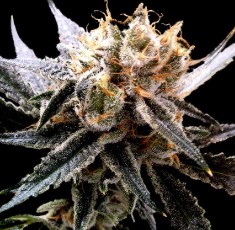
Its buds are less dense than indica-dominant varieties but are resin-rich, making it a suitable candidate for concentrates and extractions.
Cannabinoid Profile
Lab tests indicate the average THC content in Sour Tangie ranges from 18% to 24%, with some phenotypes reaching up to 26%. The CBD content is typically below 0.5%, making it unsuitable for patients seeking high-CBD options. However, the strain contains a full spectrum of minor cannabinoids, including:
- CBG (Cannabigerol): ~0.3–1%
- CBC (Cannabichromene): ~0.2–0.5%
- THCV (Tetrahydrocannabivarin): ~0.2–0.6%
These minor cannabinoids contribute to the overall entourage effect, subtly modulating the psychoactive and medicinal impact of THC.
Terpene Profile
Sour Tangie’s vibrant aroma is driven by a dominant terpene trio that includes:
- Limonene: 0.6%–1.2%
- Responsible for the bright citrus aroma and mood-lifting effects.
- Has anti-anxiety, anti-inflammatory, and gastroprotective properties.
- Myrcene: 0.2%–0.6%
- Adds herbal and earthy undertones.
- Known for its sedative, muscle-relaxant, and synergistic effects on THC absorption.
- Caryophyllene: 0.3%–0.8%
- Contributes spicy, peppery notes.
- Binds to CB2 receptors, offering anti-inflammatory and analgesic benefits.
Other terpenes often present include terpinolene (sweet, floral), ocimene, and pinene, which further enhance its cerebral and uplifting profile.
5. Recreational Uses
Sour Tangie is highly regarded in the recreational market for several reasons:
a. Uplifting and Energizing High
- Users frequently report a rapid onset of euphoria and mental clarity.
- Ideal for daytime use, especially for those looking to stay productive, creative, or social.
- Commonly described as “bubbly,” “inspiring,” and “thought-provoking.”
b. Sensory Enhancement
- Users experience heightened appreciation of music, art, and visual stimuli.
- Enhanced taste and smell make it suitable for culinary experiences.
c. Social and Creative Stimulation
- Sour Tangie is a favorite among artists, musicians, and writers for its ability to break mental blocks.
- Promotes verbal fluency, making it excellent for social interactions and group settings.
d. Functional Euphoria
- Unlike some high-THC strains that may lead to couch-lock or anxiety, Sour Tangie often maintains alertness and focus, making it suitable for hiking, dancing, and even microdosing during work sessions.
Medical Applications and Therapeutic Benefits
I. Pharmacological Foundations
Sour Tangie’s therapeutic effects stem from its dominant chemical components, which include:
- THC (Tetrahydrocannabinol): ~18–24%
- Minor Cannabinoids: THCV (~0.2–0.6%), CBG (~0.3–1%), CBC
- Dominant Terpenes: Limonene, β-Caryophyllene, Myrcene, Pinene, Terpinolene
These compounds act on the endocannabinoid system (ECS) and other molecular targets like serotonin (5-HT), dopamine, TRPV1, GABA, and adenosine receptors, resulting in multimodal therapeutic activity.
II. Central Nervous System & Mood Disorders
1. Depression
Mechanism:
- Limonene upregulates 5-HT1A serotonin receptor expression and stimulates hippocampal neurogenesis, potentially mimicking SSRI effects.
- THC and THCV modulate dopamine signaling in the nucleus accumbens and prefrontal cortex, improving mood and reward sensitivity.
Clinical Relevance:
- Suitable for major depressive disorder (MDD) and dysthymia.
- Sour Tangie produces a rapid-onset antidepressant-like effect, particularly useful for motivation-deficit syndromes.
2. Anxiety & Stress-Related Disorders
Mechanism:
- Limonene and myrcene interact with GABA-A and 5-HT receptors, reducing excitatory neurotransmission.
- β-Caryophyllene, a CB2 agonist, provides anxiolytic and neuroprotective effects via immune modulation.
Therapeutic Notes:
- Low to moderate doses may relieve situational anxiety, generalized anxiety disorder (GAD), and social anxiety.
- Higher doses of THC can be anxiogenic—precise titration is critical.
- Ideal for stress-induced insomnia, agitation, or panic tendencies when used early in the day.
3. ADHD and Cognitive Fatigue
Mechanism:
- THCV enhances dopamine release without significant psychoactivity.
- Pinene inhibits acetylcholinesterase, improving attention span and memory formation.
- Sour Tangie’s sativa-leaning profile supports prefrontal cortex activation, essential for executive function.
Potential Benefits:
- Improves focus, task switching, and mental endurance in ADHD and mild cognitive impairment.
- May aid in mental fatigue from long COVID or chronic illness.
III. Pain Management and Neurological Disorders
1. Neuropathic Pain
Mechanism:
- THC binds CB1 receptors on nociceptive neurons, inhibiting pain signal transmission.
- Caryophyllene binds to CB2 receptors in peripheral immune tissues, reducing inflammatory cytokines.
Applications:
- Effective in sciatica, diabetic neuropathy, fibromyalgia, HIV/AIDS-related pain, and multiple sclerosis.
- Dual action (central + peripheral) makes it versatile for complex pain syndromes.
2. Migraines and Cluster Headaches
Mechanism:
- Activation of CB1 receptors modulates serotonin release in the trigeminovascular system.
- Limonene and pinene have vasodilatory and anti-inflammatory actions relevant to migraine pathophysiology.
Usage:
- Effective as a prodromal or abortive treatment when used early.
- Fast-acting vaporizable forms (e.g., live resin, distillate) may provide the best results for acute management.
3. Inflammation and Autoimmune Disorders
Mechanism:
- Caryophyllene acts as a CB2-selective anti-inflammatory without intoxication.
- THCV and CBG inhibit interleukin-6 and TNF-α, reducing cytokine storms in autoimmune activity.
Conditions Benefited:
- Rheumatoid arthritis, IBD (Crohn’s/colitis), lupus, and psoriasis.
- May reduce inflammation in post-viral syndromes (e.g., long COVID) through immune system modulation.
IV. Metabolic and Gastrointestinal Health
1. Nausea and Vomiting
Mechanism:
- THC interacts with CB1 receptors in the dorsal vagus complex, which regulates nausea and emesis.
- Limonene may help normalize gastric motility and acid balance.
Clinical Use:
- Sour Tangie is effective for chemotherapy-induced nausea, cyclical vomiting syndrome, and gastroparesis.
- Inhaled forms offer fast relief in acute episodes.
2. Appetite Stimulation
Mechanism:
- THC increases ghrelin secretion (hunger hormone) and activates the hypothalamic feeding centers.
Conditions Benefited:
- Anorexia nervosa
- Cachexia from HIV/AIDS or cancer
- Post-surgical appetite loss
Sour Tangie provides functional appetite stimulation without deep sedation, unlike heavy indica strains.
3. IBS and Functional GI Disorders
Mechanism:
- Limonene’s anti-inflammatory and gastroprotective properties help soothe GI lining.
- THC reduces cramping and spasms via CB1 modulation in the enteric nervous system.
Application:
- Mild-to-moderate benefit in IBS (especially IBS-C or stress-triggered).
- May alleviate cramps, bloating, and visceral hypersensitivity.
V. Neuroprotective and Anti-Aging Potential
1. Early-Stage Neurodegenerative Disease
Mechanisms:
- THCV, CBG, and caryophyllene have neuroprotective and antioxidant effects.
- THCV shown in animal studies to reduce tau protein hyperphosphorylation in Alzheimer’s models.
- Pinene may help maintain memory retention by countering THC-induced forgetfulness.
Potential Uses:
- Alzheimer’s disease, Parkinson’s, Huntington’s, and ALS (early symptomatic stages).
- May slow neuroinflammatory cascades and improve cognitive resilience.
2. Anti-Oxidant and Mitochondrial Support
Mechanism:
- Limonene and THCV increase expression of NRF2, a transcription factor that upregulates antioxidant enzymes (e.g., SOD, catalase).
- CBG supports mitochondrial integrity and energy homeostasis.
Implication:
- Potential for use in age-related cognitive decline, mitochondrial disorders, and chronic fatigue syndrome.
VI. Hormonal and Reproductive Health
1. PMS and PMDD
- THC reduces uterine cramping and emotional dysregulation.
- Limonene helps mood stabilization and irritability.
Useful in patients with cyclical mood disorders, bloating, and pain related to menstruation.
2. Endometriosis and Menstrual Pain
- Sour Tangie may offer non-opioid pain relief while maintaining energy and functionality.
- CB1 and CB2 activation help modulate endometrial inflammation and pain perception.
VII. Immune Regulation and Viral Illness Recovery
1. Long COVID & Post-Viral Syndromes
Emerging evidence suggests cannabinoids and terpenes modulate the immune system and neuroinflammation:
- Sour Tangie’s limonene and THCV may reduce fatigue, brain fog, low mood, and low-grade inflammation.
- Promotes neurogenesis, emotional resilience, and appetite in recovery phases.
2. General Immune Modulation
- CB2 activation by caryophyllene helps balance T-cell and cytokine activity.
- May be useful in low-grade chronic inflammation or autoimmune flares with fatigue.
VIII. Limitations & Precautions
While Sour Tangie offers a wide range of therapeutic potential, it’s important to note:
- High THC levels may exacerbate anxiety or psychosis in predisposed individuals.
- Tolerance and dependence can occur with daily use; ideal for rotational or PRN-based therapy.
- Avoid in patients with arrhythmia, schizophrenia, or those using strong CNS depressants unless under medical supervision.
IX. Ideal Patient Profiles
Sour Tangie may be especially beneficial for:
| Condition | Why It Helps |
|---|---|
| Depression & Dysthymia | Fast-acting mood boost, increases dopamine & serotonin |
| Fatigue & Brain Fog | Elevates energy without crash |
| ADHD | Improves focus, working memory, and executive function |
| Neuropathic Pain | Dual CB1/CB2 modulation |
| Appetite Loss | Stimulates ghrelin and feeding centers |
| Stress-Induced GI Symptoms | Eases cramping and motility disturbances |
| Early Cognitive Decline | Supports memory and reduces neuroinflammation |
Scientific Mechanisms of Action
Sour Tangie’s effects can be explained by its phytochemical synergy between THC, terpenes, and minor cannabinoids.
a. Cannabinoid Receptor Modulation
- THC acts primarily as a partial agonist of CB1 receptors, concentrated in the brain and CNS, leading to euphoria, altered perception, and pain relief.
- Caryophyllene activates CB2 receptors, modulating immune response and inflammation without psychoactivity.
b. Terpene-Cannabinoid Synergy (Entourage Effect)
- Limonene enhances serotonin transmission, which underlies its mood-enhancing and anti-anxiety action.
- Myrcene increases blood-brain barrier permeability, potentiating THC’s effects and enhancing absorption.
- Pinene counteracts THC-induced memory deficits, helping maintain cognitive function during the high.
c. Dopaminergic and Serotonergic Activity
- Sour Tangie likely increases dopamine transmission, linked to its motivational and euphoric qualities.
- Through limonene’s influence, it may also boost serotonin in the prefrontal cortex and hippocampus, which contributes to antidepressant effects.
Cultivation Characteristics
1. Phenotype Considerations
Sour Tangie presents two primary phenotypes:
- Tangie-dominant: Citrus-heavy, bushier structure, faster flowering (~9 weeks).
- Sour Diesel-dominant: Taller, more diesel aroma, longer flowering (~10 weeks), slightly higher THC.
Selection of phenotype based on terpene profile and growth behavior is crucial during early cultivation stages. Clonal propagation of high-performing mothers ensures consistency in yield and cannabinoid profiles.
2. Environmental Optimization
a. Light Cycle & Intensity
- Vegetative Phase: 18–6 light schedule; 400–600 μmol/m²/s PAR intensity.
- Flowering Phase: 12–12 light schedule; boost to 600–1000 μmol/m²/s for maximum bud density and resin production.
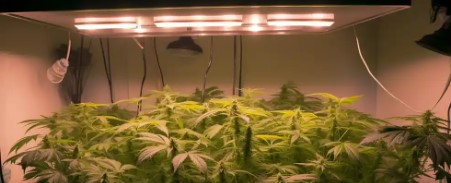
Supplementing UV-B light (280–315 nm) in late flowering (last 2 weeks) has been shown to:
- Increase trichome density (linked to THC biosynthesis).
- Stimulate stress responses that elevate secondary metabolite (terpene and flavonoid) production.
b. Temperature and Humidity
| Phase | Temperature (Day/Night) | Relative Humidity |
|---|---|---|
| Veg | 24–28°C / 20–22°C | 55–65% |
| Flowering (Early) | 23–26°C / 19–21°C | 45–55% |
| Flowering (Late) | 20–24°C / 17–19°C | 35–45% |
- Nighttime temperature drops in late flowering help promote anthocyanin expression (purple hues) and terpene retention.
- Maintain VPD (Vapor Pressure Deficit) between 1.2–1.6 kPa for optimal transpiration and nutrient uptake.
3. Substrate and Root Zone Management
a. Soil (Organic)
- High-quality living soil with fungal dominance supports terpene richness.
- Amendments: worm castings, bat guano, kelp meal, mycorrhizal fungi.
- pH target: 6.2–6.6
b. Soilless (Coco/Perlite)
- Faster nutrient uptake and root development.
- Requires frequent watering (1–2x/day).
- pH target: 5.8–6.2
c. Hydroponics (DWC, NFT)
- Accelerated growth and yields.
- Greater cannabinoid production possible with fine-tuned EC levels (1.2–2.2 mS/cm).
- Risk of terpene suppression without organic microbial interaction.
4. Nutrient Strategy
Macronutrient Needs by Stage
- Vegetative Stage:
- High Nitrogen (N) for vigorous growth.
- Moderate Phosphorus (P) and Potassium (K).
- Flowering Stage:
- Reduce N.
- Increase P and K for bud development.
- Magnesium (Mg) is critical for chlorophyll and resin synthesis.
| Stage | N-P-K Ratio (Example) | Notes |
|---|---|---|
| Veg | 3-1-2 | Boost branching |
| Transition | 2-2-2 | Balance stress |
| Flowering | 1-3-2 or 1-4-3 | Focus on yield, resin |
Micronutrients
- Boron, Zinc, Iron support enzymatic functions and hormone regulation.
- Deficiency in Calcium or Magnesium often leads to tip burn or interveinal chlorosis, common in fast-growing sativas.
5. Training Techniques
Sour Tangie responds well to canopy management and training due to its natural vertical growth tendency:
a. Topping & FIMing
- Encourages lateral branching.
- Best applied at the 4th–6th node in veg.
b. SCROG (Screen of Green)
- Maximizes horizontal space and light penetration.
- Ideal for height control and yield enhancement.
c. LST (Low-Stress Training)
- Used during early vegetative stage to bend and spread branches.
- Encourages uniform bud development.
d. Defoliation
- Strategic leaf removal during early flowering improves airflow and light exposure.
- Enhances terpene biosynthesis via photomorphogenic responses.
6. CO₂ Enrichment
- Maintaining CO₂ levels between 800–1200 ppm during flowering can:
- Increase photosynthetic efficiency and yield.
- Enhance terpene and flavonoid pathways if light intensity is also raised accordingly.
Important: CO₂ is only beneficial in sealed environments with high light (≥800 μmol/m²/s).
7. Pest and Disease Resistance
Sour Tangie is moderately resilient but should be monitored for:
Common Threats:
- Powdery Mildew: Use sulfur vaporization or potassium bicarbonate sprays.
- Spider Mites & Thrips: Apply neem oil, insecticidal soap, or predatory mites.
- Fungus Gnats: Use BTi (Bacillus thuringiensis israelensis) and improve drainage.
Preventive Measures:
- Maintain strong airflow (40–60 CFM per 4×4 space).
- Rotate organic pest treatments to avoid resistance.
8. Harvest Timing & Techniques
a. Trichome Maturity
- Use a jeweler’s loupe or digital microscope to examine trichomes:
- Clear: Not ready.
- Cloudy/Milky: Peak THC.
- Amber: Higher CBN, more sedative.
Ideal harvest for Sour Tangie is when 85–90% are cloudy, and 5–10% are amber, preserving uplifting effects with slight body relaxation.
b. Flushing
- Flush with pure water (or low EC solution) 10–14 days before harvest to remove nutrient buildup.
- Enhances terpene flavor clarity and smoothness.
9. Curing for Terpene Preservation
Proper curing enhances flavor, smoothness, and bioavailability:
- Drying: 60°F (15.5°C) @ 60% RH for 10–14 days in darkness.
- Curing: Store in glass jars at 62% RH, open daily for 5–10 minutes (burping).
- Cure Duration: Minimum 3 weeks, ideal 6–8 weeks.
Curing allows enzymatic breakdown of chlorophyll, while retaining volatile monoterpenes like limonene, which are easily lost above 21°C.
10. Genetic Stabilization and Breeding Potential
Sour Tangie’s hybrid vigor and terpene complexity make it an attractive parental strain for breeding:
- Backcrossing with Tangie enhances citrus terpenes and shortens flowering.
- Crossing with indica lines can help manage height while retaining cerebral effects.
- THCV-rich phenotypes can be isolated with genetic marker screening, appealing to medical breeders.
Modern breeding techniques like QTL mapping (quantitative trait loci) and CRISPR-Cas9 offer the potential to target specific terpene or cannabinoid genes in Sour Tangie, such as CsTPS (terpene synthase) or THCAS (tetrahydrocannabinolic acid synthase).
Summary of Optimal Cultivation Parameters
| Factor | Ideal Range/Method |
|---|---|
| Light Intensity | 600–1000 μmol/m²/s |
| UV-B Supplementation | Last 2 weeks of flowering |
| Temperature (Flower) | 20–26°C daytime / 17–21°C nighttime |
| Relative Humidity | 35–45% in late flower |
| pH (Soil) | 6.2–6.6 |
| pH (Coco/Hydro) | 5.8–6.2 |
| Nutrients (Flower) | 1-3-2 or 1-4-3 (N-P-K) |
| VPD | 1.2–1.6 kPa |
| CO₂ | 800–1200 ppm with high light |
| Training | SCROG, LST, topping, defoliation |
| Harvest Timing | 85% cloudy, 10% amber trichomes |
| Cure Environment | 60°F @ 62% RH in airtight containers |
Potential Side Effects
As with most high-THC strains, Sour Tangie may present certain adverse effects, especially in inexperienced users or those sensitive to sativas.
- Dry Mouth and Eyes – Very common; manageable with hydration.
- Paranoia/Anxiety – Possible with high doses due to intense cerebral stimulation.
- Dizziness or Headache – Reported by a small percentage of users, often due to overconsumption or dehydration.
- Restlessness – Not ideal before sleep; may cause insomnia in some.
Comparisons and Complementary Strains
For users who enjoy Sour Tangie, the following strains offer similar or complementary profiles:
- Green Crack – Similar uplifting focus but with a slightly more intense headrush.
- Mimosa – Adds more body euphoria; great for mood and energy.
- Super Lemon Haze – Shares the citrus-limonene profile with added creative clarity.
- Jack Herer – Offers a classic, more balanced sativa experience with spiritual/mental uplift.
Consumer and Market Trends
Sour Tangie remains a top-tier strain in both medical and recreational markets for several reasons:
- Its distinct citrus-diesel flavor appeals to connoisseurs.
- Broad applications for depression, fatigue, creativity, and pain drive demand in the therapeutic space.
- The rise of terpene-forward products has spotlighted Sour Tangie’s unique profile in live resins, vape carts, and terp sauce concentrates.
Conclusion: The Science and Soul of Sour Tangie
Sour Tangie exemplifies the next-generation hybrid cannabis strain: one that balances potency, flavor, and therapeutic potential. With its dynamic terpene profile, high THC content, and cerebral dominance, it’s a powerful tool for patients seeking natural relief from mood disorders, fatigue, and mild pain — and a favorite among recreational users looking for an uplifting, functional high.
Its ability to enhance focus and creativity without overwhelming sedation makes it ideal for daytime use, while its therapeutic mechanisms reflect the deepening scientific understanding of the entourage effect and the interactions between cannabinoids and terpenes.
As research continues into minor cannabinoids like THCV and terpenes like limonene, Sour Tangie is likely to remain a cornerstone strain for both medical patients and enthusiasts alike.
For a complete directory of cultivars, visit our Cannabis Strain Reviews.
