Table of Contents
Sour OG is a hybrid cannabis strain revered for its potent and well-balanced effects. Often classified as a 50/50 hybrid, Sour OG is the genetic offspring of two legendary strains—Sour Diesel (a sativa-dominant strain known for cerebral invigoration) and OG Kush (a hybrid leaning indica, recognized for its sedative, euphoric body effects). With THC levels averaging between 18% to 24%, Sour OG is widely considered a “one-hit wonder” by both recreational and medical users, delivering strong euphoria with balanced physical relaxation.
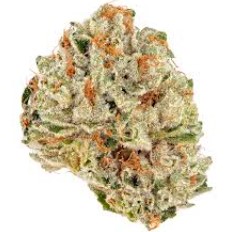
Known for its distinctive lemon-diesel aroma and pungent skunky-sour flavor, Sour OG has been a consistent choice among users seeking relief from physical ailments without excessive sedation, or mental invigoration without anxiety spikes.
Genetic Lineage and Breeding Background
Parent Strains:
- Sour Diesel (sativa-dominant): Energizing, cerebral, fast-acting with high THC.
- OG Kush (indica-dominant hybrid): Euphoric, calming, and body-heavy with strong aroma.
Sour OG was bred to capture the best traits of both:
- The energetic head high from Sour Diesel.
- The calming body relaxation from OG Kush.
Breeders aimed for a well-balanced profile suitable for day or evening use, making it ideal for hybrid lovers.
Cannabinoid Profile
Sour OG typically contains:
| Cannabinoid | Typical Concentration |
|---|---|
| THC | 18–24% |
| CBD | 0.1–0.5% |
| CBG | 0.5–1.2% |
| CBC | 0.05–0.2% |
| THCV | 0.2–0.5% |
Key Observations:
- High THC levels in Sour OG contribute to the strain’s potent psychoactive effects.
- Low CBD in Sour OG makes this strain unsuitable for those seeking non-intoxicating therapy.
- CBG and THCV, although in trace amounts in Sour OG, may add neuroprotective and anti-inflammatory properties.
Terpene Profile
Terpenes are responsible for aroma, flavor, and modulating effects. Sour OG’s dominant terpenes include:
| Terpene | Concentration | Effects | Aroma/Flavor Notes |
|---|---|---|---|
| Limonene | 0.5–1.2% | Uplifting, anti-anxiety, antidepressant | Citrus, lemon |
| Myrcene | 0.3–0.8% | Sedative, anti-inflammatory, muscle relaxant | Earthy, musky |
| Caryophyllene | 0.2–0.6% | Analgesic, anti-anxiety, gut health | Spicy, peppery |
| Pinene | 0.1–0.3% | Alertness, memory retention | Pine, fresh |
| Humulene | 0.1–0.2% | Appetite suppressant, anti-inflammatory | Woody, herbal |
Sour OG’s flavor reflects this profile, blending lemon zest, fuel, and earthy pine, with occasional peppery notes on the exhale.
Recreational Uses
A. Mental Effects
- Euphoric uplift: Often kicks in within minutes, Sour OG provides a cerebral buzz that encourages laughter, conversation, or introspection.
- Creative stimulation: Popular among artists and writers.
- Mood elevation: Users frequently describe emotional detachment from stressors.
B. Physical Effects
- Body relaxation: Not couch-locking, but relaxing enough to reduce tension.
- Mild sedation at higher doses: Useful for winding down in the evening.
- Energy-then-calm transition: The initial agitation gradually fades into calm.
C. Best Time for Use
- Late afternoon, early evening, or weekend daytime when a balanced effect is desired.
D. Social Use Cases
- Moderate doses enhance social interaction, giggling, and talkativeness.
- Excessive use may induce drowsiness and introspection.
Specific Medical Applications
1. Overview of Medical Utility
Sour OG’s therapeutic efficacy comes primarily from:
- High THC (18–24%)
- Moderate levels of CBG and trace CBD
- A robust terpene profile (notably limonene, myrcene, and caryophyllene)
This combination creates a broad-spectrum pharmacological effect, engaging both the central nervous system (CNS) and peripheral systems like immune, muscular, and gastrointestinal pathways.

2. Neuropsychiatric Applications
A. Depression
Mechanism of Action:
- THC indirectly stimulates dopamine release in the mesolimbic pathway.
- Limonene enhances serotonergic activity.
- Caryophyllene binds to CB2 receptors, modulating the HPA axis and reducing stress responses.
Clinical Relevance:
- Rapid-acting mood lift seen within minutes of administration.
- Unlike SSRIs, it works via dopaminergic systems, potentially synergizing in treatment-resistant cases.
- Ideal for atypical depression, especially when fatigue and low motivation dominate.
B. Anxiety (Mild to Moderate)
Mechanism:
- Limonene has anxiolytic properties via serotonin and GABA-A receptor modulation.
- Caryophyllene has demonstrated effects on stress-induced anxiety via CB2-mediated anti-inflammatory action.
Notes:
- Low-to-moderate doses show calming and social-enhancing effects.
- High doses may provoke anxiety in THC-sensitive patients due to CB1 overstimulation in the amygdala.
C. PTSD
Mechanism:
- CB1 receptor activation reduces memory reconsolidation, decreasing flashback intensity.
- THC modulates fear extinction and amygdala hyperactivity.
- Caryophyllene and myrcene offer neuroprotective, anti-insomnia, and anti-stress benefits.
Application:
- Effective for sleep disturbances, nightmares, and hypervigilance.
- Enhances REM sleep suppression, beneficial for intrusive dream patterns.
D. ADHD / Executive Dysfunction
Mechanism:
- THC and pinene increase dopamine and norepinephrine transmission in prefrontal cortex.
- Enhances focus short-term through dopaminergic regulation and improved cognitive flexibility.
Best Use Scenario:
- Microdosing Sour OG may improve task-switching and impulse control without overstimulation.
- Not a replacement for stimulant medications but potentially synergistic.
3. Pain and Inflammation
A. Neuropathic Pain
Mechanism:
- THC acts on CB1 receptors in the dorsal root ganglia and spinal cord, inhibiting pain signal transmission.
- Caryophyllene reduces neuroinflammation by CB2 activation.
- Myrcene enhances peripheral muscle relaxation and potentiates opiate analgesia.
Clinical Use:
- Especially effective in sciatica, diabetic neuropathy, and chemotherapy-induced neuropathic pain.
- Combines central sedation with peripheral muscle relaxant effects.
B. Chronic Inflammatory Pain (e.g., Arthritis, Fibromyalgia)
Mechanism:
- CB2 receptor agonism (caryophyllene) reduces TNF-alpha and IL-6 cytokines.
- Myrcene and limonene offer anti-inflammatory effects through COX-2 inhibition.
Use Cases:
- Reduces morning stiffness, swelling, and muscular tenderness.
- Allows pain relief without full sedation, making it suitable for daytime functional use.
C. Migraine and Cluster Headaches
Mechanism:
- CB1 activation inhibits trigeminal nociceptive activity.
- Terpenes such as limonene and pinene contribute to vascular modulation and mood stability.
Timing:
- Best used at aura or prodrome stage for maximal effect.
- May reduce frequency and intensity with consistent low-dose usage.
4. Sleep Disorders
Mechanism:
- Myrcene promotes GABAergic sedation.
- THC decreases REM sleep duration, which is useful for those with REM-dominant nightmares (e.g., PTSD).
Therapeutic Niche:
- Beneficial for sleep onset insomnia (difficulty falling asleep).
- Less effective for sleep maintenance unless used at moderate/high doses.
5. Gastrointestinal and Metabolic Disorders
A. Nausea and Vomiting
Mechanism:
- THC acts on CB1 receptors in the dorsal vagus complex, reducing emetic signals.
- Limonene may enhance this via 5-HT3 antagonism.
Use Case:
- Effective in chemotherapy-induced nausea (CINV).
- Works within minutes via inhalation; highly dose-responsive.
B. Appetite Stimulation
Mechanism:
- THC activates hypothalamic AMPK and CB1 receptors, increasing ghrelin secretion and promoting hunger.
- Caryophyllene supports gut motility and appetite consistency.
Best Use:
- For cachexia, HIV/AIDS, eating disorders, or GI conditions like Crohn’s or ulcerative colitis.
6. Autoimmune and Inflammatory Disorders
Mechanism:
- CB2 receptor stimulation (from caryophyllene) reduces activity of pro-inflammatory immune cells.
- Suppresses TNF-α, IL-1, and COX-2 via NF-κB downregulation.
Conditions Impacted:
| Condition | Effectiveness Level | Benefit |
|---|---|---|
| Rheumatoid arthritis | Moderate | Reduces joint inflammation and pain |
| Multiple sclerosis | Moderate–High | Combats spasticity, pain, and sleep loss |
| IBS / Crohn’s Disease | Moderate | Anti-inflammatory, reduces gut spasms |
| Lupus (SLE) | Experimental | Anecdotal anti-inflammatory and pain relief |
7. Neuroprotective Potential
Mechanism:
- THC and CBG stimulate neurogenesis in the hippocampus.
- Terpenes (esp. caryophyllene) protect against oxidative stress in neurons.
Potential Applications:
- Early-stage Alzheimer’s/Dementia: Improves memory consolidation, reduces agitation.
- Parkinson’s disease: Reduces motor tremors and muscle rigidity.
- ALS / Huntington’s: Symptom relief (pain, spasms, appetite), not disease-modifying.
8. Hormonal and Metabolic Implications
Insulin Sensitivity & Obesity:
- CB1 activation is generally associated with increased fat storage, but low to moderate THC exposure may improve insulin sensitivity and energy metabolism when combined with exercise and proper diet.
Menstrual Symptoms & Endometriosis:
- Sour OG may help reduce:
- Pelvic pain
- Cramping
- Mood fluctuations
- Headaches
- Likely due to uterine CB1 receptor expression and anti-inflammatory terpene activity.
9. Contraindications and Cautionary Notes
| Risk Factor | Concern |
|---|---|
| Psychosis/Schizophrenia | High THC may exacerbate symptoms |
| Bipolar Disorder | Can trigger mania or anxiety at high doses |
| Pregnancy | Avoid due to fetal neurodevelopment risk |
| Heart Disease | Use caution – THC can increase heart rate |
| CYP450 Drug Interactions | May interfere with SSRIs, benzos, statins |
10. Form Factor Considerations for Medical Use
| Method | Onset | Duration | Best For |
|---|---|---|---|
| Vaporization (Flower) | 1–5 mins | 2–3 hrs | Fast relief for anxiety, nausea, mood |
| Tincture (Sublingual) | 15–30 mins | 4–6 hrs | Steady dosing for chronic conditions |
| Edibles | 45–90 mins | 6–8 hrs | Long-term pain, sleep, GI issues |
| Topicals | Localized | 2–4 hrs | Arthritis, muscle tension |
11. Summary of Key Medical Mechanisms
| Compound | Primary Medical Roles |
|---|---|
| THC | Analgesic, anti-nausea, antidepressant, neuroprotective |
| CBG | Anti-inflammatory, antibacterial, neurogenic |
| Limonene | Anxiolytic, antidepressant, immunomodulatory |
| Caryophyllene | Anti-inflammatory, gut protector, anxiolytic (via CB2) |
| Myrcene | Sedative, muscle relaxant, potentiates cannabinoids |
| Pinene | Memory aid, bronchodilator, alertness enhancer |
Scientific Mechanisms and Pharmacology
A. THC and the Endocannabinoid System
Sour OG’s effects are primarily driven by Δ9-tetrahydrocannabinol (THC), which binds to CB1 receptors in the brain and nervous system. This interaction:
- Increases dopamine → Euphoria, motivation
- Inhibits GABA → Relaxation, sedation
- Modulates serotonin → Mood elevation
B. Entourage Effect
Terpenes like limonene and caryophyllene synergize with cannabinoids:
- Limonene enhances THC’s mood-elevating and anti-anxiety effects.
- Caryophyllene, a rare terpene that binds to CB2, adds anti-inflammatory and anxiolytic benefits without sedation.
C. Neurochemical Considerations
- Enhances activity in mesolimbic dopamine pathway (reward system).
- Potential modulation of amygdala and prefrontal cortex, reducing threat perception and enhancing executive function.
D. Pharmacokinetics
- Onset (inhalation): 1–3 minutes
- Peak effects: 15–30 minutes
- Duration: 2–3 hours (inhaled), 4–6 hours (edibles)
- Metabolism: Primarily hepatic (CYP2C9, CYP3A4 enzymes)
Cultivation Information
Genetic and Phenotypic Behavior
Sour OG, a 50/50 hybrid, inherits its vigorous vegetative growth and early resin production from Sour Diesel and dense bud structure from OG Kush.

| Trait | Description |
|---|---|
| Photoperiod | Regular, light-sensitive strain (12/12 to flower) |
| Phenotypic Stability | Moderate — expect 2-3 phenotypes unless using stabilized seed stock |
| Stretch Factor | 1.5–2× after switching to 12/12 lighting |
| Bud Density | High – compact nugs with thick trichome layering |
| Internodal Spacing | Moderate (2–4 inches) – good airflow, manageable with topping/training |
Environmental Parameters (Indoor/Greenhouse Focus)
Sour OG prefers high light intensity, balanced nutrients, and dry, stable conditions during late flowering for trichome preservation.
| Phase | Temp (Day/Night °C) | RH (%) | CO₂ (ppm) | Light (PPFD µmol/m²/s) |
|---|---|---|---|---|
| Vegetative | 24–28 / 20–22 | 60–70 | 400–800 | 400–600 |
| Flowering (early) | 24–26 / 18–20 | 45–55 | 800–1000 | 600–900 |
| Flowering (late) | 22–24 / 16–18 | 35–45 | 900–1200 | 900–1000 |
| Final Week | 20–22 / 16–18 | <40 (ideally 35%) | 400–800 | 600–800 |
Key Environmental Notes:
- High humidity in late flower increases mold risk; defoliate lower fan leaves and ensure good airflow.
- CO₂ supplementation (900–1200 ppm) during weeks 2–6 of flowering enhances biomass and THC yield.
Lighting Strategy
Sour OG responds exceptionally well to high-intensity full-spectrum LED or HPS lighting due to its hybrid vigor.
- Veg Phase: 18/6 light schedule, ~400–600 PPFD.
- Flowering Phase: Switch to 12/12, increase intensity gradually to 900+ PPFD.
- Spectrum Preference:
- Blue light (450–500nm) for compact growth in veg.
- Red/IR (630–730nm) for resin and bud swelling in flower.
UVB supplementation in late flower (last 2 weeks) can increase trichome density and terpene content by stimulating plant stress responses (e.g., glandular trichome proliferation).
Substrate and Root Zone Considerations
Sour OG thrives in both soil and hydro, but the best terpene profiles and cannabinoid density are typically seen in living organic soil or coco blends with microbial additives.
| Medium | Advantages | Considerations |
|---|---|---|
| Coco Coir + Perlite | High oxygenation, fast growth | Requires daily feeding, pH control |
| Living Soil | Rich in microbials, complex terpene expression | Slower growth, but better taste |
| Hydro (DWC/ebb-flow) | Max yield, fast nutrient uptake | High maintenance, risk of root rot |
Ideal Root Zone pH:
- Soil: 6.2–6.8
- Coco/Hydro: 5.8–6.2
Root temperature: Keep between 18–22°C for optimal nutrient uptake and to avoid root stress or pathogen bloom.
Nutrient Strategy
Sour OG demands balanced macronutrients and ample secondary minerals (Mg, S, Ca) for vigorous flowering.
Nutrient Uptake Focus by Stage
| Stage | Key Nutrients | Supplements |
|---|---|---|
| Veg | N, Ca, Mg | Humic acids, kelp, beneficial microbes |
| Transition | P, K, Mg, Ca | Silica (for stalk strength), fulvic acid |
| Flowering | High P, K, low N, stable Mg & Ca | Sulfur (for terpenes), amino acids |
| Ripening | Low EC, no N, Mg, S, minimal P | Molasses or sugar boosters, flushing |
EC Range:
- Veg: 1.0–1.4
- Flower: 1.6–2.2 (peak at week 5–6)
- Final Week: <0.8 for flush
Flushing: 7–10 days with plain pH-balanced water (or enzyme products) improves taste and terpene clarity.
Training and Yield Optimization
Sour OG benefits greatly from canopy management and low-stress training. Because of its medium internodal spacing and stretch, horizontal control maximizes yield.
| Technique | Purpose | Application Window |
|---|---|---|
| Topping/FIM | Increase colas and even canopy | Week 3–4 of veg |
| LST (Low-Stress Training) | Enhance light penetration | Veg weeks 3–6 |
| SCROG (Screen of Green) | Keeps buds in optimal light zones | Start during early flower |
| Defoliation | Improve airflow and light exposure | Week 2 flower, again week 5 |
| Lollipopping | Redirects energy to top buds | Pre-flower (last veg week) |
Yield Expectation:
- Indoor (SCROG + LED): 450–550 g/m²
- Outdoor (sun-grown): 500–700 g/plant (with >5 gal containers and topping)
Flowering Timeline and Ripening
| Week | Stage | Key Activities & Observations |
|---|---|---|
| 1–2 | Flower initiation | Stretch phase begins, pistils form |
| 3–4 | Bud development | Calyxes swell, trichome glands begin appearing |
| 5–6 | Bulk phase | Rapid bud expansion, peak nutrient demand |
| 7 | Maturation | Pistils darken, trichomes turning cloudy |
| 8–9 | Ripening | Full trichome coverage, slight purple hues may appear |
Optimal Harvest Window:
- When ~10–15% amber trichomes are present (for a relaxing effect)
- Harvest earlier for more cerebral, energetic high (mostly cloudy, few amber)
Pest and Disease Resistance
Moderate resistance, but environmental stress (especially humidity) can create vulnerabilities.
| Threat | Risk Level | Prevention Strategy |
|---|---|---|
| Powdery mildew | Medium | Keep RH < 50%, use silica and airflow |
| Botrytis (bud rot) | High (dense buds) | Careful drying, defoliation, RH control |
| Spider mites / aphids | Moderate | Neem oil in veg, predatory mites |
| Fungus gnats | Low | Avoid overwatering, use sticky traps |
IPM (Integrated Pest Management):
- Veg: Neem, insecticidal soap, beneficial nematodes.
- Flower: Avoid sprays past week 3; switch to predators (e.g., Hypoaspis miles, ladybugs).
Post-Harvest: Curing for Maximum Terpenes
Proper drying and curing unlocks Sour OG’s full flavor potential and maximizes cannabinoid expression.
Drying Parameters:
- Temp: 18–21°C
- RH: 50–60%
- Duration: 7–14 days (until stems snap)
Curing Guidelines:
- Jar RH: 58–62%
- Burp daily for 2 weeks, then weekly
- Ideal cure time: 4–6 weeks minimum for flavor/terpene maturation
Cured Sour OG should smell pungent, lemony-diesel, and taste smooth and earthy, not grassy or harsh.
Laboratory Optimization (Commercial Cultivation)
In commercial settings, maximizing chemotype expression is key. Lab-tested Sour OG shows:
| Parameter | Target Value |
|---|---|
| THC content | 20–23% |
| Terpene content | 2.5–3.5% total (esp. limonene, caryophyllene) |
| Dry weight biomass | 120–150 g/plant (controlled indoor) |
Cultivators use plant tissue analysis, SAP testing, and leaf mineral assays to fine-tune nutrition and track real-time uptake efficiency, especially around flowering week 3–6, when K and Mg spikes are critical.
Adverse Effects and Contraindications
Common Side Effects:
- Dry mouth and dry eyes (very common).
- Dizziness (especially in new users or high doses).
- Anxiety or paranoia (in high doses or THC-sensitive individuals).
Less Common:
- Headaches
- Rapid heart rate (tachycardia)
Contraindications:
- Patients with a history of psychosis should avoid high-THC strains.
- May interfere with CYP450-metabolized medications, such as SSRIs, beta-blockers, or benzodiazepines.
- Not recommended during pregnancy or breastfeeding.
Consumer Tips and Popular Products
Best Consumption Methods:
- Vaping (flower or concentrate): Preserves terpene profile.
- Joints or pipes: Classic, fast-acting.
- Edibles: Longer duration but more intense body effects.
- Tinctures or oils: Precision dosing.
Ideal Dosage Ranges (THC-Tolerant Users):
- Microdose: 2–5 mg THC → Mild mood boost, light creativity.
- Standard: 10–20 mg THC → Full effect, euphoria, pain relief.
- Heavy: 25+ mg THC → Sedation, potential for couch-lock.
Product Recommendations (where legal):
- Sour OG Live Resin Carts
- Sour OG Shatter or Crumble for dabbing
- Full-spectrum flower with >20% THC and prominent limonene/myrcene
Summary
| Category | Key Details |
|---|---|
| Genetics | Sour Diesel × OG Kush |
| Type | 50/50 Hybrid |
| THC/CBD | THC: 18–24%, CBD: <0.5% |
| Flavor/Aroma | Diesel, citrus, pine, earthy |
| Top Terpenes | Limonene, Myrcene, Caryophyllene, Pinene |
| Best Uses (Recreational) | Mood elevation, creativity, social interaction |
| Best Uses (Medical) | Pain, depression, anxiety (low dose), PTSD, mild sleep aid |
| Common Side Effects | Dry mouth, dry eyes, anxiety (high dose), dizziness |
| Grow Info | 8–9 weeks, moderate yield, pungent odor, best indoors/outdoors |
Final Thoughts
Sour OG is a powerful, versatile strain that merges the best of sativa and indica effects. It’s particularly well-suited for patients needing effective daytime pain and stress relief without sedation, and for recreational users looking for an experience that starts upbeat and gradually transitions into calm. Its scientific appeal lies in its terpene synergy and cannabinoid potency, making it a subject of interest in pain, mood, and stress research.
Whether you’re a medical patient, seasoned grower, or recreational enthusiast, Sour OG offers a multi-dimensional cannabis experience backed by strong genetics and consistent chemical profiles.
For a complete directory of cultivars, visit our Cannabis Strain Reviews.
