Table of Contents
Sour Kush is a hybrid cannabis strain that combines the best of OG Kush and Sour Diesel, two legendary strains known for their potency and effects. Sour Kush has gained immense popularity due to its balanced hybrid effects, providing a euphoric yet relaxing high that appeals to both recreational and medicinal users. It is considered a well-rounded strain suitable for various conditions and experiences.
This document provides a detailed exploration of Sour Kush, covering its genetics, effects, aroma, flavor profile, medical benefits, recreational uses, cultivation data, and scientific insights.
Genetic Lineage and Classification
- Strain Type: Hybrid (Indica-dominant)
- Parent Strains: OG Kush x Sour Diesel
- THC Content: Typically 18% – 25%
- CBD Content: 0.2% – 1%
- Terpene Profile: Myrcene, Caryophyllene, Limonene, Pinene
- Effects: Euphoric, Relaxed, Uplifting, Happy
- Medical Uses: Pain relief, Stress, Depression, Anxiety, Insomnia, Appetite stimulation
Parent Strain Contributions:
- Sour Diesel: Provides energetic and uplifting cerebral effects, strong fuel-like aroma, and long-lasting mental stimulation.
- OG Kush: Adds a relaxing, full-body high with stress relief properties, earthy-piney aroma, and strong sedative effects.
Aroma and Flavor Profile
- Aroma: Pungent, citrusy, skunky, and earthy with a hint of fuel.
- Flavor: A blend of lemon, diesel, pine, and a sweet, herbal undertone.
- Terpenes Responsible for Aroma & Flavor:
- Myrcene: Herbal and earthy notes, contributes to sedation.
- Caryophyllene: Spicy and peppery, known for its anti-inflammatory properties.
- Limonene: Citrusy and uplifting, associated with mood enhancement.
- Pinene: Piney and fresh, may aid in mental clarity and respiratory function.
Effects and Recreational Uses
Psychoactive Effects
Sour Kush offers a unique combination of effects that make it ideal for various recreational and medical purposes. Its hybrid nature ensures a balance between mental stimulation and physical relaxation.
- Euphoric Uplift – The cerebral high kicks in quickly, elevating mood and inducing happiness.
- Relaxation and Stress Relief – OG Kush influences help in muscle relaxation and calming effects, making it perfect for winding down.
- Creativity and Focus – Moderate doses can improve creative thinking, making it useful for artistic and brainstorming activities.
- Body High – As the high progresses, a warm, relaxing body buzz takes over, relieving tension and physical discomfort.
- Sedation and Sleepiness – Higher doses may lead to sedation, making it beneficial for nighttime use.
Ideal Recreational Use Cases
- Social Gatherings: Enhances mood and conversations without overwhelming sedation.
- Outdoor Activities: Can provide an energizing boost for hiking or creative adventures.
- Evening Relaxation: A great option for unwinding after a long day.
- Music and Art: Enhances perception, creativity, and enjoyment of various forms of media.
Medical Benefits and Applications
Sour Kush is highly regarded for its medicinal properties, with applications across multiple conditions.
Pain Management
- Chronic Pain: The high THC content and anti-inflammatory terpenes in Sour Kush work together to alleviate chronic pain ailments include fibromyalgia, migraines, and arthritis.
- Muscle Spasms & Cramps: The relaxing body high helps reduce muscle tension and spasms, making it beneficial for conditions like multiple sclerosis (MS) and Parkinson’s disease.
Mental Health Benefits
- Depression & Mood Disorders: The uplifting and euphoric effects make Sour Kush effective in managing symptoms of depression and low mood.
- Anxiety & PTSD: In moderate doses, Sour Kush can help reduce stress, anxiety, and symptoms of PTSD, although high doses may cause paranoia.
Sleep Aid (Insomnia Treatment)
- The sedative effects in Sour Kush at higher doses make it beneficial for individuals suffering from insomnia or irregular sleep patterns.
Appetite Stimulation
- Cancer Patients & Eating Disorders: Sour Kush can help increase appetite, making it useful for individuals undergoing chemotherapy or dealing with conditions like anorexia.
Nausea Reduction
- The anti-nausea properties of Sour Kush make it an excellent option for patients experiencing gastrointestinal distress or nausea due to medications or chemotherapy.
Scientific and Pharmacological Insights
Phytochemical Composition
- Cannabinoids:
- Δ9-THC (Tetrahydrocannabinol): Psychoactive compound in Sour Kush responsible for mood enhancement and pain relief.
- CBD (Cannabidiol): Low concentration in Sour Kush but still contributes to anti-inflammatory and anxiolytic effects.
- CBG (Cannabigerol): Minor presence, known for its neuroprotective properties.
- Terpenes and Their Effects:
- Myrcene (Anti-inflammatory, Sedative, Pain relief)
- Caryophyllene (Anti-anxiety, Analgesic, Anti-inflammatory)
- Limonene (Mood-enhancing, Anti-depressant, Antimicrobial)
- Pinene (Cognitive function, Anti-inflammatory, Respiratory benefits)
Pharmacokinetics and Bioavailability
- Onset of Effects: 5–10 minutes (smoking/vaporizing), 30–60 minutes (edibles)
- Duration of Effects: 2–4 hours (smoking/vaporizing), 4–8 hours (edibles)
- Metabolism: Primarily metabolized in the liver via cytochrome P450 enzymes (CYP2C9, CYP3A4)
- Excretion: Excreted through urine and feces, with traces detectable in urine for up to 30 days depending on usage.
Cultivation Information
1. Environmental Conditions and Climate Control
Sour Kush thrives in a controlled environment where temperature, humidity, and airflow are meticulously regulated.
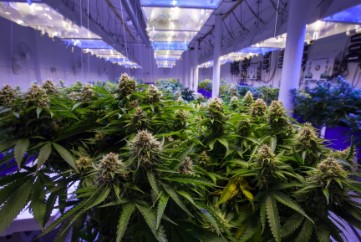
Optimal Climate Settings:
- Temperature:
- Vegetative stage: 70–80°F (21–27°C)
- Flowering stage: 65–75°F (18–24°C)
- Night temperature: Maintain 5–10°F lower than daytime temperatures to prevent stress.
- Humidity Levels:
- Seedling stage: 65–70% RH (Relative Humidity)
- Vegetative stage: 50–60% RH
- Flowering stage: 40–50% RH
- Late flowering (final 2 weeks): 30–40% RH to enhance resin production and prevent mold.
- Air Circulation:
- Fans and carbon filters should be used to ensure adequate airflow and prevent powdery mildew and botrytis (bud rot).
- CO₂ Enrichment: Increasing CO₂ levels to 800–1200 PPM during the vegetative and early flowering stages enhances photosynthesis and promotes larger yields.
2. Cultivation Medium and Nutrient Management
Sour Kush can be grown in soil, hydroponic, or aeroponic systems. Each method has its advantages.
Soil Cultivation:
- pH Level: Maintain between 6.0 – 6.8 for optimal nutrient absorption.
- Organic Matter: Use composted super soil rich in nitrogen, phosphorus, potassium (NPK), and trace minerals.
- Microbial Life: Mycorrhizal fungi and beneficial bacteria (such as Bacillus subtilis) improve root health and nutrient uptake.
Hydroponics (Advanced Method)
- pH Level: Slightly lower than soil, at 5.5 – 6.0.
- Nutrient Delivery: Utilize a Deep Water Culture (DWC) or Nutrient Film Technique (NFT) system for maximum nutrient absorption.
- EC (Electrical Conductivity) Levels:
- Vegetative stage: 1.2–1.6 mS/cm
- Flowering stage: 1.8–2.2 mS/cm
- Oxygenation: Roots should be oxygenated using an air pump and air stones to prevent root rot.
Aeroponic System (High-Tech Approach)
- Water droplets misted directly onto roots ensure high oxygen levels.
- Requires precise nutrient delivery (same EC and pH requirements as hydroponics).
- Faster growth rates compared to soil and hydroponic methods.
3. Light Requirements and Photoperiod Control
Light Spectrum and Duration:
- Vegetative Stage:
- Light Cycle: 18–24 hours of light per day
- Best Spectrum: Blue (400–500 nm) light for compact growth
- Ideal PPFD (Photosynthetic Photon Flux Density): 300–600 µmol/m²/s
- Flowering Stage:
- Light Cycle: 12 hours light / 12 hours darkness
- Best Spectrum: Red (600–700 nm) and far-red (700–750 nm) for resin and flower development
- Ideal PPFD: 800–1000 µmol/m²/s
- Lighting Systems Recommended:
- LED Grow Lights (Samsung LM301H, LM301B chips) for efficiency and heat control
- HPS (High-Pressure Sodium) Lamps for flowering stage (but produce more heat)
- Far-Red Initiation (730 nm): Used to trigger phytochrome response, accelerating flowering and increasing yield.
4. Training Techniques for Maximum Yield
Sour Kush produces dense, resinous buds, so training techniques optimize light exposure and bud development.
Low-Stress Training (LST)
- To produce a more uniform canopy, bend and secure Sour Kush branches.
- Improves light penetration and increases the number of bud sites.
Screen of Green (ScrOG)
- A horizontal net is used to spread out branches evenly.
- Encourages more bud production and prevents light waste.
Super Cropping (High-Stress Training)
- Pinching and bending stems of Sour Kush to induce stress response.
- Enhances resin and trichome production, leading to higher THC levels.
Defoliation and Pruning
- Removing excess fan leaves to improve airflow and prevent mold.
- Lollipopping: Trimming lower growth to focus energy on top colas.
5. Flowering, Harvesting, and Curing Techniques
Flowering Phase and THC Enhancement
- Duration: 8–10 weeks
- Pre-Harvest Flushing: Use pH-balanced pure water for 10–14 days before harvest to remove excess nutrients.
Harvesting Indicators:
- Trichomes: Cloudy with 30% amber color (observed using a microscope) for peak THC levels.
- Pistils: 70–80% darkened and curled inward.
Curing Process (Enhancing Potency and Flavor)
- Initial Drying: Hang buds upside-down in a dark, cool room (60–65°F, 45–55% RH) for 7–10 days.
- Curing: Store in glass jars, burping them daily for 2 weeks to allow terpenes and cannabinoids to develop fully.
6. Common Cultivation Challenges & Scientific Solutions
| Challenge | Cause | Solution |
|---|---|---|
| Powdery Mildew | High humidity, poor airflow | Reduce RH, improve ventilation, use neem oil |
| Bud Rot (Botrytis) | Excess moisture inside buds | Lower humidity, prune excess foliage |
| Nutrient Burn | Overfeeding nutrients | Flush soil with pH-balanced water |
| Pest Infestation | Spider mites, aphids | Introduce predatory insects (ladybugs), use neem oil |
| Light Burn | Excessive PPFD exposure | Raise light distance, adjust intensity |
7. Final Scientific Summary
- Hydroponic and aeroponic systems yield higher THC content due to controlled feeding.
- CO₂ supplementation (800–1200 PPM) increases bud density.
- LED lighting with full spectrum control ensures efficient growth and resin production.
- Defoliation and training techniques improve bud size and airflow.
- Extended curing (4+ weeks) enhances flavor, smoothness, and overall potency.
Methods of Ingestion, Onset, and Duration of Sour Kush
The method of ingestion of Sour Kush significantly influences the onset, duration, and intensity of effects of Sour Kush. Below is a comprehensive scientific analysis of various ingestion methods, including their pharmacokinetics, bioavailability, and metabolism.
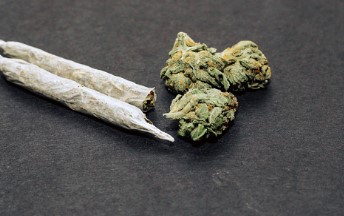
1. Inhalation (Smoking & Vaporization)
Mechanism of Absorption
- THC & other cannabinoids enter the lungs → quickly absorbed into the alveoli → directly into the bloodstream → crosses the blood-brain barrier (BBB) → psychoactive effects occur.
- This method provides the fastest onset and highest bioavailability due to direct systemic absorption.
Onset and Duration
| Factor | Timeframe |
|---|---|
| Onset of Effects | 2–10 minutes |
| Peak Effects | 30–60 minutes |
| Duration | 2–4 hours |
| Half-Life | 1.5–4 hours |
Bioavailability
- Smoking: 15–35% (THC absorption varies based on inhalation depth, puff duration, and combustion temperature).
- Vaporization: 45–60% (higher efficiency as THC is released without combustion byproducts).
Vaporization vs. Smoking
| Method | Pros | Cons |
|---|---|---|
| Smoking (Joint, Pipe, Bong) | Rapid onset, full-spectrum experience | Produces harmful combustion byproducts |
| Vaporization | Higher bioavailability, reduced lung irritation, cleaner taste | Requires a vaporizer |
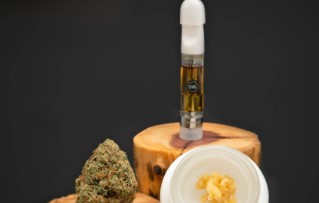
2. Oral Ingestion (Edibles, Capsules, Tinctures)
Mechanism of Absorption
- Cannabinoids enter the digestive system → metabolized by liver enzymes (CYP450) → converted into 11-hydroxy-THC (11-OH-THC), which is 4–5 times more potent than Δ9-THC → crosses BBB → longer, stronger effects.
- Delayed onset but prolonged duration due to first-pass metabolism.
Onset and Duration
| Factor | Timeframe |
|---|---|
| Onset of Effects | 30–90 minutes (can take up to 2 hours) |
| Peak Effects | 2–4 hours |
| Duration | 6–12 hours |
| Half-Life | 3–8 hours (longer for high doses) |
Bioavailability
- Oral Consumption: 4–20% (lower due to first-pass metabolism).
- Sublingual Tinctures: 35–40% (absorbed directly through oral mucosa, bypassing first-pass metabolism).
Types of Oral Consumption
| Method | Pros | Cons |
|---|---|---|
| Edibles (Gummies, Brownies, Beverages) | Longer-lasting effects, more potent metabolite (11-OH-THC) | Slow onset, risk of overconsumption |
| Capsules & Pills | Precise dosing, medical-friendly | Delayed onset, lower bioavailability |
| Tinctures (Sublingual Use) | Fast onset (15–45 min), higher bioavailability than edibles | Alcohol-based tinctures may irritate the mouth |
3. Sublingual Administration (Tinctures, Sprays, Dissolvable Strips)
Mechanism of Absorption
- Cannabinoids are absorbed through the mucosal membranes under the tongue → bypass first-pass metabolism → rapid absorption into bloodstream.
- Onset is faster than edibles but slower than inhalation.
Onset and Duration
| Factor | Timeframe |
|---|---|
| Onset of Effects | 15–45 minutes |
| Peak Effects | 1–2 hours |
| Duration | 4–6 hours |
| Half-Life | 2–5 hours |
Bioavailability
- Sublingual: 35–40% (higher than edibles, lower than vaporization).
- Oral sprays: 40–50% (rapid absorption with moderate duration).
4. Topical and Transdermal Application
Mechanism of Absorption
- Topicals (Creams, Lotions, Balms): Cannabinoids penetrate the epidermis and dermis → interact with local CB2 receptors → no systemic effects (non-psychoactive).
- Transdermal Patches: THC is lipophilic, allowing it to slowly penetrate the bloodstream over time → produces long-lasting systemic effects.
Onset and Duration
| Application | Onset | Duration |
|---|---|---|
| Topicals (Localized Effect) | 30–60 min | 4–6 hours |
| Transdermal Patches (Systemic Effect) | 1–2 hours | 8–24 hours |
Bioavailability
- Topical: Low bioavailability (minimal systemic absorption).
- Transdermal: 30–50% (higher due to steady absorption).
Use Cases
| Method | Best For |
|---|---|
| Topical Creams & Balms | Localized pain, arthritis, inflammation |
| Transdermal Patches | Extended-release pain relief, medical use |
5. Rectal and Nasal Administration (Rare but Highly Bioavailable)
Mechanism of Absorption
- Rectal Suppositories: THC and CBD are absorbed directly into the bloodstream via rectal mucosa → bypass first-pass metabolism → high bioavailability.
- Nasal Sprays: Cannabinoids are absorbed through nasal mucosa, offering rapid onset and higher bioavailability.
Onset and Duration
| Method | Onset | Duration |
|---|---|---|
| Rectal Suppositories | 15–30 min | 6–8 hours |
| Nasal Sprays | 5–10 min | 2–4 hours |
Bioavailability
- Rectal: 50–70% (higher than oral but less than vaporization).
- Nasal: 40–60% (comparable to sublingual absorption).
Use Cases
| Method | Best For |
|---|---|
| Rectal Suppositories | Patients unable to ingest orally (cancer, severe nausea) |
| Nasal Sprays | Rapid relief from migraines or seizures |
Final Comparison: Ingestion Methods & Effects
| Method | Onset Time | Peak | Duration | Bioavailability | Best Use Case |
|---|---|---|---|---|---|
| Smoking/Vaporization | 2–10 min | 30–60 min | 2–4 hours | 15–60% | Quick effects, recreational use |
| Edibles (Oral Consumption) | 30–90 min | 2–4 hours | 6–12 hours | 4–20% | Long-lasting pain relief, sleep aid |
| Sublingual (Tinctures/Sprays) | 15–45 min | 1–2 hours | 4–6 hours | 35–50% | Fast-acting medical use |
| Topical (Creams/Balms) | 30–60 min | Local Only | 4–6 hours | Low | Arthritis, skin conditions |
| Transdermal Patches | 1–2 hours | 4–6 hours | 8–24 hours | 30–50% | Extended pain relief |
| Rectal Suppositories | 15–30 min | 1–3 hours | 6–8 hours | 50–70% | Medical use for severe cases |
Potential Side Effects and Considerations
- Dry Mouth and Eyes: Common with THC-rich strains; hydration is recommended.
- Dizziness & Paranoia: May occur at higher doses, especially for novice users.
- Couch-lock: Can be intense at higher doses, leading to deep relaxation or sedation.
- Increased Heart Rate: Those with heart conditions should use with caution.
Conclusion
Sour Kush is a versatile hybrid strain that combines the energizing, cerebral effects of Sour Diesel with the relaxing, full-body high of OG Kush. Its balanced properties make it ideal for both medical and recreational use, offering alleviation of pain, reduction of tension, improvement of mood, and stimulation of hunger.
With a potent cannabinoid profile, diverse terpene composition, and well-rounded effects, Sour Kush is an excellent choice for cannabis users looking for both relaxation and euphoria. Whether used for medical treatment or recreational enjoyment, Sour Kush continues to be a top choice among cannabis enthusiasts and patients alike.
Final Thoughts:
- Best for users seeking pain relief, stress reduction, and mood enhancement.
- Ideal for evening or nighttime use due to its relaxing effects.
- Cultivation requires moderate experience but rewards growers with high resin production.
For a complete directory of cultivars, visit our Cannabis Strain Reviews.
