Table of Contents
Sour Jack is a sativa-dominant hybrid cannabis strain renowned for its invigorating and euphoric effects, making it a popular choice among cannabis enthusiasts seeking an energizing experience. Combining the genetics of two legendary strains—Sour Diesel and Jack Herer—Sour Jack offers a well-rounded profile that encompasses uplifting cerebral effects, a rich flavor palette, and potential medical benefits. This detailed exploration of Sour Jack will cover its genetic lineage, chemical composition, effects, medical applications, recreational uses, and the scientific principles underlying its impact on the human body.
Genetics and Lineage
Sour Jack is a product of crossbreeding Sour Diesel, a renowned sativa-dominant strain known for its pungent aroma and cerebral stimulation, with Jack Herer, a classic sativa celebrated for its clear-headed and creative effects. This blend results in a sativa-dominant hybrid (typically around 70% sativa and 30% indica) that combines both parent strains’ greatest traits. Sour Diesel contributes to its energizing and sour aromatic properties, while Jack Herer enhances its euphoric and uplifting effects.
The combination of these iconic strains gives Sour Jack a unique genetic profile that appeals to both medical and recreational users. It has inherited the ability to provide a cerebral high that enhances focus and creativity, alongside subtle relaxing undertones that prevent overstimulation.
Appearance, Aroma, and Flavor
Sour Jack is visually striking, with buds that are bright lime green and covered in a dense layer of frosty trichomes. The orange pistils add a vibrant contrast, giving the strain an appealing aesthetic. The buds are typically dense, sticky, and well-formed, showcasing the quality of its cultivation.
Aroma
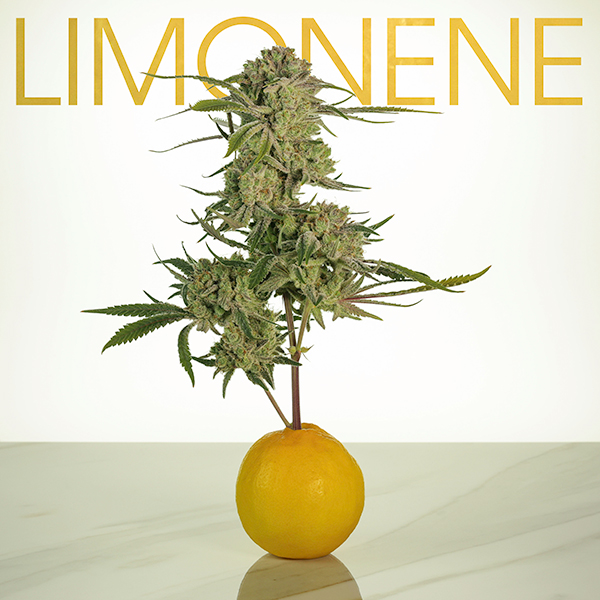
The aromatic profile of Sour Jack is complex and multi-layered. It combines the pungent, fuel-like scent of Sour Diesel with the earthy, piney notes of Jack Herer. There are also hints of sweet citrus and tropical fruits, which contribute to its overall appeal. When broken apart or combusted, Sour Jack releases a strong, tangy aroma that fills the room with its distinctive scent.
Flavor
The flavor of Sour Jack mirrors its aroma, with a dominant tangy and sour profile reminiscent of lemon or lime. On the exhale, users often notice sweeter undertones with subtle hints of tropical fruit and earthy spices. The combination of sour and sweet flavors makes Sour Jack a delight for cannabis connoisseurs who enjoy a robust taste experience.
Cannabinoid Profile
Sour Jack is known for its potent psychoactive effects, thanks to its high THC content, which typically ranges between 18% and 22%. This high THC concentration contributes to its strong cerebral stimulation and mood-enhancing properties.
- THC: 18-22%, responsible for its psychoactive effects.
- CBD: Less than 1%, providing minimal direct therapeutic effects but potentially modulating the psychoactivity of THC.
- CBN: Present in trace amounts (around 0.56%), which may contribute to relaxation and sedation.
The low levels of CBD in Sour Jack mean that it is not the best strain for those seeking relief from severe inflammation or seizures. However, its balanced cannabinoid profile still offers therapeutic potential for mood disorders, chronic fatigue, and mild pain relief.
Terpene Profile
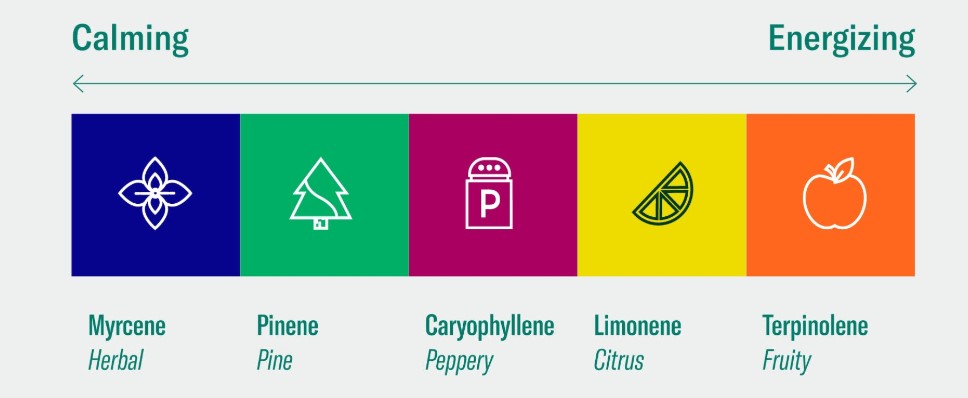
The unique aroma and flavor of Sour Jack are a direct result of its rich terpene composition. The terpenes present in Sour Jack not only contribute to its sensory characteristics but also contribute to the entourage effect, which is one of its medicinal properties.
- Limonene:
Found in high concentrations, limonene gives Sour Jack its citrusy aroma and flavor. This terpene is linked to stress reduction and mood enhancement. - Caryophyllene:
Known for its spicy and peppery notes, caryophyllene also has potential anti-inflammatory and analgesic properties. - Valencene:
This terpene contributes to the sweet citrus flavor and is known for its anti-inflammatory and insect-repellent properties. - Myrcene:
Although present in smaller amounts, myrcene adds a subtle herbal undertone and enhances the sedative effects of the strain.
Effects
Sour Jack is celebrated for its fast-acting and uplifting effects, making it an excellent choice for those seeking an energizing and productive high. It delivers a cerebral rush that enhances focus, creativity, and social engagement. The strain’s effects can be categorized as follows:
- Cerebral Stimulation:
The high begins with a surge of mental energy, characterized by heightened focus, euphoria, and an enhanced sense of creativity. This makes Sour Jack a favorite among artists, writers, and professionals who require creative inspiration. - Mood Enhancement:
Sour Jack is highly effective in combating stress, anxiety, and depression, thanks to its uplifting and euphoric properties. Users often report feeling more optimistic and motivated after consumption. - Physical Relaxation:
Although predominantly sativa, Sour Jack has subtle indica undertones that provide a mild body relaxation. This prevents the cerebral high from becoming overwhelming, ensuring a balanced experience. - Energy Boost:
Ideal for daytime use, Sour Jack provides an energy boost without the jittery side effects associated with caffeine or stimulants.
Medical Applications
Sour Jack offers a range of potential therapeutic benefits, making it a versatile strain for medical cannabis patients. Its effects address several physical and psychological conditions, including:

- Mental Health Disorders:
- Depression: Sour Jack’s uplifting and mood-enhancing effects can provide relief from depressive symptoms, promoting feelings of happiness and motivation.
- Anxiety: Its ability to induce a calming yet focused state helps alleviate mild anxiety without causing sedation.
- Stress: The euphoric high helps users unwind and escape the burdens of daily stressors.
- Fatigue:
The energizing properties of Sour Jack make it an excellent choice for combating chronic fatigue or lethargy. - Pain Management:
While not as potent for pain relief as indica-dominant strains, Sour Jack’s anti-inflammatory properties can help with mild aches, headaches, and muscle soreness. - ADHD/ADD:
The focus-enhancing effects of Sour Jack may assist individuals with attention disorders in maintaining concentration and clarity. - Appetite Stimulation:
Like many strains with a high THC content, Sour Jack can help stimulate appetite, making it useful for patients undergoing treatments that suppress hunger, such as chemotherapy.
Recreational Uses
Recreational users often turn to Sour Jack for its energizing and sociable effects. Whether attending a party, engaging in creative hobbies, or tackling a busy day, this strain is versatile and enjoyable. Its recreational applications include:
- Social Situations: The uplifting and euphoric effects make Sour Jack an excellent strain for social meetings, since it promotes laughter and conversation.
- Creative Pursuits: Artists, writers, and musicians often find inspiration and focus with Sour Jack, making It is a popular strain for artistic pursuits.
- Outdoor Activities: The energy boost provided by Sour Jack makes it suitable for outdoor activities like hiking, cycling, or exploring nature.
- Daytime Productivity: Unlike heavy indicas, Sour Jack won’t leave users feeling sluggish, making it ideal for staying productive during the day.
Scientific Principles Behind Sour Jack’s Effects
The effects of Sour Jack can be explained by its interaction with the endocannabinoid system (ECS), a complex cell-signaling system in the human body that regulates functions like mood, appetite, and pain sensation. The primary components of Sour Jack—THC, terpenes, and minor cannabinoids—engage with the ECS in the following ways:
- THC and CB1 Receptors:
When THC attaches itself to the brain’s CB1 receptors, neurotransmitters such as dopamine. This interaction is responsible for the euphoric and mood-enhancing effects of Sour Jack. - Terpene Modulation:
Terpenes like limonene and caryophyllene interact with cannabinoid receptors and influence the overall experience by boosting or adjusting THC’s effects. - Entourage Effect:
The combined action of cannabinoids and terpenes creates a synergistic effect, amplifying the therapeutic potential of the strain.
Potential Side Effects
While Sour Jack is generally well-tolerated, some users may experience side effects, particularly if consumed in large quantities. Common side effects include:
- Dry Mouth and Eyes: Hydration and the use of lubricating eye drops can alleviate these symptoms.
- Paranoia or Anxiety: Those sensitive to THC may experience heightened anxiety or paranoia, particularly if they overconsume.
- Dizziness: This is more common in novice users or those with a low tolerance for THC.
Sour Jack Cultivation
Cultivating Sour Jack requires a nuanced understanding of plant biology, environmental control, and nutrient management to achieve optimal yields and maintain the strain’s genetic integrity. The following sections provide a detailed look at the scientific principles underlying its cultivation, along with best practices.
Genetic Overview and Growth Characteristics
Sour Jack is a sativa-dominant hybrid, which influences its growth patterns:
- Plant Structure: Sour Jack plants tend to grow tall and lanky, a characteristic inherited from their sativa lineage. They produce long, thin leaves and elongated buds.
- Flowering Time: This strain has a relatively moderate flowering period of 9-10 weeks indoors and can be harvested outdoors in mid to late October, depending on local climate conditions.
- Yield Potential: Sour Jack offers medium to high yields when grown under optimal conditions. Indoor setups can yield 14-16 ounces per square meter, while outdoor plants may produce 16-18 ounces per plant.
Sour Jack’s Methods of Ingestion, Onset, Duration, and Effects
The method of cannabis ingestion significantly impacts the onset, duration, and intensity of its effects. Sour Jack, with its sativa-dominant profile and high THC content, offers a variety of experiences depending on how it is consumed. Below is a comprehensive scientific analysis of the different methods of ingestion for Sour Jack, including their pharmacokinetics, physiological effects, and duration.
1. Smoking
Methodology
Smoking involves combusting Sour Jack flower and inhaling the resulting smoke. This is one of the most common methods of cannabis consumption.
Onset
- Onset occurs within 1-5 minutes of inhalation.
- THC and other cannabinoids are absorbed quickly through the alveoli in the lungs, entering the bloodstream and crossing the blood-brain barrier.
Duration
- Peak effects are felt within 10-20 minutes.
- The overall duration of effects lasts 1.5 to 3 hours.
Effects
- Cerebral High: Rapid onset of euphoria, mental clarity, and focus, attributed to high THC content.
- Energy Boost: The quick delivery of cannabinoids makes Sour Jack ideal for immediate energy and creative inspiration.
- Mild Relaxation: Subtle body effects may emerge after the initial cerebral stimulation.
Pros and Cons
- Pros: Quick onset, precise dosing, social appeal.
- Cons: Potential respiratory irritation due to smoke inhalation.
2. Vaporization
Methodology
By heating Sour Jack flower or concentrates to a temperature that releases terpenes and cannabinoids, vaporization as vapor without combustion (typically 315-430°F or 157-220°C).
Onset
- Similar to smoking, effects begin within 1-5 minutes.
- Vaporization delivers cannabinoids efficiently, with reduced exposure to harmful byproducts of combustion.
Duration
- Effects last slightly longer than smoking, around 2-4 hours.
- The peak occurs within 15-30 minutes.
Effects
- Enhanced Flavor: The preservation of terpenes provides a richer flavor profile compared to smoking.
- Balanced High: Provides the cerebral and mood-enhancing effects of Sour Jack with a smoother intake experience.
Pros and Cons
- Pros: Healthier alternative to smoking, full terpene profile, and efficient cannabinoid delivery.
- Cons: Requires a vaporizer, upfront cost of equipment.
3. Edibles
Methodology
Edibles are cannabis-infused food or beverages. Sour Jack is decarboxylated (heated to activate THC) before being infused into butter, oil, or tinctures.
Onset
- Effects begin 30-90 minutes after ingestion.
- Absorption occurs in the gastrointestinal tract and liver, where THC is metabolized into 11-hydroxy-THC, a more potent psychoactive compound.
Duration
- Effects last 4-8 hours, with a peak between 2-4 hours.
- The extended duration makes edibles a preferred choice for long-lasting relief or recreation.
Effects
- Body and Mind Effects: A more intense and full-bodied experience due to the potency of 11-hydroxy-THC.
- Delayed Onset: Users may experience gradual increases in euphoria, focus, and relaxation.
- Risk of Overconsumption: Due to delayed effects, users may consume more than intended, leading to stronger-than-desired effects.
Pros and Cons
- Pros: Long-lasting effects, discreet consumption, no respiratory risks.
- Cons: Delayed onset, potential for overconsumption, difficult dosing.
4. Sublingual Tinctures
Methodology
Sublingual tinctures involve placing drops of Sour Jack-infused oil or alcohol under the tongue for direct absorption into the bloodstream.
Onset
- Effects begin within 15-45 minutes.
- Cannabinoids are absorbed through the mucous membranes in the mouth, bypassing the gastrointestinal tract and first-pass metabolism.
Duration
- Effects last 2-6 hours.
- While slower than smoking or vaping, onset is quicker than edibles.
Effects
- Balanced High: Provides a mild cerebral buzz with potential for enhanced relaxation.
- Targeted Relief: Ideal for medical users seeking controlled dosing and rapid relief without inhalation.
Pros and Cons
- Pros: Faster onset than edibles, easy dosing, discreet.
- Cons: Taste may be unpleasant, shorter duration compared to edibles.
5. Topicals
Methodology
Topical products include creams, balms, and transdermal patches infused with Sour Jack cannabinoids. These are put on the skin immediately.
Onset
- Effects begin within 15-30 minutes for localized relief.
- Transdermal patches may take longer but offer systemic absorption of cannabinoids.
Duration
- Effects last 4-8 hours, depending on the product and method of application.
Effects
- Localized Relief: Non-psychoactive when applied topically, providing relief for muscle soreness, joint pain, and inflammation.
- Psychoactive Potential: Transdermal patches containing THC can deliver psychoactive effects if cannabinoids penetrate the bloodstream.
Pros and Cons
- Pros: Targeted relief, non-invasive, non-psychoactive.
- Cons: Limited to localized treatment unless using transdermal patches.
6. Dabbing (Concentrates)
Methodology
Dabbing involves vaporizing a concentrated form of Sour Jack (e.g., shatter, wax, or live resin) using a specialized rig.
Onset
- Immediate effects within seconds to 1 minute.
- The high potency of concentrates ensures rapid delivery of THC and terpenes.
Duration
- Effects last 2-4 hours, with a sharp peak around 15-30 minutes post-consumption.
Effects
- Intense High: A potent cerebral buzz accompanied by heightened euphoria and creativity.
- Terpene-Rich Experience: Concentrates preserve the terpenes, enhancing flavor and aroma.
Pros and Cons
- Pros: High potency, quick onset, rich flavor.
- Cons: Requires specialized equipment, not suitable for novice users.
Pharmacokinetics of Cannabinoids in Sour Jack
- Absorption:
- Inhalation (smoking/vaping) offers rapid absorption via the lungs, while oral ingestion (edibles) relies on slower gastrointestinal absorption.
- Metabolism:
- THC undergoes first-pass metabolism in the liver when ingested, converting into 11-hydroxy-THC, which is more psychoactive and leads to prolonged effects.
- Distribution:
- Cannabinoids bind to fat tissues and are distributed throughout the body. Peak plasma concentrations are reached faster with inhalation than oral ingestion.
- Excretion:
- THC metabolites are primarily excreted through feces and urine, with a half-life of 20-30 hours for occasional users.
Factors Influencing Effects
- Tolerance: Frequent Sour Jack users may require higher doses to achieve desired effects.
- Body Weight and Metabolism: Individuals with slower metabolism or higher body fat may experience delayed onset and prolonged effects.
- Environment: A calm and comfortable setting can enhance positive effects, while stressful surroundings may heighten anxiety or paranoia.
- Dose: Low to moderate doses of Sour Jack provide uplifting and creative effects, while higher doses may induce overstimulation or mild sedation.
Environmental Requirements
Temperature and Humidity
Sour Jack thrives in a Mediterranean-like climate with the following conditions:
- Temperature: Ideal daytime temperatures range from 70-85°F (21-29°C). During the flowering stage, slightly cooler temperatures (65-75°F or 18-24°C) can enhance resin production and terpene profiles.
- Humidity: During the vegetative phase, a relative humidity (RH) of 50-60% is ideal. Lower the RH to 40-50% during flowering to reduce the risk of mold and mildew, particularly because Sour Jack’s dense buds are susceptible to these issues.
Lighting
Sour Jack benefits from high-intensity lighting, particularly during the flowering phase. Full-spectrum grow lights that simulate natural sunlight are recommended:
- Vegetative Stage: Light for 18–24 hours a day.
- Flowering Stage: A 12-hour light/12-hour dark photoperiod triggers flowering.
Air Circulation and Ventilation
Good airflow is essential to prevent mold and pest infestations. Install oscillating fans to ensure even air distribution and an exhaust system to regulate heat and humidity.
Soil vs. Hydroponics
Sour Jack can be grown successfully in both soil and hydroponic systems, with each method offering distinct advantages:
- Soil: Provides a natural medium that enhances the strain’s terpene profile. Use nutrient-rich organic soil with a pH of 6.0-6.5 for optimal growth.
- Hydroponics: Promotes faster growth and higher yields due to the direct delivery of nutrients to the roots. Maintain a pH of 5.5-6.0 and monitor the nutrient solution regularly.
Nutrient Requirements
Sour Jack requires a balanced nutrient regimen tailored to each stage of growth:
Macronutrients
- Nitrogen (N): Crucial during the vegetative stage for leafy growth. Decrease nitrogen levels during the flowering stage to encourage bud development.
- Phosphorus (P): Needed in higher quantities during flowering to support bud formation and resin production.
- Potassium (K): Important throughout the plant’s lifecycle for overall health and stress tolerance.
Micronutrients
- Calcium (Ca): Supports cell wall structure and nutrient uptake.
- Magnesium (Mg): Vital for photosynthesis and the creation of chlorophyll.
- Sulfur (S): Contributes to terpene synthesis, enhancing the strain’s aroma and flavor.
Feeding Schedule
- Vegetative Stage: Use a nitrogen-rich fertilizer (e.g., 3-1-2 NPK ratio).
- Flowering Stage: Transition to a phosphorus- and potassium-heavy formula (e.g., 1-3-2 or 0-10-10 NPK ratio).
Organic Options
For growers seeking an organic approach, compost teas, bat guano, kelp meal, and fish emulsion are excellent choices. These not only provide nutrients but also enhance soil microbial activity, promoting healthier plants.
Training Techniques
Given Sour Jack’s tall and lanky growth pattern, implementing training techniques can improve light penetration and maximize yields:
- Topping: Removing the main stem’s tip encourages lateral growth, creating a bushier plant with more colas.
- Low-Stress Training (LST): Bending and securing branches to spread the canopy evenly improves light distribution.
- Screen of Green (ScrOG): Using a screen to train plants horizontally can increase yields by maximizing each bud site’s exposure to light.
Pest and Disease Management
Sour Jack is moderately resistant to pests and diseases, but preventive measures are essential to avoid potential issues:
Common Pests
- Spider Mites: Thrive in hot, dry conditions. Regularly inspect leaves for tiny webs and use insecticidal soaps or neem oil for control.
- Aphids: Feed on plant sap, weakening growth. Use organic insecticides or introduce helpful insects like ladybugs.
- Fungus Gnats: Often a problem in overwatered soil. Use sticky traps and allow the topsoil to dry out between waterings.
Disease Risks
- Powdery Mildew: Favored by high humidity. Prevent by maintaining proper airflow and using organic fungicides if necessary.
- Bud Rot (Botrytis): Caused by poor ventilation and excessive humidity. Inspect buds regularly and remove any infected areas immediately.
Harvesting and Post-Harvest Processing
Harvest Timing Harvesting Sour Jack at the right time is critical to preserve its cannabinoid and terpene profiles. Examine the trichomes using a microscope or magnifying glass:
- Clear Trichomes: Immature; wait longer.
- Milky Trichomes: Peak potency for an energetic and uplifting high.
- Amber Trichomes: More sedative effects, indicating over-maturation.
Drying and Curing
- Drying: Buds should be hung in a dark, well-ventilated space that is between 60 and 70°F (15 and 21°C) and has a relative humidity of 50 and 60%. Usually, this process takes seven to ten days.
- Curing: Place dried buds in airtight glass jars, opening them daily to release moisture (burping) for the first two weeks. Curing for 4-6 weeks enhances flavor, aroma, and potency.
Scientific Factors Impacting Sour Jack’s Quality
- Terpene Preservation
Terpenes are volatile compounds that degrade under high heat and light exposure. Maintaining optimal environmental conditions during drying and curing is essential to preserve Sour Jack’s signature aroma and flavor. - Cannabinoid Development
THC levels peak during the late flowering stage, so timing the harvest carefully is crucial to maximize potency. - Genetic Stability
Using high-quality, stable seeds or clones ensures consistent growth patterns and cannabinoid profiles, reducing the risk of hermaphroditism or other genetic anomalies.
Sour Jack is a remarkable sativa-dominant hybrid that combines the best traits of Sour Diesel and Jack Herer. Its invigorating effects, coupled with a rich aroma and flavor profile, make it a preferred by both medical patients and recreational users. With its ability to uplift mood, enhance focus, and provide a gentle body relaxation, Sour Jack is a versatile strain that fits a variety of needs. Whether you’re seeking creative inspiration, relief from stress, or simply an enjoyable daytime strain, Sour Jack delivers a well-rounded experience that lives up to its legendary lineage.
For a complete directory of cultivars, visit our Cannabis Strain Reviews.
