Table of Contents
Sour Girl is a balanced hybrid cannabis strain derived from crossing two legendary strains: Sour Diesel and Girl Scout Cookies. This combination brings together Sour Diesel’s energizing, pungent characteristics and the sweet, relaxing attributes of Girl Scout Cookies. It is celebrated for its diverse effects, appealing to both medical and recreational users.
Scientific Classification and Genetics
- Parent Strains:
- Sour Diesel: Known for its pungent diesel aroma and uplifting effects.
- Girl Scout Cookies: Famous for its sweet, earthy aroma and euphoric properties.
- Hybrid Composition: Typically a balanced 50% sativa and 50% indica, although variations exist depending on cultivation practices.
- Cannabinoid Profile:
- THC: 15% – 17% (moderate potency suitable for intermediate users).
- CBD: 0.07% – 0.31% (minimal psychoactive dampening but contributes to therapeutic benefits).
- Minor Cannabinoids:
- Cannabigerol (CBG): 0.06% – 0.23% (anti-inflammatory and neuroprotective properties).
- Cannabichromene (CBC): 0.29% – 0.30% (known for potential antidepressant effects).
- Cannabinol (CBN): 0.25% – 0.44% (mildly sedative and aids sleep).
- Terpene Profile:
- Dominant Terpenes:
- Caryophyllene: Provides a spicy, peppery aroma and has potential anti-inflammatory properties.
- Limonene: Offers citrus notes and mood-enhancing effects.
- Humulene: Contributes a subtle earthy aroma and may suppress appetite.
- Dominant Terpenes:
Chemical Breakdown
- Flavonoids: Contribute to the strain’s color and flavor profile. Sour Girl has high levels of anthocyanins (responsible for its slight purple undertones) and kaempferol (an antioxidant with neuroprotective properties).
- Aromatic Esters: Responsible for the sweet and sour undertones, enhancing its appeal to consumers.
These chemical properties influence the strain’s effects and flavors, making it a favorite for both therapeutic and sensory experiences.
Medical Applications
Sour Girl’s balanced cannabinoid and terpene profiles make it an effective option for a variety of medical conditions. Below are its most common therapeutic uses:
- Pain Management:
- Effective for chronic pain conditions such as arthritis, migraines, and fibromyalgia due to its moderate THC content and caryophyllene dominance.
- Mood Disorders:
- The uplifting and euphoric effects can alleviate symptoms of depression, anxiety, and bipolar disorder. Limonene and CBC contribute to this therapeutic potential.
- Stress Reduction:
- Sour Girl’s relaxing properties, derived from its indica lineage, help reduce stress and promote mental clarity.
- PTSD and Trauma:
- The dual action of physical relaxation and mental stimulation offers relief for PTSD symptoms, including hypervigilance and anxiety.
- Appetite Stimulation:
- Aids in the fight against anorexia nervosa and cancer treatments that cause appetite loss.
- Nausea and Vomiting:
- Its antiemetic properties make it useful for patients undergoing chemotherapy or experiencing gastrointestinal distress.
- Neurological Benefits:
- Emerging research suggests that strains like Sour Girl, with CBG and CBD traces, may protect against neurodegeneration.
Recreational Uses
- Energetic Creativity:
- The sativa effects stimulate creativity, making it a favorite among artists, writers, and musicians.
- Social Engagement:
- Users often report heightened sociability, making it ideal for gatherings or conversations.
- Balanced High:
- Combines an uplifting head high with a relaxing body buzz, suitable for daytime or evening use.
- Flavorful Consumption:
- Recreational users enjoy its unique flavor profile of sour diesel with sweet herbal undertones.
Sour Girl Cannabis Strain Cultivation
Cultivating Sour Girl requires a blend of fundamental horticultural knowledge and strain-specific considerations to maximize yield and quality. As a hybrid strain, it combines the cultivation traits of its parent strains, Sour Diesel and Girl Scout Cookies, offering moderate adaptability for growers in various environments.

Optimal Growing Conditions
- Climate:
- Sour Girl thrives in warm, Mediterranean-like climates with consistent sunlight and moderate humidity levels.
- The optimal temperature range for outdoor use is 70°F to 85°F (21°C to 29°C).
- The strain is resilient to mild fluctuations in environmental conditions but is sensitive to extreme cold or heat.
- Indoor vs. Outdoor Cultivation:
- Indoor Cultivation:
- Suitable for controlled environments where temperature, humidity, and light exposure can be precisely managed.
- Requires adequate space for the plant’s medium-to-tall growth habit.
- Outdoor Cultivation:
- Best suited for regions with warm weather and long growing seasons.
- Requires protection from pests and weather extremes (e.g., heavy rain, frost).
- Indoor Cultivation:
- Soil and Growing Medium:
- Sour Girl can be grown in traditional soil, hydroponic systems, or coco coir.
- Soil Cultivation:
- High-quality soil with a balanced mix of nutrients is ideal.
- pH range: 6.0–6.5.
- Hydroponics:
- Offers accelerated growth and higher yields due to optimal nutrient delivery.
- pH range: 5.5–6.0.
Nutritional Requirements
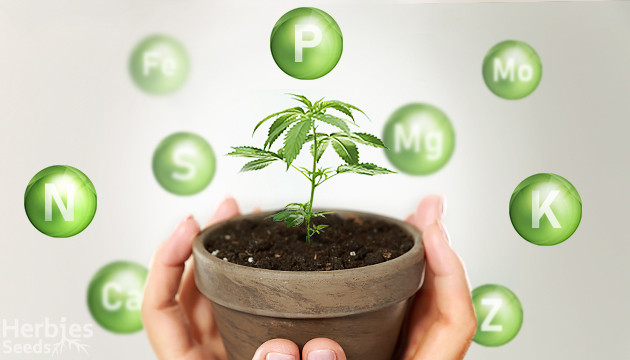
- Macronutrients:
- Nitrogen (N): Essential during the vegetative stage to promote vigorous foliage growth.
- Phosphorus (P): Essential for the growth of roots and flowers.
- Potassium (K): Supports overall plant health, improves disease resistance, and enhances bud density.
- Micronutrients:
- Zinc (Zn), Magnesium (Mg), Calcium (Ca), and Iron (Fe) play vital roles in enzymatic reactions and chlorophyll production.
- Feeding Schedule:
- Vegetative Stage:
- Higher nitrogen ratios (e.g., N-P-K ratio of 3-1-2).
- Flowering Stage:
- Increased phosphorus and potassium levels to support bud development (e.g., N-P-K ratio of 1-3-2).
- Vegetative Stage:
Lighting Requirements
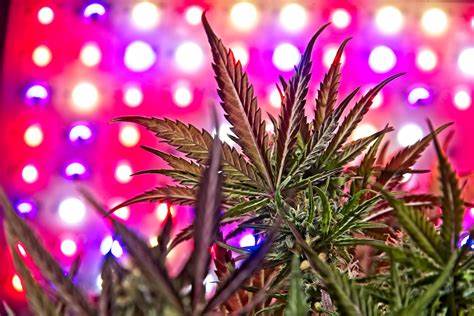
- Photoperiod:
- Sour Girl is typically a photoperiod strain, meaning it requires specific light cycles to trigger flowering.
- Vegetative Phase: 18–24 hours of light daily.
- Flowering Phase: 12 hours of light and 12 hours of darkness daily.
- Autoflowering variations may not require light cycle changes.
- Sour Girl is typically a photoperiod strain, meaning it requires specific light cycles to trigger flowering.
- Light Intensity:
- Recommended PPFD (Photosynthetic Photon Flux Density) for optimal growth:
- Seedling Stage: 200–400 μmol/m²/s.
- Vegetative Stage: 400–600 μmol/m²/s.
- Flowering Stage: 600–900 μmol/m²/s.
- Recommended PPFD (Photosynthetic Photon Flux Density) for optimal growth:
- Types of Lights:
- LED Grow Lights: Energy-efficient and customizable spectrums.
- HID Lights (HPS and MH): High output, suitable for flowering and vegetative phases.
Humidity and Airflow
- Humidity Levels:
- Seedling Stage: 65%–70%.
- Vegetative Stage: 50%–60%.
- Flowering Stage: 40%–50% to prevent mold and mildew.
- Air Circulation:
- Sour Girl benefits from steady airflow to strengthen stems and prevent fungal infections.
- Install oscillating fans and exhaust systems to maintain consistent air movement.
Watering and Irrigation
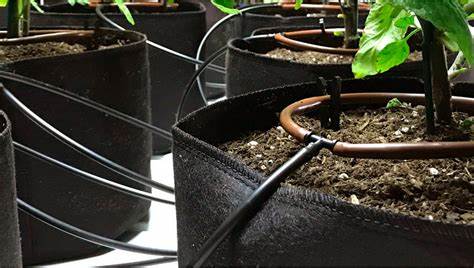
- Water Quality:
- Use filtered or pH-balanced water (pH range: 6.0–6.5 for soil; 5.5–6.0 for hydroponics).
- Avoid overwatering, as it can lead to root rot and nutrient lockout.
- Irrigation Systems:
- Manual Watering: Provides control but requires careful monitoring of soil moisture.
- Drip Irrigation: Efficiently delivers water and nutrients directly to the roots.
Growth Stages and Timeline
- Seed Germination:
- Germination temperature: 70°F–80°F (21°C–27°C).
- Methods: Paper towel method, seedling plugs, or direct soil planting.
- Seedling Stage (1–3 weeks):
- Delicate stage requiring consistent humidity and light.
- Use low-intensity lights to prevent burning.
- Vegetative Stage (4–6 weeks):
- Focus on building robust plant structure with adequate nitrogen feeding.
- Training methods like topping or low-stress training (LST) can maximize yield.
- Flowering Stage (8–10 weeks):
- Initiated by a 12-hour light cycle for photoperiod plants.
- Increase phosphorus and potassium feeding for bud formation.
- Harvesting:
- Ready when trichomes change from clear to milky white with some amber hues.
- To examine trichomes, use a microscope or magnifying glass.
Pest and Disease Management
- Common Pests:
- Spider mites
- Aphids
- Whiteflies
- Integrated Pest Management (IPM):
- Use predatory insects (e.g., ladybugs, lacewings) as natural pest control.
- Apply organic pesticides or neem oil as preventive measures.
- Disease Resistance:
- Sour Girl is relatively resistant to common molds and mildews.
- Maintain proper airflow and humidity levels to prevent issues.
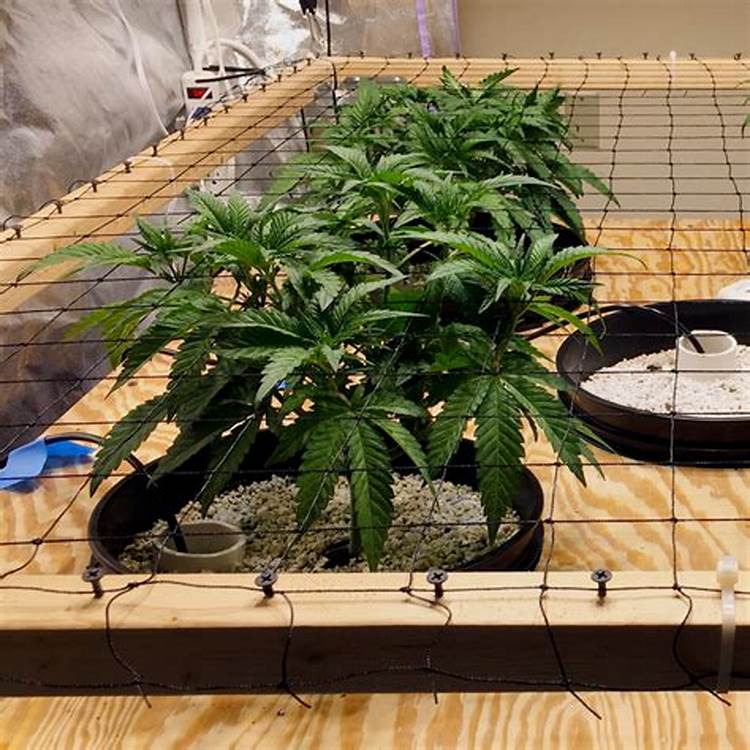
Training Techniques
- Low-Stress Training (LST):
- Bending branches to make the canopy level.
- Maximizes light exposure and increases yield.
- Topping:
- To promote lateral growth, the top of the primary stem is removed.
- Promotes a bushier plant structure.
- Screen of Green (ScrOG):
- Uses a screen to spread branches evenly.
- Optimizes light penetration for dense bud production.
Yield and Quality
- Indoor Yield:
- 400 to 500 grams per square meter in ideal circumstances.
- Outdoor Yield:
- 500–600 grams per plant, depending on climate and cultivation practices.
- Factors Influencing Yield:
- Genetics
- Nutritional consistency
- Training techniques
- Environmental control
Post-Harvest Care
- Drying:
- Temperature: 60°F–70°F (15°C–21°C).
- Humidity: 50%–60%.
- Duration: 7–14 days.
- Curing:
- Store buds in airtight jars, burping daily to release moisture for the first 1–2 weeks.
- Duration: 3–8 weeks for optimal flavor and potency.
Mechanism of Action
Sour Girl interacts with the endocannabinoid system (ECS) through its cannabinoids and terpenes:
- THC (Δ9-tetrahydrocannabinol):
- Binds to CB1 receptors in the brain, inducing euphoria, relaxation, and mild analgesia.
- CBD (Cannabidiol):
- Modulates the effects of THC, reducing potential anxiety or paranoia.
- Caryophyllene:
- A terpene capable of directly binding to CB2 receptors, offering anti-inflammatory benefits.
- Limonene and Humulene:
- Enhance mood and provide complementary therapeutic effects such as appetite suppression or improved digestion.
Consumption Methods
- Smoking or Vaping:
- Popular for its rich flavor and immediate effects.
- Edibles:
- Offers a longer-lasting experience, though onset is slower.
- Concentrates:
- Provides a more potent experience for advanced users.
- Topicals:
- Effective for localized pain relief or inflammation without psychoactive effects.
Scientific Studies and Research
- Cannabinoid Synergy:
- Research highlights the “entourage effect,” where cannabinoids and terpenes in Sour Girl work synergistically to enhance therapeutic outcomes.
- Anti-inflammatory Properties:
- Studies on caryophyllene and humulene suggest they may help manage inflammatory diseases.
- Neurological Impact:
- CBG is being studied for its potential to stimulate neurogenesis and protect against neurodegenerative conditions such as Alzheimer’s and Parkinson’s.
- Mood Enhancement:
- Limonene has shown promise in reducing stress-related behaviors in preclinical trials, aligning with anecdotal reports from Sour Girl users.
Potential Side Effects
- Common:
- Dry mouth
- Dry eyes
- Less Common:
- Dizziness (particularly for novice users)
- Paranoia (in cases of overconsumption)
- Mitigation:
- Start with low doses and increase gradually to avoid adverse effects.
Methods of Ingestion
Sour Girl, with its balanced hybrid nature, offers versatility in consumption methods, allowing users to tailor their experiences based on desired effects, onset times, and durations. Understanding the scientific principles behind these methods can help optimize the user experience.
Methods of Ingestion
1. Smoking
- Description:
- The most traditional method involves combusting the dried flowers and inhaling the smoke.
- Onset: 1–3 minutes.
- Peak Effects: 10–30 minutes.
- Duration: 2–3 hours.
- Pros:
- Quick onset allows users to titrate doses easily.
- Provides the full flavor profile, including Sour Girl’s nutty, diesel, and herbal notes.
- Cons:
- Combustion releases harmful byproducts, including tar and carbon monoxide.
- Best Use Case:
- Ideal for immediate relief of acute symptoms such as pain or anxiety.
2. Vaping
- Description:
- Involves heating the flower or concentrate to release cannabinoids and terpenes as vapor without combustion.
- Onset: 1–5 minutes.
- Peak Effects: 10–20 minutes.
- Duration: 2–3 hours.
- Pros:
- Safer than smoking as it avoids combustion byproducts.
- Provides a cleaner and more nuanced flavor profile.
- Cons:
- Requires a vaporizer, which may be cost-prohibitive.
- Best Use Case:
- Recommended for health-conscious users seeking rapid effects with enhanced flavor.
3. Edibles
- Description:
- Cannabis-infused food or beverages allow for oral ingestion.
- Onset: 30–120 minutes (varies based on metabolism and stomach contents).
- Peak Effects: 2–4 hours.
- Duration: 6–8 hours (can extend up to 12 hours in some cases).
- Pros:
- Provides long-lasting effects, suitable for extended symptom relief.
- No respiratory risks.
- Cons:
- Delayed onset can lead to overconsumption if not dosed carefully.
- Effects are less predictable due to first-pass metabolism.
- Scientific Insight:
- THC is metabolized in the liver into 11-Hydroxy-THC, a more potent psychoactive compound, which explains the longer-lasting and more potent effects of edibles.
- Best Use Case:
- Suitable for managing chronic conditions like persistent pain, insomnia, or severe anxiety.
4. Sublingual (Tinctures or Sprays)
- Description:
- Cannabis extracts placed under the tongue allow absorption through the sublingual mucosa.
- Onset: 15–30 minutes.
- Peak Effects: 1–2 hours.
- Duration: 4–6 hours.
- Pros:
- Avoids first-pass metabolism, providing faster onset compared to edibles.
- Precise dosing with measured droppers or sprays.
- Cons:
- Limited availability in some regions.
- Effects may be less intense than edibles or inhalation methods.
- Best Use Case:
- Ideal for users seeking a discreet and controlled method of ingestion.
5. Topicals
- Description:
- Creams, balms, or transdermal patches infused with cannabis applied directly to the skin.
- Onset: 15–30 minutes.
- Duration: 2–4 hours (patches may last longer).
- Pros:
- Non-psychoactive (does not enter the bloodstream unless transdermal).
- Provides localized relief for pain, inflammation, or skin conditions.
- Cons:
- Limited to surface-level therapeutic effects.
- Best Use Case:
- Recommended for localized issues like joint pain, arthritis, or skin irritation.
6. Dabbing (Concentrates)
- Description:
- Involves vaporizing cannabis concentrates such as wax, shatter, or resin on a heated surface.
- Onset: 1–3 minutes.
- Peak Effects: 10–20 minutes.
- Duration: 2–4 hours.
- Pros:
- Delivers a potent dose of cannabinoids quickly.
- Concentrates often have higher terpene content, enhancing flavor and effects.
- Cons:
- Not suitable for beginners due to high THC potency.
- Requires specialized equipment.
- Best Use Case:
- Preferred by experienced users or those requiring immediate relief from severe symptoms.
Onset, Duration, and Effects by Method
| Method | Onset | Peak Effects | Duration | Suitability |
|---|---|---|---|---|
| Smoking | 1–3 min | 10–30 min | 2–3 hours | Immediate relief, traditional experience |
| Vaping | 1–5 min | 10–20 min | 2–3 hours | Quick relief, flavor enthusiasts |
| Edibles | 30–120 min | 2–4 hours | 6–8 hours | Long-lasting relief, chronic conditions |
| Sublingual | 15–30 min | 1–2 hours | 4–6 hours | Discreet and controlled dosing |
| Topicals | 15–30 min | N/A | 2–4 hours | Localized pain or skin issues |
| Dabbing | 1–3 min | 10–20 min | 2–4 hours | High potency for severe symptoms |
Scientific Mechanisms Behind Onset and Duration
- Absorption Pathways:
- Inhalation (Smoking/Vaping):
- Cannabinoids enter the bloodstream via alveoli in the lungs, providing rapid effects.
- Oral (Edibles):
- THC is metabolized in the liver into 11-Hydroxy-THC, which crosses the blood-brain barrier more effectively.
- Sublingual:
- Absorbed directly into the bloodstream through mucous membranes, bypassing the digestive system.
- Topicals:
- Cannabinoids interact with CB2 receptors in the skin, offering localized effects.
- Inhalation (Smoking/Vaping):
- Duration Influencers:
- Lipid Solubility:
- THC and other cannabinoids are lipophilic, meaning they bind to fats and can remain in the body longer.
- Metabolism:
- Faster metabolisms process cannabinoids more quickly, reducing duration.
- Tolerance:
- Regular users may experience shorter effects due to desensitization of cannabinoid receptors.
- Lipid Solubility:
Effects by Duration and Intensity
- Short-Acting Methods:
- Inhalation and Dabbing:
- Deliver intense but short-lived effects, making them ideal for acute symptom relief or recreational use.
- Inhalation and Dabbing:
- Long-Acting Methods:
- Edibles and Topicals:
- Provide steady, prolonged effects, suitable for chronic conditions or sustained relief.
- Edibles and Topicals:
Unique Selling Points
- Flavor Profile:
- A combination of sour, nutty diesel flavors with sweet herbal undertones makes it a sensory delight.
- Versatility:
- Its effects are neither overly sedating nor excessively stimulating, making it suitable for a wide range of users and activities.
- Medical and Recreational Balance:
- Serves as a dual-purpose strain, offering relief for medical conditions while providing a pleasurable recreational experience.
Conclusion
Sour Girl cannabis strain is a harmonious blend of genetics and effects, perfectly suited for those seeking a balanced experience. Its moderate THC levels, complemented by a diverse terpene profile, make it ideal for managing various medical conditions while delivering an enjoyable recreational high. Whether you’re a medical patient looking for relief or a recreational user in search of a flavorful and uplifting experience, Sour Girl stands out as a versatile and reliable choice.
For a complete directory of cultivars, visit our Cannabis Strain Reviews.
