Table of Contents
Sour Dubble, often referred to as Sour Dubs, is a prominent hybrid cannabis strain celebrated for its balanced effects, unique flavor profile, and versatility in both medical and recreational use. This strain combines the best traits of its parent strains, Sour Diesel and Bubble Gum, resulting in a compelling mix of potency, aroma, and therapeutic potential. Below, we provide an in-depth exploration of Sour Dubble’s origins, effects, cultivation traits, chemical composition, and its applications in medical and recreational contexts.
Origins and Genetics
Sour Dubble is a hybrid strain that leans slightly toward the sativa side, typically exhibiting a 60% sativa to 40% indica ratio. Its parent strains are:
- Sour Diesel: A world-renowned sativa-dominant strain known for its pungent diesel aroma, uplifting cerebral effects, and energizing properties.
- Bubble Gum: A balanced hybrid with a sweet, candy-like flavor profile and a relaxing, euphoric high.
By crossing these two strains, breeders created a cultivar that merges the stimulating effects of Sour Diesel with the calming and sweet characteristics of Bubble Gum. This genetic lineage makes Sour Dubble a versatile strain, suitable for a variety of users and situations.
Aroma and Flavor Profile
Sour Dubble offers a complex sensory experience that begins with its aroma. The strain is characterized by a pungent, sour scent reminiscent of diesel fuel, courtesy of its Sour Diesel lineage. This sharp tang is complemented by sweet, fruity undertones inherited from Bubble Gum. Upon consumption, users often describe the flavor as a blend of tart citrus, sweet berries, and earthy notes, creating a balanced and enjoyable taste profile.
Appearance
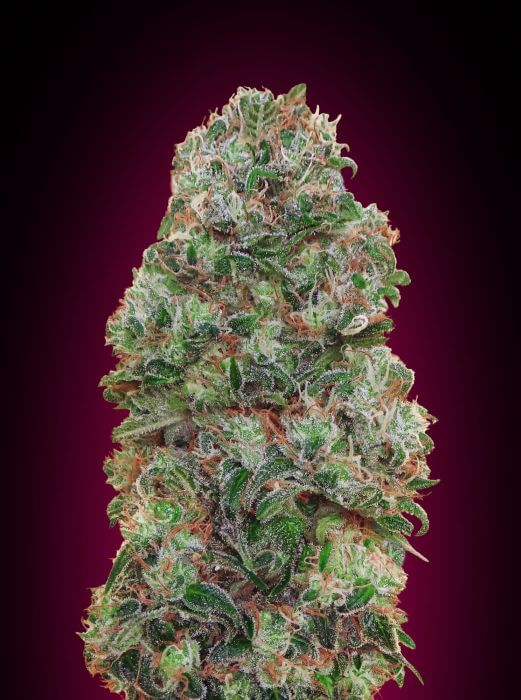
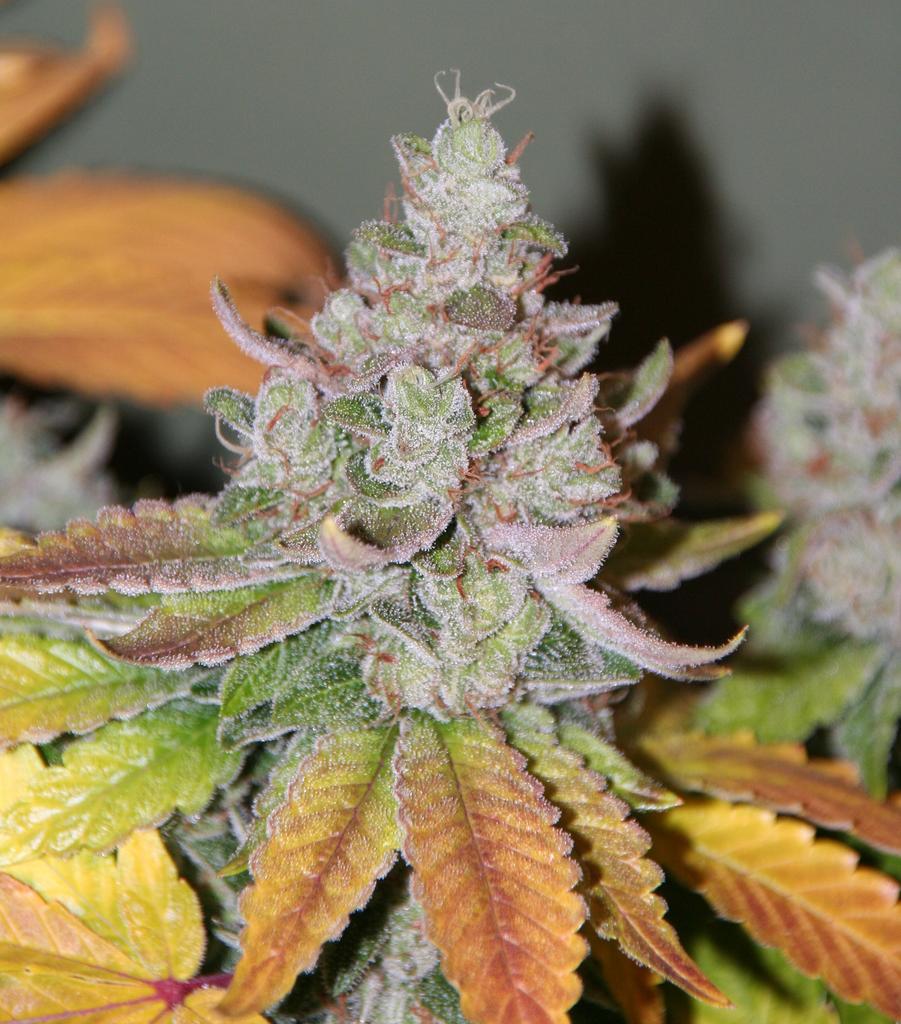
Sour Dubble typically produces medium to large-sized buds that are dense and resin-coated. The nugs are bright green with hints of purple, and they feature a generous covering of trichomes, which makes them look icy. Their visual appeal is enhanced by the bright orange pistils that weave through the buds.
This striking appearance is indicative of the strain’s high cannabinoid and terpene content.
Cannabinoid Profile
The chemical composition of Sour Dubble plays a significant role in its effects and applications. While specific levels can vary depending on cultivation methods, the strain generally exhibits the following profile:
- THC: Ranges between 18-26%, providing potent psychoactive effects.
- CBD: Typically below 1%, making it less suitable for those seeking non-psychoactive relief.
- CBG: Often present in trace amounts (0.1-1%), contributing to anti-inflammatory and neuroprotective effects.
Terpene Profile
Sour Dubble’s terpene profile is rich and diverse, contributing to its unique aroma, flavor, and therapeutic properties. Dominant terpenes include:
- Myrcene: Known for its earthy aroma and sedative properties, this terpene enhances the relaxing effects of the strain.
- Limonene: Provides citrusy notes and contributes to mood elevation and stress relief.
- Caryophyllene: Adds a spicy, peppery kick and has anti-inflammatory properties.
- Terpinolene: Offers floral and herbal aromas while promoting relaxation.
Effects and Recreational Uses
Sour Dubble is celebrated for its balanced effects, which make it suitable for a wide range of recreational activities. The strain typically induces the following:
- Euphoria and Upliftment: The initial cerebral high is uplifting and energizing, enhancing creativity and sociability.
- Relaxation: As the high progresses, a gentle wave of relaxation spreads through the body, relieving physical tension without causing heavy sedation.
- Mental Clarity: Users often report improved focus and a clear-headed sensation, making it ideal for daytime use.
These effects make Sour Dubble popular among recreational users for:
- Social gatherings, as it fosters conversation and laughter.
- Artistic endeavors like composition, painting, or writing.
- Outdoor activities, including hiking or attending festivals.
Medical Applications
Sour Dubble’s unique combination of effects and chemical composition makes it highly versatile in the medical cannabis community. Patients use this strain to address a variety of physical and psychological conditions, including:
1. Chronic Pain Relief
The strain’s high THC content and caryophyllene terpene work synergistically to reduce inflammation and alleviate pain. Patients with conditions such as arthritis, fibromyalgia, or migraines often find relief with Sour Dubble.
2. Stress and Anxiety Management
The uplifting and mood-enhancing effects of limonene, combined with myrcene’s calming properties, help users combat stress, anxiety, and mild depression. Sour Dubble provides relaxation without overwhelming sedation, making it suitable for daytime use.
3. Appetite Stimulation
Like many high-THC strains, Sour Dubble can induce the “munchies,” making it beneficial for individuals experiencing a decrease in appetite as a result of medical procedures or illnesses like HIV/AIDS, chemotherapy, or eating disorders.
4. Insomnia
While not as sedative as pure indica strains, the myrcene content in Sour Dubble can help users unwind and prepare for restful sleep when consumed in higher doses.
5. Focus and ADHD Support
The mental clarity and focus-enhancing effects of Sour Dubble are useful for patients with attention-deficit disorders, helping them concentrate on tasks without the jittery side effects of stimulants.
Cultivation of Sour Dubble
Cultivating Sour Dubble effectively requires an understanding of its genetic traits, environmental needs, and best practices for maximizing yield and potency. Below is a scientific exploration of the factors influencing the successful growth of this strain.

Environmental Conditions
Sour Dubble thrives in specific environmental conditions that mimic its natural preferences:
1. Temperature
- Optimal Range: 70-85°F (21-29°C) during the day; nighttime temperatures should ideally drop by 10-15°F for optimal growth.
- Impact: Fluctuations outside this range can stress the plant, affecting resin production and overall yield. Cooler nighttime temperatures can also enhance anthocyanin expression, resulting in purple hues in the buds.
2. Humidity
- Vegetative Stage: 55-65% relative humidity (RH) to support vigorous growth.
- Flowering Stage: 40-50% RH to prevent mold and mildew, especially given the dense bud structure of Sour Dubble.
- Impact: High humidity in the flowering stage can encourage the development of pathogens such as powdery mildew or botrytis.
3. Lighting
- Intensity: Requires high-intensity lighting for indoor cultivation, typically around 600-1000 µmol/m²/s of photosynthetically active radiation (PAR).
- Photoperiod: Sour Dubble is photoperiod-sensitive and needs a 12/12 light cycle to transition into flowering.
- Impact: Insufficient light can stunt growth and reduce cannabinoid and terpene production.
Soil and Nutrients
The nutrient profile and growing medium significantly influence Sour Dubble’s performance.
1. Soil Type
- Well-aerated, nutrient-rich soil with a slightly acidic pH of 6.0-6.5 is optimal.
- Hydroponic or coco coir systems can also be used for more precise nutrient management.
2. Nutrient Requirements
- Vegetative Stage: High levels of nitrogen (N) for leafy growth.
- Flowering Stage: Increased levels of phosphorus (P) and potassium (K) to support bud development and resin production.
- Micronutrients: Magnesium, calcium, and sulfur are essential for photosynthesis and metabolic processes.
- Impact of Imbalance: Overfeeding can cause nutrient burn, while deficiencies can lead to stunted growth or reduced potency.
Growth Characteristics
Sour Dubble displays traits typical of a hybrid strain, requiring specific training techniques to optimize growth.
1. Structure and Morphology
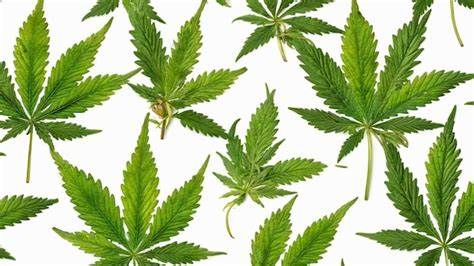
- Medium height with a bushy structure, suitable for indoor and outdoor cultivation.
- Dense foliage may require defoliation to improve airflow and light penetration.
2. Training Techniques
- Topping: Encourages lateral growth, creating more bud sites and increasing yield.
- Low-Stress Training (LST): Helps spread the canopy for better light distribution.
- Screen of Green (ScrOG): Ideal for maximizing yields in small spaces by training branches through a horizontal screen.
3. Flowering Time
- Duration: 8-9 weeks indoors; outdoor plants are typically ready for harvest in early October in the Northern Hemisphere.
- Indicators: Look for milky or amber trichomes and swollen calyxes to determine peak ripeness.
Pest and Disease Management
Sour Dubble is moderately resistant to pests and diseases, but preventive measures are crucial.
1. Common Pests
- Spider Mites: Thrive in hot, dry conditions. Use predatory mites or neem oil for control.
- Aphids and Whiteflies: Attracted to young plants. Sticky traps and insecticidal soaps are effective deterrents.
2. Diseases
- Powdery Mildew: Prevent by maintaining low humidity and good airflow.
- Root Rot: Ensure proper drainage and avoid overwatering.
3. Integrated Pest Management (IPM)
- Use companion plants like marigolds to deter pests naturally.
- Check plants frequently for early indications of disease or infestation.
Yield Optimization
Scientific techniques can help maximize Sour Dubble’s yield and potency.
1. CO₂ Enrichment
- Increasing CO₂ levels to 1200-1500 ppm during the vegetative and early flowering stages can enhance photosynthesis, resulting in larger yields.
2. Resin Production
- Lower temperatures (65-75°F) during the final weeks of flowering can stress the plant slightly, boosting resin and terpene production.
3. Harvest Timing
- Early Harvest: Produces a more uplifting, energetic high.
- Late Harvest: Results in higher concentrations of sedative cannabinoids like CBN (from degraded THC).
Scientific Insights
Cannabinoid Potency: Adequate UV-B exposure during flowering can increase THC levels by stimulating cannabinoid synthase enzymes.
Genetic Stability: The hybrid nature of Sour Dubble means it may display slight phenotypic variation. Cloning from a stable mother plant ensures uniformity.
Terpene Sensitivity: Environmental factors, particularly light and nutrient levels, directly influence terpene profiles. Controlled stress can enhance specific terpene production.
Methods of Ingestion, Onset, Duration, and Effects of Sour Dubble
Understanding the methods of ingestion and their pharmacokinetics is essential for maximizing the benefits of Sour Dubble. Below is a detailed breakdown of the ingestion methods, their onset times, duration of effects, and associated user experiences:
Methods of Ingestion
Sour Dubble can be consumed in several ways, each with distinct effects and onset times:
1. Smoking
- Description: The most traditional method, involving combusting dried flower in a joint, pipe, or bong.
- Onset: 2-5 minutes.
- Duration: 1.5 to 3 hours.
- Effects: Provides a rapid onset of cerebral effects, with euphoria and upliftment peaking early. Physical relaxation follows shortly after.
- Considerations: Smoking delivers a high bioavailability of THC but can irritate the lungs.
2. Vaporization
- Description: Involves heating the cannabis flower or concentrate to a temperature that releases cannabinoids and terpenes without combustion.
- Onset: 2-5 minutes.
- Duration: 2-3 hours.
- Effects: Similar to smoking but often smoother on the throat and lungs. Terpenes are preserved better, enhancing flavor.
- Considerations: Offers a cleaner experience with reduced exposure to harmful byproducts.
3. Edibles
- Description: Cannabis-infused food or beverages, often prepared with THC-rich extracts from Sour Dubble.
- Onset: 30-90 minutes (varies by metabolism and stomach content).
- Duration: 4-8 hours.
- Effects: Produces a slower, more body-focused high. The cerebral effects of Sour Dubble manifest subtly but can be profound over time.
- Considerations: The delayed onset can lead to overconsumption by inexperienced users. Dosage control is crucial.
4. Tinctures and Sublinguals
- Description: Alcohol- or oil-based cannabis extracts applied under the tongue for rapid absorption.
- Onset: 15-30 minutes.
- Duration: 3-6 hours.
- Effects: Combines quick onset with sustained effects. Sour Dubble’s uplifting qualities are prominent without overwhelming intensity.
- Considerations: Easy to dose accurately, making it ideal for medical use.
5. Topicals
- Description: Creams, balms, or patches infused with cannabinoids applied directly to the skin.
- Onset: 15-30 minutes.
- Duration: 2-4 hours.
- Effects: Provides localized relief without psychoactive effects. Useful for pain and inflammation.
- Considerations: Limited to physical benefits; not suitable for systemic relief or recreational use.
Onset and Duration of Effects
The timing and persistence of Sour Dubble’s effects depend heavily on the ingestion method and individual factors such as metabolism, tolerance, and experience level.
- Rapid Onset: Methods like smoking and vaping deliver effects almost immediately, peaking within 20-30 minutes.
- Moderate Onset: Sublingual tinctures start showing effects within 15-30 minutes.
- Delayed Onset: Edibles can take up to 90 minutes to activate, making them ideal for prolonged therapeutic effects but less suitable for immediate relief.
Duration varies, with inhalation methods offering shorter-lived experiences compared to edibles, which provide hours of steady relief.
Detailed Effects Based on Sour Dubble’s Chemistry
The interaction of cannabinoids and terpenes in Sour Dubble creates distinct phases of effects:
1. Initial Phase (Euphoria and Energy)
- Onset: 2-15 minutes (depending on method).
- Experience: Users report heightened mood, mental stimulation, and increased sociability. This phase is marked by the uplifting influence of limonene and THC activation at CB1 receptors.
- Applications: Ideal for combating fatigue, stress, or lack of motivation.
2. Intermediate Phase (Mental Clarity and Focus)
- Onset: 30-60 minutes.
- Experience: Enhanced focus and mental clarity emerge. This phase is bolstered by Sour Dubble’s balanced sativa-indica properties, offering a clear-headed experience without overwhelming sedation.
- Applications: Useful for work, creative projects, or social interactions.
3. Late Phase (Physical Relaxation and Calm)
- Onset: 60-120 minutes.
- Experience: A wave of physical relaxation spreads through the body, easing tension and discomfort. This is attributed to myrcene and caryophyllene, which amplify the strain’s therapeutic effects.
- Applications: Beneficial for pain relief, muscle relaxation, and preparing for sleep (at higher doses).
Scientific Insights and Research
Sour Dubble’s effects and therapeutic potential are rooted in its chemical composition. Below are some scientific insights:
1. Cannabinoid Interaction
- THC: The high THC levels in Sour Dubble activate CB1 receptors in the brain, leading to its psychoactive effects and pain-relieving properties.
- CBD and CBG: While present in low amounts, these cannabinoids contribute to the strain’s anti-inflammatory and neuroprotective effects.
2. Terpene Synergy
Research suggests that terpenes enhance the effects of cannabinoids through the “entourage effect.” In Sour Dubble:
- Myrcene amplifies THC’s sedative effects, making the strain relaxing without causing excessive drowsiness.
- Limonene and caryophyllene work together to elevate mood and reduce stress.
3. Potential Neuroprotective Benefits
Preliminary studies indicate that strains high in THC and terpenes like myrcene and caryophyllene may have neuroprotective properties, potentially benefiting patients with neurodegenerative conditions like Alzheimer’s or Parkinson’s disease.
User Experience and Feedback
Sour Dubble has garnered a loyal following in the cannabis community. Commonly reported experiences include:
- Positive: Enhanced creativity, reduced anxiety, and pain relief.
- Negative: Dry mouth and eyes are typical side effects, with occasional reports of dizziness or THC-sensitive users may experience mild paranoia.
Conclusion
Sour Dubble is a well-rounded hybrid strain that appeals to both recreational and medical users. Its balanced effects, unique flavor profile, and therapeutic potential make it a valuable addition to the cannabis landscape. Whether you’re seeking relief from chronic pain, a boost in creativity, or a strain to share at social events, Sour Dubble delivers a versatile and enjoyable experience.
Cultivators and consumers alike value this strain for its robust genetics and rich chemical profile. As scientific research on cannabis advances, Sour Dubble’s potential applications may expand, solidifying its position as a mainstay within the cannabis industry.
