Table of Contents
Sour Dream is a potent sativa-dominant hybrid cannabis strain, born from the legendary cross between Sour Diesel and Blue Dream. Combining two heavyweights of the cannabis world, Sour Dream inherits an energetic and cerebral high from Sour Diesel and the euphoric yet calming influence of Blue Dream. Known for its pungent diesel-like aroma laced with berry sweetness, Sour Dream is popular for daytime use and medical conditions requiring mood elevation, mental clarity, and light bodily relaxation.
Genetic Lineage
Parent Strains:
- Sour Diesel (Sativa-dominant hybrid): Renowned for its fast-acting, cerebral, and energizing effects, with a pungent diesel aroma and earthy-citrus undertones. High in limonene, myrcene, and caryophyllene.
- Blue Dream (Balanced hybrid leaning sativa): Famous for its dreamy euphoria, gentle full-body relaxation, and sweet berry flavor. Contains significant levels of pinene and myrcene, promoting relaxation without sedation.
Phenotypic Expression:
Sour Dream typically presents sativa-like traits in both effect and structure, though some phenotypes may lean slightly more balanced due to Blue Dream’s hybrid influence. The strain often displays the diesel funk of its Sour Diesel parent, with undertones of blueberry and pine.
Appearance and Aroma
Physical Characteristics:
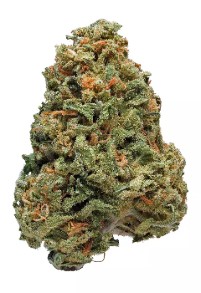
- Buds: Medium to large, elongated, dense nugs with a spade-like shape.
- Color: Bright green with shades of teal and occasional blue hues; rich orange pistils.
- Trichomes: Abundant milky-white to amber trichomes indicating high resin content.
Aroma and Flavor Profile:
- Aroma: Strong diesel base with sour citrus and a hint of sweet blueberry and pine.
- Flavor: Sharp diesel and sour on the inhale, followed by a sweet berry finish. A slight herbal and earthy aftertaste may linger.
The strain’s terpene composition gives it a complex aromatic profile that is both invigorating and grounding.
Terpene Profile
Dominant Terpenes:
- Myrcene: Sedative, muscle-relaxant, anti-inflammatory.
- Limonene: Uplifting, anti-anxiety, mood-enhancer.
- Caryophyllene: Anti-inflammatory, interacts with CB2 receptors.
- Pinene: Enhances alertness, bronchodilation, memory retention.
- Humulene: Appetite suppressant, anti-bacterial, anti-inflammatory.
Cannabinoid Profile
While exact cannabinoid levels can vary by grower and phenotype, general averages include:
- THC: 18–24%
- CBD: <1%
- CBG: 0.5–1.5%
- THCV: Trace to 0.5%
THC-to-CBD Ratio:
The high THC and negligible CBD content categorize Sour Dream as a strong psychoactive strain, appropriate for users with some cannabis experience.
Medical Uses
Sour Dream is a sativa-dominant hybrid rich in THC (18–24%), with minor cannabinoids (like CBG and trace THCV) and a robust terpene profile dominated by myrcene, limonene, pinene, and caryophyllene. These compounds act synergistically (entourage effect) to yield:
- Cerebral stimulation
- Mood enhancement
- Analgesia
- Light anxiolysis
- Cognitive sharpening
It is best suited for daytime use in conditions that benefit from alertness, motivation, and mild pain relief.
Mental and Neurological Applications
Depression and Mood Disorders
Scientific Rationale:
- THC increases dopaminergic activity in the mesolimbic reward system (VTA → nucleus accumbens), which can reverse anhedonia and low motivation.
- Limonene has been shown in rodent models to exert antidepressant-like effects via activation of 5-HT1A serotonin receptors, similar to SSRIs.
- Pinene may mitigate THC-induced memory impairment by preserving acetylcholine signaling in the hippocampus.
Clinical Use:
- Ideal for mild to moderate major depressive disorder (MDD), seasonal affective disorder, and treatment-resistant dysthymia.
- Best dosed low to moderate (1–10 mg THC) to avoid THC-induced anxiety or paranoia.
Anxiety Disorders (with Caveats)
Mechanisms:
- Limonene and myrcene both exert anxiolytic effects via serotonergic and GABAergic modulation.
- Low THC doses promote GABA release, reducing hyperexcitability in the amygdala, the brain’s fear center.
Warnings:
- High THC content can be biphasic: low doses reduce anxiety, high doses may trigger anxiety or paranoia, particularly in those with GAD or panic disorders.
- May benefit situational or social anxiety in low doses, but not generalized or panic-based anxiety.
ADHD and Executive Dysfunction
Pharmacology:
- Pinene promotes alertness and norepinephrine-like activity.
- THC + limonene enhance dopamine transmission in the prefrontal cortex, the primary site of attention and working memory regulation.
Application:
- Can support focus, task-switching, and goal-directed behavior, particularly in adult ADHD patients resistant to or supplementing stimulant medications.
- Timing and titration are key to avoid overactivation.
PTSD and Trauma-Related Disorders
- Sour Dream provides emotional blunting without full sedation.
- CB1 receptor activation by THC reduces retrieval of traumatic memories, a phenomenon observed in studies of fear extinction.
- Caryophyllene, as a CB2 agonist, may reduce neuroinflammation and stress hormone dysregulation.
Cautions:
- Individual differences in trauma processing mean responses can vary. Patients with dissociative symptoms or psychotic features should avoid high-THC strains.
Pain and Inflammatory Disorders
Neuropathic and Migraine Pain
Mechanisms:
- THC reduces pain signal transmission via CB1 receptor inhibition in the spinal cord and thalamus.
- Caryophyllene modulates the CB2 receptor, reducing pro-inflammatory cytokines like TNF-α and IL-6.
- Myrcene and beta-caryophyllene inhibit TRPV1 channels (pain-related ion channels) and exert peripheral analgesic effects.
Use Case:
- Best for chronic mild to moderate neuropathic pain, fibromyalgia, migraines, and post-surgical nerve injury.
Arthritis and Inflammatory Conditions
- CB2 activation by caryophyllene suppresses inflammatory immune signaling.
- Humulene (minor terpene in Sour Dream) has been found to inhibit prostaglandin E2, which plays a role in arthritis pain and joint inflammation.
Ideal for:
- Rheumatoid arthritis
- IBS and colitis (inflammatory GI conditions)
- Autoimmune pain syndromes
Fatigue-Related Syndromes
Chronic Fatigue Syndrome (CFS/ME)
- THC and limonene stimulate the hypocretin/orexin system involved in wakefulness.
- May counteract the dopaminergic deficits commonly seen in CFS.
Cancer-Related Fatigue:
- Unlike heavy indicas, Sour Dream preserves energy and alertness, making it suitable during or after chemotherapy sessions to improve functionality and morale.
Appetite and GI Function
Appetite Stimulation
- While not as munchie-inducing as some indica strains, Sour Dream’s moderate THC content can activate hunger is triggered by CB1 receptors in the hypothalamus.
- Especially helpful in stress-induced anorexia or mild cachexia.
Nausea and Vomiting
- THC modulates area postrema activity (vomit center in brainstem).
- Limonene and myrcene add gastric calming effects, making it a gentle option for motion sickness, early pregnancy nausea (with medical approval), or medication-induced nausea.
Neuroprotection and Cognitive Health
Alzheimer’s and Cognitive Decline
- THC inhibits acetylcholinesterase, reducing the breakdown of acetylcholine, which is deficient in Alzheimer’s.
- Caryophyllene and CBG offer neuroprotective effects by reducing microglial overactivation, which is implicated in neurodegeneration.
Parkinson’s Disease
- Can reduce rigidity and bradykinesia through dopaminergic support.
- Also useful for treating Parkinson’s-associated depression, which is highly prevalent and often undertreated.
Women’s Health and Hormonal Disorders
PMS and Menstrual Pain
- Myrcene is a known muscle relaxant, helping alleviate cramps.
- Caryophyllene reduces prostaglandin-driven inflammation, a major source of menstrual discomfort.
- Mild mood-lifting effects counter irritability and dysphoria.
Endometriosis:
- Anti-inflammatory and analgesic actions may help control chronic pelvic pain without inducing heavy sedation, which is common in indica-based therapies.
Immunological and Autoimmune Conditions
- CB2 receptor activation (caryophyllene) can downregulate pro-inflammatory cytokines, relevant in:
- Multiple Sclerosis
- Lupus
- Psoriatic Arthritis
Though THC may have some immunosuppressive effects, its anti-inflammatory action can be harnessed carefully in autoimmune flare states.
Limitations and Contraindications in Medical Use
Not recommended for:
- Patients with schizophrenia or bipolar I (due to psychotomimetic effects of THC)
- Individuals with high THC sensitivity
- Those prone to panic attacks or heart arrhythmias
- Pediatric patients or during pregnancy (unless under specialist supervision)
Drug Interactions:
- THC and CBD can inhibit cytochrome P450 enzymes (notably CYP3A4 and CYP2C9), affecting metabolism of:
- Antidepressants (SSRIs)
- Anticoagulants (warfarin)
- Anticonvulsants (clobazam, valproate)
Always consult a cannabis-informed medical provider before integrating Sour Dream into a treatment plan.
Clinical Dosing Strategy (General Guidelines)
| Use Case | Starting Dose (Inhaled) | Notes |
|---|---|---|
| Depression / Low Mood | 2–3 mg THC | Monitor for euphoria without overstimulation |
| Neuropathic Pain | 5–10 mg THC | Divide over 2 sessions/day |
| Fatigue / ADHD | 2–5 mg THC (morning) | Avoid in evening to prevent insomnia |
| Nausea / Appetite Loss | 2–4 mg THC (before meals) | Monitor for overconsumption |
| Migraine (early stage) | 3–6 mg THC | Vaporize at aura onset for max effect |
Recreational Uses
Sour Dream’s stimulating yet euphoric properties make it ideal for a variety of recreational settings:
Creative Stimulation:
Popular among artists, musicians, and writers, the strain supports divergent thinking, visual-spatial processing, and novel associations.
Social Engagement:
Mild euphoria and reduced social inhibition enhance sociability, making it suitable for daytime parties or small gatherings.
Physical Activity and Adventure:
Improved mental focus and bodily energy make it compatible with hiking, yoga, and even light cardiovascular workouts.
Gaming and Media Consumption:
Its cerebral enhancement and increased sensory perception improve immersive experiences in gaming, music, and film.
Mechanisms of Action
Sour Dream’s effects result from the synergistic interplay between cannabinoids and terpenes acting on the various molecular targets, including the endocannabinoid system (ECS).
CB1 and CB2 Receptors
- THC binds to CB1 receptors in the brain, leading to dopamine release, altered sensory perception, and mood elevation.
- Caryophyllene is a selective CB2 agonist, providing anti-inflammatory benefits without psychoactivity.
TRPV1 and Serotonin Modulation
- Myrcene and limonene in Sour Dream interact with TRPV1 and 5-HT1A serotonin receptors, producing anxiolytic and analgesic effects.
Neurotransmitter Release
- Pinene enhances acetylcholine transmission, aiding in memory retention and alertness.
- Limonene increases serotonin and dopamine in the prefrontal cortex, improving mood and motivation.
Adverse Effects and Contraindications
Potential Side Effects:
- Dry mouth and eyes: Common due to THC binding to submandibular cannabinoid receptors.
- Anxiety or paranoia: Especially at higher doses in sensitive individuals.
- Increased heart rate: Should be used cautiously in individuals with cardiovascular concerns.
- Short-term memory impairment: Mitigated by pinene, but still possible at high doses.
Contraindications:
- History of psychosis or bipolar mania
- Pregnancy or lactation
- Severe cardiovascular conditions
- Beginner users or low THC tolerance
Cultivation Information
Genetic Behavior and Growth Structure
Sour Dream, as a sativa-dominant hybrid, inherits vigorous vertical growth, lighter internodal spacing, and a longer flowering cycle from Sour Diesel, while Blue Dream contributes robust trichome development and resilience.
Morphological Traits:
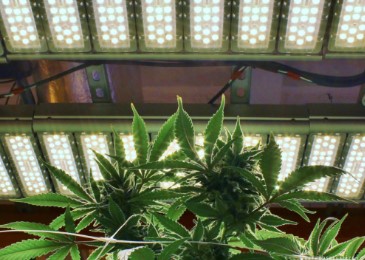
- Structure: Tall, open-frame with long side branches.
- Internodal Spacing: Moderate to wide, allowing good airflow.
- Leaf Shape: Narrow leaflets characteristic of sativa-dominant strains.
- Bud Formation: Dense, moderately sized colas with high trichome density in late flower.
Implications:
These traits in Sour Dream demand vertical space control (especially indoors) and humidity management to avoid mold in tight bud formations during late flowering.
Photoperiod and Flowering Time
- Photoperiod Sensitivity: Sour Dream is a photoperiod strain and requires a 12/12 light-dark cycle to induce flowering.
- Flowering Duration: ~9 to 10 weeks (63–70 days), though some phenotypes may finish around day 75 if expressing more of the Blue Dream lineage.
Scientific Rationale:
The longer flowering period allows full terpene maturation, particularly for limonene and pinene, which peak in late flower when trichome glands reach amber coloration.
Environmental Parameters
Temperature:
- Optimal Daytime: 72–80°F (22–27°C)
- Nighttime Drop: ~10°F for optimal anthocyanin expression (blue/purple hues in some phenos).
Relative Humidity (RH):
- Vegetative Stage: 50–60%
- Early Flower: 40–50%
- Late Flower: 30–40% to prevent Botrytis (bud rot)
Light Intensity:
- Vegetative: 400–600 PPFD (µmol/m²/s)
- Flowering: 800–1000 PPFD (with supplemental CO₂, up to 1200 PPFD)
Light Spectrum Tips:
- Vegging: Blue-rich spectrum (~6500K) to promote node stacking.
- Flowering: Red-heavy (~3000K) to stimulate robust bud development and THC biosynthesis.
Nutritional Requirements
Macronutrients:
| Stage | N (%) | P (%) | K (%) |
|---|---|---|---|
| Vegetative | 3.5–4.5 | 1.0–1.5 | 2.5–3.5 |
| Flowering | 1.0–2.0 | 2.0–3.0 | 4.0–5.5 |
- Nitrogen (N): Encourages leafy growth early but must be reduced in flower to avoid “foxtailing.”
- Phosphorus (P): Crucial for flower density and terpene biosynthesis.
- Potassium (K): Essential for trichome production and plant stress resistance.
Micronutrients:
- Calcium: Required for cell wall rigidity and root growth. Often supplemented via CaMg+ or gypsum.
- Magnesium: Key for chlorophyll; deficiency results in interveinal chlorosis.
- Sulfur: Boosts production of thiol-based terpenes, enhancing the diesel aroma.
Feeding Schedule:
- Start at EC 0.8–1.2 during early veg.
- Ramp up to EC 1.8–2.2 in flowering.
- Final 10–14 days: flush with plain water or mild enzyme-based solution to remove excess salts.
Soil and Medium Science
Preferred Substrates:
- Soilless Mix (Coco Coir + Perlite): Allows precision nutrient delivery and rapid drainage.
- Living Soil (Organics): Enhances terpene expression through microbial interaction.
- Hydroponics (DWC or Drip-to-Waste): High growth rate but requires rigorous pH and nutrient control.
pH Range:
- Soil: 6.2–6.8
- Coco/Hydro: 5.8–6.2
Maintaining ideal pH allows for optimal cation exchange and micronutrient uptake, preventing lockouts and deficiencies.
Plant Training and Stress Techniques
Sour Dream’s tall structure and long colas make training essential for maximizing yield and canopy efficiency.
Topping and FIMing:
- Timing: After the 4th or 5th node.
- Promotes bushier growth, multiple colas, and height control.
Low Stress Training (LST):
- Bending side branches outward increases light penetration and air circulation, essential for terpene synthesis.
Supercropping:
- Controlled stem damage (soft snapping) stimulates hormonal (auxin) redistribution, increasing bud size and terpene content.
SCROG (Screen of Green):
- Ideal method for Sour Dream indoors.
- Horizontal spread keeps canopy even and maximizes light-use efficiency.
Harvest Timing and Ripeness Indicators
To achieve peak potency and flavor, trichome maturity should be closely monitored.
Visual Indicators:
- Trichomes: 70% cloudy, 20% amber, 10% clear for balanced effects.
- Pistils: 70–90% darkened and retracted.
- Aroma Peak: Strong, sharp diesel with a hint of berry/pine indicates peak terpene production.
Harvest Window:
- Early Harvest: More cerebral and energetic effects (60–65 days).
- Late Harvest: More body-heavy, relaxing effects (70–75 days).
Post-Harvest: Drying and Curing
Drying:
- Environment: 60°F (15.5°C), 55–60% RH
- Duration: 7–12 days in the dark
- Airflow: Gentle, indirect ventilation to avoid mold.
Curing:
- Place buds in glass jars at 62% RH using humidity packs.
- Burp jars daily for the first 1–2 weeks, then weekly for up to 6 weeks.
Scientific Benefit of Curing:
- Allows chlorophyll to degrade.
- Enhances conversion of terpenoid precursors into monoterpenes and sesquiterpenes.
- Reduces harshness and stabilizes cannabinoid structure.
Disease and Pest Resistance
Common Issues:
- Powdery Mildew: Due to sativa density; mitigated via defoliation and airflow.
- Bud Rot (Botrytis): Late flower risk due to dense colas. Requires RH control and CO₂ supplementation (optional).
- Spider Mites / Fungus Gnats: Use neem oil, predatory mites, and yellow sticky traps as IPM (integrated pest management).
Preventive Strategy:
- Use beneficial microbes (e.g., Bacillus subtilis) in root zone to outcompete pathogens.
- Rotate organic foliar treatments (e.g., potassium bicarbonate, sulfur spray in veg only).
Terpene and Cannabinoid Optimization Techniques
- UVB Light Supplementation (280–315 nm):
- Increases trichome density and THC content.
- Stress Induction in Late Flower:
- Slight environmental stress on Sour Dream (reduced water, cold nighttime temps) enhances anthocyanin and terpene expression.
- Silica Additives:
- Improve stem strength and trichome gland robustness.
- Molasses or Carbohydrate Feeding (Final 2–3 Weeks):
- Feeds beneficial microbes and may slightly increase sweetness and terpene intensity (mainly in organic grows).
Genetic Stability and Phenotype Hunting
Sour Dream is generally stable, but variability exists due to its hybrid background. In seed-grown crops, phenotype hunting may reveal:
- Diesel-Dominant Phenos: More vertical, pungent, energetic.
- Berry-Dominant Phenos: Shorter, bushier, slightly more relaxing.
Cloning from mother plants is recommended for consistency in:
- Yield
- THC content
- Terpene profile
- Flowering time
Scientific Research and Analysis
While direct peer-reviewed studies on Sour Dream are lacking, its parent strains have been subjects of cannabinoid and terpene profiling. Understanding these can help extrapolate potential benefits.
Terpene Synergy and the Entourage Effect
Studies (Russo, 2011) suggest that terpenes like myrcene, limonene, and pinene in Sour Dream act synergistically with cannabinoids to enhance medicinal effects. This explains why Sour Dream offers mood-enhancing and anxiolytic effects without sedation.
Cannabinoid Pharmacodynamics
- THC in Sour Dream activates CB1 receptors and causes dopaminergic stimulation in the mesolimbic pathway, accounting for its euphoria and mood lift.
- CBG, present in small amounts, may enhance neurogenesis and counteract some of THC’s anxiety-provoking effects.
Functional MRI and Neurocognitive Insights
Functional brain imaging studies indicate that high-THC sativa strains like Sour Dream increase cerebral blood flow, particularly in the prefrontal cortex and anterior cingulate cortex, regions associated with creativity, planning, and mood regulation.
Risk-Benefit Considerations in Medicine
Given its psychoactivity, Sour Dream is not ideal for first-line treatment in severe anxiety or psychotic disorders. However, its rapid onset, minimal sedation, and mood-stabilizing properties make it a valuable option in adjunct therapy for treatment-resistant depression and fatigue-related disorders.
Comparison with Similar Strains
| Strain | Parentage | Dominant Terpenes | Best For |
|---|---|---|---|
| Sour Dream | Sour Diesel × Blue Dream | Myrcene, Limonene, Pinene | Mood, Focus, Light Pain |
| Jack Herer | Haze × Northern Lights | Terpinolene, Pinene | Creativity, Focus |
| Green Crack | Skunk #1 descendant | Myrcene, Limonene | Energy, Depression |
| Blue Dream | Blueberry × Haze | Myrcene, Pinene | Balanced Relaxation and Focus |
| Sour Diesel | Chemdawg × Super Skunk | Limonene, Myrcene | Energy, Mood Elevation, Fatigue |
Conclusion
Sour Dream stands as a compelling hybrid that blends the cerebral sharpness of Sour Diesel with the mellowing euphoria of Blue Dream. This synthesis results in a strain that supports creative productivity, emotional resilience, and cognitive engagement without overwhelming sedation. It holds significant promise for medical users coping with depression, fatigue, and chronic stress, and is equally celebrated by recreational users seeking energetic clarity with a touch of sweetness.
Its unique terpene-cannabinoid interplay makes Sour Dream a strain worth exploring both in casual and clinical contexts—provided one respects its potency and selects dosage accordingly.
For a complete directory of cultivars, visit our Cannabis Strain Reviews.
