Table of Contents
The Sour Cream cannabis strain is a hybrid that leans slightly sativa, known for its unique fusion of creamy flavors and sour diesel tang, balanced effects, and versatility in both recreational and medical use. This strain is the result of meticulous genetic breeding that merges the cerebral elevation of Sour Diesel with the body-soothing properties of G13 Haze, creating a cultivar that combines therapeutic efficacy with euphoric stimulation. Understanding this strain from a molecular, experiential, and cultivation perspective can benefit consumers, patients, and cultivators alike.
Genetic Lineage and Origin
Sour Cream is a cross between:
- Sour Diesel: A legendary sativa-dominant strain known for its pungent diesel-like aroma, rapid cerebral stimulation, and energetic euphoria.
- G13 Haze: A powerful hybrid rumored to have government-lab origins (G13) blended with the psychedelic Haze, giving a euphoric yet mellowed-out body high.
This hybrid exhibits a 60% sativa / 40% indica genetic profile, making it more energizing than sedating, but with a balanced comedown phase.
Morphology and Cultivation Characteristics
Sour Cream, a slightly sativa-leaning hybrid (Sour Diesel × G13 Haze), displays vigorous vertical growth, extended flowering time, and a terpene-rich bud structure. These characteristics require specific horticultural strategies for optimal yield, cannabinoid expression, and terpene preservation.
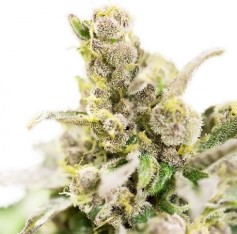
Growth Stages & Timeline
| Stage | Duration (Approx.) | Key Focus |
|---|---|---|
| Germination | 3–7 days | Warmth (22–26°C), humidity (70–80%) |
| Seedling | 1–2 weeks | Stable environment, low EC (0.4–0.6) |
| Vegetative | 4–6 weeks (longer ideal) | Light training, root mass development |
| Flowering | 10–11 weeks | Flower support, P-K optimization |
| Post-Harvest | 2 weeks (dry + cure) | Controlled terpene preservation |
Environmental Control
Temperature and Humidity (VPD-focused Approach)
Sour Cream responds well to VPD-optimized environments, enhancing transpiration and nutrient uptake.
| Stage | Temp (Day/Night °C) | RH (%) | Ideal VPD (kPa) |
|---|---|---|---|
| Vegetative | 24–28 / 18–22 | 55–70 | 0.8–1.0 |
| Flowering | 22–26 / 17–20 | 40–50 | 1.1–1.4 |
| Late Flower | 20–24 / 16–18 | 35–45 | 1.3–1.6 |
CO₂ supplementation (900–1200 ppm) during early-to-mid flowering increases photosynthesis and biomass accumulation, particularly important for longer-blooming sativa-dominant hybrids like Sour Cream.
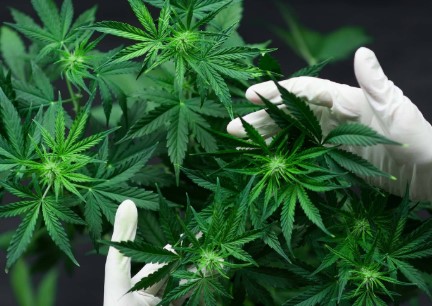
Light Spectrum and Intensity
- Vegetative stage: 18–24 hrs/day; 400–600 PPFD; blue-rich spectrum (6500K) promotes compact internodes and bushier morphology.
- Flowering stage: 12/12 light schedule; 800–1000 PPFD; red-shifted spectrum (2700K–3500K) enhances flowering and terpene biosynthesis.
UV-B exposure in late flowering (15–30 min/day for last 2 weeks) has shown to increase trichome density and THC concentration due to stress-induced secondary metabolite production.
Mediums & Substrates
Sour Cream thrives in:
- Coco coir + perlite (70/30): Enhanced oxygenation and fast nutrient cycling
- Living soil (super soil): Microbial-driven nutrient release, better terpene expression
- Hydroponics (DWC or RDWC): Accelerated vegetative growth and yield potential, but less terpene complexity unless carefully managed
Soil pH should be maintained between 6.0–6.5, while hydro systems need 5.8–6.2.
Nutrient Protocols
This strain benefits from stage-specific macro/micronutrient feeding and does not tolerate excessive nitrogen in late veg or bloom.
Vegetative Stage
- NPK: ~3-1-2
- Key needs: Nitrogen (N), Calcium (Ca), Magnesium (Mg), and Iron (Fe)
- EC: 1.0–1.4
- Notes: Avoid overfeeding; encourage mycorrhizal inoculation in soil setups
Early Flower (Weeks 1–4)
- NPK: 1-2-2 to 1-3-2
- Additives: Silica (Si) for stem strength; B vitamins to reduce transplant stress
- EC: 1.6–1.8
Mid-to-Late Flower (Weeks 5–11)
- NPK: 0-3-4 to 0-5-7
- High potassium (K) and phosphorus (P) drive terpene and trichome production
- EC: 1.8–2.2 (reduce slightly at flush)
Flush (Final 10–14 days)
- Pure water or enzymatic flush solutions
- Goal: Remove residual salts; increase flavor clarity and burn quality
Training and Canopy Management
Sour Cream’s vertical sativa influence makes early and consistent training essential to maximize light penetration and bud production.
| Technique | Timing | Purpose |
|---|---|---|
| Topping/FIM | Node 4–6 (veg week 3–4) | Control apical dominance, promote bushiness |
| LST | Veg weeks 2–6 | Even canopy, expose lower nodes |
| ScrOG | Late veg to early flower | Horizontal spread, light uniformity |
| Defoliation | Mid-flower (~Week 4–5) | Remove excess fan leaves for airflow |
| Lollipopping | Pre-flower | Remove lower growth to direct energy upward |
Avoid excessive pruning late in flower, as it can reduce cannabinoid/terpene concentration and stress the plant.
Stress and Disease Management
Sour Cream is moderately resistant to common pathogens but can be susceptible under suboptimal conditions.
Common Issues
- Powdery mildew: Monitor RH and air movement
- Fungus gnats: Use Bacillus thuringiensis israelensis (BTi) or neem-based drenches
- Botrytis (bud rot): Keep RH <50% during dense flowering
Beneficial Practices
- Use beneficial microbes (mycorrhizae, Bacillus subtilis) for root health and pathogen suppression
- Employ integrated pest management (IPM) with predatory mites (e.g., Phytoseiulus persimilis) if growing organically
Harvest Timing and Cannabinoid Optimization
Sour Cream ripens gradually, with resin production peaking in weeks 9–11.
Trichome Maturity
- Clear: Immature; mostly THCA, minimal effect
- Cloudy: Peak THC; best for energizing effects
- Amber: THCA degraded to CBN; more sedative
Ideal ratio for most growers: 80–90% cloudy, 10–20% amber.
Harvest Tips
- Harvest in early morning (indoor dark cycle) to preserve volatile monoterpenes
- Avoid high heat and light during post-harvest to prevent terpene loss
Post-Harvest: Drying and Curing
Proper post-harvest practices are critical for preserving the diesel-cream terpene blend Sour Cream is known for.
Drying
- Temp: 17–21°C (62–70°F)
- RH: 50–60%
- Duration: 10–14 days in dark, ventilated area
- Target moisture: 10–12% in final bud
Curing
- Store in glass jars with hygrometers
- Burp daily for 10–15 min for first 2 weeks
- Cure total: 4–8 weeks
- RH: 58–62% ideal for long-term storage
Curing enhances the expression of terpenes like caryophyllene, limonene, and terpinolene, improving both aroma and medicinal properties.
Genetic Stabilization and Breeding Notes
For advanced cultivators:
- Sour Cream seeds are typically feminized photoperiod, not autoflower
- If breeding Sour Cream: Select for shorter flowering phenotypes and denser bud formation
- Marker-assisted selection (MAS) can help isolate:
- THCA synthase alleles
- Terpene synthase (TPS) gene clusters for limonene/caryophyllene dominance
Stabilization efforts should focus on Sour Cream’s resin production, mold resistance, and yield without compromising flavor.
Chemical Composition
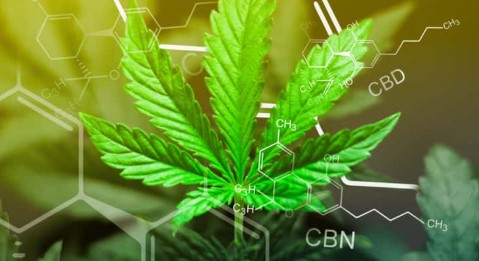
Cannabinoid Profile (Typical Ranges)
- THC: 18%–24%
- CBD: <0.5% (low)
- CBG: 0.5%–1%
- CBC: Trace amounts
Terpene Profile
Sour Cream’s signature aroma and effects stem from a potent and synergistic terpene combination:
| Terpene | Percentage | Aroma/Flavor | Effects |
|---|---|---|---|
| Myrcene | ~0.5% | Earthy, herbal | Sedation, anti-inflammatory |
| Limonene | ~0.4% | Citrus, lemon | Mood elevation, anti-anxiety |
| Caryophyllene | ~0.3% | Spicy, peppery | Anti-inflammatory, analgesic |
| Terpinolene | ~0.2% | Sweet, floral | Energizing, antioxidant |
| Linalool | ~0.1% | Lavender, floral | Calming, anxiolytic |
This terpene blend enhances both Sour Cream’s medical potential and its recreational charm, creating a nuanced entourage effect.
Recreational Effects
Onset and Duration
Onset: Fast-acting, within 3–7 minutes when smoked/vaped
- Peak Effects: 30–60 minutes
- Duration: 2–3 hours (inhalation); up to 6 hours (oral ingestion)
Subjective Effects
| Effect Category | Description |
|---|---|
| Euphoria | Enhanced sense of well-being and optimism |
| Creative Inspiration | Surge of imaginative thinking, idea flow |
| Energy | Mild stimulation, ideal for daytime use or social activities |
| Relaxation | Smooth, body-soothing sensation without couch-lock |
| Sensory Enhancement | Amplified taste, color, sound perception |
Best Use Cases
- Daytime productivity
- Social settings
- Music/art appreciation
- Mild outdoor activities
Medical Applications
Sour Cream is a high-THC, low-CBD hybrid (THC ~18–24%), with a balanced sativa-indica profile. Its medicinal effects stem from synergy between phytocannabinoids (like THC, CBG, CBC) and terpenes (limonene, caryophyllene, myrcene, linalool, terpinolene). These compounds influence receptors in the endocannabinoid system (ECS), along with secondary molecular targets, producing analgesic, anxiolytic, anti-inflammatory, neuroprotective, and mood-enhancing effects.
Neurological and Psychological Disorders
Anxiety and Stress Disorders
Mechanisms
- Limonene: Increases serotonin (5-HT1A) availability; anxiolytic
- Linalool: GABA receptor modulation; calming, sedative properties
- THC: CB1 receptor activation → amygdala dampening → reduced stress signaling
Use Case
- Generalized Anxiety Disorder (GAD)
- Acute social anxiety (low dose)
- Work-related or performance stress
Cautions
- High doses of THC may induce paradoxical anxiety—dose titration is essential
Depression and Mood Disorders
Mechanisms
- THC and limonene: Increase dopamine and serotonin tone in prefrontal cortex
- CB1 activation: Reduces ruminative thought patterns and anhedonia
- Terpinolene: May modulate monoamine oxidase (MAO) enzymes, enhancing neurotransmitter availability
Use Case
- Major Depressive Disorder (MDD)
- Seasonal Affective Disorder (SAD)
- Bipolar Depression (adjunct to mood stabilizers)
Scientific Insight
Neuroimaging studies suggest CB1 activation enhances reward system activation in the striatum, providing a neurobiological rationale for THC-rich strains like Sour Cream in mood elevation.
PTSD
Mechanisms
- THC: Modulates fear extinction via amygdala suppression and hippocampal CB1 binding
- Caryophyllene: CB2 agonist → anti-inflammatory and anxiolytic effects without intoxication
- Linalool and limonene: Reduce nightmares and improve REM sleep quality
Use Case
- Hypervigilance
- Insomnia
- Flashbacks
ADHD and Cognitive Regulation
Mechanisms
- Low to moderate THC enhances dopaminergic transmission in the prefrontal cortex
- Limonene + terpinolene improve mental clarity and alertness
- Myrcene calms hyperactivity without inducing sedation at low doses
Use Case
- Adult ADHD (particularly inattentive subtype)
- Task initiation and executive function support
Pain and Inflammatory Disorders
Sour Cream’s rich THC + caryophyllene + myrcene profile makes it a robust choice for multimodal pain relief.
Chronic Pain
Mechanisms
- THC: CB1 receptor inhibition of nociceptive pathways
- Caryophyllene: CB2-mediated peripheral inflammation reduction
- Myrcene: Enhances morphine-like analgesia; inhibits prostaglandin E2 synthesis
Use Case
- Neuropathic pain (e.g., fibromyalgia, sciatica)
- Musculoskeletal pain (e.g., back pain, osteoarthritis)
- Cancer-related pain
Migraine and Headache Disorders
Mechanisms
- THC: Inhibits calcitonin gene-related peptide (CGRP) and glutamate release
- Linalool and limonene: Vasorelaxant and anxiolytic effects
- Terpinolene: Anti-inflammatory, modulates neurogenic inflammation
Use Case
- Migraine prevention and rescue
- Cluster headaches (adjunctive)
Arthritis and Autoimmune Pain
Mechanisms
- CB2 activation via caryophyllene downregulates proinflammatory cytokines (e.g., TNF-α, IL-6)
- Myrcene reduces leukocyte migration and oxidative stress
Use Case
- Rheumatoid arthritis (RA)
- Psoriatic arthritis
- Lupus-related joint pain
Gastrointestinal and Appetite Disorders
Nausea and Vomiting (CINV, HIV)
Mechanisms
- THC binds CB1 receptors in the dorsal vagal complex, reducing nausea signaling
- Limonene adds gentle gastric stimulation and appetite enhancement
Use Case
- Chemotherapy-induced nausea (CINV)
- HIV/AIDS wasting syndrome
- GI sensitivity from chronic illness or anxiety
Appetite Stimulation
Mechanisms
- THC increases ghrelin secretion (hunger hormone)
- Modulates hypothalamic activity for enhanced food motivation
Use Case
- Anorexia (HIV, cancer)
- Cachexia
- Disordered eating recovery (e.g., ARFID)
Sleep and Circadian Disorders
While Sour Cream is not a “knockout” strain like indicas, it can gently reset sleep patterns in those whose insomnia is stress-related.
Mechanisms
- Linalool + myrcene act synergistically on GABA-A receptors
- Low-to-moderate THC reduces sleep latency and improves deep sleep onset
- Terpinolene may increase total sleep time in early stages of use
Use Case
- Sleep-onset insomnia
- Jet lag adjustment
- Anxiety-induced sleep disruption
Neurodegenerative and Neuromuscular Disorders
Multiple Sclerosis (MS)
Mechanisms
- THC reduces spasticity through motor neuron CB1 activity
- Caryophyllene and myrcene reduce neuroinflammation and pain
Use Case
- Muscle spasms
- Neuropathic pain
- Fatigue
Parkinson’s Disease
Mechanisms
- THC provides dyskinesia modulation
- CBD (though low in Sour Cream) may aid psychosis control
- Linalool and limonene support mood, motor planning, and sleep
Use Case
- Mood regulation
- Tremor control
- Sleep support
Alzheimer’s Disease / Cognitive Decline
Though THC must be carefully titrated in elderly patients, Sour Cream may offer:
- Anti-inflammatory effects in the CNS
- CB2 activation, potentially reducing β-amyloid plaque formation
- Enhanced mood and quality of life in early cognitive decline
Immune and Inflammatory Disorders
Inflammatory Bowel Disease (IBD)
Mechanisms
- CB1/CB2 agonism reduces gut hypermotility and cytokine release
- Limonene has gastric cytoprotective and antimicrobial properties
- Myrcene reduces colon inflammation via prostaglandin inhibition
Use Case
- Ulcerative colitis (UC)
- Crohn’s disease
- Irritable bowel syndrome (IBS)
Autoimmune Conditions (e.g., Lupus, MS, Hashimoto’s)
Mechanisms
- CB2 engagement via caryophyllene modulates immune signaling
- Reduces Th17-driven inflammation without general immune suppression
Dermatological and Peripheral Conditions
Psoriasis / Eczema
- CB1/CB2 receptor presence in the skin allows topical/ingested cannabinoids to reduce inflammation and itch
- Terpenes like limonene have antimicrobial activity against Staph. aureus
Safety Profile and Dosing Considerations
Dosing Guidelines
| Experience Level | THC Dose (Inhaled) | Effect |
|---|---|---|
| Beginner | 2–5 mg | Mild euphoria, anxiety relief |
| Intermediate | 5–15 mg | Full therapeutic engagement |
| Experienced | 15–25+ mg | Strong pain relief, euphoria |
Oral doses should be halved or quartered due to increased bioavailability and longer duration.
Risks and Contraindications
| Condition | Risk |
|---|---|
| Bipolar I | High THC may trigger manic episodes |
| Schizophrenia | Avoid THC-dominant strains |
| Pregnancy / Lactation | Not advised due to developmental risks |
| Heart disease (unstable) | THC may induce tachycardia |
Scientific Mechanisms of Action
Cannabinoid Receptor Dynamics
- THC: Partial agonist of CB1 receptors (CNS) and CB2 receptors (peripheral immune system). Facilitates analgesia, mood elevation, and appetite stimulation.
- CBD: Although present in trace amounts, modulates THC activity and interacts with serotonin and TRPV1 receptors for secondary calming effects.
- CBG: Works as a neuroprotective agent and possible 5-HT1A receptor agonist.
The Entourage Effect
The combination of cannabinoids and terpenes enhances overall therapeutic benefit:
- Myrcene increases cell membrane permeability, amplifying cannabinoid activity.
- Caryophyllene directly activates CB2 receptors, offering anti-inflammatory benefits without psychoactivity.
- Limonene enhances serotonin levels, contributing to antidepressant effects.
Potential Side Effects and Risks
While Sour Cream is well-tolerated, side effects may occur, particularly in novice users or those sensitive to THC.
| Side Effect | Cause | Management |
|---|---|---|
| Dry Mouth (Xerostomia) | THC inhibits salivary gland activity | Hydration, sugar-free lozenges |
| Dry Eyes | THC reduces tear secretion | Artificial tears, hydration |
| Anxiety/Paranoia | High THC doses in sensitive users | Dose moderation, CBD counteraction |
| Dizziness | Blood pressure drop | Sit/lie down, consume fluids |
| Tachycardia | THC-induced heart rate increase | Deep breathing, avoid stimulants |
Comparison to Related Strains
| Strain | THC % | CBD % | Dominant Effects | Medical Use Focus |
|---|---|---|---|---|
| Sour Diesel | 20–25% | <0.2% | Uplifting, energetic | Depression, fatigue |
| G13 Haze | 18–22% | <0.5% | Euphoric, relaxing | Pain, anxiety |
| Sour Cream | 18–24% | <0.5% | Balanced, cerebral + body buzz | Depression, stress, pain |
| Chemdawg | 19–24% | <0.3% | Heady, creative | PTSD, depression |
| Blue Dream | 17–20% | <1% | Clear-headed, mellow | Anxiety, ADHD, pain |
Consumer and Market Insights
Sour Cream has a growing presence in dispensaries focused on:
- Balanced sativa effects for patients needing daytime function
- Complex flavor profiles—sour, diesel, creamy sweetness
- Artisan appeal—desirable among connoisseurs seeking nuanced experiences
Product Forms
- Flower/Bud: Most common, especially for joints and vaporizers
- Concentrates: Shatter, wax, and live resin
- Edibles: More variable, with longer onset and duration
- Tinctures: For precision dosing and longer relief
Ideal Demographic and Use Recommendations
Medical Patients
- Best for intermediate to experienced users
- Recommended for working professionals or students with ADHD, anxiety, or mood disorders who need functional relief
- Avoid in patients prone to THC-induced paranoia
Recreational Users
- Enthusiasts who value balanced hybrids
- Fans of Diesel-type strains but seeking something smoother
- Creatives and social users looking for engaged, upbeat highs
Conclusion
Sour Cream is a strain that harmoniously bridges the gap between cerebral euphoria and body relaxation. With its robust terpene profile, high THC potency, and diverse medical applications, it delivers a tailored experience for recreational and therapeutic contexts alike. Whether used to spark creativity, relieve stress, or manage chronic conditions, Sour Cream exemplifies the potential of hybrid cannabis as a versatile and scientifically validated option for modern users.
For a complete directory of cultivars, visit our Cannabis Strain Reviews.
