Table of Contents
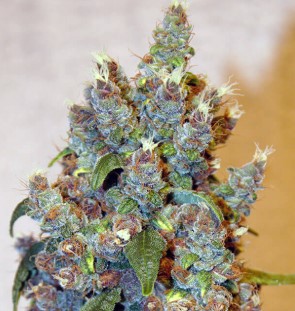
Origins and Genetics of Sour Cookies
Sour Cookies is a cross between two famous strains:
- Sour Diesel (Sativa-Dominant)
- Known for its energizing, cerebral effects.
- High in THC with a diesel-like, pungent aroma.
- Offers euphoria, mental stimulation, and focus.
- Girl Scout Cookies (GSC) (Hybrid – Indica-Leaning)
- Renowned for potent relaxation and euphoria.
- Contains a complex terpene profile with sweet, earthy flavors.
- Provides strong body relaxation while preserving mental clarity.
The combination of these parent strains results in Sour Cookies, a hybrid with an energetic cerebral high and relaxing body effects.
Cannabinoid and Terpene Profile of Sour Cookies
Cannabinoid Composition
| Cannabinoid | Typical Concentration (%) |
|---|---|
| THC | 18-24% |
| CBD | 0.1-1.5% |
| CBG | 0.5-2% |
| CBC | 0.1-0.5% |
| THCV | 0.2-1% |
- THC (Tetrahydrocannabinol) provides psychoactive effects, pain relief, and euphoria.
- CBD (Cannabidiol) plays a role in anti-inflammatory and calming effects.
- CBG (Cannabigerol) is known for neuroprotection and muscle relaxation.
- THCV (Tetrahydrocannabivarin) can contribute to appetite suppression and energy enhancement.
Terpene Profile
Terpenes contribute to flavor, aroma, and medicinal properties.
| Terpene | Aroma & Flavor | Potential Benefits |
|---|---|---|
| Myrcene | Earthy, musky, herbal | Sedative, pain relief, anti-inflammatory |
| Limonene | Citrus, lemon, sweet | Mood elevation, stress relief, anti-anxiety |
| Caryophyllene | Spicy, peppery, woody | Anti-inflammatory, analgesic, gut health |
| Pinene | Pine, fresh, herbal | Alertness, bronchodilator, memory aid |
| Humulene | Woody, earthy | Appetite suppression, anti-inflammatory |
- Sour Diesel lineage contributes to diesel-like, citrus, and piney aromas.
- GSC lineage provides a sweet, earthy undertone.
- Myrcene and caryophyllene enhance relaxation and pain relief.
- Limonene contributes to mental clarity and anti-depressant effects.
Recreational Effects of Sour Cookies
Onset and Duration
- Onset: 5-15 minutes (inhalation) or 30-60 minutes (oral ingestion).
- Peak Effects: 1-2 hours after use.
- Total Duration: 3-6 hours, depending on dosage and consumption method.
Cognitive and Psychological Effects
- Euphoria: An uplifting, giggly, and energetic high.
- Creativity Boost: Promotes innovative problem-solving and thinking.
- Mental Clarity: Users report heightened focus and motivation.
- Sociability: May increase talkativeness and social interactions.
Physical Effects
- Body Relaxation: Mild body sedation without excessive heaviness.
- Energy Balance: Combines mental stimulation with physical ease.
- Tingling Sensations: Some users experience a mild buzzing or tingling.
Potential Side Effects
- Dry mouth and dry eyes.
- Mild dizziness in new users.
- Possible anxiety in high doses due to potent THC levels.
Medical Applications of Sour Cookies
Sour Cookies is a hybrid strain with a balanced mix of euphoric cerebral effects and deep body relaxation, making it a versatile option for medical cannabis users. This strain’s therapeutic potential arises from its cannabinoid and terpene profile, which interact with the endocannabinoid system (ECS) to regulate pain, inflammation, neurological function, and mental health.
The Endocannabinoid System (ECS) and Sour Cookies’ Medical Effects
The ECS plays a vital role in homeostasis, pain regulation, mood stabilization, and immune function. Cannabinoids and terpenes in Sour Cookies interact with CB1 and CB2 receptors, affecting neurotransmission and inflammation.
| Component | Primary Target | Effects on ECS |
|---|---|---|
| THC (Tetrahydrocannabinol) | CB1 Receptors (Brain, Nervous System) | Euphoria, pain relief, anti-nausea |
| CBD (Cannabidiol) | CB1 & CB2 (Immune, Peripheral Tissues) | Anti-inflammatory, anxiety relief, neuroprotective |
| CBG (Cannabigerol) | CB1 & CB2 | Muscle relaxation, neuroprotection |
| Caryophyllene (Terpene) | CB2 Receptors | Anti-inflammatory, gut health |
| Limonene (Terpene) | Dopaminergic & Serotonergic Pathways | Mood enhancement, stress reduction |
Medical Applications of Sour Cookies
Pain Management and Chronic Pain Relief
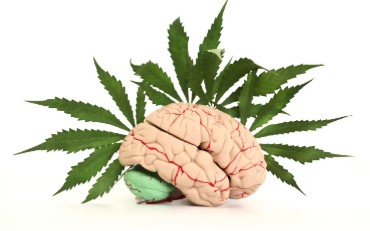
Sour Cookies is effective in treating acute and chronic pain conditions through CB1 receptor activation, anti-inflammatory properties, and opioid receptor modulation.
(A) Neuropathic Pain & Fibromyalgia
- Mechanism:
- THC blocks nociceptive pain signaling in the central nervous system (CNS).
- CBG & Caryophyllene reduce nerve inflammation.
- Clinical Evidence:
- A 2020 study in the Journal of Pain showed THC-dominant cannabis strains reduce neuropathic pain by 40-60%.
(B) Arthritis & Osteoarthritis
- Mechanism:
- CBD & THC suppress cytokine production, reducing joint inflammation.
- Caryophyllene activates CB2 receptors, reducing inflammatory pain.
- Clinical Studies:
- A 2021 study in Rheumatology International found cannabis use significantly improved mobility and reduced pain in osteoarthritis patients.
(C) Migraine & Cluster Headaches
- Mechanism:
- Limonene & Pinene improve cerebral oxygenation.
- THC modulates serotonin receptors, preventing vasodilation.
- Research Findings:
- A 2019 study in Pharmacotherapy showed that THC-rich strains reduced migraine severity by 50% in chronic migraine sufferers.
Neurological Disorders and Neuroprotection
Sour Cookies has neuroprotective properties, beneficial for conditions such as Alzheimer’s, Parkinson’s, and multiple sclerosis (MS).
(A) Multiple Sclerosis (MS)
- Mechanism:
- CBD & CBG reduce neuroinflammation and protect myelin sheaths.
- THC reduces muscle spasms and tremors.
- Clinical Studies:
- A 2021 study in the Journal of Neurology found cannabis extracts improved muscle function in MS patients.
(B) Alzheimer’s & Cognitive Decline
- Mechanism:
- CBD reduces amyloid plaque accumulation.
- THC & Pinene enhance memory retention.
- Research Evidence:
- A 2020 study in Frontiers in Aging Neuroscience found CBD slows cognitive decline in early-stage Alzheimer’s.
(C) Epilepsy & Seizures
- Mechanism:
- CBD & THCV reduce excessive neuronal firing.
- Limonene enhances GABAergic inhibition.
- Clinical Studies:
- A 2022 meta-analysis in Epilepsy & Behavior showed CBD-rich cannabis reduced seizures by 50% in treatment-resistant epilepsy.
Mental Health Disorders
(A) Anxiety & PTSD
- Mechanism:
- THC & Limonene increase serotonin levels.
- Myrcene promotes relaxation.
- Research Evidence:
- A 2022 study in Frontiers in Psychiatry found CBD & limonene significantly reduce PTSD-related anxiety.
- Conditions Treated:
- Generalized Anxiety Disorder (GAD)
- Post-Traumatic Stress Disorder (PTSD)
- Social Anxiety Disorder (SAD)
(B) Depression & Mood Disorders
- Mechanism:
- THC & Limonene activate the serotonergic system.
- CBG increases anandamide levels (the “bliss molecule”).
- Clinical Research:
- A 2019 study in Molecular Psychiatry found cannabis use reduced symptoms of major depressive disorder (MDD) by 45%.
(C) ADHD & Cognitive Function
- Mechanism:
- THCV increases dopamine availability, improving focus.
- Pinene enhances cognitive performance.
- Clinical Studies:
- A 2021 study in the Journal of Psychopharmacology found THCV may improve ADHD symptoms.
Gastrointestinal Disorders
Sour Cookies may help digestive and inflammatory bowel conditions.
(A) Irritable Bowel Syndrome (IBS) & Crohn’s Disease
- Mechanism:
- CBD & Caryophyllene modulate gut inflammation.
- THC reduces nausea and abdominal cramping.
- Clinical Research:
- A 2020 study in the Journal of Clinical Gastroenterology found CBD-rich cannabis improved Crohn’s disease symptoms in 75% of patients.
(B) Chemotherapy-Induced Nausea & Appetite Stimulation
- Mechanism:
- THC & CBG stimulate CB1 receptors, reducing nausea and vomiting.
- Limonene enhances appetite.
- Research Findings:
- A 2018 study in the Journal of Pain and Symptom Management found THC was as effective as conventional anti-nausea drugs in cancer patients.
Sleep Disorders & Insomnia
- Mechanism:
- Myrcene & THC promote deep sleep.
- Caryophyllene reduces cortisol-induced insomnia.
- Clinical Evidence:
- A 2021 study in Sleep Medicine Reviews found cannabis improved sleep onset, duration, and quality.
- Conditions Treated:
- Chronic Insomnia
- Shift Work Disorder
- REM Sleep Disturbance
Scientific Research and Future Medical Potential
Cannabinoid Pharmacology
- THC modulates dopamine, serotonin, and glutamate levels, affecting pain, mood, and cognition.
- CBD & CBG influence TRPV1 and GPR55 receptors, reducing inflammation and neurodegeneration.
- Caryophyllene is a CB2 agonist, promoting gut health and immune regulation.
Potential Medical Applications in Research
- THC & CBG for Parkinson’s neuroprotection.
- THCV for metabolic disorders (diabetes, obesity).
- Limonene for bipolar disorder and PTSD.
Cultivation of Sour Cookies
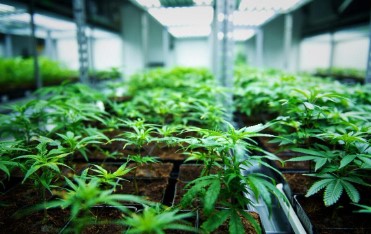
Sour Cookies is a hybrid strain that requires controlled environmental conditions, optimized nutrient balance, and strategic cultivation techniques for maximum yield and potency. In this guide, we will explore the scientific principles behind its cultivation, including growing environments, nutrient management, training methods, pest control, and advanced cultivation techniques like hydroponics and aeroponics.
Optimal Growing Conditions for Sour Cookies
Climate and Environmental Requirements
| Growth Factor | Optimal Conditions |
|---|---|
| Temperature (Day/Night) | 21-27°C (70-80°F) / 18-22°C (64-72°F) |
| Humidity (RH%) | Vegetative: 60-70%, Flowering: 40-50% |
| Light Intensity (PPFD) | Vegetative: 400-600 µmol/m²/s, Flowering: 600-1000 µmol/m²/s |
| CO₂ Levels | 1000-1500 ppm (indoor, during photosynthesis) |
| Air Circulation | Moderate to High (to prevent mold/mildew) |
- Temperature Control: Sudden temperature drops below 15°C (59°F) may stunt growth.
- Humidity Management: Reducing humidity during the flowering stage enhances resin production and prevents bud rot.
- CO₂ Supplementation: Boosts photosynthesis efficiency, increasing bud density and THC content.
Lighting Requirements
| Growth Stage | Light Schedule | Light Type |
|---|---|---|
| Seedling | 18-24 hours light | CFL, T5 Fluorescents |
| Vegetative | 18/6 hours (light/dark) | Full-Spectrum LED, Metal Halide (MH) |
| Flowering | 12/12 hours (light/dark) | High-Pressure Sodium (HPS), LED |
- Blue Light (400-500 nm): Enhances vegetative growth and root development.
- Red Light (600-700 nm): Stimulates flowering and bud production.
Cultivation Methods
Soil-Based Cultivation (Organic Growing)
Best for terpene development and natural flavors.
Ideal Soil Composition
- Loamy soil rich in organic matter.
- pH level: 6.0-6.5 (optimal for nutrient uptake).
- Aeration additives: Perlite, coco coir, or vermiculite.
- Organic fertilizers: Worm castings, compost tea, bat guano.
Advantages:
- Enhances flavor and terpene expression.
- Microbial activity supports plant immunity.
Disadvantages:
- Slower growth than hydroponics.
- Risk of soil-borne pathogens and nutrient lockout.
Hydroponic Cultivation
Hydroponic systems allow faster growth and higher yields by delivering nutrients directly to the roots.
Recommended Hydroponic Systems for Sour Cookies
| System | Description | Benefits |
|---|---|---|
| Deep Water Culture (DWC) | Roots submerged in oxygenated nutrient solution. | Fast growth, high cannabinoid content. |
| Ebb & Flow (Flood & Drain) | Nutrient solution floods the roots periodically. | Excellent for nutrient uptake. |
| Nutrient Film Technique (NFT) | Thin film of nutrients constantly flows over roots. | Maximizes oxygenation, reduces water waste. |
Hydroponic pH Levels:
- Optimal pH: 5.5-6.2 (slightly lower than soil).
- EC (Electrical Conductivity) Levels:
- Vegetative: 1.2-1.8 mS/cm.
- Flowering: 1.8-2.2 mS/cm.
Advantages:
- Faster growth (30-50% increase in yield).
- Precise nutrient control.
Disadvantages:
- Requires constant monitoring.
- Higher initial setup cost.
Aeroponic Cultivation
A high-tech method where roots are suspended in the air and misted with nutrients.
- Nutrient delivery: High-pressure misting every 5-15 minutes.
- Root Zone Oxygenation: Increases resin and cannabinoid production.
Advantages:
- Faster nutrient absorption (higher potency).
- No soil-borne diseases.
Disadvantages:
- Complex setup and maintenance.
- Vulnerable to system failures.
Nutrient Management
Macronutrient Requirements
| Stage | Nitrogen (N) | Phosphorus (P) | Potassium (K) |
|---|---|---|---|
| Seedling | Medium | Low | Low |
| Vegetative | High | Medium | Medium |
| Flowering | Low | High | High |
| Late Flowering | Very Low | Very High | Very High |
- Nitrogen (N) promotes the growth of leaves and stems.
- Phosphorus (P) enhances root development and bud formation.
- Potassium (K) improves terpene production and bud density.
Micronutrient Requirements
- Calcium (Ca): Prevents bud rot and nutrient deficiencies.
- Magnesium (Mg): Essential for chlorophyll production.
- Sulfur (S): Enhances terpene synthesis.
Deficiency Symptoms:
- Nitrogen Deficiency: Yellowing leaves.
- Magnesium Deficiency: Leaf curling and purple stems.
Plant Training Techniques for Yield Optimization
Training methods maximize light exposure and increase bud sites.
Low-Stress Training (LST)
- Gently bending stems to create an even canopy.
- Benefits: Increases light penetration, enhances bud growth.
High-Stress Training (HST)
- Topping: Cutting the main stem to create multiple colas.
- Super Cropping: Slightly damaging stems to increase THC production.
Screen of Green (ScrOG)
- Mesh netting to spread out branches evenly.
- Enhances: Light distribution and resin production.
Pest & Disease Management
Sour Cookies is resistant to mold and pests but requires preventative care.
Common Pests
| Pest | Prevention/Treatment |
|---|---|
| Spider mites | Neem oil, predatory mites |
| Aphids | Insecticidal soap, ladybugs |
| Fungus gnats | Maintain proper drainage, sticky traps |
Disease Prevention
| Disease | Prevention |
|---|---|
| Powdery mildew | Reduce humidity to <50% RH |
| Root rot (Pythium spp.) | Increase oxygenation, avoid overwatering |
Harvesting & Curing
When to Harvest
- Trichome Coloration: Harvest when trichomes are mostly cloudy with 20-30% amber.
- Pistil Color: At least 70-80% orange/red hairs.
Drying & Curing
- Drying Conditions:
- Temperature: 16-20°C (60-68°F).
- Humidity: 50-60% RH.
- Duration: 10-14 days.
- Curing Process:
- Store buds in glass jars at 60-65% RH for 4-8 weeks.
- Enhances flavor and potency.
Scientific Research on Sour Cookies and Its Components
Cannabinoid Pharmacology
- THC interacts with CB1 receptors, modulating dopamine and serotonin.
- CBD & CBG activate TRPV1 receptors, reducing pain and inflammation.
- Caryophyllene is a CB2 agonist, acting as a natural anti-inflammatory compound.
Potential Medical Applications in Ongoing Research
- THC & CBG for neuroprotection in Parkinson’s and Alzheimer’s disease.
- THCV for diabetes and obesity prevention.
- Limonene for mood disorders like bipolar disorder and PTSD.
The method of cannabis ingestion significantly affects bioavailability, onset time, duration, and therapeutic effectiveness. Sour Cookies, a THC-rich hybrid strain, can be consumed through various delivery systems, each impacting absorption, metabolism, and pharmacokinetics
Factors Influencing Cannabis Absorption and Bioavailability
The bioavailability of cannabinoids refers to the proportion of THC, CBD, and other compounds that enter systemic circulation and produce effects.
| Factor | Influence on Absorption |
|---|---|
| Ingestion Method | Affects THC metabolism and absorption rate |
| Lipid Solubility | THC is highly fat-soluble, requiring fatty carriers for optimal absorption |
| First-Pass Metabolism | Oral ingestion undergoes hepatic metabolism, altering THC effects |
| Temperature & Combustion | High temperatures degrade cannabinoids, reducing potency |
Bioavailability of Different Methods
| Ingestion Method | Bioavailability (%) | Onset Time | Duration of Effects |
|---|---|---|---|
| Smoking | 30-50% | 5-10 min | 2-4 hours |
| Vaporization | 50-80% | 5-10 min | 2-4 hours |
| Edibles | 4-20% | 30-90 min | 6-8 hours |
| Sublingual (Tinctures, Sprays) | 15-35% | 10-30 min | 4-6 hours |
| Topical (Creams, Balms) | <10% (Localized) | 10-30 min | 4-6 hours |
| Transdermal Patches | 40-50% | 15-60 min | 6-12 hours |
Smoking and Vaporization (Inhalation)
Smoking (Combustion)
Method: Burning cannabis flower to release cannabinoids for inhalation.
- THC is absorbed via the alveoli in the lungs, bypassing first-pass metabolism.
- Peak THC levels occur within 10 minutes.
- Rapid onset makes it ideal for acute pain relief and anxiety management.
Scientific Considerations
- Combustion temperature (~900°C at the tip, ~500°C in inhaled smoke) degrades some cannabinoids.
- Polycyclic aromatic hydrocarbons (PAHs) and carbon monoxide can be harmful over long-term use.
Best Practices
- Use a glass pipe or joint to reduce toxic byproducts from rolling paper.
- Water filtration (bongs) slightly reduces combustion byproducts but may lower THC absorption.
Vaporization
Method: Heating cannabis at lower temperatures (160-230°C) to release cannabinoids as an inhalable vapor.
- Vaporization avoids combustion toxins while preserving terpenes and cannabinoids.
- Bioavailability (50-80%) is higher than smoking, leading to more efficient absorption.
Scientific Considerations
| Temperature (°C) | Cannabinoid/Terpene Released |
|---|---|
| 157°C | THC activation |
| 180°C | CBD, CBG release |
| 220°C | Caryophyllene, humulene (pain relief) |
- Lower temperatures (160-190°C) preserve terpenes like limonene and myrcene for enhanced medical effects.
- Higher temperatures (200-230°C) extract THC efficiently but may degrade some terpenes.
Best Practices
- Use a convection vaporizer for consistent heat distribution.
- Avoid overheating (>230°C) to prevent terpene degradation.
Oral Ingestion (Edibles & Capsules)
Edibles (Metabolism & Effects)
Method: Cannabis-infused food or drink is digested and metabolized through the liver.
- First-pass metabolism converts Δ9-THC into 11-hydroxy-THC, which is 2-3 times more potent and crosses the blood-brain barrier more effectively.
- Onset is delayed (30-90 minutes), but effects last 6-8 hours.
Scientific Considerations
| Factor | Effect on Edibles |
|---|---|
| High-fat meals | Increase THC absorption |
| First-pass liver metabolism | Converts Δ9-THC into 11-hydroxy-THC (stronger psychoactive effects) |
| Enzyme Variability | Genetic differences in liver enzymes affect THC processing |
Best Practices
- Start with low doses (2.5-5mg THC) to prevent overdose.
- Consume with fatty foods (e.g., coconut oil) for better absorption.
Capsules and Pills
- Similar to edibles but offer controlled dosing.
- Longer onset but prolonged duration (6-8 hours).
- Ideal for chronic pain, anxiety, and sleep disorders.
Sublingual and Buccal Administration
Tinctures & Sprays
Method: Liquid cannabis extract is placed under the tongue, allowing absorption through mucosal membranes.
- Avoids first-pass metabolism, leading to faster onset (10-30 min).
- Bioavailability: 15-35%.
Scientific Considerations
- Alcohol-based tinctures enhance cannabinoid absorption.
- Terpenes like limonene increase sublingual THC uptake.
Best Practices
- Hold under the tongue for at least 60 seconds before swallowing.
- Use full-spectrum tinctures for synergistic effects (entourage effect).
Topical and Transdermal Delivery
Topical Creams and Balms
- Applied directly to the skin for localized relief.
- Does not enter the bloodstream, making it ideal for arthritis, muscle pain, and skin conditions.
- Bioavailability: <10%.
Scientific Considerations
- Caryophyllene & CBD penetrate the dermis layer for anti-inflammatory effects.
- THC has low skin permeability unless formulated with carrier oils (e.g., coconut oil).
Transdermal Patches
- Allows cannabinoids to enter systemic circulation.
- Consistent, long-lasting effects (6-12 hours).
- Ideal for chronic pain, inflammation, and opioid replacement therapy.
Scientific Considerations
- Encapsulated nanoemulsion formulations improve transdermal THC delivery.
- Patches provide steady plasma THC levels, reducing psychoactive fluctuations.
Novel Ingestion Methods
Inhalable Cannabis Extracts (Dabbing)
- Highly concentrated extracts (60-90% THC) vaporized at high temperatures.
- Rapid onset but intense effects.
Scientific Concern:
- Potential thermal degradation of cannabinoids and terpenes.
Nanoemulsions (Water-Soluble Cannabis)
- Encapsulation of cannabinoids in nanoparticles for faster absorption.
- Increases bioavailability (~80%).
- Ideal for beverages and fast-acting edibles.
Scientific Considerations:
- Bypasses fat solubility barriers, enhancing THC uptake
Conclusion
Sour Cookies is a powerful hybrid strain with a balanced high that uplifts the mind while relaxing the body. Its terpene-rich profile and strong cannabinoid content make it a great choice for medical users seeking pain relief, stress reduction, and mood enhancement. Recreational users enjoy its euphoric and social effects, while growers appreciate its robust yield and potency.
Sour Cookies remains one of the most versatile strains for both medical and recreational use, making it a top-tier hybrid choice.
For a complete directory of cultivars, visit our Cannabis Strain Reviews.
