Table of Contents
Sour Cheese is a hybrid cannabis strain renowned for its pungent aroma, complex flavor profile, and a balanced combination of effects. A cross between Sour Diesel and Cheese, this strain blends the energetic and euphoric qualities of Sour Diesel with the relaxing and mood-enhancing effects of Cheese. This guide provides an in-depth analysis of the Sour Cheese strain, detailing its recreational and medical applications, scientific composition, and overall user experience.
Genetic Lineage and Background
Sour Cheese is a hybrid cannabis strain, typically categorized as a slightly sativa-dominant hybrid (60% sativa / 40% indica). It is bred by crossing:
- Sour Diesel – A sativa-dominant strain known for its potent cerebral effects and strong diesel-like aroma.
- Cheese – An indica-dominant strain famous for its deeply relaxing properties and distinctively pungent, cheese-like smell.
The result is a strain that carries a unique balance of uplifting, creative, and euphoric effects while maintaining a physically soothing and mildly sedating quality.
Appearance, Aroma, and Flavor Profile
Appearance:
Sour Cheese buds are typically medium to large in size and display a vibrant green coloration with orange pistils scattered throughout. The nugs are dense and coated with a thick layer of frosty trichomes, indicative of its high THC content. Some phenotypes may exhibit purple hues due to anthocyanins present in the plant.
Aroma:
- Strong cheesy scent with sharp, tangy undertones
- Hints of diesel fuel and citrus
- Earthy, skunky, and slightly nutty notes
- A lingering pungent and musky scent
Flavor:
- Tangy cheese combined with sour citrus
- Diesel and earthy aftertaste
- Slightly sweet and nutty undertones
- Smooth, yet complex on the palate
Cannabinoid Profile
The cannabinoid composition of Sour Cheese can vary depending on the grower and cultivation techniques, but typical values include:
- THC Content: 17% – 24%
- CBD Content: 0.1% – 1%
- CBG: 1% – 2%
- CBC, CBN, and other minor cannabinoids: Trace amounts
This high THC concentration contributes to Sour Cheese’s potent effects, making it suitable for both recreational and medicinal use.
Terpene Profile and Effects
Terpenes are organic compounds that contribute to the aroma, flavor, and effects of cannabis strains. Sour Cheese has a unique terpene profile dominated by:
- Myrcene (Herbal, Musky) – Provides relaxing and sedative effects, enhances THC uptake.
- Limonene (Citrus) – Uplifts mood, reduces stress and anxiety.
- Caryophyllene (Spicy, Peppery) – Anti-inflammatory properties, helps with pain relief.
- Humulene (Earthy, Woody) – Appetite suppressant, anti-inflammatory effects.
- Linalool (Floral, Lavender) – Anti-anxiety, calming, and mildly sedative.
This combination of terpenes enhances the effects of Sour Cheese, offering both mental stimulation and physical relaxation.
Recreational Uses and Effects
Effects:
Sour Cheese delivers a balanced high that combines cerebral stimulation with full-body relaxation. The effects generally occur in the following stages:
- Initial Onset (10–15 min) – A rush of mental euphoria and creativity, characterized by enhanced focus and a giggly, talkative state.
- Peak Effects (30–60 min) – A mix of energetic and uplifting feelings with mild relaxation creeping into the body.
- Come Down (1.5–3 hours) – A transition into a calming and mildly sedative effect, which may lead to relaxation or couch-lock in higher doses.
Best for:
- Social settings – Promotes conversation and laughter.
- Creative activities – Boosts imagination and artistic inspiration.
- Outdoor adventures – Enhances sensory perception and appreciation for nature.
- Daytime or afternoon use – Provides energy without excessive sedation.
Potential Side Effects:
- Dry mouth (cottonmouth)
- Dry eyes
- Mild paranoia or anxiety (in high doses)
- Dizziness (especially for new users)
Medical Applications
Sour Cheese is known for its wide range of therapeutic applications due to its unique balance of cannabinoids and terpenes. It is frequently employed to treat:
Psychological Conditions:
- Depression: Elevates mood and reduces feelings of sadness.
- Anxiety & Stress: Provides mental relaxation without excessive sedation.
- ADHD/ADD: Enhances focus and mental clarity.
- PTSD: Helps with intrusive thoughts and emotional stability.
Physical Conditions:
- Chronic Pain: Offers relief from migraines, arthritis, and muscle tension.
- Fatigue: Boosts energy and motivation.
- Appetite Stimulation: Useful for conditions like anorexia and chemotherapy-induced nausea.
- Inflammation: Alleviates swelling and pain associated with autoimmune disorders.
Cultivation Information
Cultivating Sour Cheese requires a combination of strategic planning, environmental control, and scientific techniques to ensure optimal growth, potency, and yield. Below are the key scientific methods and best practices used in its cultivation.
1. Genetic Selection and Propagation
- Phenotype Selection: Growers select high-yielding phenotypes with desirable traits such as potency, terpene profile, and resilience to pests and diseases.
- Cloning vs. Seeds:
- Cloning ensures genetic consistency, producing plants with identical characteristics to the mother plant.
- Growing from seeds can lead to genetic variation but allows for the potential discovery of new, improved phenotypes.
- Tissue Culture Propagation (Advanced Method): Micropropagation techniques can be used to create virus-free and disease-resistant clones.
2. Optimal Growing Environment
- Temperature:
- Daytime: 70–85°F (21–29°C)
- Nighttime: 60–70°F (16–21°C)
- Avoid extreme fluctuations, which can stress the plant and reduce yield.
- Humidity Levels:
- Vegetative Stage: 50–60% RH
- Flowering Stage: 40–50% RH (Lowering humidity prevents mold and bud rot)
- Drying & Curing: 45–55% RH to preserve terpenes.
- CO₂ Enrichment: Supplemental CO₂ (1000–1500 ppm) in indoor environments boosts photosynthesis and plant growth.
3. Light Spectrum & Photoperiod
- Vegetative Stage (18–6 Light Cycle):
- Best spectrum: Blue-dominant (400-500nm)
- Promotes shorter, bushier plants with dense foliage.
- Flowering Stage (12-12 Light Cycle):
- Best spectrum: Red-dominant (620-700nm)
- Stimulates bud development and resin production.
- Advanced LED Technology:
- Full-spectrum LEDs optimize growth and efficiency.
- UV-B light exposure (280-315nm) increases trichome production.
4. Hydroponic vs. Soil Cultivation
- Soil (Organic Growing)
- Rich, aerated soil with a balanced microbial ecosystem enhances natural terpene production.
- Nutrient mix: Compost, mycorrhizal fungi, worm castings, bat guano for sustained growth.
- Hydroponics (Nutrient Film Technique, Deep Water Culture, etc.)
- Allows precise control over nutrients and pH levels.
- Results in faster vegetative growth and higher yields.
- Requires strict monitoring to prevent root rot and nutrient imbalances.
5. Nutrient Management and pH Control
- Macronutrients:
- Nitrogen (N) – Essential for vegetative growth.
- Phosphorus (P) – Critical for flowering and root development.
- Potassium (K) – Enhances overall plant health, terpene synthesis, and trichome production.
- Micronutrients:
- Calcium (Ca), Magnesium (Mg), Zinc (Zn), Iron (Fe), Sulfur (S) for enzymatic functions and plant resilience.
- pH Levels:
- Soil: 6.0–6.5
- Hydroponics: 5.5–6.0
- Maintaining proper pH ensures optimal nutrient absorption.
6. Training Techniques for High Yield
- Low-Stress Training (LST): Bending branches to increase light exposure.
- High-Stress Training (HST): Topping or super cropping to maximize bud sites.
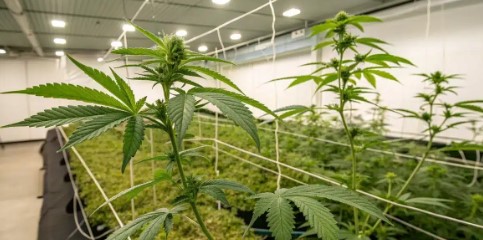
- Screen of Green (ScrOG): Uses a net to create a uniform canopy, ensuring even light distribution.
- Defoliation: Removing excess fan leaves for better air circulation and light penetration.
7. Pest and Disease Management (IPM)
- Biological Control:
- Beneficial insects like ladybugs and predatory mites combat spider mites and aphids.
- Natural Sprays:
- Neem oil, insecticidal soap, and organic fungicides prevent infestations.
- Companion Planting:
- Plants like basil, marigolds, and garlic repel pests naturally.
- Sterile Environment:
- HEPA filters, UV sterilization, and strict hygiene in indoor grow rooms prevent contamination.
8. Harvesting, Drying, and Curing
- Harvest Timing:
- Best when trichomes turn cloudy with amber heads, indicating peak cannabinoid content.
- Drying Process:
- Temperature: 60–70°F (15–21°C)
- Humidity: 50–55% RH
- Slow drying (7–14 days) preserves terpenes and potency.
- Curing (Glass Jar Method):
- Store buds in airtight jars at 60–65% RH.
- Open jars daily for 10–15 minutes for the first 2 weeks to prevent mold.
- Proper curing enhances flavor, smoothness, and potency.
9. Advanced Cultivation Techniques
- Aeroponics:
- Roots are suspended in the air and sprayed with nutrient mist.
- Increases oxygen absorption, leading to rapid growth.
- Tissue Culture (Micropropagation):
- Allows growers to produce disease-free clones in a sterile environment.
- Light Stress Training for Resin Production:
- Controlled UV-B exposure increases trichome density.
- Selective Breeding:
- Crossbreeding elite phenotypes improves THC, terpene expression, and resistance.
Scientific Research and Pharmacology
Sour Cheese’s effects are largely driven by the interaction between cannabinoids and terpenes in the endocannabinoid system (ECS). The synergistic effect (also known as the entourage effect) enhances the strain’s medical efficacy.
Key Pharmacological Effects:
- CB1 and CB2 Receptor Interaction – THC activates CB1 receptors in the brain, leading to euphoria and pain relief. CBD interacts with CB2 receptors, offering anti-inflammatory benefits.
- Neurotransmitter Modulation – Sour Cheese influences dopamine and serotonin levels, which contribute to its antidepressant and anxiolytic properties.
- Anti-Inflammatory Action – Beta-caryophyllene, a unique terpene, binds to CB2 receptors, reducing pain and swelling.
Methods of Ingestion
A. Inhalation (Smoking & Vaporization)
1. Smoking (Joints, Pipes, Bongs)
- Onset: 1–5 minutes (Rapid absorption through the lungs)
- Peak Effects: 30–60 minutes
- Total Duration: 2–4 hours
- Bioavailability: ~25–30%
- Mechanism: THC and terpenes are combusted and absorbed through alveoli into the bloodstream, reaching the CB1 receptors in the brain almost immediately.
- Pros:
- Quick onset
- Easy to control dosage
- Full entourage effect (terpenes + cannabinoids)
- Cons:
- Combustion creates carcinogens and tar
- Possible irritation to lungs and throat
- Less efficient THC absorption than vaping
2. Vaporization (Dry Herb & Concentrates)
- Onset: 1–3 minutes
- Peak Effects: 15–45 minutes
- Total Duration: 2–5 hours
- Bioavailability: ~50–60% (Higher than smoking)
- Mechanism: Instead of combustion, cannabis is heated to a specific temperature (~350–400°F) where cannabinoids and terpenes vaporize without burning.
- Pros:
- Fewer toxins and no combustion byproducts
- Higher bioavailability (better THC absorption)
- Terpenes are preserved, enhancing flavor and entourage effect
- Cons:
- Requires specialized devices
- Slightly slower onset than smoking
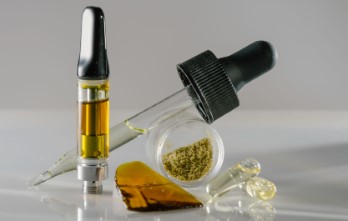
B. Oral Consumption (Edibles, Tinctures, Capsules)
1. Edibles (THC-Infused Gummies, Baked Goods, Beverages)
- Onset: 30–120 minutes (Digestive system processing)
- Peak Effects: 2–4 hours
- Total Duration: 6–12 hours
- Bioavailability: 4–20% (Lower due to first-pass metabolism)
- Mechanism: THC is metabolized in the liver into 11-hydroxy-THC, a more potent and longer-lasting metabolite that crosses the blood-brain barrier more efficiently.
- Pros:
- Long-lasting effects
- No lung irritation
- Precise dosing
- Cons:
- Slow onset, leading to possible overconsumption
- Effects can be more intense due to 11-hydroxy-THC
- Difficult to titrate the correct dose

2. Sublingual (Tinctures, THC Sprays, Lozenges)
- Onset: 15–45 minutes (Direct absorption via mucous membranes)
- Peak Effects: 1–2 hours
- Total Duration: 4–6 hours
- Bioavailability: 35–50%
- Mechanism: Absorbed through sublingual capillaries, bypassing first-pass metabolism and entering the bloodstream quickly.
- Pros:
- Faster onset than edibles
- No lung irritation
- More predictable dosing compared to edibles
- Cons:
- Can have an unpleasant taste
- Shorter duration compared to edibles
3. Capsules & Pills
- Onset: 30–90 minutes (Similar to edibles)
- Peak Effects: 2–4 hours
- Total Duration: 6–10 hours
- Bioavailability: 4–20% (First-pass metabolism reduces THC availability)
- Mechanism: Capsules break down in the stomach, and THC undergoes liver metabolism.
- Pros:
- Discreet & convenient
- Precise dosing
- Long-lasting effects
- Cons:
- Slow onset
- Less absorption due to digestive breakdown
C. Topical and Transdermal Applications
1. Topicals (Creams, Lotions, Balms)
- Onset: 15–30 minutes
- Peak Effects: 30–90 minutes
- Total Duration: 1–4 hours
- Bioavailability: Minimal systemic absorption (Mostly localized)
- Mechanism: Cannabinoids bind to CB2 receptors in the skin, reducing localized inflammation and pain without entering the bloodstream.
- Pros:
- Non-psychoactive (no “high”)
- Effective for pain relief, inflammation, and skin conditions
- Cons:
- Limited to surface-level effects
- Does not produce systemic effects
2. Transdermal Patches
- Onset: 15–60 minutes
- Peak Effects: 1–3 hours
- Total Duration: 6–12 hours
- Bioavailability: Higher than topicals (Systemic absorption)
- Mechanism: Slowly releases cannabinoids through the skin into the bloodstream, providing a steady and prolonged effect.
- Pros:
- Long-lasting relief
- Non-invasive
- No psychoactive peaks (steady THC release)
- Cons:
- Limited product availability
- Slower absorption compared to inhalation
Onset, Peak, and Duration Comparisons
| Method | Onset Time | Peak Effects | Total Duration | Bioavailability |
|---|---|---|---|---|
| Smoking | 1–5 min | 30–60 min | 2–4 hours | 25–30% |
| Vaporization | 1–3 min | 15–45 min | 2–5 hours | 50–60% |
| Edibles | 30–120 min | 2–4 hours | 6–12 hours | 4–20% |
| Sublingual | 15–45 min | 1–2 hours | 4–6 hours | 35–50% |
| Capsules | 30–90 min | 2–4 hours | 6–10 hours | 4–20% |
| Topicals | 15–30 min | 30–90 min | 1–4 hours | Minimal |
| Transdermal | 15–60 min | 1–3 hours | 6–12 hours | High |
Pharmacokinetic Considerations
- First-Pass Metabolism (Oral Methods): Edibles and capsules experience significant breakdown in the liver, converting THC generating the stronger and more persistent 11-hydroxy-THC.
- Pulmonary Absorption (Inhalation Methods): Smoking and vaping deliver THC directly into the bloodstream, resulting in rapid onset and shorter duration.
- Sublingual Absorption: Bypasses first-pass metabolism, leading to faster onset and higher bioavailability than edibles.
- Topical vs. Transdermal: Topicals do not enter the bloodstream, while transdermal patches gradually release THC into circulation.
Consumer Reviews and Experiences
Users report that Sour Cheese is a versatile strain with a pleasant blend of mental clarity and physical relaxation. Common feedback includes:
- “Perfect for socializing and creative projects.”
- “Energizing yet relaxing—great for daytime use.”
- “Strong aroma but smooth on the inhale.”
- “Helps relieve stress and anxiety without making me too sleepy.”
Conclusion
Sour Cheese is a well-rounded hybrid strain that combines the best traits of Sour Diesel and Cheese. Whether used for recreational purposes or medicinal benefits, it provides an uplifting and euphoric experience with mild relaxation. With its distinct flavor profile, potent effects, and therapeutic applications, Sour Cheese remains a popular choice for both novice and experienced cannabis consumers.
Final Thoughts:
- Ideal for those seeking mental stimulation without excessive sedation.
- Suitable for daytime or afternoon use.
- Beneficial for pain relief, anxiety, and depression.
- A broad spectrum of people can use it due to its moderate THC levels.
If you are looking for a strain that offers a balance of creativity, relaxation, and medical benefits, Sour Cheese is an excellent choice.
For a complete directory of cultivars, visit our Cannabis Strain Reviews.
