Table of Contents
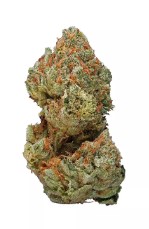
Sour Bubba is an indica-dominant hybrid cannabis strain that brings together two powerful cultivars: Sour Diesel and Bubba Kush. This fusion results in a strain known for its heavy body effects, cerebral calm, and potent relief of pain, stress, and sleep disorders. With a rich terpene profile and robust cannabinoid chemistry, Sour Bubba has become a mainstay in the cannabis community for both medical and recreational purposes.
Genetic Lineage and Botanical Traits
Parent Strains
- Sour Diesel: A sativa-dominant strain known for its energizing cerebral high and pungent diesel aroma. High in THC, limonene, and pinene.
- Bubba Kush: A classic indica with strong sedative effects, earthy flavor, and high levels of myrcene and caryophyllene.
Sour Bubba Hybrid Characteristics
- Indica-dominant (approximately 70/30 indica/sativa)
- THC levels: 18–26%
- CBD content: <1%
- Growth structure: Compact, bushy, broad fan leaves
- Flowering period: 8–9 weeks (indoors); early October (outdoors)
- Aroma and flavor: Earthy, diesel, sour citrus, coffee, spice
This genotype provides a synergistic balance between the sedative qualities of Bubba Kush and the mental invigoration of Sour Diesel.
Phytochemical Profile
A. Cannabinoids
| Cannabinoid | Range (%) | Function |
|---|---|---|
| THC | 18–26 | Psychoactive, analgesic, anti-inflammatory |
| CBD | <1 | Anxiolytic, antipsychotic, neuroprotective |
| CBG | 0.5–1.5 | Anti-inflammatory, neurogenic, antibacterial |
| CBC | 0.3–1.0 | Antidepressant, analgesic, anti-inflammatory |
| THCV | 0.1–0.4 | Appetite suppressant, anticonvulsant |
While THC is the dominant cannabinoid, the presence of CBG and CBC enhances the anti-inflammatory and mood-stabilizing properties of Sour Bubba.
B. Terpene Profile
| Terpene | Concentration | Effects |
|---|---|---|
| Myrcene | High | Sedative, muscle relaxant, pain relief |
| Caryophyllene | Moderate–High | CB2 agonist, anti-inflammatory |
| Limonene | Moderate | Uplifting, anti-anxiety |
| Pinene | Low–Moderate | Bronchodilator, memory-enhancer |
| Linalool | Trace–Moderate | Anxiolytic, sedative |
| Humulene | Trace–Low | Appetite suppressant, anti-inflammatory |
The terpene composition leans toward calming, anti-inflammatory, and analgesic effects — ideal for managing both mental and physical symptoms.
Endocannabinoid System Mechanisms of Action
The endocannabinoid system (ECS) is a regulatory signaling network consisting of:
- CB1 receptors (central nervous system)
- CB2 receptors (immune and peripheral tissues)
- Endogenous ligands (anandamide, 2-AG)
- Enzymes (FAAH, MAGL)
THC
- Binds CB1 → modulates pain, mood, appetite, memory
- Binds CB2 (weakly) → suppresses inflammation
- Stimulates dopamine release in nucleus accumbens → euphoria, reward
- Alters glutamate/GABA balance in limbic system → mood and anxiety modulation
CBD
- Allosteric modulator of CB1 → attenuates THC’s psychoactivity
- Agonist at 5-HT1A → reduces anxiety, panic, depression
- Inhibits FAAH enzyme → increases anandamide, promoting CB1/CB2 activation
CBG & CBC
- Activate TRPV1 and TRPA1 → modulate nociception and inflammation
- Promote neurogenesis in hippocampal regions → enhance mood and cognition
Caryophyllene
- Selective CB2 agonist → reduces inflammation, especially in joints and GI tract
Limonene and Linalool
- Act on serotonin and dopamine receptors
- Produce antidepressant, anxiolytic, and anti-stress effects
Medical Applications of Sour Bubba
Sour Bubba is an indica-dominant hybrid with strong Afghan-Kush lineage, displaying broad leaves, compact internodes, and dense resin-rich flowers. Cultivating this strain optimally involves balancing environmental controls, nutrient strategies, and training methods to maximize trichome density, terpene production, and cannabinoid concentration.
1. Environmental Requirements
| Growth Phase | Temp (Day/Night) | Humidity (%) | VPD (kPa) |
|---|---|---|---|
| Vegetative | 24–28°C / 18–21°C | 55–70 | 0.8–1.2 |
| Flowering | 20–26°C / 16–20°C | 40–50 | 1.2–1.6 |
- VPD (Vapor Pressure Deficit) control is critical to optimize transpiration and nutrient uptake.
- Humidity reduction in flowering prevents botrytis in dense colas.
2. Light Parameters
- Photoperiod: 18/6 (veg), 12/12 (flower)
- PPFD: 400–600 µmol/m²/s (veg), 800–1000 µmol/m²/s (flower)
- Spectrum:
- Veg: Blue-heavy spectrum (400–500 nm) promotes short, bushy morphology.
- Flower: Red and far-red (620–750 nm) + UVB (<320 nm) increases trichome density and THC biosynthesis.
3. Substrate and Root Zone
- Preferred Medium: Organic soil or soilless mix (e.g., coco/perlite) for terpene expression.
- Hydroponics: Increases yield, but may reduce aroma unless supplemented with organic boosters.
- pH:
- Soil: 6.2–6.8
- Coco: 5.8–6.2
- EC Range:
- Veg: 1.2–1.6 mS/cm
- Flower: 1.8–2.2 mS/cm
4. Nutrient Strategy
- Nitrogen: High in veg, lower in flower to prevent leafy buds.
- Phosphorus & Potassium: Elevated in bloom to promote bud density and resin.
- Micronutrients (Mg, Fe, Zn): Required for THCA synthase activity and chlorophyll synthesis.
Additives:
- Silica: Improves pathogen resistance and trichome rigidity.
- Molasses or microbial teas: Enhance soil biology and terpene synthesis.
5. Training Techniques
- Topping: Performed early in veg (4–6 nodes) to promote lateral growth.
- Low-Stress Training (LST): Encourages light penetration into inner canopy.
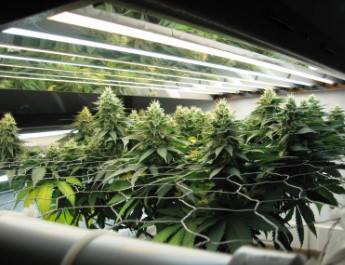
- SCROG (Screen of Green): Helps maximize yield in small spaces.
- Defoliation: Mid-flower (week 3–5) to reduce humidity and improve airflow in thick foliage.
6. Flowering & Harvest
- Flowering Time: 8–9 weeks
- Harvest Indicators:
- 70–85% of pistils darkened
- Trichomes mostly cloudy with 10–20% amber
- Drying Conditions: 18–20°C, 55% RH for 10–14 days
- Curing: 60–65% RH in jars for 4–6 weeks to stabilize terpenes and degrade residual chlorophyll.
Scientific Medical Uses of Sour Bubba
Sour Bubba offers diverse medical benefits due to its high THC content (18–26%), minor cannabinoid spectrum, and a terpene-rich profile dominated by myrcene, caryophyllene, and limonene.
1. Pain Management
- THC in Sour Bubba modulates nociception via CB1 receptor activation in CNS, suppressing pain perception.
- Caryophyllene, a CB2 agonist, reduces inflammatory pain without psychoactivity.
- Myrcene contributes analgesic synergy, likely interacting with opioid and adenosine receptors.
- TRP channel activity (via CBG and CBC) enhances peripheral desensitization of nociceptors.
Indications:
- Neuropathy
- Osteoarthritis
- Migraines
- Menstrual cramps
2. Inflammatory Conditions
- CB2 engagement by caryophyllene and minor cannabinoids in Sour Bubba modulates cytokine expression (e.g., IL-1β, TNF-α).
- TRPV1 activation by CBD/CBG desensitizes sensory neurons and reduces peripheral inflammation.
Indications:
- Rheumatoid arthritis
- Inflammatory bowel disease
- Psoriasis and dermatitis
3. Anxiety and PTSD
- Limonene in Sour Bubba increases serotonin and dopamine levels, producing a mood-lifting effect.
- CBD and CBC (even in low concentrations) modulate 5-HT1A and GABA-A receptors, reducing panic and anxiety.
- THC at low doses reduces amygdala hyperactivity, enhancing emotional resilience.
Effective for:
- Generalized Anxiety Disorder (GAD)
- Stress-related insomnia
- PTSD-related hypervigilance
4. Sleep Disorders
- Myrcene in Sour Bubba is deeply sedative and synergizes with THC to reduce sleep latency.
- THC decreases REM sleep — useful for nightmares in PTSD.
- Caryophyllene may improve sleep architecture by reducing cytokine-mediated arousal.
Indications:
- Primary insomnia
- Chronic pain–induced sleep disruption
- Nightmares or REM behavior disorder
5. Mood Disorders and Depression
- Limonene in Sour Bubba modulates monoamines via cAMP signaling, enhancing mood.
- Low-to-moderate THC increases dopamine in the ventral striatum — a key factor in depression recovery.
- CBC has neurogenic effects, supporting hippocampal resilience and cognitive function.
Indications:
- Mild to moderate depression
- Seasonal Affective Disorder (SAD)
- Anhedonia and fatigue-linked dysthymia
6. Appetite Stimulation and GI Disorders
- THC in Sour Bubba activates CB1 receptors in hypothalamus → increases ghrelin, appetite stimulation.
- CBG supports gut motility and enteric neuron health.
- Limonene aids digestion and reduces nausea.
Useful in:
- Cachexia (cancer, HIV/AIDS)
- IBS/IBD flare-ups
- Chemotherapy-induced anorexia or nausea
Recreational Uses and Psychotropic Effects
Sour Bubba is sought after recreationally for its multi-phase experience, which begins with a mild cerebral lift followed by a powerful body stone.
Onset and Duration
- Onset (inhalation): 5–15 minutes
- Peak effects: 30–90 minutes
- Duration: 2–4 hours
Recreational Phases
- Early phase (0–30 min): Euphoric, talkative, mildly energizing
- Mid phase (30–90 min): Calm introspection, body heaviness
- Late phase (90+ min): Sedative, potentially couch-locking
Preferred Settings
- Evenings or post-work relaxation
- Meditation, deep conversation, music
- Intimate settings, sleep preparation
- Daytime focus work
- Operating machinery or vehicles
- High-stakes social settings (may be too sedative for some)
Not typically ideal for:
Scientific Insights into Cultivation
I. Cultivar Profile and Growth Behavior
Genotype Overview
- Type: Indica-dominant hybrid (~70% indica / 30% sativa)
- Genetic Lineage: Sour Diesel × Bubba Kush
- Preferred Environments: Controlled indoor grows, greenhouses, or dry outdoor climates
Growth Characteristics
- Height: Medium (90–130 cm indoors)
- Structure: Bushy, broad leaves, tight internodes
- Stretch: Moderate during flowering transition (~1.5×)
- Resin Production: High (ideal for extraction)
- Aroma Sensitivity: Pungent — requires odor control indoors
Sour Bubba expresses dense floral morphology, with compact colas and high trichome coverage, necessitating strong airflow and humidity control to prevent mold and bud rot.
II. Environmental Requirements and Climate Control
A. Temperature and Humidity
| Phase | Day Temp (°C) | Night Temp (°C) | Relative Humidity (%) | VPD (kPa) |
|---|---|---|---|---|
| Vegetative | 24–28 | 18–22 | 55–65 | 0.8–1.2 |
| Early Flower | 22–26 | 18–20 | 45–55 | 1.0–1.3 |
| Late Flower | 20–24 | 16–18 | 35–45 | 1.2–1.5 |
| Dry/Cure Phase | 18–21 | 15–18 | 55–60 (cure) | 0.7–1.0 |
Maintaining proper vapor pressure deficit (VPD) is crucial for maximizing transpiration efficiency and nutrient uptake, especially during flowering when Sour Bubba’s dense buds are prone to powdery mildew and Botrytis.
B. Lighting and Photoperiod
| Phase | Light Cycle | PPFD (μmol/m²/s) | Spectrum |
|---|---|---|---|
| Seedling | 18/6 | 150–250 | Blue-heavy (450–500 nm) |
| Vegetative | 18/6 | 400–600 | Full spectrum with ~30% blue |
| Flowering | 12/12 | 700–1000 | Red-heavy (600–660 nm) + UV-B (late) |
| Ripening Boost | 12/12 | 900–1100 | Add far-red or UV-B (280–320 nm) |
Supplemental UV-B radiation in late flowering (final 10–14 days) has been shown to increase trichome density and THC levels by triggering the plant’s natural defense responses.
III. Root Zone and Growing Mediums
A. Soil and Living Organics
- Ideal for flavor and terpene expression
- Should be amended with: worm castings, bat guano, mycorrhizal fungi, kelp meal, compost
- Maintain pH: 6.2–6.8
B. Coco Coir (Soilless)
- Provides fast drainage and high oxygenation
- Requires daily feeding with runoff
- Supplement with Calcium (Ca) and Magnesium (Mg) regularly
C. Hydroponics (e.g., DWC or RDWC)
- Allows precise control of nutrients and EC
- Supports rapid vegetative growth
- Maintain pH: 5.8–6.2, EC: 1.4–2.2
Hydro systems may increase yield but can slightly reduce terpene diversity unless terpenoid precursors or organic amendments are used (e.g., molasses in late flower).
IV. Nutrient Management
Macronutrient Phases
| Stage | N | P | K | Mg/Ca | Focus |
|---|---|---|---|---|---|
| Vegetative | High | Medium | High | Moderate | Leaf expansion, stem growth |
| Pre-Flower Stretch | Medium | High | High | Medium | Transition, flowering site prep |
| Mid-Flower | Low | High | Very High | Medium | Resin, terpene, cannabinoid synthesis |
| Late Flower (Ripening) | Very Low | High | High | Low | Flavor development, flushing |
- Silica (Si) supplementation in veg improves stem strength.
- Amino acids and fulvic acid in flower enhance nutrient transport and resin production.
Micronutrients
- Iron, manganese, boron, molybdenum, copper, zinc
- Essential as co-factors in enzyme systems related to THCA/CBGA synthase activity
- Use chelated micronutrient blends for better absorption, especially in soilless systems
V. Training Techniques and Yield Optimization
Recommended Techniques
- Topping: Encourages lateral growth and increases cola sites
- Low-Stress Training (LST): Helps control canopy height and improve light penetration
- Screen of Green (ScrOG): Maximizes space utilization in indoor grows
- Defoliation: Targeted removal of inner fan leaves improves airflow and light access
Avoid aggressive high-stress training during flowering, as it may reduce resin production in this genetically sensitive cultivar.
Plant Spacing
- Indoor: 2–4 plants/m² (ScrOG preferred)
- Outdoor: 1.5–2 m between plants to accommodate lateral growth
VI. Flowering and Harvesting Considerations
Flowering Timeline
- Total time: ~8–9 weeks (56–65 days)
- Best harvested when:
- 70–80% of pistils have darkened
- Trichomes are mostly cloudy with ~10–15% amber
Late harvest increases CBN content, which may benefit sleep and sedation but reduce THC potency slightly.
VII. Post-Harvest: Drying and Curing for Medicinal Quality
Drying
- Temp: 18–21°C (65–70°F)
- Humidity: 50–60%
- Duration: 10–14 days (slow-dried for terpene preservation)
Curing
- Cure in airtight glass jars at 60–62% RH
- Burp daily for 2 weeks; taper off to once weekly after 3–4 weeks
- Full cure: 4–8 weeks minimum; improves smoke smoothness, aroma, and potency stability
Proper curing protects monoterpenes like limonene and pinene, which degrade quickly in high temps or with light exposure.
VIII. Yield Expectations and Quality Metrics
| Grow Type | Yield per m² | Potency | Terpene Retention |
|---|---|---|---|
| Indoor Soil | 400–500g | Moderate–High THC | Excellent |
| Indoor Hydro | 450–600g | High THC | Moderate (needs terpene support) |
| Outdoor | 600–800g/plant | Variable | Good if climate is dry |
Sour Bubba thrives under intensive care, especially when soil biology and VPD are carefully balanced. While yields are moderate compared to tall sativa strains, resin density and trichome concentration are exceptional, making it popular among hashmakers and extract artists.
IX. Cultivation Summary for Medical Producers
| Goal | Strategy |
|---|---|
| High cannabinoid production | UV-B supplementation, phosphorus-potassium boosts during mid-late flower |
| Maximum terpene expression | Use of organic living soil, cool curing, no late flower defoliation |
| Anti-mold precautions | Low RH in flowering, airflow, preventative biological sprays (e.g., bacillus) |
| Consistent quality | Cloning preferred over seed for pheno stability |
Safety, Tolerance, and Side Effects
Common Side Effects
- Dry mouth (xerostomia)
- Dry/red eyes
- Lightheadedness at higher doses
- Potential for anxiety/paranoia if overconsumed (especially in THC-sensitive individuals)
Tolerance and Dependency
- Moderate THC content may lead to tolerance with daily use
- Generally low risk for cannabis use disorder, but habitual sedation should be monitored
Contraindications
- History of psychotic disorders
- Cardiovascular issues (due to potential tachycardia)
- Pregnancy or breastfeeding (lack of safety data)
Comparative Strain Analysis
| Strain | THC % | Dominant Terpenes | Primary Effects |
|---|---|---|---|
| Sour Bubba | 18–26 | Myrcene, Caryophyllene | Sedative, calming, analgesic |
| OG Kush | 19–25 | Myrcene, Limonene | Relaxing, euphoric, pain relief |
| Northern Lights | 17–22 | Myrcene, Pinene | Heavy sedation, deep sleep aid |
| Girl Scout Cookies | 20–28 | Caryophyllene, Limonene | Euphoric, creative, relaxing |
Sour Bubba sits firmly in the relaxant category, making it one of the most reliable strains for nighttime medical use.
Summary and Clinical Relevance
Sour Bubba is a biochemically rich indica-dominant hybrid with significant value for both recreational users seeking full-body relaxation and patients managing conditions such as:
- Chronic pain and neuropathy
- Insomnia and sleep disorders
- Anxiety, PTSD, and depression
- Autoimmune inflammation
- Appetite loss and GI dysfunction
Its robust cannabinoid-terpene synergy, particularly involving THC, CBG, myrcene, and caryophyllene, allows it to engage multiple pharmacological pathways, including CB1/CB2, TRP channels, and monoamine systems.
From a clinical perspective, Sour Bubba may serve as a holistic therapeutic adjunct, capable of replacing or reducing polypharmacy in conditions involving pain, mood, sleep, and inflammation — provided it’s used with careful attention to dose, timing, and individual tolerance.
For a complete directory of cultivars, visit our Cannabis Strain Reviews.
