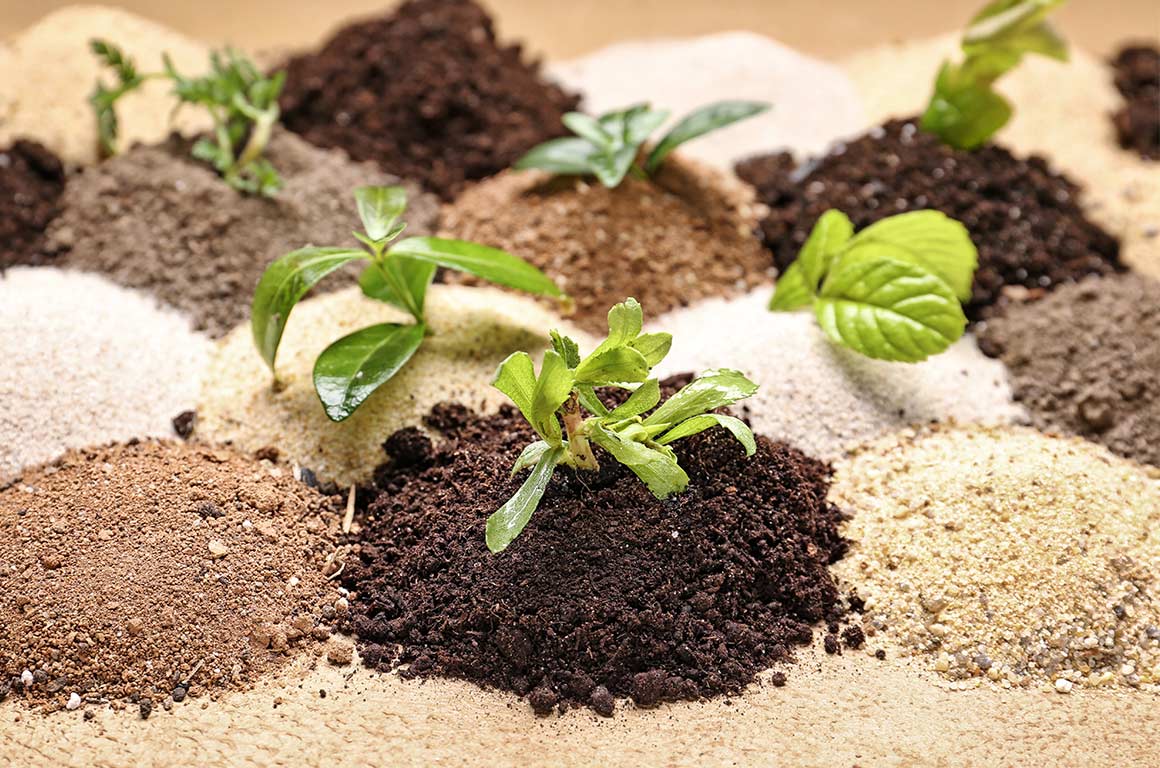
Soil vs. Soilless Growing Mediums for Medical Cannabis Cultivation
The cultivation of medical cannabis is a rapidly growing field, driven by the increasing recognition of cannabis’s potential to treat various medical conditions such as chronic pain, anxiety, seizures, and many more. One of the most critical decisions in the cultivation process is the choice of a growing medium. This factor significantly impacts the overall health of the cannabis plant, its growth rate, and ultimately, the quality and potency of the product. In this article, we will explore in detail two primary methods of growing cannabis: in soil and using soilless growing mediums. This discussion will focus solely on the medical cannabis industry and emphasize the importance of each medium in producing high-quality, medical-grade cannabis.
Introduction to Cannabis Cultivation
Before delving into the intricacies of soil and soilless growing mediums, it’s important to understand the basic principles of cannabis cultivation, particularly within the context of medical use. The goal of cultivating medical cannabis is not merely to produce a high yield, but to grow a plant with optimal levels of cannabinoids such as THC (Tetrahydrocannabinol), CBD (Cannabidiol), and other beneficial compounds like terpenes and flavonoids that contribute to the therapeutic properties of the plant.
Medical cannabis must meet stringent standards, as any contaminants, incorrect nutrient levels, or improper growing conditions can affect both the potency and safety of the plant. For patients with compromised immune systems or chronic conditions, such as cancer patients or those suffering from severe epilepsy, consuming medical cannabis that is free from toxins, molds, or pesticides is essential. This makes the choice of growing medium not only a practical decision for yield and plant health but a matter of patient safety.
Understanding the Role of a Growing Medium
A growing medium is the material in which a cannabis plant’s roots grow and develop. It provides structural support to the plant, retains moisture, allows for the exchange of oxygen and carbon dioxide, and delivers nutrients to the plant’s roots. The growing medium can have a significant effect on the root system’s ability to absorb water and nutrients, which in turn influences the plant’s overall health and yield.
Soil-Based Growing Mediums
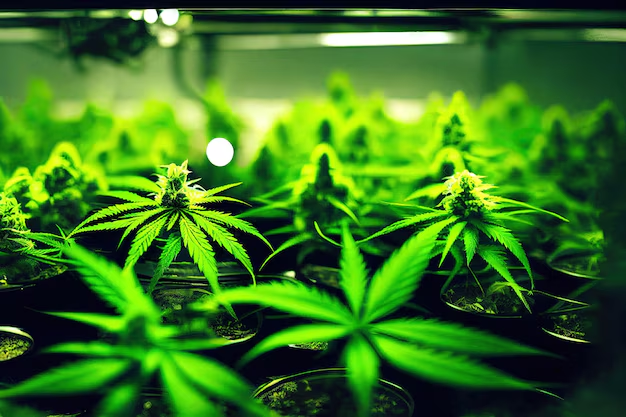
Soil is the most traditional growing medium and has been used in agriculture for thousands of years. In the context of cannabis cultivation, soil is still widely used, especially by smaller-scale growers and those who prefer organic growing methods. The natural composition of soil contains nutrients that are essential for plant growth, such as nitrogen (N), phosphorus (P), and potassium (K), along with a wide variety of beneficial microorganisms that help break down organic matter into forms that plants can absorb.
Benefits of Soil for Medical Cannabis Cultivation
- Organic Growing Potential: One of the primary benefits of using soil as a growing medium for medical cannabis is that it allows for organic cultivation practices. Organic soil, rich in compost, earthworm castings, and other organic material, provides a natural source of nutrients. This results in cannabis that can be marketed as organic, which is often preferred in the medical industry due to concerns over pesticide residues and chemical additives.
- Microbial Activity: The soil’s microbial ecosystem is an integral part of plant health. Organic matter is broken down into forms that cannabis plants can readily absorb by beneficial bacteria, fungus, and other soil microbes. These microbes can also protect the plant from harmful pathogens, increasing its resistance to diseases.
- Buffering Capacity: Soil has a higher buffering capacity compared to soilless mediums. This means that soil is more forgiving of fluctuations in pH and nutrient levels, making it easier for growers to maintain stable growing conditions. For novice growers or those managing smaller operations, soil provides a more stable environment where minor errors in nutrient delivery or watering schedules are less likely to harm the plant.
- Terpene and Cannabinoid Profile: Soil-grown cannabis is often associated with a more complex and robust terpene profile. Terpenes are the aromatic compounds in cannabis that have been found to have therapeutic effects, such as anti-inflammatory and anti-anxiety properties. The unique combination of nutrients and microorganisms in soil can enhance the expression of these compounds, making soil-grown cannabis desirable for medical use.
Challenges of Soil in Medical Cannabis Cultivation
- Pest and Disease Control: While the microbial ecosystem in soil can be beneficial, it can also harbor harmful pathogens such as molds, fungi, and pests. Medical cannabis must meet high standards for cleanliness and purity, and soil can introduce contaminants that pose risks, especially to patients with weakened immune systems.
- Nutrient Management: Although soil contains natural nutrients, the availability of those nutrients can be unpredictable. Organic growers, in particular, may face challenges in ensuring that the cannabis plants receive the right amounts of each nutrient at the right time. Soil also tends to hold onto water and nutrients, which can make it difficult to correct overfeeding or nutrient imbalances quickly.
- Slower Growth Rate: Compared to soilless growing mediums, soil-grown cannabis tends to grow more slowly. This can be a drawback for commercial operations that need to maximize production rates, though some medical growers may prioritize quality over speed.
- Difficulty in Standardization: Consistency is key in medical cannabis cultivation. Patients rely on a stable product with predictable effects. Soil, however, can vary in composition from one batch to the next, making it more difficult to standardize the growing process.
Soilless Growing Mediums
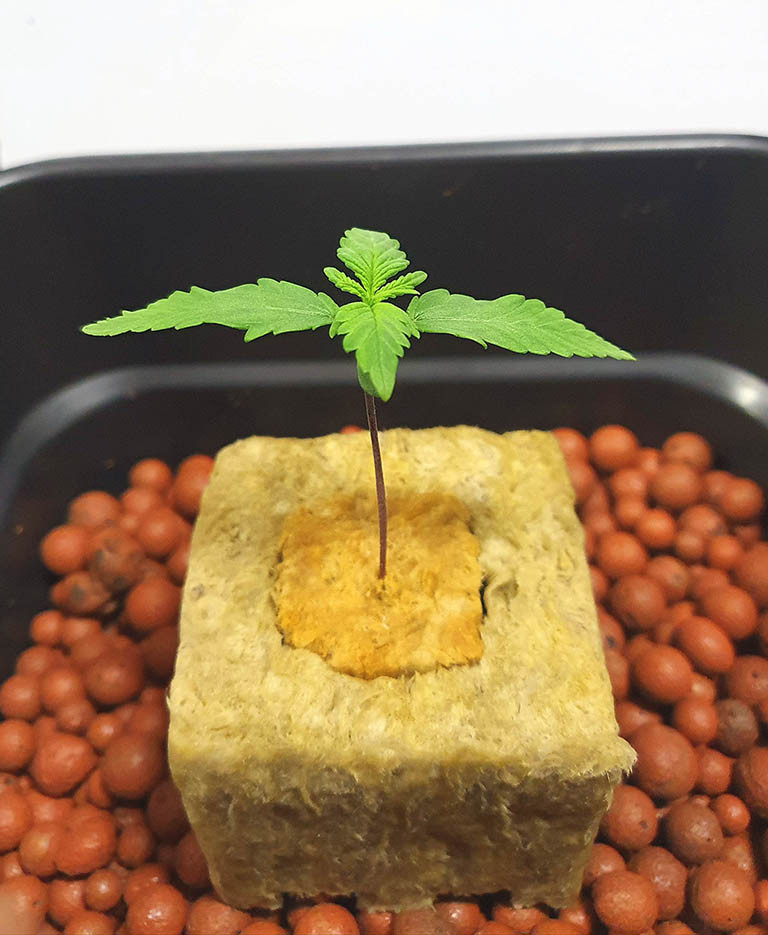
Soilless growing mediums encompass a wide variety of substrates that do not contain any natural soil. These mediums include coco coir, perlite, vermiculite, peat moss, and rockwool, as well as hydroponic systems that use water as the primary growing medium. Soilless cultivation has gained popularity among both hobbyists and commercial growers due to its ability to provide more control over the growing environment and plant nutrition.
Types of Soilless Growing Mediums
- Coco Coir: One of the most common soilless growing media for cannabis is coco coir, which is made from the husks of coconuts. It gives the roots a healthy balance of moisture and air and has outstanding water retention qualities.
- Perlite: Lightweight and porous, perlite is frequently used with other materials to enhance drainage and aeration. It does not retain much water, which helps prevent overwatering and root rot.
- Vermiculite: The mineral vermiculite, which expands when heated, is frequently used with other materials to enhance aeration and water retention.
- Peat Moss: Peat moss is an organic material that retains moisture well and provides a slightly acidic environment, which can be beneficial for cannabis plants.
- Rockwool: Rockwool is a man-made growing medium derived from volcanic rock. It retains moisture and nutrients exceptionally well and is often used in hydroponic systems.
- Hydroponics: In hydroponic systems, no traditional growing medium is used. Instead, cannabis plants are grown in nutrient-rich water solutions. Various hydroponic setups exist, including deep water culture, nutrient film technique, and aeroponics.
Benefits of Soilless Mediums for Medical Cannabis Cultivation
- Precise Nutrient Control: One of the most significant advantages of soilless growing mediums is the control they offer over nutrient delivery. In these systems, growers can provide an exact nutrient mix tailored to the needs of the cannabis plant at each stage of its growth cycle. This precise control ensures that the plant receives optimal nutrition, leading to faster growth, higher yields, and potentially higher concentrations of therapeutic cannabinoids like CBD and THC.
- Faster Growth: Cannabis plants grown in soilless mediums tend to grow faster than those grown in soil. This is primarily due to the increased oxygenation and improved nutrient availability to the roots. Faster growth means shorter cultivation cycles, which is advantageous for medical cannabis producers who need to meet high patient demand.
- Reduced Risk of Pests and Diseases: Many soilless mediums, especially those used in hydroponic systems, are sterile and free from pathogens and pests. This reduces the risk of infestations and diseases, which is crucial for maintaining the purity and safety of medical cannabis. In sterile systems like hydroponics, the likelihood of soil-borne diseases such as root rot is significantly decreased.
- Increased Yield: Because plants can grow faster and more efficiently in soilless systems, they tend to produce higher yields compared to soil-grown plants. This is especially beneficial in commercial medical cannabis operations where high productivity is needed to meet patient demand without sacrificing quality.
- Consistency and Standardization: Soilless mediums provide greater consistency in growing conditions, which makes it easier for growers to produce a standardized product. This consistency is critical in the medical cannabis industry, where patients expect reliable and predictable outcomes from the cannabis they use for therapeutic purposes.
Challenges of Soilless Mediums in Medical Cannabis Cultivation
- Higher Initial Costs: Setting up a soilless system, especially a hydroponic or aeroponic system, requires a significant upfront investment. The infrastructure needed to maintain precise control over nutrient delivery, water pH, and oxygen levels can be expensive. However, for large-scale medical cannabis producers, the return on investment may justify these higher initial costs.
- Skill and Attention Required: While soilless systems offer precise control over growing conditions, they also require a higher level of skill and attention from the grower. Mistakes in nutrient delivery, pH balance, or oxygenation can quickly lead to plant stress or even death. This makes soilless systems less forgiving than soil, especially for novice growers.
- Limited Microbial Activity: In contrast to soil, soilless systems generally lack the beneficial microbial ecosystem that supports plant health. While some growers may introduce microbial inoculants into soilless systems, these ecosystems are typically not as robust or self-sustaining as those found in natural soil.
- Potential for Overfeeding and Nutrient Imbalances: In soilless systems, nutrients are delivered directly to the plant’s roots, which means that nutrient imbalances can occur more quickly. Overfeeding, in particular, can lead to nutrient burn, where the plant takes in more nutrients than it can handle. Careful monitoring is necessary to prevent these issues.
- Water and Energy Use: Some soilless systems, particularly hydroponics, can use large amounts of water and electricity. Hydroponic setups require pumps, lighting, and ventilation systems that can be energy-intensive. However, modern innovations in hydroponics, such as closed-loop systems, have helped to reduce water and energy use.
Comparing Soil and Soilless Mediums for Medical Cannabis Cultivation
When choosing between soil and soilless growing mediums for medical cannabis cultivation, it’s essential to consider the specific goals of the grower and the unique requirements of the medical cannabis market. Here’s a summary comparison of key factors:
| Factor | Soil | Soilless Mediums |
|---|---|---|
| Control Over Nutrients | Limited control, reliant on soil composition | Full control over nutrient delivery |
| Growth Speed | Slower growth rate | Faster growth rate |
| Microbial Activity | High, beneficial microbes support plant health | Limited, but can be supplemented |
| Pest/Disease Risk | Higher risk due to natural pathogens in soil | Lower risk, especially in hydroponic systems |
| Yield | Lower yield potential | Higher yield potential |
| Consistency | More variability due to soil differences | Greater consistency and standardization |
| Initial Costs | Lower initial setup costs | Higher initial costs, especially for hydroponics |
| Ease of Use | Easier for beginners, more forgiving | Requires more attention and skill |
| Organic Certification | Easier to grow organically | More challenging but possible with coco coir or peat |
| Patient Safety | Risk of contaminants from soil pests/pathogens | Cleaner product with fewer contaminants risks |
Restrictions on Growing and Using Cannabis in the Medical Field

In many countries, medical cannabis is highly regulated, with strict guidelines governing its cultivation, use, and prescription. These restrictions aim to ensure the safety and efficacy of cannabis as a treatment and to prevent misuse or recreational use. Below is an outline of the key restrictions on growing and using medical cannabis, as well as monitoring THC levels to prevent psychoactive effects.
1. Legal Framework and Licenses
- Restricted Licenses: Only licensed facilities, often regulated by governmental health agencies, are allowed to cultivate medical cannabis. These facilities must meet stringent security, safety, and quality control standards.
- Medical-Use Only: Cannabis can only be prescribed by certified healthcare providers for specific medical conditions that have been recognized by local health authorities, such as chronic pain, epilepsy, or chemotherapy-induced nausea.
- Patient Registration: Patients using medical cannabis must often be registered with a government-approved program, ensuring that they are using cannabis legally and under medical supervision.
2. Cannabis as a Last Resort
- Treatment Guidelines: Medical cannabis is typically prescribed as a last resort, meaning that patients must have tried other conventional therapies before being eligible for cannabis treatment.
- Physician Oversight: Physicians must document that all other treatments have failed or have not provided adequate relief before recommending medical cannabis. This guarantees that cannabis is saved for situations where it is most necessary rather than being used as a first-line treatment.
3. Monitoring THC Levels
- THC Content Control: Cultivators are required to monitor and limit the THC content in medical cannabis strains and products. This is to prevent psychoactive effects, especially in vulnerable patients, such as children or those with mental health conditions.
- CBD-THC Ratio: Many medical cannabis products are designed to have a higher ratio of CBD (Cannabidiol) to THC (Tetrahydrocannabinol) to reduce psychoactive effects while still providing therapeutic benefits.
- Standardized Testing: All medical cannabis products must undergo rigorous testing to ensure consistent THC levels that fall within legal and medically acceptable limits. Regular testing helps in maintaining product safety and reducing the risk of psychoactive effects.
4. Dosing and Psychoactive Effect Prevention
- Low-THC Strains: Medical cannabis often comes in low-THC formulations to minimize psychoactivity, especially for patients who do not need the euphoric effects of THC for therapeutic purposes.
- Controlled Dosing: Medical cannabis is usually available in controlled doses, such as capsules, oils, or patches, to ensure that patients receive a consistent amount of THC and CBD. This prevents accidental overdosing, which could lead to unwanted psychoactive effects.
5. Monitoring and Follow-Up
- Regular Monitoring: Patients prescribed medical cannabis are often required to undergo regular follow-ups with their physician to monitor its effects, including any potential psychoactive reactions or unwanted side effects.
- Patient Education: Medical cannabis users are educated about the psychoactive potential of THC and advised on how to minimize or avoid it, such as through low-THC products or CBD-dominant formulations.
Conclusion
In the realm of medical cannabis cultivation and use, the choice between soil and soilless growing mediums plays a crucial role in determining the quality, consistency, and safety of the product. Soil-based growing methods offer a more traditional approach, with benefits like microbial activity and organic certification potential, but come with challenges such as pest risk and slower growth. In contrast, soilless growing mediums, especially hydroponics and coco coir, provide precise control over nutrients, faster growth, and a cleaner, more controlled environment, making them ideal for large-scale medical cannabis operations.
For medical cannabis, ensuring the safety and therapeutic efficacy of the product is of utmost importance. The legal framework surrounding the cultivation and use of medical cannabis imposes strict restrictions, with cannabis often being prescribed only as a last resort after other treatments have failed. The cultivation process is tightly controlled, with licenses, strict testing standards, and regular monitoring to ensure compliance with regulations. The use of medical cannabis requires careful management of THC levels to prevent unwanted psychoactive effects, especially for vulnerable patients.
Ultimately, the combination of stringent regulations and advanced cultivation methods helps ensure that medical cannabis meets the highest standards of quality, safety, and efficacy. By adhering to these guidelines, medical cannabis can serve as a reliable and effective treatment option for patients who require it, while minimizing risks and ensuring consistent therapeutic outcomes.
