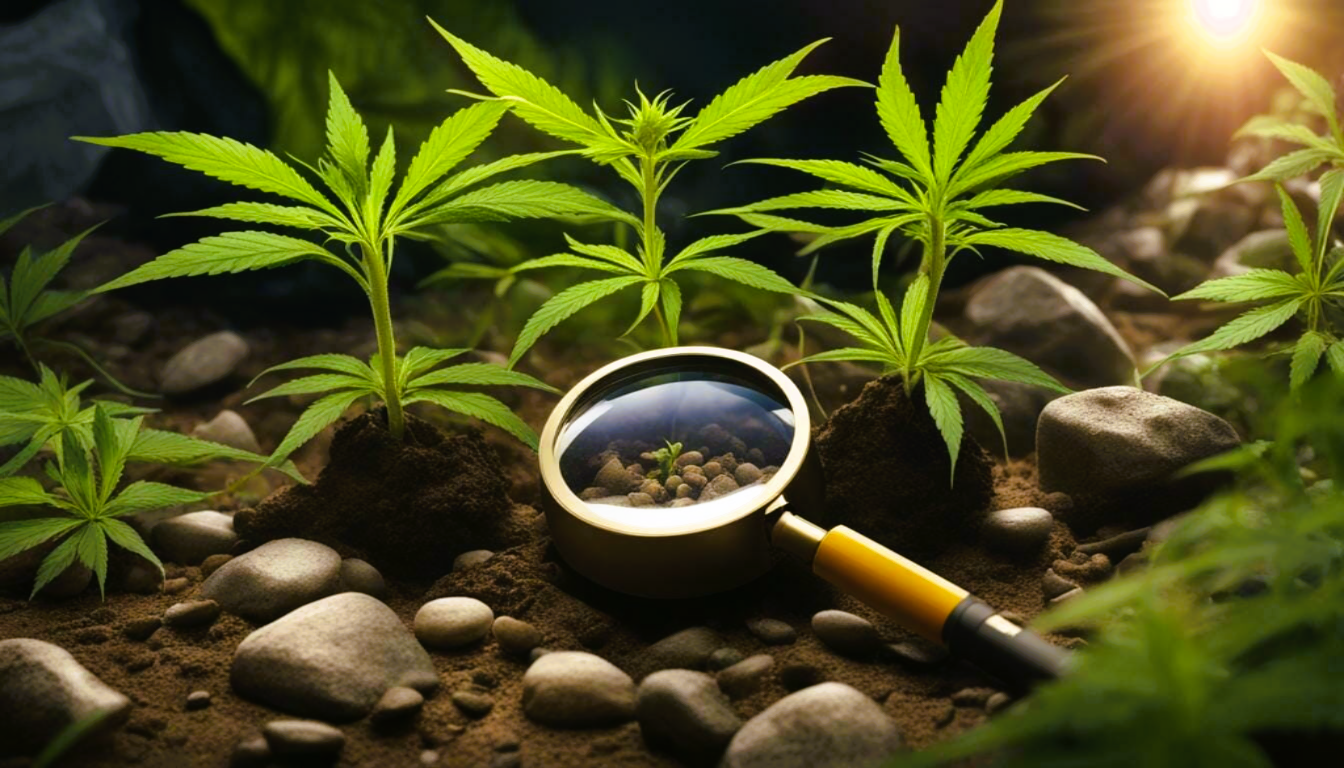
Soil Health and Its Connection to Medical Cannabis Terpene Production
Introduction
Soil health plays a crucial role in medical cannabis cultivation, impacting plant quality and terpene production. Terpenes, aromatic compounds with therapeutic potential, influence cannabis’ fragrance, flavor, and medicinal properties. The dynamic processes in healthy soil support optimal plant growth and terpene synthesis. Research highlights the “entourage effect,” where the combination of cannabinoids and terpenes enhances the overall therapeutic benefits of medical cannabis.
This paper explores the intricate connection between soil health and terpene production in medical cannabis, delving into how optimal soil conditions contribute to higher terpene content and better-quality medicinal cannabis. By examining the various components of soil health—including microbial activity, nutrient availability, organic matter, and pH—this work emphasizes how cultivating medical cannabis in rich, well-maintained soil can improve terpene profiles and, consequently, the plant’s therapeutic potential.
1. Understanding Soil Health: Components and Indicators
Soil health is a multifaceted concept that refers to the continued capacity of soil to function as a vital living ecosystem that sustains plants, animals, and humans. Healthy soil supports robust plant growth by ensuring proper nutrient cycling, water filtration, and habitat for a variety of organisms. The key indicators of soil health include:
- Soil Structure and Texture: Well-structured soil allows for adequate root penetration, water retention, and oxygenation. The ratios of sand, silt, and clay determine the texture of the soil, which influences its capacity to hold onto water and nutrients.
- Soil Organic Matter (SOM): Organic matter is essential for maintaining soil fertility. It enhances soil structure, retains more water, and feeds microorganisms—all of which are essential for the cycling of nutrients.
- Microbial Activity: The breakdown of organic debris, transformation of nutrients into forms that plants can absorb, and disease prevention are all made possible by the soil microbiome.
- Nutrient Availability: The availability of essential nutrients like nitrogen (N), phosphorus (P), and potassium (K), along with trace minerals such as magnesium, calcium, and sulfur, is vital for plant health and terpene biosynthesis.
- Soil pH: Microbial activity and nutrient availability are impacted by soil pH. The pH range of 6.0 to 7.0 is ideal for the majority of cannabis plants.
Each of these factors interconnects, creating a soil environment that can either enhance or hinder terpene production in medical cannabis.
2. Terpenes and Their Role in Medical Cannabis
Terpenes are volatile organic compounds produced by the cannabis plant, largely within the trichomes (glandular hairs), which are also the primary sites of cannabinoid production. These substances give cannabis its unique flavor and aroma. More significantly, they have a number of medicinal uses. Some of the most well-known terpenes found in medical cannabis include:
- Myrcene: One of the most prevalent terpenes in cannabis, myrcene is well-known for its calming and muscle-relaxing effects. It frequently has anti-inflammatory and pain-relieving properties.
- Limonene: This citrus-scented terpene is recognized for its mood-enhancing and anti-anxiety properties. Limonene also exhibits antifungal and antibacterial activity.
- Linalool: Linalool is well-known for its calming and anxiolytic properties, as well as its flowery scent. It is often used in treating anxiety, depression, and insomnia.
- Pinene: As the name suggests, pinene has a pine-like scent and is linked to anti-inflammatory, bronchodilator, and memory-enhancing properties.
- Caryophyllene: This peppery, spicy terpene has analgesic, neuroprotective, and anti-inflammatory properties through its interactions with the body’s endocannabinoid system.
- Humulene: Known for its potential anti-inflammatory and appetite-suppressing properties, humulene has a distinct earthy, woody aroma.
The production of these terpenes is not fixed; it varies based on environmental factors, particularly soil conditions. Hence, enhancing soil health is pivotal in maximizing the medicinal value of cannabis by promoting optimal terpene biosynthesis.
3. The Biological Mechanisms of Terpene Production in Cannabis
In plants, terpenes are produced by two main pathways: the methylerythritol phosphate (MEP) pathway and the mevalonate (MVA) process. Both pathways are influenced by various environmental and genetic factors. However, the soil in which cannabis is grown has a profound impact on these pathways.
The MVA pathway occurs in the cytosol, and the MEP pathway takes place in the plastids (organelles involved in photosynthesis). Both of these pathways rely on an adequate supply of carbon, which is provided through photosynthesis, and energy, primarily in the form of adenosine triphosphate (ATP). Additionally, these processes require specific enzymes and cofactors that are sensitive to the availability of micronutrients and macronutrients within the soil.
Nutrient imbalances, particularly deficiencies in key minerals like phosphorus, magnesium, and nitrogen, can disrupt these metabolic pathways, leading to decreased terpene production. Conversely, well-balanced, nutrient-rich soil can optimize these biochemical processes, resulting in higher concentrations of terpenes.
Soil also indirectly influences terpene production through its effect on the plant’s stress response. Terpenes serve as a plant defense mechanism against pests, pathogens, and environmental stressors like UV light and drought. Healthy soil supports the plant’s overall vigor, helping it manage stress and thereby promoting the biosynthesis of terpenes.
4. Soil Microbial Activity and Terpene Production
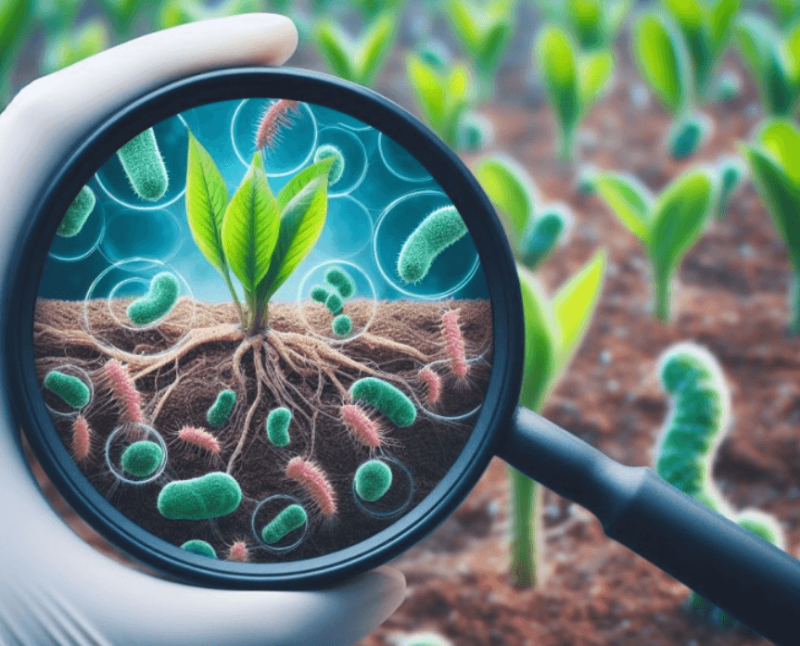
The microbial community within the soil plays a central role in the availability of nutrients to the cannabis plant, which in turn affects terpene synthesis. Beneficial soil microbes, such as bacteria, fungi, and archaea, decompose organic matter, fix atmospheric nitrogen, and solubilize phosphorus, making these nutrients available for plant uptake. Furthermore, specific microbial strains may interact with the plant’s roots (rhizosphere) to enhance secondary metabolite production, including terpenes.
- Mycorrhizal Fungi: These symbiotic fungi form associations with the roots of cannabis plants, extending the plant’s root system and increasing the absorption of water and nutrients, particularly phosphorus. By improving the general health and resistance to environmental stress of the plant, mycorrhizal fungi also promote the production of terpenes.
- Rhizobacteria: Certain strains of beneficial bacteria, known as plant growth-promoting rhizobacteria (PGPR), can increase the bioavailability of essential nutrients and promote root growth. PGPR has also been shown to stimulate the production of secondary metabolites like terpenes in other medicinal plants, suggesting a similar effect in cannabis.
- Composting and Vermicomposting: These organic soil amendment practices can boost microbial activity by increasing the availability of organic matter and nutrients. Compost and vermicompost (compost produced with the help of worms) are rich in humic substances, which have been shown to enhance plant secondary metabolism, including terpene biosynthesis.
The health and diversity of the soil microbiome are critical to terpene production. By maintaining a thriving microbial ecosystem through the use of organic practices, growers can promote higher terpene concentrations in medical cannabis plants.
5. Organic Matter and Nutrient Cycling
Soil organic matter (SOM) is fundamental to soil health and plays a pivotal role in nutrient cycling, water retention, and microbial activity. It comprises decaying plant and animal material, living organisms, and the substances they produce, such as humic acids. In medical cannabis cultivation, the importance of SOM cannot be overstated when considering its role in terpene production.
- Nutrient Retention and Release: Organic matter acts as a reservoir for essential nutrients, slowly releasing them into the soil as it decomposes. This slow release ensures that nutrients like nitrogen, phosphorus, and potassium are available to the cannabis plant throughout its growth cycle, supporting terpene biosynthesis at critical stages of development.
- Improving Soil Structure: Organic matter enhances soil structure by promoting the formation of aggregates, which improve aeration, water infiltration, and root growth. Better root growth allows the cannabis plant to access more nutrients and water, supporting overall plant health and terpene production.
- Chelation of Micronutrients: Organic matter contains humic substances that can chelate (bind) essential micronutrients, such as iron, zinc, and manganese, making them more available for plant uptake. Enzyme activity and metabolic functions, including terpene production, depend heavily on these micronutrients.
- Carbon Sequestration: By helping to sequester carbon in the soil, organic matter improves microbial activity and, consequently, the cannabis plant’s access to nutrients. This increased microbial activity can promote the production of secondary metabolites, including terpenes.
Growers focused on optimizing terpene production in medical cannabis should prioritize building and maintaining high levels of organic matter in the soil through practices like cover cropping, mulching, and the use of organic fertilizers.
6. Nutrient Management for Terpene Production
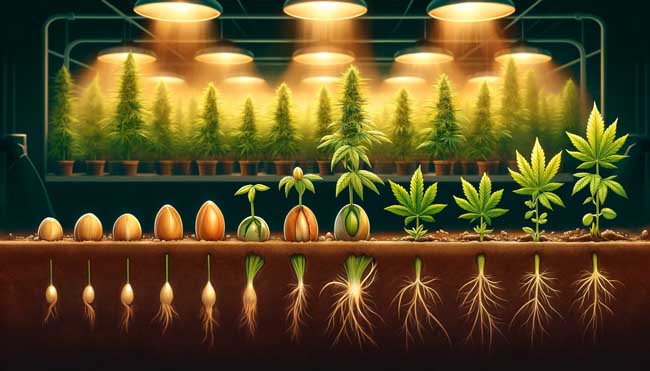
The macronutrients (N, P, K) and micronutrients required for cannabis growth play direct and indirect roles in the plant’s capacity to produce terpenes. While over-fertilization can lead to nutrient imbalances and suboptimal terpene profiles, careful nutrient management can significantly enhance terpene production.
- Nitrogen (N): Essential for vegetative growth, nitrogen also plays a role in enzyme synthesis necessary for terpene biosynthesis. However, excessive nitrogen can lead to lush, leafy growth at the expense of flower and terpene production. Balancing nitrogen levels during the flowering stage is crucial for optimal terpene yield.
- Phosphorus (P): Phosphorus is particularly important during the flowering stage, where it supports energy transfer within the plant, driving terpene biosynthesis through the MVA and MEP pathways. Phosphorus deficiency during flowering can limit terpene production.
- Potassium (K): This nutrient supports overall plant health and stress resilience, which indirectly promotes terpene production. Potassium is involved in regulating water use and transpiration, processes that are crucial for maintaining the plant’s metabolic balance during terpene synthesis.
- Calcium (Ca), Magnesium (Mg), and Sulfur (S): These secondary macronutrients are essential for the structural integrity of the plant and for enzyme function. Magnesium, in particular, is a key component of chlorophyll, necessary for photosynthesis and the production of the carbon compounds that serve as precursors to terpene biosynthesis. Sulfur is involved in the formation of sulfur-containing terpenes, adding to the complexity of cannabis’ aromatic profile.
- Micronutrients: Trace elements like iron (Fe), zinc (Zn), and boron (B) are required in small quantities but are critical for enzyme function and the regulation of metabolic pathways involved in terpene biosynthesis.
Growers aiming to maximize terpene production should implement a nutrient management plan that avoids over-fertilization, which can dilute terpene content, and ensures a balanced supply of both macro- and micronutrients throughout the plant’s life cycle.
7. Soil pH and Its Impact on Terpene Synthesis
Soil pH is a critical factor in nutrient availability and microbial activity, both of which influence terpene production in cannabis. Cannabis prefers a slightly acidic to neutral soil pH, typically in the range of 6.0–7.0. Outside of this range, nutrient availability can become restricted, leading to deficiencies that affect terpene biosynthesis.
- Acidic Soils (pH < 6.0): In highly acidic soils, the availability of essential nutrients like phosphorus, magnesium, and calcium is reduced, while toxic elements like aluminum and manganese can become more soluble, potentially harming the plant. This imbalance can negatively impact terpene production by limiting the availability of key nutrients involved in metabolic pathways.
- Alkaline Soils (pH > 7.0): In alkaline soils, micronutrients like iron, zinc, and manganese become less available, potentially disrupting enzymatic functions and terpene biosynthesis. Additionally, alkaline conditions can inhibit microbial activity, further reducing nutrient availability.
Maintaining the correct soil pH through the use of amendments like lime (to raise pH) or sulfur (to lower pH) is essential for ensuring optimal terpene production in medical cannabis.
8. Sustainable and Regenerative Farming Practices for Enhanced Terpene Production
Sustainable and regenerative farming practices are gaining popularity among medical cannabis growers as they offer long-term benefits for soil health and, by extension, terpene production. These practices focus on building soil organic matter, enhancing biodiversity, and improving nutrient cycling, all of which contribute to higher terpene concentrations.
- Cover Cropping: In addition to adding organic matter and preventing soil erosion, growing cover crops in between cannabis growing seasons can also improve soil structure. Legumes and other cover crops have the ability to fix nitrogen, which lowers the demand for synthetic fertilizers and encourages a balanced nutritional profile for the production of terpenes.
- Crop Rotation: Rotating cannabis with other crops helps prevent the buildup of pests and diseases in the soil, reducing the need for chemical pesticides that could harm beneficial soil microbes involved in nutrient cycling and terpene production.
- Composting: The addition of compost enriches the soil with organic matter, boosts microbial activity, and improves nutrient availability. Additionally, compost can bring beneficial bacteria that boost terpene production and encourage healthy root development.
- No-Till Farming: No-till practices preserve the soil structure and protect the microbial communities essential for nutrient cycling and terpene production. Tillage disrupts the soil’s natural balance, which can negatively affect microbial populations and reduce the availability of nutrients critical for terpene synthesis.
- Use of Organic Amendments: Organic fertilizers and soil amendments, such as fish emulsion, bone meal, and seaweed extracts, provide a slow, steady release of nutrients that support terpene biosynthesis without causing nutrient imbalances.
By adopting sustainable and regenerative farming practices, medical cannabis growers can enhance soil health, which, in turn, promotes higher terpene concentrations and improves the therapeutic quality of the final product.
Restrictions on Growing and Using Cannabis in the Medical Field (as a Last Resort)
In the medical field, the use of cannabis is often tightly regulated and typically considered a treatment of last resort. Governments and healthcare systems impose various restrictions to ensure cannabis is used only when traditional treatments have been exhausted, and they emphasize patient safety by monitoring the psychoactive effects of tetrahydrocannabinol (THC). Below is a summary of these restrictions and safety measures:
1. Growing Restrictions for Medical Cannabis
- Licensing and Regulation: Only licensed and government-approved cultivators are allowed to grow medical cannabis. These growers must adhere to strict regulations that ensure product quality, potency, and safety.
- Growing Standards: Medical cannabis cultivation requires stringent conditions, including regular soil and water testing, ensuring the absence of contaminants such as pesticides, heavy metals, and pathogens.
- Monitoring THC and CBD Levels: Growers must maintain strict control over THC (the psychoactive compound) and cannabidiol (CBD, the non-psychoactive compound) levels in their strains to meet medical requirements.
2. Restrictions on Use in the Medical Field
- Last Resort Policy: Medical cannabis is typically prescribed only when other conventional treatments have failed or are unsuitable due to severe side effects or lack of efficacy.
- Medical Supervision: Cannabis-based medications must be prescribed and administered under the supervision of a licensed medical professional. Ongoing patient monitoring ensures the treatment’s appropriateness and effectiveness.
- Strict Indications: Generally speaking, medical cannabis is only used to treat specific illnesses, including multiple sclerosis, chronic pain, epilepsy, and nausea brought on by chemotherapy.
3. Monitoring THC Levels in Medications
- Low-THC Formulations: To minimize psychoactive effects, medical cannabis products are often formulated with low THC concentrations or high CBD content. In some countries, THC levels in medical cannabis are capped by law.
- Dosage Control: Medical professionals monitor the dosing of THC-containing products closely to prevent any adverse psychoactive effects, particularly in vulnerable patients, such as the elderly or those with mental health conditions.
- Regular Testing: Medical cannabis products undergo rigorous testing to verify that THC levels remain within safe, prescribed limits.
Conclusion
The role of soil health in medical cannabis cultivation and the production of valuable therapeutic compounds, especially terpenes, underscores the critical connection between cultivation practices and the quality of medicinal cannabis. Healthy, nutrient-rich soil promotes the robust production of terpenes, which are essential in enhancing the medicinal properties of cannabis through their therapeutic effects and their contribution to the “entourage effect” when combined with cannabinoids. By employing sustainable farming practices that prioritize organic matter, microbial activity, and proper nutrient management, cultivators can maximize the medicinal potential of cannabis plants.
When it comes to the use of cannabis in the medical field, strict regulations ensure that its application is safe and controlled. Growing medical cannabis requires adherence to high standards to guarantee patient safety, including monitoring THC levels to limit psychoactive effects. Generally speaking, cannabis is only utilized as a last option when more traditional forms of treatment have failed. Healthcare professionals closely supervise its use, focusing on specific medical conditions where cannabis has been shown to provide relief, all while carefully managing dosing to prevent unwanted psychoactive effects.
In summary, the relationship between soil health and terpene production, along with stringent regulations surrounding the medical use of cannabis, highlights the need for a balanced and carefully controlled approach to ensure that cannabis serves its intended therapeutic purposes while maintaining patient safety. By focusing on optimal cultivation practices and tightly controlled medical applications, medical cannabis can continue to offer valuable treatments for a variety of health conditions without compromising safety or efficacy.
