
Soil Contamination Risks and Precautions for Medical Cannabis Cultivation
Medical cannabis cultivation offers significant health benefits but must follow strict safety standards to ensure product safety, particularly for patients with compromised immune systems. Managing soil health is crucial, as soil contamination can negatively impact the quality and safety of cannabis plants. This summary explores the risks of soil contamination in medical cannabis cultivation and outlines precautions to mitigate these risks.
I. Understanding Soil Contamination in Medical Cannabis Cultivation
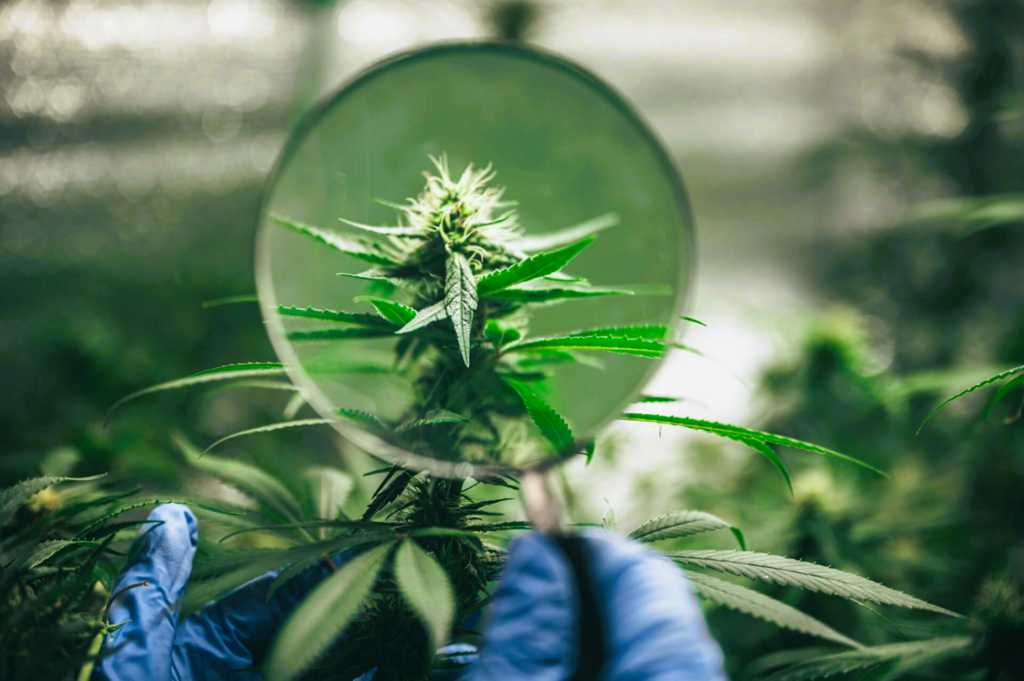
A. Defining Soil Contamination
Soil contamination occurs when hazardous chemicals, pathogens, or heavy metals are present in the soil at levels harmful to plant life, animals, or humans. When it comes to growing medical cannabis, contaminated soil can cause toxic compounds to build up inside the plant. These contaminants can be passed on to patients who consume cannabis products, potentially causing serious health issues.
B. Common Contaminants Found in Soil
- Heavy Metals
- Lead (Pb): Found in soil due to industrial pollution, lead is highly toxic and can accumulate in cannabis plants, especially in their roots and leaves.
- Mercury (Hg): Known for its toxicity, mercury can be absorbed by cannabis plants from contaminated soils or water sources.
- Cadmium (Cd): A heavy metal found in agricultural soil, often due to phosphate fertilizers or industrial pollution, which can be absorbed by cannabis plants.
- Arsenic (As): A naturally occurring element that can become concentrated due to industrial activity, leading to serious health risks when present in medical cannabis.
- Pesticides and Herbicides
- Cannabis plants can absorb residual pesticides or herbicides from contaminated soil, which can be harmful to patients, especially those with compromised immune systems or chemical sensitivities.
- Microbial Contaminants
- Pathogenic Bacteria: Such as Escherichia coli (E. coli) or Salmonella, can thrive in contaminated soil and infect cannabis plants.
- Fungal Pathogens: Soilborne fungi such as Fusarium and Phytophthora can cause diseases in cannabis plants and also pose risks to immunocompromised patients.
- Residual Chemicals
- Industrial waste, petrochemicals, and residual solvents from previous agricultural practices can lead to soil contamination, which may be absorbed by cannabis plants.
- Excessive Nutrient Build-Up
- Over-fertilization can lead to the accumulation of harmful levels of nitrates or phosphates, which can affect plant health and the quality of cannabis products.
C. Routes of Contaminant Uptake by Cannabis Plants
Cannabis plants absorb nutrients and water through their roots. When soil is contaminated, the plants can also absorb harmful substances along with nutrients. These contaminants are then transported throughout the plant, potentially accumulating in leaves, flowers, and seeds. For medical cannabis patients, this poses a significant risk, as contaminants like heavy metals or pesticides can have serious health implications, especially if they build up in tissues over time.
II. Risks Posed by Soil Contamination in Medical Cannabis
A. Health Risks to Patients
- Heavy Metal Toxicity
- Heavy metals such as lead, mercury, cadmium, and arsenic are highly toxic to humans. Chronic exposure to these substances, even at low levels, can lead to kidney damage, neurological problems, and an increased risk of cancer. Patients using medical cannabis for chronic conditions are particularly vulnerable to these risks, as they may be consuming cannabis products over long periods of time.
- Pesticide Exposure
- Pesticides can have serious health implications, particularly for patients with compromised immune systems or those undergoing treatments such as chemotherapy. Even low levels of pesticide exposure can cause adverse reactions, ranging from mild allergic responses to severe neurological or respiratory problems.
- Microbial Infections
- Soilborne pathogens, including bacteria and fungi, can contaminate medical cannabis products, leading to infections in patients. Immunocompromised patients are particularly at risk of developing serious infections from contaminants like E. coli or fungal pathogens such as Aspergillus.
- Chemical Residue Accumulation
- Residual chemicals from industrial waste or previous agricultural practices can accumulate in cannabis plants, leading to adverse health effects in patients. These chemicals may include solvents, petroleum products, or hazardous organic compounds that are harmful when ingested or inhaled.
B. Impact on Plant Health and Medicinal Properties
- Reduced Efficacy of Medical Cannabis
- Soil contamination can affect the overall health of the cannabis plant, leading to stunted growth, lower yields, and reduced levels of therapeutic cannabinoids and terpenes. Consequently, this may reduce the effectiveness of cannabis as a remedy for illnesses.
- Plant Diseases
- Contaminated soil can harbor pathogens that cause diseases in cannabis plants. For example, Fusarium or Pythium species can cause root rot or wilting, severely affecting plant health and leading to a decrease in the quality and yield of the final product.
- Alteration of Cannabinoid Profiles
- Contaminants in the soil can stress cannabis plants, leading to changes in their cannabinoid and terpene profiles. This can result in unpredictable or altered medicinal properties, potentially diminishing the effectiveness of the cannabis for medical use.
III. Precautions for Preventing Soil Contamination in Medical Cannabis Cultivation
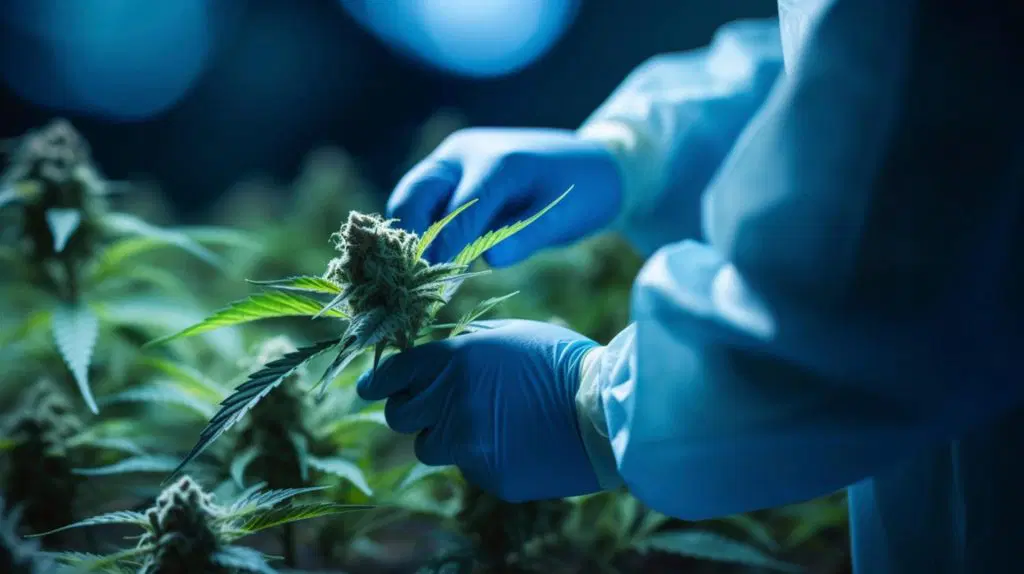
A. Site Selection and Soil Testing
- Comprehensive Soil Testing Before Cultivation
- Conduct thorough soil testing before starting any cultivation to assess the levels of heavy metals, pesticides, and other contaminants. This should include testing for lead, cadmium, mercury, arsenic, and other potential contaminants based on the site’s history.
- Regular testing should also be conducted during the cultivation process to ensure that the soil remains free of harmful substances. Testing laboratories should be certified and follow the appropriate standards for cannabis cultivation.
- Avoidance of Sites with Industrial or Agricultural History
- Sites with a history of industrial activity or intensive agricultural use are more likely to have contaminated soils. Selecting a clean, uncontaminated location for cultivation is a key precaution in minimizing the risk of soil contamination.
- Use of Raised Beds or Controlled Environments
- If the existing soil is questionable or cannot be sufficiently remediated, using raised beds with clean, imported soil or cultivating in controlled environments such as greenhouses can mitigate the risks of soil contamination.
B. Organic and Sustainable Cultivation Practices
- Use of Organic Soil Amendments
- Organic soil amendments, such as compost, worm castings, and organic fertilizers, should be used to maintain soil health. Avoid synthetic fertilizers, which may contain harmful residues or promote the accumulation of heavy metals.
- Cover Crops and Soil Remediation Plants
- Growing cover crops or plants known for their ability to remediate soil (e.g., hemp or mustard) can help absorb and reduce certain soil contaminants over time. These plants can be used as part of crop rotation to maintain and improve soil quality.
- Avoiding Chemical Pesticides and Herbicides
- Implement integrated pest management (IPM) practices to minimize the use of chemical pesticides and herbicides. Instead, use organic or biological pest control methods that are safer for both plants and the surrounding environment.
C. Water and Nutrient Management
- Water Source Testing
- Ensure that the water used for irrigation is free from contaminants by regularly testing the water source for pollutants, including heavy metals, pathogens, and chemical residues.
- Proper Fertilization Practices
- An accumulation of nutrients in the soil due to overfertilization may raise the possibility of contamination. Use fertilizers in accordance with the specific nutrient needs of the cannabis plants, and avoid the excessive use of phosphate-based fertilizers, which can contribute to cadmium accumulation.
D. Soil Remediation Techniques
- Phytoremediation
- Through the process of phytoremediation, heavy metals and other pollutants are absorbed by plants, cleaning up contaminated soil. Certain plants, such as hemp, have a high capacity for absorbing contaminants and can be used to rehabilitate soil before medical cannabis cultivation.
- Soil Washing
- Soil washing involves the physical removal of contaminants from the soil using water and other cleaning agents. This method can be effective in removing heavy metals and other pollutants from the soil before cultivation.
- Bioremediation
- Bioremediation uses microorganisms to break down or neutralize contaminants in the soil. Introducing specific bacteria or fungi that can degrade pesticides or other hazardous chemicals can help reduce soil contamination over time.
E. Regular Monitoring and Record Keeping
- Routine Soil and Plant Testing
- To find any indications of contamination early, establish a routine soil testing program for the duration of the cultivation process. Testing should focus on heavy metals, microbial pathogens, and pesticide residues.
- Regular testing of cannabis plants, particularly flowers and leaves, should be conducted to ensure that contaminants are not accumulating in the plant tissues.
- Comprehensive Record Keeping
- Keep detailed records of all soil tests, water quality tests, and fertilizer applications. This documentation is crucial for traceability and for ensuring that the cultivation process adheres to regulatory standards.
F. Compliance with Regulatory Standards
- Adhering to Medical Cannabis Regulations
- Different countries and regions have specific regulatory standards for the cultivation of medical cannabis. These regulations often include strict limits on contaminants such as heavy metals and pesticides. It is essential to stay informed about these regulations and ensure that all cultivation practices comply with the applicable laws.
- Quality Control Programs
- Implement a robust quality control program that includes testing for contaminants at multiple stages of the cultivation process, from the initial soil preparation to the final harvest of the cannabis plants. For medicinal cannabis products to be safe and effective, quality control is crucial.
Restrictions on Growing and Using Cannabis in the Medical Field: A Focus on Responsible Use as a Last Resort and THC Monitoring
The use of cannabis in the medical field is a rapidly evolving area of healthcare, with many potential therapeutic benefits. However, its psychoactive properties, primarily driven by tetrahydrocannabinol (THC), require strict regulation and oversight to ensure patient safety. In medical contexts, cannabis is often seen as a treatment of last resort, particularly when traditional therapies have proven ineffective. This paper explores the restrictions on cultivating and using cannabis in medical applications, with an emphasis on the need to limit psychoactive effects through THC monitoring and the careful use of cannabis only when absolutely necessary.
1. Regulatory Restrictions on Medical Cannabis Cultivation
Medical cannabis cultivation is subject to rigorous controls to prevent misuse and ensure the safety of the final product. These restrictions vary by country, but common global practices include the following:
- Licensing and Authorization: Only licensed cultivators are allowed to grow cannabis for medical purposes. This ensures that cultivation is monitored and complies with strict safety and quality standards, preventing cannabis from entering the recreational market or being used improperly.
- Controlled Cultivation Practices: Medical cannabis cultivation must adhere to Good Agricultural Practices (GAP) and Good Manufacturing Practices (GMP). These guidelines help ensure the cannabis is grown in clean, controlled environments, minimizing the risk of contamination by pesticides, heavy metals, or other harmful substances.
- Traceability and Auditing: Growers must maintain detailed records of their cultivation processes, including the source of seeds, growing conditions, and harvest procedures. This traceability helps regulators ensure that medical cannabis products are safe and comply with legal limits on THC and other cannabinoids.
- THC Limits in Medical Cannabis: One of the most critical restrictions is on the concentration of THC in medical cannabis products. High levels of THC are associated with psychoactive effects, which may not be appropriate or safe for patients, particularly those who are using cannabis as a medical treatment. In many regions, medical cannabis is required to have low THC concentrations to avoid these effects while maintaining therapeutic benefits from cannabidiol (CBD) and other non-psychoactive compounds.
2. Cannabis as a Treatment of Last Resort
In the medical field, cannabis is typically viewed as a treatment option only after other, more conventional therapies have failed. This approach is grounded in caution due to the psychoactive nature of THC, as well as the limited long-term clinical data on the use of cannabis for certain conditions.
- Conditions Approved for Medical Cannabis Use: Most regulatory bodies restrict the use of medical cannabis to specific, often severe conditions, such as chronic pain, multiple sclerosis, epilepsy, and certain forms of cancer. Even within these approved uses, cannabis is generally prescribed only when standard treatments do not provide relief or when side effects from conventional medications are intolerable for the patient.
- Controlled Dosing and Physician Oversight: The prescription of medical cannabis is tightly controlled. Physicians must evaluate patients thoroughly, ensuring that cannabis is truly the last viable option. This involves monitoring the patient’s response to other medications and documenting the failure of other treatments before considering cannabis as an option.
- Risk vs. Benefit Analysis: The decision to prescribe medical cannabis requires a careful risk-benefit analysis. Physicians must weigh the potential therapeutic benefits of cannabis against the risks of side effects, including any psychoactive effects from THC, and the long-term impact on the patient’s health.
3. Monitoring THC Levels to Prevent Psychoactive Effects
The psychoactive effects of cannabis are primarily driven by THC, making its regulation and monitoring essential in the medical field. Excessive THC in medical cannabis products can impair cognitive function, induce anxiety, or lead to dependency, especially in vulnerable patients. To mitigate these risks, several precautions are implemented:
- THC Limits in Products: Regulatory authorities set strict limits on the THC content in medical cannabis products. This is especially crucial for individuals who require cannabis’s medicinal benefits without being affected by its intoxicating side effects. Medical cannabis often has higher concentrations of non-psychoactive cannabinoids like CBD, which can provide pain relief, reduce inflammation, and offer other benefits without impairing cognitive function.
- Regular Testing for THC Levels: Medical cannabis products undergo rigorous testing to ensure they meet the required THC levels. This testing is conducted by certified laboratories that analyze the cannabinoid content of each batch of medical cannabis. These tests help ensure that patients receive consistent and safe dosages, minimizing the risk of psychoactive effects.
- Patient Monitoring and Adjustments: Physicians must closely monitor patients who are prescribed medical cannabis, adjusting the dosage as needed to balance symptom relief with the risk of side effects. In cases where psychoactive effects are detected, dosages can be adjusted, or patients can be transitioned to cannabis strains or products with lower THC concentrations.
Conclusion
The cultivation and use of medical cannabis come with unique challenges and responsibilities, particularly concerning soil contamination risks, strict regulatory frameworks, and ensuring the safety and efficacy of cannabis as a treatment option. Soil contamination, including the presence of heavy metals, pesticides, and pathogens, poses significant risks to the safety of medical cannabis products, especially for patients with compromised immune systems. To make sure that cannabis plants thrive in a clean environment free from dangerous toxins, proper soil testing, organic cultivation practices, and soil remediation procedures are crucial. This guarantees the finished product’s safety for use in medicine.
In terms of medical cannabis use, strict regulations govern both cultivation and application. Licensing requirements, controlled agricultural practices, and monitoring of THC levels are fundamental to the cultivation process, ensuring that cannabis products are safe and meet regulatory standards. Medical cannabis is considered a treatment of last resort, prescribed only when other conventional therapies have failed to deliver results or when patients experience intolerable side effects from standard medications. This cautious approach helps ensure that medical cannabis is used responsibly, particularly for severe conditions like chronic pain, epilepsy, and multiple sclerosis.
A critical component of safe medical cannabis use is the regulation of THC levels to prevent unwanted psychoactive effects. Excessive THC can impair cognitive function, induce anxiety, and pose additional health risks, especially for vulnerable patients. Therefore, strict limits on THC content, routine testing of products, and careful patient monitoring are essential to ensuring that patients benefit from the therapeutic properties of cannabis without the negative effects of its psychoactive compounds.
In conclusion, the responsible cultivation and use of medical cannabis require a holistic approach that prioritizes patient safety. By mitigating soil contamination risks, adhering to strict cultivation and regulatory standards, and monitoring THC levels, medical cannabis can provide therapeutic benefits while minimizing risks. This framework supports the safe and effective use of cannabis in the medical field, ensuring that it remains a valuable tool for patients who need it as a last-resort treatment option.
