Soil Conditioning Techniques to Maximize Medical Cannabis Yield for Medical Use
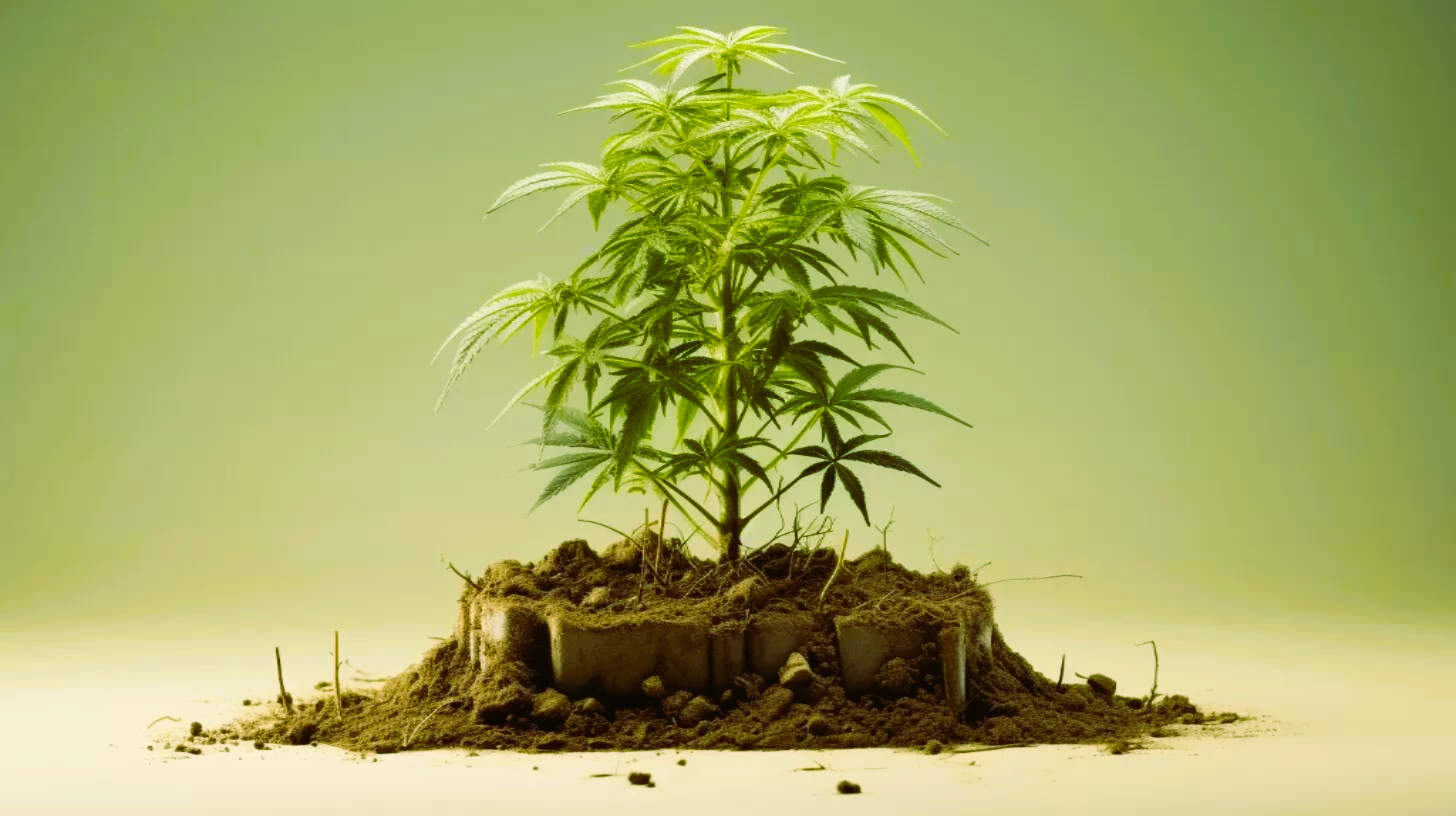
Medical cannabis cultivation requires an understanding of agronomic principles, particularly soil health, which plays a crucial role in maximizing yield and enhancing the medicinal quality of the plant. Soil conditioning is one of the most critical steps in this process, as it involves improving soil quality to provide an ideal growing environment for cannabis plants. By optimizing the soil, growers can ensure that medical cannabis receives the necessary nutrients, water, and environmental conditions to thrive.
This in-depth exploration will cover various soil conditioning techniques that aim to maximize the yield of medical cannabis, focusing exclusively on medicinal cultivation. We will delve into the importance of soil health, the components of ideal soil for cannabis, methods for improving soil fertility, and how to sustainably maintain soil quality for long-term cultivation.
The Importance of Soil Conditioning in Medical Cannabis Cultivation
Cannabis is grown for its medicinal properties, especially its cannabinoids, which include terpenes, THC (tetrahydrocannabinol), and CBD (cannabidiol). These substances are important in the therapy of several illnesses, including multiple sclerosis, anxiety, epilepsy, and chronic pain. For cannabis plants to express their full medicinal potential, they need to grow in optimal conditions, which starts with the quality of the soil.
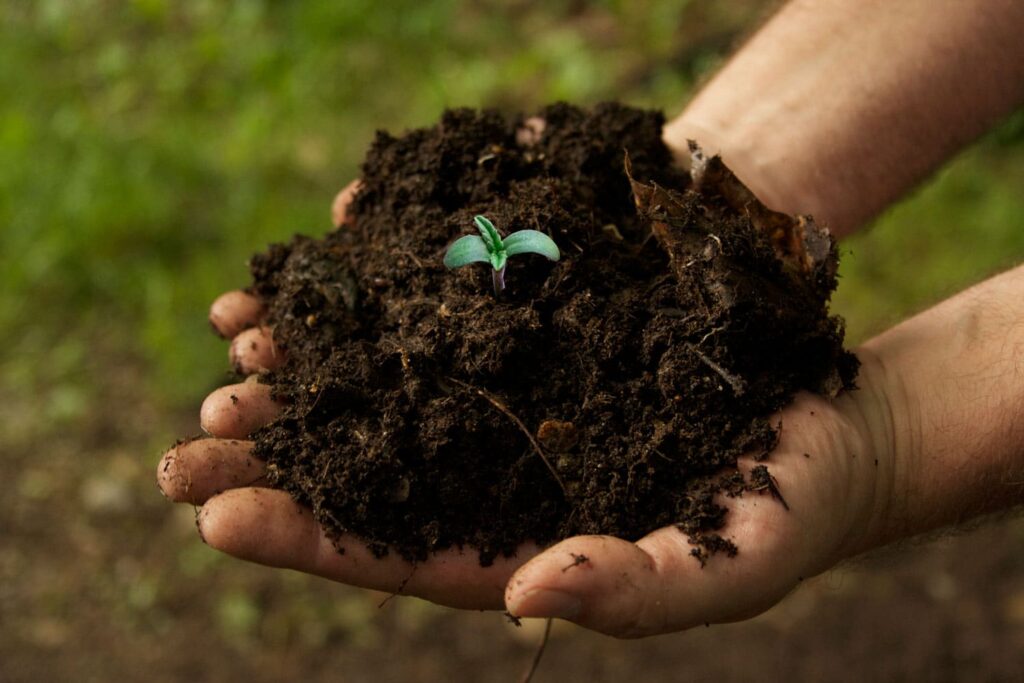
Soil provides the foundation for plant growth, acting as a reservoir for nutrients, water, and oxygen. In the context of medical cannabis cultivation, soil quality directly impacts the plant’s ability to absorb nutrients and develop its cannabinoid profile. Poor soil conditions can lead to nutrient deficiencies, disease, and stunted growth, all of which reduce the medicinal value and yield of the plant.
Understanding the Ideal Soil for Medical Cannabis
Before diving into soil conditioning techniques, it’s essential to understand what constitutes ideal soil for medical cannabis cultivation. The following are key soil characteristics that promote healthy cannabis growth:
- pH Balance: Cannabis thrives in slightly acidic soil, with an optimal pH range of 6.0 to 7.0. The plant’s capacity to absorb nutrients is influenced by its pH level. If the soil is too acidic or too alkaline, nutrient uptake will be limited, leading to deficiencies.
- Soil Texture: Cannabis plants prefer well-draining soil that is rich in organic matter. Proper drainage and sufficient moisture retention for plant roots are guaranteed by a well-balanced mixture of sand, silt, and clay. Loamy soil, which contains a mixture of these components, is ideal for cannabis cultivation.
- Nutrient Content: For optimal growth, cannabis plants need a range of macronutrients (such as nitrogen, phosphorus, and potassium) and micronutrients (such as calcium, magnesium, iron, etc.). The general health and therapeutic value of the plant depend on the availability of these nutrients in the soil.
- Organic Matter: Organic matter, such as compost or decomposed plant material, improves soil structure, promotes microbial activity, and enhances nutrient retention. Additionally, a high organic content feeds beneficial bacteria that aid in plant growth and helps control moisture levels.
- Water Retention and Drainage: While cannabis plants need regular watering, they are also prone to root rot if the soil retains too much moisture. The ideal soil should balance water retention and drainage, allowing excess water to drain away while maintaining sufficient moisture for the roots.
- Aeration: Root health depends on proper soil aeration. Compacted soil can restrict root growth and limit oxygen availability, which negatively impacts plant development. Aerated soil allows roots to expand and access the necessary nutrients and oxygen.
Soil Conditioning Techniques for Maximizing Medical Cannabis Yield
Soil conditioning involves modifying the soil’s physical, chemical, and biological properties to create the optimal environment for cannabis plants. Below are the most effective soil conditioning techniques that can be applied to maximize the yield and quality of medical cannabis.
1. Soil Testing and Amendment Application
Testing the soil to ascertain its structure, pH, and nutrient content is the initial stage in soil conditioning. Soil testing provides valuable information that guides the application of amendments to correct deficiencies and imbalances.
- pH Adjustment: If the soil pH is outside the ideal range (6.0–7.0), amendments such as lime (to raise pH) or sulfur (to lower pH) can be added. It’s crucial to keep an eye on pH levels during the growing season to make sure cannabis plants can efficiently absorb nutrients.
- Nutrient Supplementation: Based on soil test results, growers can add specific fertilizers or organic amendments to address nutrient deficiencies. Common amendments include:
- Composted manure: A rich source of nitrogen, phosphorus, and potassium.
- Bone meal: High in phosphorus, which promotes root growth and flowering.
- Kelp meal: Provides potassium and trace minerals.
- Dolomite lime: Adds calcium and magnesium, essential for cell development and chlorophyll production.
- Epsom salts: Supplies magnesium and sulfur.
- Organic Matter Addition: To improve soil structure and fertility, organic matter such as compost, leaf mold, or decomposed plant material can be incorporated into the soil. Organic matter helps improve nutrient retention, water-holding capacity, and microbial activity.
2. Composting and Vermicomposting
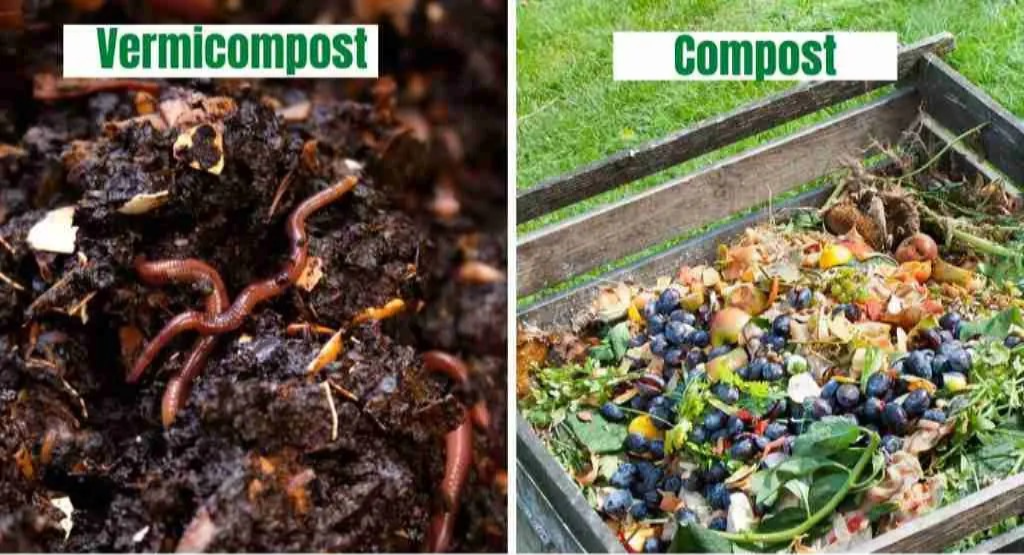
A natural process called composting turns organic waste into nutrient-rich humus that can be applied to improve soil fertility. Medical cannabis growers can create compost using plant residues, food scraps, and other organic materials. When added to the soil, compost improves its structure, nutrient content, and microbial activity, all of which are essential for healthy cannabis growth.
- Composting: Composting involves breaking down organic materials under aerobic conditions. The compost that is produced is full of healthy microbes and nutrients. For medical cannabis cultivation, compost should be well-decomposed and free from pathogens or harmful chemicals.
- Vermicomposting: Vermicomposting uses earthworms to break down organic matter into nutrient-dense worm castings. Worm castings are highly beneficial for cannabis plants because they contain essential nutrients like nitrogen, phosphorus, and potassium, as well as beneficial bacteria and fungi that improve soil health.
Both compost and vermicompost can be incorporated into the soil before planting or used as a top dressing during the growing season.
3. Cover Cropping and Green Manure
Growing particular plants that are then tilled into the soil to enhance its structure and nutrient content is known as cover cropping. Cover crops, also known as green manure, can significantly enhance soil fertility for medical cannabis cultivation. Common cover crops include legumes (such as clover or alfalfa), grasses (such as rye or barley), and brassicas (such as mustard).
- Nitrogen Fixation: Leguminous cover crops have the ability to fix nitrogen from the atmosphere and convert it into a form that is usable by plants. This naturally increases the nitrogen content in the soil, reducing the need for synthetic fertilizers.
- Weed Suppression: Weeds are suppressed by cover crops because they outcompete them for nutrients, water, and light. Given the limitations on the use of chemical pesticides in organic medical cannabis farming, this is particularly crucial.
- Soil Structure Improvement: Cover crops’ root systems improve aeration and water infiltration by breaking up compacted soil. When tilled into the soil, cover crops decompose and add organic matter, further enhancing soil structure.
4. No-Till Farming
No-till farming is a sustainable agricultural practice that involves minimizing soil disturbance. Instead of tilling the soil, growers leave crop residues on the soil surface, allowing them to decompose naturally. No-till farming is gaining popularity in medical cannabis cultivation due to its numerous benefits:
- Soil Health Preservation: Tilling disrupts the natural structure of the soil, destroys beneficial microorganisms, and accelerates the breakdown of organic matter. By avoiding tillage, no-till farming preserves soil structure, retains moisture, and promotes the growth of beneficial microbes that support cannabis growth.
- Reduced Soil Erosion: No-till farming helps prevent soil erosion by maintaining a protective layer of organic matter on the soil surface. This reduces the risk of nutrient loss and preserves the integrity of the soil.
- Carbon Sequestration: No-till farming contributes to carbon sequestration by storing carbon in the soil. In the long run, this improves soil fertility while also reducing the effects of climate change.
In a no-till system, growers can add organic mulches, compost, and cover crops to the soil surface to maintain fertility and promote microbial activity.
5. Mycorrhizal Fungi Inoculation
Mycorrhizal fungi form symbiotic relationships with plant roots, enhancing nutrient uptake and improving plant health. When inoculated into the soil, mycorrhizal fungi attach to cannabis roots and extend their hyphae into the surrounding soil, increasing the plant’s access to water and nutrients, particularly phosphorus.
- Improved Nutrient Uptake: Mycorrhizal fungi increase the surface area of plant roots, allowing them to absorb more nutrients from the soil. This is especially beneficial for phosphorus, a critical nutrient for root development and flowering in cannabis.
- Drought Resistance: By extending the root system, mycorrhizal fungi help cannabis plants access water more efficiently, increasing their resilience to drought and water stress.
- Soil Structure Improvement: Compounds secreted by mycorrhizal fungus improve soil structure and stop erosion by binding soil particles together.
To inoculate soil with mycorrhizal fungi, growers can apply commercial mycorrhizal products to the soil or introduce plants that host beneficial fungi.
6. Biochar Application
Pyrolysis is the process of burning organic matter in a low oxygen atmosphere to create biochar, a substance rich in carbon. Applying biochar to soil promotes microbial activity, strengthens nutrient retention, and improves soil structure.
- Increased Nutrient Retention: Biochar has a high surface area and porous structure, which allows it to retain nutrients and water, making them more available to cannabis plants.
- Soil Structure Improvement: Biochar improves soil aeration and water infiltration by creating space between soil particles. This prevents compaction and promotes healthy root development.
- Microbial Habitat: The porous structure of biochar provides a habitat for beneficial soil microorganisms, including bacteria and fungi, which contribute to nutrient cycling and plant health.
Biochar can be mixed into the soil before planting or applied as a top dressing during the growing season. It is especially useful in sandy or degraded soils that have low organic matter content.
7. Mulching
In order to control soil temperature, reduce weeds, and preserve moisture, mulching entails covering the soil with either organic or inorganic materials. In medical cannabis cultivation, mulching can significantly improve soil health and plant performance.
- Moisture Retention: Organic mulches such as straw, wood chips, or leaves help retain soil moisture by reducing evaporation. In desert climates where water is limited, this is especially advantageous.
- Weed Suppression: Mulch creates a physical barrier that prevents weeds from germinating and competing with cannabis plants for nutrients and water.
- Soil Temperature Regulation: Because mulch insulates the soil, it remains warmer in the winter and cooler in the summer. This keeps the soil steady enough for roots to grow.
- Organic Matter Addition: Organic mulches improve the structure and fertility of the soil by adding useful organic matter as they break down.
Mulching is a simple and cost-effective way to enhance soil health and protect cannabis plants from environmental stressors.
8. Water Management and Irrigation Techniques
Water management is a critical aspect of soil conditioning, as it directly impacts the health and yield of medical cannabis plants. Overwatering or underwatering can stress plants and reduce their ability to absorb nutrients.
- Drip Irrigation: Drip irrigation delivers water directly to the root zone, minimizing water waste and ensuring that cannabis plants receive a consistent supply of moisture. This method is particularly effective in conserving water and preventing soil erosion.
- Soil Moisture Monitoring: Monitoring soil moisture levels using sensors or manual methods helps prevent overwatering and ensures that plants receive the right amount of water. Encouraging healthy root development and optimizing nutrient uptake require maintaining ideal soil moisture levels.
- Water Conservation: Techniques such as mulching, cover cropping, and the use of organic matter can improve the soil’s water-holding capacity, reducing the need for frequent irrigation.
Restrictions on Growing Cannabis for Medical Use

- Licensing and Regulation: Cultivators must obtain special licenses to grow medical cannabis, and they are subject to rigorous oversight by government agencies. The cultivation process must adhere to strict guidelines, including security measures, quality control, and testing protocols to ensure the consistency and safety of the cannabis produced.
- Cultivation Conditions: Medical cannabis growers must maintain specific cultivation conditions, including soil quality, pesticide use, and nutrient management, to produce plants with consistent cannabinoid profiles. This is essential to ensure that the cannabis is safe for medical use and free from harmful contaminants.
- Monitoring THC Levels: One of the primary concerns in medical cannabis cultivation is the control of THC (tetrahydrocannabinol) levels. The psychotropic effects of cannabis are caused by the chemical THC. In medical settings, the THC content of cannabis must be carefully regulated to prevent unwanted psychoactive effects, especially in vulnerable patients such as those with mental health disorders or cognitive impairments. Medical cannabis strains with higher CBD (cannabidiol) and lower THC content are often preferred for therapeutic use, as CBD offers many health benefits without the psychoactive effects.
Cannabis as a Last Resort in Medical Treatments
Medical cannabis is typically prescribed as a last-resort treatment when conventional medications or therapies have proven ineffective. It is used for conditions such as chronic pain, epilepsy, multiple sclerosis, and certain cancer-related symptoms. Physicians must thoroughly evaluate a patient’s medical history and treatment options before considering cannabis, ensuring that its use is justified and tailored to the patient’s needs.
THC Monitoring in Medications
To prevent the psychoactive effects of THC, medical cannabis products must undergo rigorous testing. Medications are often formulated with specific THC to CBD ratios to minimize psychoactive impact while maximizing therapeutic benefits. Patients using medical cannabis are closely monitored to ensure proper dosing and to avoid any negative side effects related to THC, particularly in those sensitive to its psychoactive properties. This monitoring ensures that cannabis can be used safely and effectively in a controlled medical environment.
Conclusion
In the realm of medical cannabis cultivation and use, ensuring strict adherence to regulations and implementing best practices for soil conditioning are essential to maximize yield while preserving the medicinal quality of the plant. Soil conditioning techniques such as soil testing, composting, no-till farming, and the use of organic amendments like biochar and mycorrhizal fungi, create an optimal environment for cannabis growth. These methods not only enhance nutrient availability and soil structure but also promote sustainable, long-term soil health, which is critical for consistent, high-quality medical cannabis production.
The growing of medical cannabis is tightly regulated to ensure it is used solely for therapeutic purposes. Cultivators must adhere to legal requirements regarding licensing, security, and quality control. Particular emphasis is placed on monitoring THC levels to prevent the psychoactive effects that are generally associated with cannabis use. THC is carefully regulated in medical cannabis products, and strains with higher CBD content are often favored to offer patients therapeutic benefits without undesirable psychoactivity.
In medical practice, cannabis is typically considered a treatment of last resort, used when other conventional therapies have failed. It is prescribed for conditions such as chronic pain, epilepsy, and multiple sclerosis, where patients have not responded to standard treatments. Medical professionals must carefully evaluate patients and monitor their response to cannabis treatment, particularly focusing on the balance of THC and CBD to ensure effective, yet safe, symptom relief.
Overall, the responsible cultivation, regulation, and medical use of cannabis demand a combination of agricultural expertise, regulatory compliance, and clinical oversight. By implementing effective soil conditioning techniques, maintaining strict regulations, and monitoring cannabinoid levels, the potential benefits of medical cannabis can be maximized, ensuring safe, effective therapeutic outcomes for patients in need.
