Table of Contents
Snowcap Dream, a hybrid cannabis strain resulting from the crossbreeding of Blue Dream and Snowcap, is celebrated for its balance of uplifting cerebral effects and soothing physical relaxation. This strain’s genetic lineage, rich cannabinoid and terpene profile, and therapeutic potential make it a compelling choice for recreational and medical cannabis enthusiasts alike.
Genetics and Lineage
The unique characteristics of Snowcap Dream derive from its distinguished parent strains:
- Blue Dream:
- A sativa-dominant hybrid combining Blueberry (indica) and Haze (sativa).
- Renowned for its balanced effects, offering users a euphoric cerebral experience coupled with full-body relaxation.
- Blue Dream’s fruity sweetness and ability to enhance creativity strongly influence Snowcap Dream’s effects and flavor.
- Snowcap:
- A well-balanced hybrid with unknown but speculated genetics, often including Haze lineage.
- Known for its uplifting effects and distinctive flavor, combining lemon, menthol, and earthy pine.
- Its invigorating properties contribute to the energizing qualities in Snowcap Dream.
By blending these two strains, Snowcap Dream inherits a nuanced profile that captures the best of its parentage.
Physical Characteristics
Snowcap Dream plants and buds exhibit several distinctive traits that make it visually appealing:
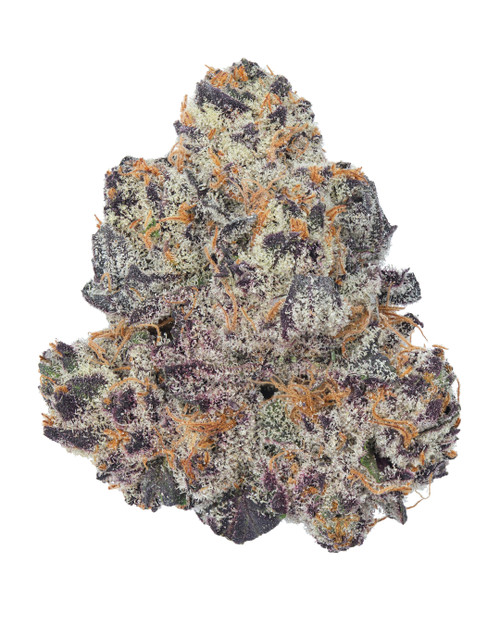
- Buds:
- Spade-shaped and dense, with a striking lime-green hue.
- Bright orange pistils wind through the structure, providing vivid contrast.
- A thick coating of frosty white trichomes gives the buds a snow-dusted appearance, enhancing potency and visual allure.
- Growth Characteristics:
- Snowcap Dream plants reach a medium height, making them suitable for indoor and outdoor cultivation.
- They exhibit robust growth patterns and resilience to minor environmental fluctuations, although intermediate experience is recommended for cultivation.
Aroma, Flavor, and Terpene Profile
The sensory profile of Snowcap Dream is one of its standout features, delighting users with a blend of fruity, citrusy, and earthy notes. These characteristics are underpinned by its terpene composition:
- Dominant Terpenes:
- Myrcene: Associated with earthy and herbal aromas, myrcene also contributes sedative and anti-inflammatory properties.
- Limonene: In charge of the uplifting effects and lemony flavors.
- Pinene: Adds a hint of pine and supports focus and alertness.
- Caryophyllene: A spicy and peppery terpene, known for anti-inflammatory benefits.
- Aroma:
- Snowcap Dream exudes a fruity sweetness reminiscent of fresh berries, thanks to Blue Dream, complemented by the zesty lemon and menthol notes of Snowcap.
- Earthy undertones balance the profile, adding depth and complexity.
- Flavor:
- On inhalation, users experience a burst of sweet, berry-like flavors followed by citrus and earthy undertones.
- The exhalation often carries a cooling menthol or pine-like finish, providing a refreshing aftertaste.
Cannabinoid Profile and Potency
Snowcap Dream boasts a well-rounded cannabinoid composition, appealing to a wide range of users:
- THC Content:
- Typically ranges from 18% to 22%, providing a moderate-to-high potency level.
- Suitable for both novice users (in controlled doses) and experienced consumers seeking a balanced high.
- CBD and Minor Cannabinoids:
- Contains trace amounts of CBD (<1%), which may slightly mitigate THC’s psychoactive effects.
- Other minor cannabinoids like CBG (cannabigerol) and CBC (cannabichromene) may enhance the entourage effect, amplifying the strain’s therapeutic properties.
Effects and Psychoactivity
Snowcap Dream is known for its dual-action effects, seamlessly blending cerebral stimulation with physical relaxation:
- Onset and Duration:
- The effects of Snowcap Dream set in quickly, beginning with an uplifting cerebral buzz that elevates mood and enhances creativity.
- This initial euphoria transitions into a calming physical relaxation, offering a sense of tranquility without sedation.
- The high typically lasts 2-4 hours, making it ideal for daytime or early evening use.
- Reported Effects:
- Mental Effects:
- Increased focus and creative energy, ideal for artistic pursuits or brainstorming sessions.
- Mood enhancement and stress relief, fostering a sense of well-being and positivity.
- Physical Effects:
- A gentle wave of relaxation that soothes tension and alleviates minor aches.
- Non-sedative, allowing users to remain functional while enjoying physical comfort.
- Mental Effects:
Medical Applications
Snowcap Dream’s balanced effects make it a versatile option for medical cannabis patients seeking relief from various conditions. Key therapeutic uses include:
- Mental Health:
- Stress and Anxiety: The uplifting and calming effects help reduce stress and anxiety levels without inducing lethargy.
- Depression: Its mood-enhancing properties can combat depressive symptoms, promoting a brighter outlook.
- Focus Disorders: The combination of pinene and limonene may aid individuals with ADHD by enhancing concentration and mental clarity.
- Pain Management:
- Myrcene and caryophyllene contribute analgesic and anti-inflammatory effects, alleviating mild to moderate pain conditions, such as:
- Tension headaches.
- Muscle soreness.
- Chronic joint pain.
- Myrcene and caryophyllene contribute analgesic and anti-inflammatory effects, alleviating mild to moderate pain conditions, such as:
- Neurological Conditions:
- Anecdotal evidence suggests that Snowcap Dream may provide mild relief for migraines and other neurological discomforts.
- Appetite Stimulation:
- The strain may induce mild munchies, making it beneficial for patients managing appetite loss due to medical treatments or conditions.
Scientific Insights
- Terpene Interactions:
- Myrcene enhances the permeability of cell membranes, potentially facilitating THC’s effects.
- Limonene has been studied for its potential anxiolytic and anti-depressant effects, complementing Snowcap Dream’s mood-boosting properties.
- The combination of myrcene and pinene may create a unique synergy that balances relaxation with alertness.
- Entourage Effect:
- The interplay of THC with terpenes and minor cannabinoids contributes to the entourage effect, which amplifies therapeutic benefits while modulating psychoactive intensity.
- Pharmacological Potential:
- Research into cannabinoids and terpenes found in Snowcap Dream highlights potential anti-inflammatory, neuroprotective, and antioxidant qualities, which suggests that it should be investigated further for use in medical applications.
Recreational Uses
Recreational users often turn to Snowcap Dream for its versatile and enjoyable effects:
- Social Settings:
- Its mood-enhancing and creativity-boosting effects make it ideal for gatherings or social events, fostering conversation and connection.
- Creative Pursuits:
- Artists, writers, and musicians may find Snowcap Dream particularly beneficial for unlocking inspiration and staying focused on creative projects.
- Daytime Enjoyment:
- The strain’s non-sedative nature allows users to remain productive, making it suitable for daytime use without hindering functionality.
Cultivation Information

- Difficulty:
- Considered moderately challenging, requiring attention to environmental conditions and pest management.
- Climate:
- Thrives in warm, Mediterranean-like climates with consistent sunlight.
- Can be grown indoors with controlled temperature and humidity levels.
- Yield:
- Indoor: Yields range between 12-16 ounces per square meter.
- Outdoor: Yields can reach 16-20 ounces per plant under optimal conditions.
- Flowering Period:
- Typically flowers within 8-9 weeks indoors.
- By mid-to-late October, outdoor plants are ready for harvest.
Potential Side Effects
While Snowcap Dream is well-tolerated by most users, some side effects may occur, particularly at higher doses:
- Common Side Effects:
- Dry mouth (cottonmouth) and dry eyes.
- Mild dizziness in new users.
- Less Common Effects:
- Anxiety or paranoia, especially in individuals prone to these conditions or with low THC tolerance.
- It’s recommended to start with a low dose and gradually increase based on tolerance and desired effects.
The method of ingestion significantly influences the onset, duration, and overall experience of Snowcap Dream cannabis strain. This comprehensive guide explores the various consumption methods, their pharmacokinetics, and how they shape the user experience.
Common Methods of Ingestion
1. Smoking
- Description: Involves combusting the flower in a joint, pipe, or bong.
- Onset: Typically within 1-3 minutes.
- Peak Effects: Achieved within 15-30 minutes.
- Duration: 1.5 to 3 hours.
- Advantages:
- Rapid onset allows users to titrate their dose effectively.
- Delivers the strain’s full terpene profile, maximizing flavor.
- Disadvantages:
- Potential irritation to the lungs and throat from smoke.
- Rapid metabolism of cannabinoids leads to shorter effects.
2. Vaporization
- Description: Heats the flower or concentrate without combustion, producing a vapor.
- Onset: Within 1-3 minutes, similar to smoking.
- Peak Effects: 10-20 minutes.
- Duration: 1.5 to 3 hours.
- Advantages:
- Preserves terpenes better than smoking, enhancing flavor.
- Lessens exposure to dangerous combustion byproducts.
- Disadvantages:
- Requires specialized equipment (e.g., vaporizers).
3. Edibles

- Description: Cannabis-infused food or drink products, made using Snowcap Dream flower or extract.
- Onset: 30-90 minutes, depending on metabolism and gastric content.
- Peak Effects: 2-4 hours after ingestion.
- Duration: 6-8 hours or more.
- Advantages:
- Long-lasting effects, suitable for sustained relief.
- Discreet and easy to consume.
- Disadvantages:
- Delayed onset makes dose titration challenging.
- Risk of overconsumption.
4. Tinctures
- Description: Alcohol or oil-based cannabis extract, typically administered sublingually.
- Onset: 15-30 minutes (faster if held under the tongue).
- Peak Effects: 30-90 minutes.
- Duration: 4-6 hours.
- Advantages:
- Allows precise dosing.
- Faster onset than edibles, with fewer gastrointestinal variables.
- Disadvantages:
- Strong taste may be unpalatable to some users.
5. Topicals
- Description: Cannabis-infused lotions, balms, or oils applied directly to the skin.
- Onset: Within minutes for localized effects.
- Duration: 2-4 hours.
- Advantages:
- Provides localized relief without psychoactive effects.
- Suitable for pain or inflammation in targeted areas.
- Disadvantages:
- Ineffective for systemic conditions or psychoactive effects.
Pharmacokinetics and Onset of Effects
1. Inhalation (Smoking or Vaporizing)
- Mechanism: THC and other cannabinoids are absorbed through alveoli in the lungs, entering the bloodstream directly.
- Onset: Rapid (1-3 minutes) due to direct pulmonary absorption.
- Bioavailability: Approximately 20-30%, influenced by user technique and device.
- Metabolism: Cannabinoids bypass the liver initially, leading to quicker effects but a shorter duration.
2. Oral Consumption (Edibles)
- Mechanism: Cannabinoids are metabolized in the liver via first-pass metabolism, converting THC into 11-hydroxy-THC, a more potent psychoactive compound.
- Onset: Delayed (30-90 minutes) due to digestive processing.
- Bioavailability: Lower (4-20%) because of first-pass metabolism.
- Duration: Longer-lasting effects (6-8+ hours) due to slower systemic clearance.
3. Sublingual Absorption (Tinctures)
- Mechanism: Cannabinoids are absorbed directly into the bloodstream via mucous membranes, bypassing the liver.
- Onset: Intermediate (15-30 minutes).
- Bioavailability: Higher than oral consumption, approximately 10-35%.
- Duration: Shorter than edibles but longer than inhalation.
Duration of Effects by Ingestion Method
- Smoking/Vaporizing: Quick onset, with effects tapering off after 2-3 hours.
- Edibles: Long-lasting effects, sustained over 6-8 hours or more.
- Tinctures: Moderate duration, with effects lasting around 4-6 hours.
- Topicals: Duration varies, typically 2-4 hours for localized relief.
Specific Effects of Snowcap Dream
- Cognitive and Emotional Effects:
- Euphoria: A hallmark of Snowcap Dream, users report a rapid uplift in mood and overall happiness.
- Mental Clarity: Pinene and limonene contribute to enhanced focus and reduced mental fog, beneficial for productivity.
- Creativity Boost: The strain fosters innovative thinking, making it ideal for artistic or problem-solving activities.
- Physical Effects:
- Relaxation: Myrcene provides a soothing body high, relieving physical tension without sedation.
- Energy Modulation: The balance between uplifting and calming effects allows users to remain active yet relaxed.
- Therapeutic Effects:
- Anxiolytic: Limonene’s anti-anxiety properties complement the strain’s calming high.
- Analgesic: Myrcene and caryophyllene contribute to mild pain relief, making it suitable for managing chronic conditions like arthritis or migraines.
- Anti-inflammatory: Caryophyllene binds to CB2 receptors, potentially reducing inflammation.
- Potential Adverse Effects:
- Anxiety/Paranoia: May occur at high doses, particularly in THC-sensitive individuals.
- Dry Mouth and Eyes: Common side effects manageable with hydration and eye drops.
- Drowsiness: Rare but possible with prolonged use or in higher doses.
Factors Influencing Onset and Duration
- Metabolism:
- Faster metabolism leads to quicker onset and shorter duration, especially for edibles.
- Tolerance:
- Higher dosages could be necessary for frequent users to get the desired results.
- Method of Consumption:
- Inhalation provides immediate relief, while edibles offer sustained effects.
- Dosage:
- Higher doses intensify and prolong effects but increase the risk of adverse reactions.
The Entourage Effect and Synergistic Compounds
The effects of Snowcap Dream are enhanced by the entourage effect, a phenomenon where cannabinoids, flavonoids and terpenes combine to enhance medicinal effects. Important exchanges consist of:
- THC and Myrcene:
- Enhances sedative properties, aiding relaxation and pain relief.
- THC and Limonene:
- Combats anxiety while promoting an uplifting, euphoric state.
- Caryophyllene and CB2 Receptors:
- Reduces inflammation without psychoactive effects.
Ideal Use Cases Based on Effects and Onset
- Quick Relief:
- Method: Smoking or vaporizing.
- Use Case: Immediate stress relief or pain management.
- Sustained Effects:
- Method: Edibles.
- Use Case: Long-lasting symptom relief for chronic conditions like insomnia or persistent pain.
- Targeted Relief:
- Method: Topicals.
- Use Case: Localized pain, inflammation, or skin conditions.
- Balanced Experience:
- Method: Tinctures.
- Use Case: Precise dosing for daytime relief or productivity.
Scientific Research Gaps and Future Studies
Despite its widespread use, scientific research on Snowcap Dream and its specific therapeutic applications remains limited. Future studies should focus on:
- Pharmacodynamics:
- Investigating the molecular mechanisms behind the strain’s balanced effects.
- Clinical Trials:
- Assessing efficacy in managing anxiety, pain, and inflammation.
- Cannabinoid-Terpene Interactions:
- Exploring how specific terpenes like myrcene and limonene modulate THC’s psychoactivity.
Conclusion
Snowcap Dream is a hybrid strain that seamlessly bridges the gap between recreational enjoyment and therapeutic potential. Its balanced effects, rich flavor profile, and moderate potency make it an excellent choice for a wide range of users. Whether you’re seeking creative inspiration, stress relief, or a flavorful cannabis experience, Snowcap Dream delivers a multi-faceted experience that stands out among hybrid strains. Future scientific studies into its cannabinoid-terpene interactions could further illuminate its medicinal potential, solidifying its place as a versatile and sought-after strain in the cannabis world.
For a complete directory of cultivars, visit our Cannabis Strain Reviews.
