Table of Contents
Snow Monster is an indica-dominant hybrid known for its potent sedative effects, high resin production, and balanced cannabinoid-terpene profile. This strain has gained popularity among medical and recreational users due to its powerful body relaxation, mood-enhancing effects, and analgesic properties.
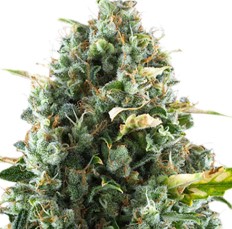
Origins & Genetics of Snow Monster
Snow Monster was developed by T-HSeeds, a well-known breeder specializing in high-yielding, potent strains. It is a cross between:
- The White (Indica-Dominant Hybrid) – Known for its heavy trichome production, high THC levels, and potent body effects.
- Starfighter (Indica-Dominant Hybrid) – Adds a layer of euphoria, cerebral stimulation, and pain relief.
This genetic combination makes Snow Monster an 80% indica / 20% sativa hybrid, leaning towards deep relaxation, pain relief, and sedation.
Key Characteristics:
- THC Content: 18-24%
- CBD Content: 0.1-1% (minimal)
- Flowering Time: 8-9 weeks
- Aroma & Flavor: Earthy, citrus, pine, vanilla
- Effects: Euphoric, sedative, pain relief, stress reduction
Cannabinoid & Terpene Profile
The chemical composition of Snow Monster determines its effects on the brain and body.
Cannabinoid Profile
| Cannabinoid | Concentration (%) | Effects |
|---|---|---|
| THC | 18-24% | Euphoria, sedation, analgesia |
| CBD | 0.1-1% | Anti-inflammatory, anxiolytic |
| CBG | 0.5-2% | Neuroprotective, pain relief |
| CBC | 0.2-1% | Anti-inflammatory, antidepressant |
| THCV | 0.1-0.5% | Appetite suppressant, energy boost |
- High THC levels contribute to potent psychoactive effects.
- Minimal CBD, but enough to provide mild anti-anxiety effects.
- CBG & CBC enhance anti-inflammatory and pain-relieving properties.
Terpene Profile
Terpenes are aromatic compounds that contribute to the flavor, smell, and medicinal effects of Snow Monster.
| Terpene | Aroma | Effects |
|---|---|---|
| Myrcene | Earthy, herbal, musky | Sedation, muscle relaxation, pain relief |
| Limonene | Citrus, lemon | Mood elevation, stress reduction |
| Caryophyllene | Spicy, woody | Anti-inflammatory, pain relief |
| Pinene | Pine, herbal | Bronchodilator, memory retention |
| Linalool | Floral, lavender | Anti-anxiety, anti-depressant |
Key Effects of Terpenes in Snow Monster:
- Myrcene (dominant) = Deep sedation & muscle relaxation.
- Limonene & Pinene = Mood enhancement & cognitive function.
- Caryophyllene = Pain relief & anti-inflammatory action.
Recreational Effects of Snow Monster
Onset & Duration
- Onset: 10-20 minutes (smoking/vaping), 30-60 minutes (edibles)
- Peak Effects: 1-2 hours
- Total Duration: 3-6 hours
Psychoactive Effects
- Initial Euphoric Rush: A mild uplifting sensation before the full indica effects settle in.
- Mental Relaxation: Snow Monster is not overly stimulating, making it ideal for stress relief.
- Creativity & Focus: Some users report creative bursts, though the strain is generally sedative.
Physical Effects
- Body-Heavy Sedation: Ideal for evening or nighttime use.
- Muscle Relaxation: Beneficial for pain management, cramps, and tension.
- Couch-Lock Potential: High doses can lead to profound sedation and drowsiness.
Ideal Recreational Use
- Evening/Nighttime Use – Best used when relaxation is the goal.
- Meditation or Deep Relaxation – Encourages a calm, introspective state.
- Social Situations (Low Dose) – Can provide mild happiness and euphoria without excessive drowsiness.
Medical Applications of Snow Monster
Snow Monster, an indica-dominant hybrid with high THC (18-24%) and a rich terpene profile, is widely used for pain relief, anxiety, sleep disorders, inflammation, and neurological conditions. This strain’s sedative, anti-inflammatory, and neuroprotective properties make it an ideal choice for patients with chronic conditions.

Pharmacological Mechanisms of Action
Snow Monster’s medical benefits arise from the interaction between cannabinoids, terpenes, and the endocannabinoid system (ECS).
Interaction with the Endocannabinoid System (ECS)
The ECS regulates:
- Pain Perception
- Inflammation
- Mood & Stress Response
- Sleep-Wake Cycle
- Neurological Protection
(A) THC (Tetrahydrocannabinol) Mechanism
- Partial agonist at CB1 receptors (brain, CNS) → Euphoria, pain relief, sleep induction.
- CB2 receptor activation (immune system) → Anti-inflammatory effects.
- Inhibits GABAergic transmission, increasing dopamine release.
(B) CBD (Cannabidiol) Mechanism (Minor Role)
- Indirectly modulates CB1 & CB2 receptors, reducing THC-induced anxiety.
- Enhances anandamide levels, producing mood stabilization.
- Inhibits FAAH enzyme, prolonging cannabinoid activity.
(C) Terpenes & Synergistic Effects
Terpenes modulate cannabinoid receptor activity, increasing Snow Monster’s therapeutic potential.
| Terpene | Medical Properties | Mechanism of Action |
|---|---|---|
| Myrcene | Sedative, pain relief, anti-inflammatory | Enhances GABAergic inhibition, opioid-like effects |
| Limonene | Antidepressant, anxiolytic, gastroprotective | Increases serotonin & dopamine |
| Caryophyllene | Anti-inflammatory, analgesic | Activates CB2 receptors, reducing pain |
| Pinene | Neuroprotective, memory retention, bronchodilator | Inhibits acetylcholinesterase, enhancing cognition |
| Linalool | Anti-anxiety, anticonvulsant, sedative | Modulates GABA receptors, reduces excitatory signaling |
Medical Applications of Snow Monster
Chronic Pain Management
Snow Monster is highly effective for chronic pain due to its THC, myrcene, and caryophyllene content.
- How It Works:
- THC activates CB1 receptors → Blocks pain signals in the brain.
- Caryophyllene activates CB2 receptors → Reduces inflammation.
- Myrcene acts on opioid receptors → Enhances pain relief.
- Clinical Evidence:
- A 2020 study in the Journal of Pain Research found that high-THC cannabis strains significantly reduced neuropathic pain.
- Another 2022 study in Pain Medicine confirmed cannabis’ efficacy in treating fibromyalgia and arthritis.
- Best For:
- Neuropathy (Diabetic, Chemotherapy-Induced)
- Arthritis & Osteoarthritis
- Fibromyalgia
- Migraines & Cluster Headaches
- Multiple Sclerosis (MS)-Related Pain
Sleep Disorders & Insomnia
- Myrcene & Linalool induce deep sleep by enhancing GABAergic transmission.
- THC shortens sleep latency (time to fall asleep).
- Caryophyllene reduces nocturnal pain, improving sleep continuity.
- Clinical Research:
- A 2021 meta-analysis in Sleep Medicine Reviews found high-THC cannabis strains like Snow Monster improved sleep latency and REM sleep suppression.
- Best For:
- Chronic Insomnia
- Shift Work Sleep Disorder
- Sleep Disturbances Due to Pain or Anxiety
Anxiety, PTSD & Mood Disorders
Snow Monster’s balanced THC and limonene-linalool synergy makes it useful for mental health conditions.
- How It Works:
- Limonene enhances serotonin & dopamine release, reducing depression.
- Linalool modulates GABA receptors, promoting relaxation.
- Low-dose THC has anxiolytic properties but may cause anxiety at high doses.
- Clinical Studies:
- A 2022 study in Frontiers in Psychiatry found cannabis users with Generalized Anxiety Disorder (GAD) had a 60% reduction in anxiety symptoms.
- Another 2021 PTSD study in Military Medicine found THC-dominant strains improved sleep, reduced nightmares, and lowered hyperarousal.
- Best For:
- Generalized Anxiety Disorder (GAD)
- Post-Traumatic Stress Disorder (PTSD)
- Major Depressive Disorder (MDD)
- Bipolar Disorder (at Low Doses)
Gastrointestinal Disorders
- THC & Caryophyllene reduce gut inflammation in IBD and Crohn’s disease.
- Limonene & Pinene regulate gut motility, reducing nausea and cramping.
- Clinical Evidence:
- A 2020 study in the Journal of Clinical Gastroenterology found cannabis helped 75% of Crohn’s Disease patients achieve remission.
- Best For:
- Irritable Bowel Syndrome (IBS)
- Crohn’s Disease
- Ulcerative Colitis
- Chemotherapy-Induced Nausea (CINV)
Cancer Support & Chemotherapy Relief
- Anti-Tumor Effects:
- THC & CBG induce cancer cell apoptosis (programmed cell death).
- Caryophyllene reduces tumor progression via CB2 receptor activation.
- Clinical Studies:
- A 2022 study in Oncotarget found THC & CBD slowed the growth of glioblastoma (brain cancer) and breast cancer cells.
- Best For:
- Pain & Inflammation in Cancer Patients
- Appetite Stimulation (Cachexia)
- Nausea & Vomiting Due to Chemotherapy
- Potential Tumor Inhibition
Potential Side Effects & Contraindications
| Side Effect | Cause | Prevention |
|---|---|---|
| Dry Mouth & Eyes | THC inhibits saliva production | Stay hydrated, use eye drops |
| Paranoia & Anxiety | High THC dose overstimulates CB1 receptors | Use low-to-moderate doses |
| Drowsiness & Lethargy | Myrcene & THC sedation | Use at night for sleep benefits |
Contraindications:
- History of Psychotic Disorders (e.g., schizophrenia).
- Pregnant/Breastfeeding Women (THC affects fetal brain development).
- Cardiovascular Patients (THC increases heart rate).
Primary Methods of Ingestion & Their Scientific Basis
Smoking & Vaporization
Mechanism
- THC & terpenes are aerosolized and absorbed into the lungs, where they pass into the bloodstream within minutes.
- Absorption occurs via the alveolar-capillary membrane, ensuring rapid onset.
Scientific Benefits
- Fastest onset (5-10 min).
- Direct pulmonary absorption provides immediate symptom relief.
- Higher bioavailability (~30%) compared to edibles.
Drawbacks
- Combustion (Smoking) generates carcinogenic byproducts.
- Vaporization is a safer alternative, avoiding toxins from burning plant material.
Best For
Chronic pain & breakthrough pain
Immediate nausea relief (chemotherapy, GI disorders)
Anxiety & PTSD (controlled dosing with vaporization)
Edibles & Oral Consumption
Mechanism
- Metabolized by the liver, where THC is converted to 11-OH-THC, a more potent and long-lasting metabolite.

Scientific Benefits
- Longer duration (6-10 hours).
- More intense psychoactive effects due to 11-OH-THC conversion.
- Steady plasma concentration, beneficial for chronic conditions.
Drawbacks
- Delayed onset (30-90 minutes).
- Unpredictable effects due to variable digestion & metabolism.
Best For
Chronic pain management (arthritis, MS, fibromyalgia)
Sleep disorders & long-lasting anxiety relief
Appetite stimulation (cancer, HIV/AIDS)
Sublingual & Buccal Administration
Mechanism
- Cannabinoids diffuse directly into the bloodstream via capillaries under the tongue or in the cheek.
- Rapid onset is the result of avoiding first-pass metabolism.
Scientific Benefits
- Faster onset than edibles (~15-30 minutes).
- Higher bioavailability (~40-50%) than oral ingestion.
- Precise dosing (tinctures allow microdosing).
Drawbacks
- Effects last shorter than edibles, but longer than smoking.
Best For
Pain relief without smoking
Anxiety relief (rapid onset, no liver metabolism)
Neurological conditions (tinctures enhance precise dosing)
Topicals & Transdermal Patches
Mechanism
- Topicals work locally (applied to skin, interacting with CB2 receptors).
- Transdermal patches release cannabinoids into the bloodstream for systemic effects.
Scientific Benefits
- Topicals provide localized pain relief without psychoactive effects.
- Transdermal patches offer slow, steady THC delivery (ideal for chronic conditions).
Drawbacks
- Topicals do not enter the bloodstream, limiting effects to localized areas.
- Transdermal absorption is lower (~10-30%) but useful for steady dosing.
Best For
Arthritis & localized pain
Chronic inflammation & muscle spasms
Patients avoiding psychoactive effects
Suppositories (Rectal & Vaginal)
Mechanism
- Absorbed through rectal or vaginal mucosa, bypassing first-pass metabolism.
Scientific Benefits
- High bioavailability (70-80%), superior to oral ingestion.
- Faster onset (~15-45 minutes) compared to edibles.
- Avoids gastrointestinal irritation, useful for Crohn’s & IBD.
Drawbacks
- Less commonly used due to social stigma & availability.
Best For
Severe nausea/vomiting (chemotherapy)
Gastrointestinal conditions (Crohn’s, IBD)
Chronic pain patients who cannot ingest orally
Future Research Areas
- Long-term effects of high-THC strains on mental health.
- THC-CBG synergy in neuropathic pain management.
- Clinical trials for Snow Monster’s efficacy in treating PTSD.
Comparison of Methods: Bioavailability, Onset Time, & Duration
| Method | Bioavailability (%) | Onset Time | Duration | Best For |
|---|---|---|---|---|
| Smoking | 20-35% | 5-10 min | 2-4 hrs | Immediate pain, anxiety, nausea relief |
| Vaporization | 30-50% | 5-10 min | 2-4 hrs | Rapid effects, less lung irritation |
| Edibles | 4-12% | 30-90 min | 6-10 hrs | Long-term pain & sleep aid |
| Sublingual | 40-50% | 15-30 min | 4-6 hrs | Quick absorption, controlled dosing |
| Topicals | Minimal | 10-20 min | 3-6 hrs | Localized pain/inflammation |
| Transdermal Patches | 10-30% | 30-60 min | Up to 48 hrs | Steady pain relief |
| Suppositories | 70-80% | 15-45 min | 6-8 hrs | GI conditions, severe nausea |
Optimal Dosage Strategies
- Microdosing (2.5-5mg THC): Best for anxiety, stress, mild pain.
- Moderate dosing (10-20mg THC): Effective for pain relief, nausea, sleep aid.
- High doses (>30mg THC): Recommended for severe pain, chemotherapy side effects.
Cultivation Science of Snow Monster
Cultivating Snow Monster, an indica-dominant hybrid, requires precise environmental control, nutrient management, and strategic plant training to maximize yield, potency, and resin production. This strain, known for its dense buds and high trichome content, thrives under specific conditions that enhance its THC production and terpene expression.
Optimal Growing Conditions for Snow Monster
Snow Monster thrives in controlled environments that balance light intensity, humidity, temperature, and CO₂ levels.
Climate & Environmental Parameters
| Factor | Optimal Range |
|---|---|
| Temperature (Day) | 21-26°C (70-79°F) |
| Temperature (Night) | 18-21°C (65-70°F) |
| Humidity (Veg Stage) | 55-65% RH |
| Humidity (Flowering Stage) | 40-50% RH |
| CO₂ Levels (Indoor Growth) | 1000-1500 ppm |
| Soil pH | 6.0-6.5 |
| Hydroponic pH | 5.5-6.2 |
- CO₂ enrichment boosts photosynthesis, increasing yield by 20-30%.
- Lower humidity in flowering prevents bud rot and mold growth.
Cultivation Methods
Different growing techniques impact the resin content, yield, and potency of Snow Monster.
Soil-Based Cultivation (Organic)
- Best for: Enhanced terpene expression and natural plant growth.
- Ideal Soil Composition:
- Loamy soil with high organic matter.
- Compost & worm castings for natural micronutrients.
- Perlite & coco coir for aeration and moisture retention.
- Pros:
- Enhances flavor & terpene development.
- Less pH fluctuation compared to hydroponics.
- Cons:
- Slower nutrient absorption.
- Higher risk of pests & soil pathogens.
Hydroponic Cultivation
- Best for: Faster growth and higher yields.
- Common Hydroponic Systems:
- Deep Water Culture (DWC) – Roots suspended in oxygenated water.
- Ebb & Flow – Plants receive nutrients intermittently.
- Aeroponics – Roots suspended in air with misted nutrients.
- Optimal pH: 5.5-6.2
- Nutrient Concentration (EC Levels):
- Vegetative Stage: 1.2-1.8 mS/cm
- Flowering Stage: 1.8-2.2 mS/cm
- Pros:
- Faster growth cycle (reduces flowering time by 1-2 weeks).
- Precise control over nutrients & water usage.
- Cons:
- Requires constant monitoring.
- Risk of root diseases if oxygenation fails.
Nutrient Management & pH Requirements
Snow Monster’s nutritional needs vary across different growth stages.
Macronutrients (N-P-K Ratios)
| Growth Stage | Nitrogen (N) | Phosphorus (P) | Potassium (K) |
|---|---|---|---|
| Seedling | Low | Medium | Medium |
| Vegetative | High | Medium | Medium |
| Early Flowering | Medium | High | High |
| Late Flowering | Low | High | Very High |
- For leaves and stems to grow, nitrogen (N) is necessary.
- Phosphorus (P) enhances root development and flower production.
- Potassium (K) boosts trichome density and terpene synthesis.
Micronutrients for Enhanced Yield
| Nutrient | Function |
|---|---|
| Calcium (Ca) | Prevents bud rot & enhances cell structure |
| Magnesium (Mg) | Critical for chlorophyll production |
| Iron (Fe) | Aids enzyme function & stress resistance |
| Sulfur (S) | Enhances aroma & terpene profiles |
- Deficiency Symptoms:
- Yellowing leaves = Nitrogen deficiency.
- Purple stems = Phosphorus deficiency.
- Burnt leaf edges = Potassium excess.
Lighting & Photoperiod Strategies
Best Light Spectrum
| Growth Stage | Ideal Light Spectrum |
|---|---|
| Vegetative | Blue Light (400-500nm) for compact growth |
| Flowering | Red Light (600-700nm) for bud production |
- PPFD Intensity (Photosynthetic Photon Flux Density):
- Vegetative: 300-600 µmol/m²/s
- Flowering: 600-1000 µmol/m²/s
- Light Cycle:
- Vegetative Stage: 18/6 hours (light/dark)
- Flowering Stage: 12/12 hours (light/dark)
Training Techniques for Maximizing Yield
Snow Monster responds well to plant training.
Low-Stress Training (LST)
- Bending branches to increase light penetration.
- Prevents shading of lower buds, increasing yield.
High-Stress Training (HST)
- Topping & FIMing:
- Increases multiple bud sites.
- Super Cropping:
- Enhances THC production through stress-induced growth.
Screen of Green (ScrOG)
- Uses a mesh net to create a flat canopy.
- Maximizes light absorption.
Pest & Disease Management
Snow Monster is resistant to mold, but dense buds require ventilation.
Common Pests
| Pest | Prevention |
|---|---|
| Spider Mites | Neem oil, predatory mites |
| Aphids | Insecticidal soap, ladybugs |
| Fungus Gnats | Proper drainage, sticky traps |
Disease Prevention
| Disease | Prevention |
|---|---|
| Powdery Mildew | Keep humidity below 50% in flowering |
| Root Rot | Ensure proper oxygenation in hydroponics |
Harvesting & Post-Harvest Processing
Harvest Timing
- Trichome Color:
- Cloudy trichomes = Peak THC
- Amber trichomes = More sedation (CBN content increases)
Drying & Curing
| Stage | Conditions |
|---|---|
| Drying | 10-14 days at 16-20°C (60-68°F), 50-60% RH |
| Curing | Store in airtight jars at 60-65% RH for 4-8 weeks |
- Proper curing improves terpene retention and smoke smoothness.
Advanced Biotechnology in Cultivation
Tissue Culture Propagation
- Preserves genetics for future cloning.
- Eliminates diseases & mutations.
CO₂ Supplementation
- Increases photosynthesis efficiency, boosting yield by up to 30%.
Potential Risks & Side Effects
- Dry Mouth & Eyes – Due to THC binding to salivary glands.
- Paranoia & Anxiety (High Doses) – Common in THC-sensitive users.
- Drowsiness & Lethargy – Recommended for nighttime use.
Conclusion
Snow Monster is a potent indica-dominant hybrid with strong therapeutic benefits. It is particularly effective for chronic pain, sleep disorders, anxiety, and inflammation. With its rich terpene profile, Snow Monster provides deep relaxation, stress relief, and appetite stimulation. While its high THC content makes it ideal for medical patients seeking strong symptom relief, recreational users enjoy its euphoric onset followed by full-body sedation.
Best For:
Pain Management
Sleep Support
Stress & Anxiety Relief
Appetite Stimulation
Caution: Not suitable for daytime use due to its sedative effects.
For a complete directory of cultivars, visit our Cannabis Strain Reviews.
