Table of Contents
Snoop’s Dream is an indica-dominant hybrid strain named after the legendary rapper and cannabis connoisseur Snoop Dogg. Known for its balanced effects, smooth flavor profile, and potent THC levels, Snoop’s Dream is the offspring of two iconic strains, Blue Dream and Master Kush. The strain embodies the best qualities of its parentage, offering a relaxing yet uplifting high that is suitable for both recreational and medicinal use.
This detailed analysis will explore the history, genetics, terpene profile, cultivation practices, medical applications, recreational uses, and the scientific properties of Snoop’s Dream.
Origins and Genetics
Lineage:
- Blue Dream: A legendary sativa-dominant hybrid known for its sweet berry aroma, cerebral euphoria, and calming body relaxation.
- Master Kush: A classic indica strain famous for its earthy flavor, tranquilizing effects, and high resin production.
Genetic Makeup:
- Snoop’s Dream typically has a 60% indica to 40% sativa ratio, making it slightly indica-dominant. This balance provides users with the physical relaxation of an indica while retaining the cerebral stimulation of a sativa.
THC and CBD Content:
- THC levels: Range between 18% and 22%, with some exceptional batches testing as high as 25%.
- CBD levels: Typically less than 1%, making this strain more suitable for THC-driven therapeutic and recreational effects.
Appearance, Aroma, and Flavor
Appearance:
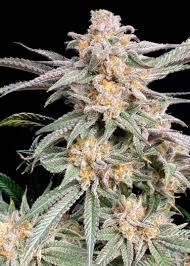
- Dense, conical buds with a bright green hue.
- A generous coating of frosty trichomes, indicating high THC levels.
- Vibrant orange pistils interwoven throughout the flower.
Aroma:
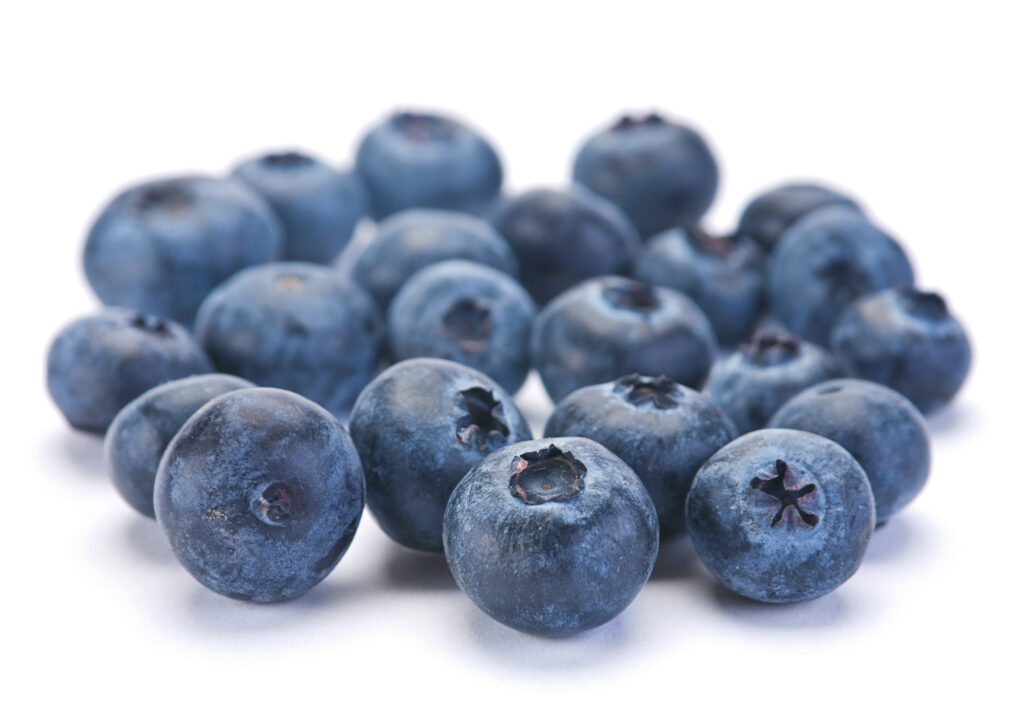
- A blend of sweet blueberries and earthy pine with subtle notes of citrus and floral undertones.
- The smell intensifies when the buds are broken or ground.
Flavor:
- Smooth and sweet, with prominent blueberry and pine flavors on the inhale.
- A woody, earthy aftertaste lingers on the exhale, with faint hints of spice.
Terpene Profile
The unique effects and flavors of Snoop’s Dream are heavily influenced by its terpene profile. Key terpenes include:
- Myrcene:
- Found in mangoes and lemongrass, this terpene is responsible for the strain’s earthy and musky undertones.
- Contributes to its sedative and muscle-relaxing properties.
- Pinene:
- Found in pine needles and rosemary, pinene gives the strain its fresh, woody aroma.
- Known for its anti-inflammatory and bronchodilator effects.
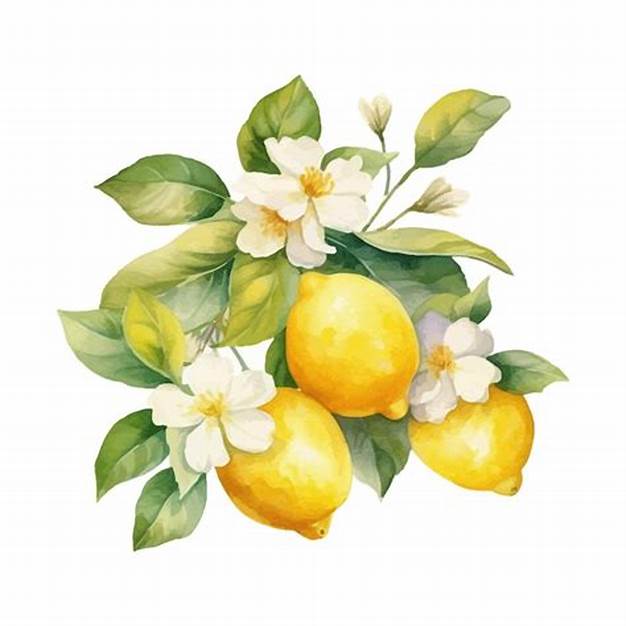
- Limonene:
- Provides a citrusy zest to the flavor and aroma.
- Offers mood-enhancing and stress-relieving benefits.
- Caryophyllene:
- Adds a spicy, peppery kick to the flavor profile.
- Acts as a natural anti-inflammatory and interacts with CB2 receptors.
- Linalool:
- Contributes floral and lavender-like notes.
- Renowned for its ability to reduce anxiety and promote calmness.
Effects and Psychoactivity
Snoop’s Dream offers a balanced high that begins with an uplifting cerebral buzz followed by a deep, relaxing body high. Usually, the consequences are as follows:
- Initial Onset:
- A euphoric head rush accompanied by enhanced focus and creativity.
- Mild energy boost, making it suitable for social interactions or light tasks.
- Mid-Phase:
- The indica effects gradually take over, promoting relaxation and tranquility.
- A soothing body buzz relieves tension without causing couch lock for most users.
- Duration:
- The high can last between 2 to 4 hours, depending on dosage and individual tolerance.
- Common Experiences:
- Happiness and laughter.
- Relief from mental clutter.
- A mild feeling of tranquility and happiness.
Medical Applications
Snoop’s Dream is valued for its versatility in addressing various medical conditions. Its blend of indica and sativa effects allows it to target both physical and mental ailments.
Mental Health Benefits:
- Stress and Anxiety:
- The uplifting euphoria from the Blue Dream lineage helps alleviate stress and mild to moderate anxiety.
- Linalool and limonene contribute to a calming effect, promoting relaxation.
- Depression:
- Sativa-like cerebral stimulation can enhance mood and counter depressive symptoms.
- PTSD and OCD:
- May provide relief by calming overactive thoughts and promoting emotional balance.
Pain Management:

- Chronic Pain:
- The strain’s indica-dominant properties and high THC levels make it effective for relieving chronic pain, including back pain and arthritis.
- Muscle Spasms:
- Myrcene and caryophyllene offer anti-inflammatory and analgesic benefits, easing muscle tension.
- Migraines:
- Pinene and THC can help reduce the intensity and frequency of migraine episodes.
Sleep Disorders:
- Insomnia:
- The strain’s sedative properties are ideal for users seeking a restful night’s sleep.
- Best consumed in the evening to avoid daytime drowsiness.
Neurological Conditions:
- Epilepsy:
- While Snoop’s Dream is low in CBD, the entourage effect from its terpenes and cannabinoids may, in certain situations, aid in lowering seizure activity.
- Multiple Sclerosis:
- Provides relief from muscle stiffness and neuropathic pain associated with MS.
Recreational Uses
Snoop’s Dream is a favorite among recreational users for its enjoyable and balanced high. Common recreational applications include:
- Socializing:
- Its initial uplifting effects make it great for parties or relaxed gatherings.
- Creative Activities:
- The mental clarity and euphoria it provides can inspire creativity in art, writing, or music.
- Relaxation:
- Perfect for relaxing without feeling too sedative after a long day.
- Outdoor Adventures:
- The mild energy boost and sensory enhancement make it suitable for activities like hiking or enjoying nature.
Scientific Insights
Cannabinoid and Terpene Synergy (Entourage Effect):
Snoop’s Dream demonstrates the entourage effect, where cannabinoids and terpenes interact synergistically to enhance therapeutic benefits. The interplay between THC, myrcene, and pinene is particularly notable, as it balances psychoactivity with relaxation and pain relief.
Neuroprotective Potential:
Preliminary research suggests that THC-dominant strains like Snoop’s Dream may have neuroprotective properties. The strain could potentially play a role in managing neurodegenerative diseases like Alzheimer’s or Parkinson’s.
Anti-Inflammatory and Analgesic Effects:
Caryophyllene’s interaction with CB2 receptors contributes to its anti-inflammatory and analgesic properties. This makes Snoop’s Dream an effective choice for conditions involving inflammation, such as arthritis or Crohn’s disease.
Mood Enhancement:
The presence of limonene has been linked to increased serotonin levels, which could explain the strain’s mood-lifting effects. This aligns with its anecdotal use for depression and anxiety.
Cultivating Snoop’s Dream requires understanding its genetic lineage, environmental preferences, nutrient needs, and pest management strategies. This indica-dominant hybrid, a cross between Blue Dream and Master Kush, inherits traits from both parents, making it a moderately easy strain to grow. Whether cultivated indoors or outdoors, attention to detail in each stage of the growing process is essential for maximizing yield and potency.
1. Genetic Overview
Snoop’s Dream combines characteristics of two robust strains:
- Blue Dream: Known for its resilience and moderate growth difficulty, Blue Dream passes on traits such as pest resistance and tolerance to environmental fluctuations.
- Master Kush: Adds to the strain’s high resin production and preference for slightly cooler temperatures.
These genetic traits make Snoop’s Dream suitable for novice and experienced growers alike.
2. Ideal Growing Conditions
Climate and Environment
- Temperature: Snoop’s Dream thrives in a temperate climate, with daytime temperatures between 70–80°F (21–27°C) during the vegetative stage. In the flowering stage, slightly cooler temperatures of 65–75°F (18–24°C) help enhance trichome production and terpene expression.
- Humidity:
- Vegetative stage: 55–65% relative humidity (RH) promotes healthy growth.
- Flowering stage: Lower the humidity to 40–50% RH to prevent mold and mildew, especially in dense buds.
- Light: This strain benefits from strong lighting. Indoors, provide 600–1000W HID lamps or equivalent LED lights. Outdoors, a sunny location with at least 8 hours of direct sunlight is optimal.
Soil or Growing Medium
- Soil: A well-draining, nutrient-rich soil mix with a slightly acidic pH of 6.0–6.5 promotes healthy root development and nutrient uptake. Adding organic compost, bat guano, or worm castings enhances the soil’s nutrient profile.
- Hydroponics: Snoop’s Dream performs well in hydroponic systems due to precise control over nutrients and pH levels. Use an inert medium like coco coir or rock wool for optimal results.
Airflow and Ventilation
Good airflow is critical for avoiding mold and promoting healthy growth, especially during the flowering phase. Use oscillating fans and exhaust systems to maintain air circulation and exchange in indoor setups.
3. Growth Stages and Cultivation Techniques
Germination
- Germinate seeds in a warm, moist environment with temperatures of 70–80°F (21–27°C).
- Use the paper towel method or plant directly in a seedling mix.
- Germination typically takes 2–7 days.
Vegetative Stage
- Light Schedule: 18–24 hours of light per day (18/6 or 24/0 light cycle).
- Nutrient Needs:
- High nitrogen levels to support vegetative growth.
- A balanced NPK ratio of 3:1:2 is recommended.
- Supplement with calcium and magnesium for robust development.
- Training:
- Use low-stress training (LST) to maximize light penetration.
- Consider topping the plant to encourage lateral growth and higher bud production.
- SCROG (Screen of Green) techniques help manage canopy height and optimize yield in limited spaces.
Flowering Stage
- Light Schedule: Switch to a 12/12 light cycle to trigger flowering.
- Duration: Snoop’s Dream flowers in 8–9 weeks indoors. Outdoor harvest typically occurs in late September to early October in the Northern Hemisphere.
- Nutrient Needs:
- To promote bud development, lower nitrogen levels and raise potassium and phosphorus levels.
- Use an NPK ratio of 1:2:3 during this stage.
- Include micronutrients like sulfur and iron to enhance terpene production.
- Environmental Adjustments:
- Gradually lower temperatures in the last two weeks of flowering to enhance trichome production and deepen colors.
4. Yield and Harvesting
Indoor Yield
- Expected yield: 14–16 ounces per square meter with optimized conditions.
- Ensure proper lighting, pruning, and training techniques to maximize yield.
Outdoor Yield
- Expected yield: 16–20 ounces per plant, depending on the climate and care.
- Choose a location with plenty of sunlight and fertile soil for best results.
Signs of Readiness for Harvest
- Trichome color: Look for milky white trichomes with some amber heads for the optimal THC-to-CBD ratio.
- Pistil color: The pistils (hairs) should turn from white to orange/brown and curl inward.
- Aroma: A strong, sweet, and earthy aroma develops when the buds are mature.
Harvesting
- Use clean, sharp shears to cut branches.
- Buds should be handled carefully to prevent trichome damage.
- Aim to harvest early in the morning or after a dark period to preserve terpene content.
5. Post-Harvest Processing
Drying
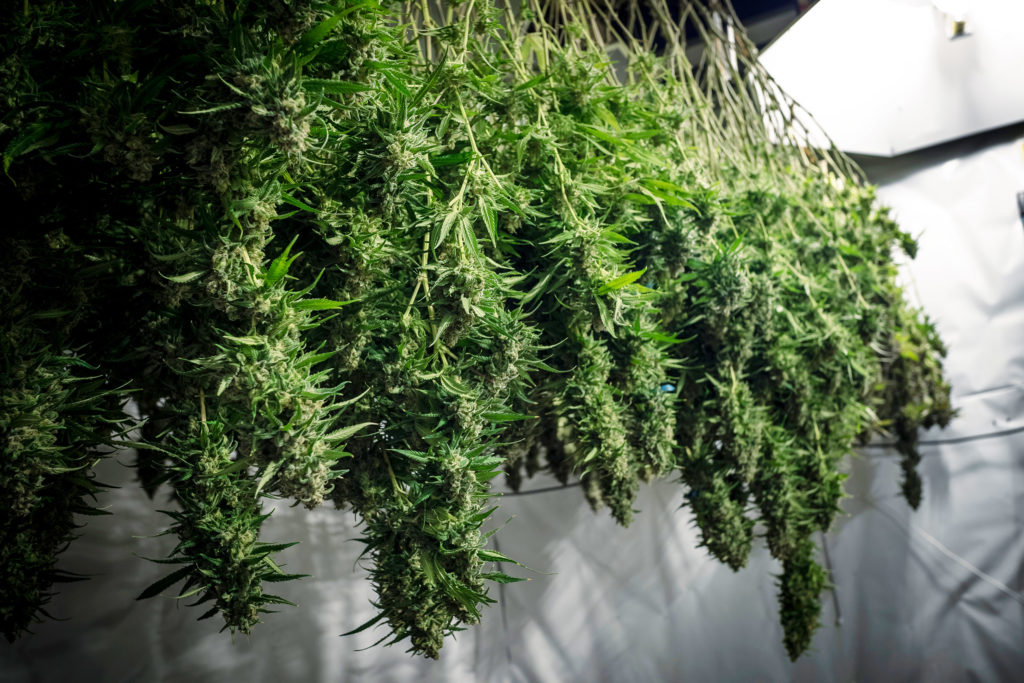
- Hang branches upside down in a dark, well-ventilated space with temperatures of 60–70°F (15–21°C) and 50–60% RH.
- Drying typically takes 7–14 days until the stems snap rather than bend.
Curing
- Transfer dried buds to glass jars, filling them about 75% to allow airflow.
- Store jars in a cool, dark place, opening them daily for the first two weeks to release moisture (“burping”).
- Curing improves flavor, potency, and smoothness, with optimal results after 2–6 weeks.
6. Common Challenges and Solutions
Pests
- Common pests include spider mites, aphids, and whiteflies.
- As a precaution, use insecticidal soaps or neem oil.
- Introduce beneficial insects like ladybugs or predatory mites to control infestations naturally.
Diseases
- Mold and mildew are the most common issues due to dense buds.
- Maintain proper airflow and low humidity during flowering.
- Use organic fungicides like potassium bicarbonate if needed.
Nutrient Deficiencies
- Nitrogen Deficiency: Yellowing leaves during the vegetative stage indicate a lack of nitrogen. Increase nitrogen-rich fertilizers.
- Calcium and Magnesium Deficiency: Symptoms include brown spots or curling leaves. Add Cal-Mag supplements to the nutrient regimen.
- Phosphorus Deficiency: Purple stems or slow bud development may indicate low phosphorus. Adjust with a bloom booster.
Environmental Stress
- Heat Stress: Leaf curling and discoloration can occur at temperatures above 85°F (29°C). Adjust ventilation or shading.
- Overwatering: Results in stunted growth and root rot. In between waterings, let the soil dry.
7. Scientific Insights on Optimization
Lighting
- PPFD (Photosynthetic Photon Flux Density): Maintain a PPFD level of 400–600 μmol/m²/s during the vegetative stage and 600–900 μmol/m²/s during flowering.
- Blue spectrum light enhances vegetative growth, while red spectrum light promotes flowering.
CO₂ Enrichment
- Increasing CO₂ levels to 1000–1500 ppm can significantly boost plant growth and yield, especially in sealed indoor environments.
Trichome Enhancement
- Gradual reduction in temperature during the late flowering stage can stimulate trichome production and enhance terpene content.
- Avoid excessive light during the final weeks to prevent terpene degradation.
8. Sustainable Practices
Snoop’s Dream cultivation can align with sustainable practices:
- Reduce the amount of chemical runoff by using organic fertilizers.
- Recycle runoff water in hydroponic systems to conserve resources.
- Incorporate cover crops or companion planting in outdoor grows to enhance soil health and deter pests.
9. Expected Challenges for Beginners
- Dense buds increase the risk of mold in high-humidity environments.
- Nutrient sensitivity: Overfeeding can cause nutrient burn, especially during flowering.
- Managing height: Indoor growers must monitor plant height, as the Blue Dream lineage can induce vigorous stretching during early flowering.
10. Summary of Key Cultivation Practices
- Start with a high-quality seed or clone for consistent results.
- Maintain optimal environmental conditions for each growth stage.
- To increase yields, apply training strategies like LST or SCROG.
- Monitor for pests and diseases regularly.
- To maintain flavor and potency, gently harvest and cure the buds.
By following these guidelines, growers can produce high-quality Snoop’s Dream flowers with potent effects, exceptional flavor, and impressive yields. Its moderate growth difficulty and robust genetics make it a rewarding choice for both personal and commercial cultivation.
Potential Side Effects
Like any cannabis strain, Snoop’s Dream may cause side effects, particularly in high doses:
- Dry Mouth and Eyes:
- Most commonly reported; staying hydrated helps alleviate these symptoms.
- Paranoia or Anxiety:
- Rare but may occur in users sensitive to THC or those who overconsume.
- Drowsiness:
- The sedative effects can be overwhelming for beginners or low-tolerance users.
- Mild Headaches:
- Typically related to dehydration or overuse.
Consumer Tips
- Dosage:
- Start with a small dose, especially if you’re a beginner, and wait 30 minutes to assess the effects.
- Consumption Methods:
- Ideal for smoking or vaping to enjoy its flavor and quick onset of effects.
- Can also be used in edibles or tinctures for longer-lasting relief.
- Timing:
- Because of its calming qualities, it is best used in the evening or at night.
- Pairing:
- Complements relaxing activities like watching movies, listening to music, or meditating.
Final Thoughts
Snoop’s Dream is a testament to the artistry of cannabis breeding, combining the best traits of its illustrious parent strains. With its balanced effects, delightful flavor profile, and therapeutic potential, it caters to a wide range of users. Whether you’re a medical patient seeking relief from chronic conditions or a recreational user looking for a strain to unwind with, Snoop’s Dream offers a versatile and enjoyable experience.
The scientific underpinnings of this strain highlight its potential for addressing complex medical conditions, while its recreational appeal cements its place as a favorite among cannabis enthusiasts.
For a complete directory of cultivars, visit our Cannabis Strain Reviews.
