Table of Contents
Snoop Dogg OG, a strain named after the iconic rapper and cannabis advocate Snoop Dogg, is a potent indica-dominant hybrid known for its powerful body high, strong cerebral effects, and therapeutic versatility. It embodies the legacy of OG Kush genetics with added complexity from unknown lineage refinements. It typically boasts THC levels between 18–26%, making it a strain of significant potency, suitable for both recreational and medicinal users seeking fast-acting and long-lasting relief.
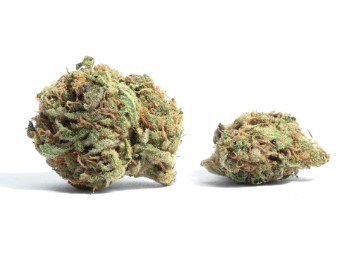
Snoop Dogg OG’s popularity stems not only from its cultural branding but from its impressive phytochemical profile, which includes a range of cannabinoids and terpenes contributing to its profound psychoactive and therapeutic effects. It is commonly used for managing chronic pain, stress, anxiety, insomnia, appetite loss, and mood disorders.
Genetic Lineage and Phenotypic Traits
Snoop Dogg OG is considered a phenotype or variant of OG Kush, though its exact parentage remains somewhat ambiguous. It’s widely regarded as a distinct indica-dominant hybrid, with a genotype approximating 70% indica and 30% sativa.
Botanical Features:
- Plant structure: Short to medium height with bushy lateral branching
- Flowering period: 8–9 weeks indoors
- Yield: Moderate to high (400–500g/m² indoors)
- Aroma: Earthy, citrus, pine, diesel, spice
- Flavor: Lemon, skunk, herbal, with a pungent OG funk
Cannabinoid Profile and Phytochemistry
Snoop Dogg OG is a high-THC strain, often ranging from 18% to 26% THC, with low CBD (<1%) and notable presence of minor cannabinoids, including CBG, CBC, and trace THCV.
| Cannabinoid | Function and Effects |
|---|---|
| THC | Activates CB1/CB2 receptors; provides analgesia, euphoria, anti-nausea, appetite stimulation |
| CBD | Indirect CB1 modulator; counteracts anxiety, reduces seizures, modulates inflammation |
| CBG | Mild CB1 antagonist; anti-inflammatory, neuroprotective, appetite stimulant |
| CBC | Enhances pain relief via TRP channels; supports neurogenesis |
| THCV | CB1 antagonist at low dose; appetite suppressant, anticonvulsant |
Terpene Profile and Biochemical Synergy
Snoop Dogg OG expresses a complex terpene profile, largely dominated by myrcene, limonene, caryophyllene, and linalool, with occasional presence of humulene and pinene.

| Terpene | Medical Action |
|---|---|
| Myrcene | Sedative, muscle relaxant, pain modulator |
| Limonene | Antidepressant, anti-anxiety, immunomodulator |
| Caryophyllene | CB2 receptor agonist, anti-inflammatory, gastroprotective |
| Linalool | Anxiolytic, anticonvulsant, sedative |
| Humulene | Anti-inflammatory, antimicrobial |
| Pinene | Bronchodilator, memory enhancer, anti-inflammatory |
Entourage Effects:
- Myrcene + THC amplifies sedation and physical relaxation.
- Caryophyllene + THC targets both nociceptive and inflammatory pain.
- Limonene + CBD/THC supports mood elevation and stress relief.
- Linalool + THC promotes deep relaxation and anxiolysis.
Mechanisms of Action in the Human Body
The endocannabinoid system (ECS) is the primary mediator of cannabis effects. The active compounds in Snoop Dogg OG target CB1 and CB2 receptors, TRP ion channels, serotonin (5-HT1A), dopamine, GABA, and adrenergic pathways.
CB1 Receptor Activation
Primarily located in the central nervous system, CB1 is activated by THC, reducing neuronal excitability. This leads to:
- Diminished pain perception
- Euphoria and mood elevation
- Sleep induction
- Appetite stimulation
CB2 Receptor Activation
Found on immune and peripheral nerve cells, CB2 in Snoop Dogg OG is activated by caryophyllene, THC, and CBG, resulting in:
- Suppressed cytokine release
- Reduced inflammation
- Modulated immune responses
TRP Channels
CBD, CBC, and CBG activate TRPV1 (pain, heat), TRPA1 (inflammation), contributing to analgesia and reduced inflammatory pain.
Serotonin and GABA Modulation
Linalool and CBD interact with 5-HT1A and GABA-A receptors, producing:
- Anxiolysis
- Sedation
- Improved sleep and mood regulation
Dopamine and Norepinephrine Pathways
THC influences dopaminergic circuits, enhancing:
- Motivation
- Reward perception
- Emotional regulation
Medical Applications of Snoop Dogg OG
Snoop Dogg OG is an indica-dominant hybrid strain with high THC content (typically 18–26%), moderate levels of minor cannabinoids like CBG and CBC, and a rich terpene profile including myrcene, limonene, caryophyllene, and linalool. This phytochemical spectrum provides a strong therapeutic base for treating:
- Chronic pain
- Anxiety and stress-related disorders
- Insomnia and sleep disturbances
- Appetite loss and nausea
- Inflammatory conditions
- Depressive mood states
- Muscle tension and spasticity
Cannabinoid Pharmacology and Medical Implications
1. THC (Δ9-Tetrahydrocannabinol)
Snoop Dogg OG’s high THC content delivers strong effects through CB1 receptor activation in the central nervous system:
- Analgesia: Inhibits pain signaling in the spinal cord and brain
- Mood elevation: Enhances dopamine release in mesolimbic pathways
- Anti-nausea: Reduces vomiting through CB1 activity in the brainstem
- Appetite stimulation: Triggers hypothalamic hunger signals
Medically, THC in Snoop Dogg OG supports neuropathic and inflammatory pain relief, chemotherapy-induced nausea, cachexia, and depressive symptoms.
2. CBD (Cannabidiol)
Although CBD is minimal in most Snoop Dogg OG chemotypes, it plays a crucial modulatory role when present:
- Acts on 5-HT1A receptors to reduce anxiety and stress
- Activates TRPV1 channels, modulating pain and inflammation
- Indirectly balances THC psychoactivity
CBD may improve emotional regulation, chronic inflammation, and neuropathic pain, complementing THC’s effects.
3. CBG (Cannabigerol)
CBG is typically found in small quantities in Snoop Dogg OG and is a non-intoxicating cannabinoid that:
- Activates CB2 receptors: Reducing inflammation and immune overactivity
- Engages α2-adrenergic receptors: Provides analgesia and vasodilation
- Affects TRP channels: Supports pain modulation
This broad activity suggests utility in inflammatory bowel diseases, glaucoma, and bladder dysfunction, especially when part of a full-spectrum profile like Snoop Dogg OG.
4. CBC (Cannabichromene)
CBC in Snoop Dogg OG interacts with TRPV1 and TRPA1 receptors, both involved in pain and inflammation. It also supports neurogenesis and may enhance the effects of THC and CBD, particularly in neuropathic and inflammatory pain settings.
5. THCV (Tetrahydrocannabivarin)
Present in trace amounts, THCV:
- Blocks CB1 at low doses: May reduce appetite and anxiety
- Activates CB1 at high doses: Mild psychoactivity, potential anticonvulsant effects
THCV may assist in metabolic disorders, epilepsy, and appetite regulation without intense sedation.
Terpene Pharmacology and Clinical Significance
Snoop Dogg OG is rich in several key terpenes that work synergistically with cannabinoids to amplify therapeutic effects.
1. Myrcene
- Snoop Dogg OG promotes sedation, muscle relaxation, and analgesia
- Acts as a potentiator of THC by increasing cell permeability
- Clinically relevant for insomnia, muscle pain, and stress
2. Limonene
- Improves mood by raising dopamine and serotonin levels.
- Offers anxiolytic and antidepressant effects
- Supports immune modulation and gastrointestinal function
Limonene is beneficial for anxiety disorders, mood instability, and nausea relief.
3. Caryophyllene
- Binds directly to CB2 receptors, producing anti-inflammatory and analgesic effects
- Useful in managing arthritis, colitis, and general inflammation
- Non-psychoactive and complements THC without enhancing intoxication
4. Linalool
- Modulates GABA and serotonin receptors
- Produces sedative, anti-anxiety, and anticonvulsant effects
- Amplifies benefits in insomnia, epilepsy, and PTSD-related anxiety
5. Pinene and Humulene (Minor Terpenes)
- Pinene: Improves alertness, memory, and acts as a bronchodilator
- Humulene: Reduces inflammation and may suppress appetite (balances THC’s hunger effect)
These minor terpenes fine-tune the therapeutic balance, improving safety and functional outcomes.
Mechanisms of Action and Clinical Pathways
1. CB1 Receptor Pathway
- THC binds to CB1 in the CNS, inhibiting excitatory neurotransmitter release.
- Results in pain relief, euphoria, spasticity reduction, and appetite stimulation.
2. CB2 Receptor Pathway
- CBG and caryophyllene activate CB2 in immune cells, reducing cytokine release.
- Helps control chronic inflammation and immune hyperactivity.
3. TRP Channels
- CBD, CBG, and CBC activate TRPV1 and TRPA1, key receptors in pain and heat perception.
- Desensitization of these channels reduces nociception and hyperalgesia.
4. Neurotransmitter Systems
- Serotonin (5-HT1A): CBD and limonene modulate serotonin transmission, helping with anxiety and depression.
- GABA-A: Linalool enhances GABAergic signaling, leading to calming and anticonvulsant effects.
- Dopamine and Endorphins: THC boosts dopaminergic tone, alleviating depression and stress.
Specific Medical Uses
1. Chronic Pain (Neuropathic and Inflammatory)
Snoop Dogg OG reduces pain via:
- CB1 modulation (central pain)
- CB2 activation (peripheral inflammation)
- TRPV1 desensitization (neuropathic pain)
Best for conditions like:
- Fibromyalgia
- Arthritis
- Migraine
- Multiple sclerosis-related pain
2. Anxiety and PTSD
Low-to-moderate doses relieve anxiety through:
- Serotonin receptor activation (limonene, CBD)
- GABAergic effects (linalool)
- Mild CB1 activation (low-dose THC)
Effective for:
- Generalized anxiety
- Social anxiety
- PTSD (hyperarousal and flashbacks)
3. Insomnia and Sleep Disorders
The high myrcene and THC content support:
- Faster sleep onset
- Longer deep sleep stages
- Reduction in nocturnal awakenings
Recommended for:
- Primary insomnia
- Stress-induced sleep disruption
- Restless leg syndrome
4. Depression and Mood Disorders
Limonene, THC, and CBD:
- Enhance dopamine and serotonin release
- Reduce stress reactivity
- Improve cognitive-emotional flexibility
Useful in:
- Mild to moderate depression
- Seasonal affective disorder
- Low motivation states
5. Appetite Stimulation and Gastrointestinal Support
THC increases appetite through:
- CB1 stimulation in the hypothalamus
- Dopaminergic reinforcement of feeding behavior
Indications:
- Cancer-related cachexia
- HIV/AIDS
- Anorexia nervosa (in select cases)
Limonene and CBD in Snoop Dogg OG also reduce nausea and GI spasms, aiding patients with IBS or gastritis.
6. Muscle Spasticity and Neurological Disorders
- THC and CBG reduce muscle spasm frequency in MS and spinal cord injuries
- Linalool and myrcene add muscle relaxation
- CBD modulates hyperexcitability in motor neurons
Clinical application:
- Multiple sclerosis
- Parkinson’s rigidity
- Spinal cord injury spasticity
7. Inflammation and Immune Modulation
CB2-targeting compounds (CBG, caryophyllene) suppress:
- IL-1β, TNF-α, and other inflammatory cytokines
- Immune cell migration and oxidative stress
Snoop Dogg OG may benefit:
- Rheumatoid arthritis
- Lupus
- Inflammatory bowel diseases
Recreational Effects and User Experience
Snoop Dogg OG is noted for its strong cerebral onset followed by deep physical sedation. It is typically not considered a beginner strain due to its intensity.
Initial Onset (0–30 minutes):
- Euphoric uplift
- Elevated sensory perception
- Mild psychedelic visuals at higher doses
- Sharpened auditory sensitivity
Plateau Phase (30–120 minutes):
- Muscle relaxation
- Couch-lock
- Spaciness and introspection
- Enhanced taste and smell perception
Later Phase (120–240+ minutes):
- Sedation
- Deep sleep or stillness
- Mild appetite surge (“munchies”)
Ideal for:
- Nighttime relaxation
- Music appreciation
- Meditative or creative work
- Post-work decompression
Cultivation Overview
Snoop Dogg OG is an indica-dominant hybrid, typically robust and bushy with dense internodes. It produces resin-rich flowers with significant trichome density and a strong terpene profile when grown under optimized conditions.

Genetic Behavior and Phenotype Summary:
- Indica-dominant hybrid (approx. 70/30)
- Short to medium internodal spacing
- Compact plant structure with lateral branching
- Flowering time: ~ 8–9 weeks (indoor), early October (outdoor)
- Average height: 80–140 cm (indoor)
- Yield: 400–500 g/m² indoor; 500–700 g/plant outdoor
Environmental Parameters
1. Temperature and Humidity Control
Snoop Dogg OG prefers warm, Mediterranean-like climates, but thrives in indoor controlled environments.
| Growth Stage | Day Temp | Night Temp | RH Range | VPD Target |
|---|---|---|---|---|
| Seedling | 22–25°C | 18–20°C | 65–70% | 0.5–0.7 kPa |
| Vegetative | 24–28°C | 20–22°C | 55–65% | 0.8–1.2 kPa |
| Flowering | 21–26°C | 18–20°C | 40–50% | 1.2–1.5 kPa |
| Late Flower | 19–23°C | 16–18°C | 35–45% | 1.3–1.6 kPa |
Scientific rationale: Maintaining proper Vapor Pressure Deficit (VPD) ensures optimal transpiration rates, calcium transport, and trichome production. In the late flowering stage, lower humidity promotes resin concentration and prevents mold.
2. Light Intensity and Photoperiod
Snoop Dogg OG is a photoperiod strain, responsive to light cycles for flowering induction.
| Stage | Photoperiod | PPFD Range | Notes |
|---|---|---|---|
| Vegetative | 18/6 | 400–600 µmol/m²/s | Blue-dominant spectrum preferred |
| Flowering | 12/12 | 700–1000 µmol/m²/s | Red-rich + far-red boosts density |
| Late Flower | 12/12 | 900–1100 µmol/m²/s | UV-B for trichome stimulation |
UV-B light during the final 2–3 weeks (20–40 µmol/m²/s) enhances THC and terpene biosynthesis by activating secondary metabolite stress pathways (via jasmonic acid signaling).
Substrate and Root Zone Science
Preferred Mediums:
- Coco coir + perlite (70:30): Excellent oxygenation and fast nutrient uptake
- Living soil: Microbial activity enhances terpene complexity and cannabinoid diversity
- Hydroponics (e.g., DWC or aeroponics): Higher yields, but terpene content can suffer without organic supplementation
| Parameter | Optimal Range (Coco/Hydro) |
|---|---|
| Root zone pH | 5.8–6.2 |
| Electrical Conductivity (EC) | 1.2–2.2 dS/m (depending on phase) |
| Water temp | 18–21°C |
| DO (Dissolved Oxygen) | ≥6.0 ppm |
Root oxygenation improves nutrient uptake efficiency and root health, especially critical in hydro and coco systems.
Nutrient Management
Macronutrient Phases
| Growth Stage | N | P | K | Comments |
|---|---|---|---|---|
| Seedling | Low | Low | Low | Use dilute ¼-strength starter feed |
| Vegetative | High | Medium | High | Promotes foliage and lateral growth |
| Early Flower | Medium | High | High | Initiates bud set and internodal swell |
| Mid–Late Flower | Low | Very High | Very High | Resin, aroma, and weight development |
Micronutrients and Chelation
- Ensure availability of Mg, Ca, Fe, Zn, Mn, B — crucial for:
- THC synthase activity
- Photosynthetic efficiency
- Enzymatic cofactor function
Use chelated forms (EDTA or DTPA) to maintain micronutrient bioavailability across varied pH ranges.
Genetic Expression and Optimization Strategies
1. Terpene Maximization
- Use low-nitrogen bloom formulas in mid-late flowering to avoid suppression of volatile oil production.
- Add sulfur-based organic inputs (e.g., kelp, gypsum) to promote terpene biosynthesis.
- Avoid late-stage foliar sprays — trichome heads are fragile.
2. Cannabinoid Enhancement
- UV-B + blue light spectrum in weeks 6–9 of flowering stimulates trichome production.
- Low-dose water stress in the final 5–7 days (slightly reduced irrigation) can increase resin output via stress signaling.
- Drop nighttime temperatures by ~3–5°C to boost anthocyanin and cannabinoid levels.
Plant Training and Morphological Control
Snoop Dogg OG is responsive to multiple canopy management techniques:
| Technique | Effect |
|---|---|
| Topping | Increases bushiness and lateral bud sites |
| LST | Opens canopy, improves light penetration |
| SCROG | Increases yield/m² by maximizing bud exposure |
| Defoliation | Reduces humidity, improves airflow, prevents mold |
| Supercropping | Encourages thicker stems and stronger branching |
Monitor stress markers during training (e.g., leaf curl, slowed growth), and allow recovery time before flowering.
Flowering Phase and Harvest Optimization
1. Flowering Development Timeline
- Weeks 1–2: Stretch; set early pistils
- Weeks 3–5: Calyx formation; trichome initiation
- Weeks 6–8: Trichome expansion; aroma intensifies
- Week 9: Optimal harvest window (check trichomes)
2. Harvest Indicators
- Trichome appearance: 70% cloudy, 10–20% amber = peak potency
- Pistils: 75–90% turned orange/brown
- Aroma: Pungent, diesel-citrus dominant
Avoid early harvest to ensure full cannabinoid decarboxylation and terpene maturation.
Post-Harvest: Drying and Curing Science
Drying Conditions
| Parameter | Optimal Value |
|---|---|
| Temp | 18–21°C (64–70°F) |
| RH | 50–60% |
| Airflow | Gentle, non-direct |
| Duration | 10–14 days |
Slow drying preserves monoterpenes (limonene, pinene), which are volatile above 70°F.
Curing
- Store buds in glass jars with 58–62% RH
- Burp daily for the first 10–14 days
- Full cure time: 4–8 weeks
Curing allows breakdown of chlorophyll and sugar residuals, improving flavor, smoothness, and chemical stability.
Pest and Pathogen Management
Common Threats and Controls
| Threat | Prevention & Treatment |
|---|---|
| Powdery Mildew | Maintain low RH, use sulfur sprays (veg only) |
| Spider Mites | Neem oil, predatory mites (Phytoseiulus persimilis) |
| Fungus Gnats | BTi (Bacillus thuringiensis israelensis), sand top layer |
| Bud Rot (Botrytis) | Prune dense buds, reduce humidity in late flower |
Biocontrols and integrated pest management (IPM) are essential in medical-grade cultivation to avoid chemical residues.
Yield Enhancement and Quality Metrics
Target Outputs (Controlled Indoor Grow)
- THC content: 20–26% (optimal light + nutrients)
- Total terpenes: 1.5–3% (weight basis)
- Dry yield: 1.0–1.5 g/watt with LED systems
Lab-grade metrics should include:
- Water Activity (a<sub>w</sub>): <0.65 to prevent microbial growth
- Residual Solvents: None (if for extraction)
- Pesticide-free: Compliant with regional health standards
Key Scientific Practices for Snoop Dogg OG Cultivation
- Maintain tight climate control, especially humidity in flowering
- Use full-spectrum lighting and UV-B for trichome development
- Choose high-oxygen substrates (e.g., coco with perlite)
- Implement strategic plant training for canopy efficiency
- Prioritize nutrient timing with phase-specific NPK ratios
- Ensure slow drying and long curing to protect terpenes
- Monitor for pests and pathogens using biological controls
Pharmacological Considerations
Snoop Dogg OG’s therapeutic profile is a result of multi-targeted activity:
- CB1 modulation affects central nervous system functions including analgesia, mood, and sleep
- CB2 activation contributes to peripheral anti-inflammatory and immune regulation
- TRPV1/TRPA1 channel desensitization reduces chronic inflammatory signaling
- Neurotransmitter modulation via serotonin and dopamine systems enhances mood and stress resilience
The result is a polypharmacological tool effective across systems without relying on a single receptor pathway.
Dosing Guidelines
| Purpose | Method | Dose (THC) | Notes |
|---|---|---|---|
| Pain relief | Inhalation | 5–10 mg | Can titrate based on response |
| Anxiety | Sublingual / vapor | 1–3 mg | Avoid high doses for anxiety |
| Sleep aid | Edible or vape | 10–15 mg | Take 1–2 hours before bed |
| Appetite | Inhalation | 5–8 mg | 30–60 minutes before meals |
| Mood uplift | Vape | 2–4 mg | Ideal for mild depression |
Microdosing (1–2 mg THC per session) may be beneficial for sensitive patients or during daytime use.
Safety, Contraindications, and Side Effects
Common Side Effects:
- Dry mouth and eyes
- Sedation
- Dizziness or short-term memory impairment
- Increased heart rate
- Anxiety (especially at high doses)
Serious Risks (rare):
- Psychosis in predisposed individuals
- Cannabis use disorder (in chronic high-dose users)
- Interaction with CNS depressants (benzodiazepines, alcohol)
Contraindications:
- History of schizophrenia or psychotic illness
- Severe cardiovascular disease
- Pregnancy or breastfeeding
Drug Interactions:
- CYP450 substrates (e.g., warfarin, SSRIs) may have altered metabolism
- Additive effects with sedatives, alcohol, opioids
Conclusion
Snoop Dogg OG is a well-balanced, potent cannabis strain with robust medical applications and recreational depth. Its indica-leaning genetics, high THC content, and diverse terpene profile offer a comprehensive therapeutic tool for conditions involving pain, inflammation, anxiety, insomnia, mood instability, and appetite loss.
From a pharmacological standpoint, it engages multiple biological systems — cannabinoid, serotonergic, GABAergic, and inflammatory pathways — producing compound, synergistic effects. Its recreational appeal lies in its ability to provide a euphoric yet tranquil experience, ideal for introspection, creativity, or deep rest.
For a complete directory of cultivars, visit our Cannabis Strain Reviews.
