Table of Contents
The Smelliot strain is a unique and highly sought-after cannabis cultivar known for its distinctive terpene profile, potent effects, and specific medical uses. Although it might not be as well-known as other strains like OG Kush or Blue Dream, Smelliot has carved out its niche within the cannabis community, particularly among medical cannabis users. This article will explore the origins, characteristics, chemical composition, and medical applications of the Smelliot strain in detail. Additionally, we will look at how its effects can be leveraged to manage various medical conditions, making it a popular choice for many patients seeking relief from symptoms.
1. Origins and Genetics of Smelliot Strain
Like many cannabis strains, Smelliot’s exact lineage may not always be transparent or widely publicized due to proprietary breeding techniques. However, many cannabis enthusiasts and cultivators believe that Smelliot is a cross of two well-known and potent strains. Its name suggests a nod to its exceptionally pungent aroma, likely a characteristic inherited from one or more “skunky” or diesel strains.
One likely parent of Smelliot is the popular Sour Diesel strain, which is known for its intense gasoline-like aroma and uplifting effects. Sour Diesel itself is a sativa-dominant strain that has gained fame for its energizing and cerebral high. Another potential parent could be an indica-heavy strain, balancing the effects and providing more of a body-relaxing experience. Combining these two genetic lines would likely result in Smelliot’s signature effects: a strain that can provide both mental stimulation and physical relaxation.
While the exact origin story of Smelliot may remain somewhat ambiguous, the growing popularity of the strain in medical circles suggests that its genetics were carefully curated to address specific therapeutic needs.
2. Terpene Profile and Aroma
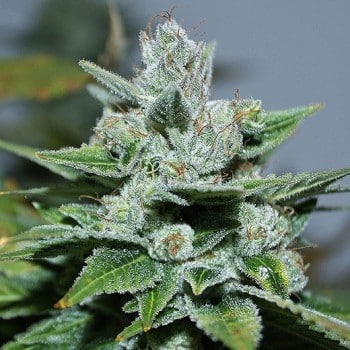
The defining feature of the Smelliot strain, as its name suggests, is its overwhelming aroma. Smelliot is known for a highly pungent smell that often includes notes of skunk, gasoline, pine, and earth. The terpenes in Smelliot are largely responsible for this scent, as well as its healing properties.
Terpenes are natural substances that can be found in the essential oils of plants, and in cannabis, they work in synergy with cannabinoids like THC and CBD to enhance therapeutic benefits in what is called the “entourage effect.” Below are some of the primary terpenes found in the Smelliot strain:
- Myrcene: Known for its earthy, musky scent, this is one of the most prevalent terpenes in cannabis, which can resemble cloves. It has sedative effects and is known to enhance the absorption of cannabinoids. Myrcene is often linked to the relaxing and sleep-inducing effects of cannabis.
- Limonene: As the name suggests, this terpene is associated with a citrusy aroma, specifically lemons. Limonene has antidepressant and anti-anxiety qualities and is thought to improve mood. It also has immune-stimulating and anti-inflammatory properties.
- Caryophyllene: Black pepper and cloves also contain this peppery, spicy terpene. Its ability to attach to CB2 receptors in the body’s endocannabinoid system makes it special, acting as a powerful anti-inflammatory and analgesic compound.
- Linalool: Known for its floral, lavender-like aroma, linalool has calming, anti-anxiety, and anti-depressant properties. It is commonly used in aromatherapy and is effective at reducing stress and promoting relaxation.
- Pinene: As the name implies, pinene smells strongly of pine and is believed to have bronchodilator and anti-inflammatory properties. It can help counteract some of the cognitive side effects of THC, such as impairment of short-term memory.
The combination of these terpenes gives Smelliot its characteristic strong smell, which can be off-putting to some but highly desirable to others who seek cannabis strains with potent sensory profiles. This terpene profile also contributes to its range of medicinal benefits.
3. Cannabinoid Content
The potency of the Smelliot strain is another reason for its popularity, particularly in medical contexts. Smelliot typically has a high THC content, which can range from 20% to 30%, depending on how it is grown and harvested. Tetrahydrocannabinol, or THC, is the psychoactive ingredient in cannabis that for the “high” that users experience. In medical applications, THC is known to have various therapeutic advantages, such as appetite stimulation, anti-nausea effects, and pain relief.
In addition to THC, some phenotypes of Smelliot may also contain trace amounts of CBD (cannabidiol). While not as psychoactive as THC, CBD is well known for its therapeutic effects, including anti-inflammatory, anxiolytic (anti-anxiety), and neuroprotective properties. The balance of THC and CBD, along with the terpene profile, can make Smelliot an effective strain for managing a variety of medical conditions.

4. Effects and Therapeutic Uses
Smelliot is known for producing both uplifting cerebral effects and deeply relaxing physical effects. Its high THC content ensures that users experience an immediate psychoactive effect, characterized by a burst of euphoria and heightened sensory awareness. This is often accompanied by a sense of mental clarity and focus, which makes Smelliot popular among those seeking relief from mental disorders like anxiety and depression.
On the physical side, Smelliot provides a soothing body high that can relieve muscle tension, reduce pain, and promote relaxation. For patients dealing with chronic pain or inflammation, this aspect of the strain can be particularly beneficial. As the effects progress, many users report a sense of deep calm that can lead to drowsiness, making Smelliot a potential option for treating insomnia or other sleep disorders.
4.1. Managing Chronic Pain
One of the most common reasons patients turn to cannabis for medical relief is chronic pain. Smelliot’s high THC content and its rich terpene profile, especially the presence of myrcene and caryophyllene, make it an ideal candidate for managing various types of pain, including neuropathic pain, arthritis, and migraines.

- Neuropathic Pain: Frequently characterized as a burning or tingling sensation, can result from nerve damage or conditions like diabetes. Studies suggest that THC can help modulate pain signals in both the brain and the spinal cord, decreasing the sense of pain. Additionally, the anti-inflammatory effects of caryophyllene may help address the underlying causes of neuropathic pain.
- Arthritis: The anti-inflammatory properties of terpenes like pinene and caryophyllene are particularly useful in managing the inflammation associated with arthritis. By reducing inflammation, Smelliot can help improve mobility and reduce pain in joints.
- Migraine Relief: Migraines are often linked to disruptions in the body’s endocannabinoid system, and many patients find relief through the use of cannabis. Smelliot’s ability to induce relaxation and reduce pain makes it a viable option for those suffering from chronic migraines.
4.2. Anxiety and Depression
Two of the most common mental health conditions in the world are anxiety and depression. Although THC can occasionally make some people feel more anxious, the terpene composition of Smelliot, particularly the presence of limonene and linalool, helps mitigate these effects.
- Anxiety: Linalool has been shown to have anxiolytic properties, helping to calm the mind and reduce stress. When combined with THC, it can provide a balanced experience that helps users manage anxiety without becoming too overwhelmed by the psychoactive effects.
- Depression: Limonene, which is often found in citrus fruits, is known for its uplifting and mood-enhancing effects. It can lessen depressive symptoms by stimulating feelings of well-being and mental clarity.
4.3. Sleep Disorders and Insomnia
Smelliot’s sedative effects make it an excellent strain for those dealing with sleep disorders, including insomnia. Myrcene, a terpene, is well-known for its sedative qualities. and when combined with THC, it can help users fall asleep faster and remain asleep for longer.
For individuals who struggle with insomnia due to chronic pain, anxiety, or other conditions, Smelliot offers a two-pronged approach: it alleviates the underlying symptoms while promoting deep, restorative sleep.
4.4. Appetite Stimulation
Among THC’s most well-known medicinal applications is its ability to stimulate appetite, a phenomenon often referred to as “the munchies.” For individuals receiving chemotherapy or those who have conditions like HIV/AIDS that result in appetite loss, Smelliot can help restore a healthy appetite.
The strain’s high THC content triggers the brain’s endocannabinoid system, which plays a role in regulating hunger and satiety. By stimulating this system, Smelliot can help patients maintain a healthy weight and enhance their general well-being.
5. Potential Side Effects
Like all cannabis strains, there may be adverse effects associated with the use of Smelliot, particularly due to its high THC content. While many users find the strain’s effects to be beneficial, others may experience some discomfort, especially if they are unfamiliar with cannabis or THC-sensitive.
- Dry Mouth and Dry Eyes: These are the most common side effects of many cannabis strains and are often referred to as “red-eye” and “cottonmouth.” Using eye drops and staying hydrated can help mitigate these symptoms.
- Paranoia and Anxiety: In some individuals, particularly those who are sensitive to THC or prone to anxiety, Smelliot’s high THC content may induce feelings of paranoia or increased anxiety. beginning with a low dosage and progressively raising the amount can help prevent these effects.
- Dizziness and Lightheadedness: Some users may experience dizziness, especially if they consume a large amount of Smelliot quickly. Sitting down and staying hydrated can help alleviate this sensation.
- Drowsiness: Although drowsiness is a desired side effect for people who use Smelliot to treat insomnia or anxiety, it may be undesirable for people who must maintain their focus or alertness. As such, Smelliot is best used in the evening or before bed.
6. Cultivation and Growing Conditions
For those interested in cultivating Smelliot, it is important to note that this strain may require specific growing conditions to reach its full potential. Like many hybrid strains, Smelliot can be grown both both indoors and outdoors, although indoor cultivation gives you greater control over elements like light cycles, humidity, and temperature.
- Climate: Smelliot thrives in a warm, sunny climate with moderate humidity. If grown outdoors, it is best suited to regions with Mediterranean-like weather. Indoor growers can recreate these conditions using grow lights and humidity control systems.
- Flowering Time: Smelliot typically has a flowering time of 8 to 10 weeks, depending on the phenotype. Indoor growers can expect to harvest after about 8 to 9 weeks, while outdoor growers can anticipate a harvest in late September or early October.
- Yields: When grown under optimal conditions, Smelliot can produce moderate to high yields. While outdoor plants may produce up to 18 ounces per plant, indoor growers can anticipate about 14 to 16 ounces per square meter.
7. Conclusion
The Smelliot strain is a unique and versatile cannabis cultivar that provides numerous health advantages. Its combination of potent THC levels, a rich terpene profile, and balanced impacts make it a well-liked option for those dealing with chronic pain, anxiety, depression, sleep disorders, and appetite loss. Although not everyone will find its strong scent appealing, those who appreciate strong, skunky strains will find Smelliot to be a highly effective and enjoyable option.
It is necessary for users, just like any other cannabis product to start with a low dose, especially if they are either lack a high tolerance to THC or are new to cannabis. By doing so, they can better manage the strain’s potent effects and minimize the risk of side effects like paranoia or dizziness.
Ultimately, Smelliot’s growing reputation as a powerful medical strain ensures that patients looking for natural relief from a range of symptoms will continue to find it to be a useful tool. Whether it’s to treat persistent pain, enhance sleep, or lift mood, Smelliot offers a holistic approach to wellness that aligns with the increasing demand for plant-based therapies.
For a complete directory of cultivars, visit our Cannabis Strain Reviews.
