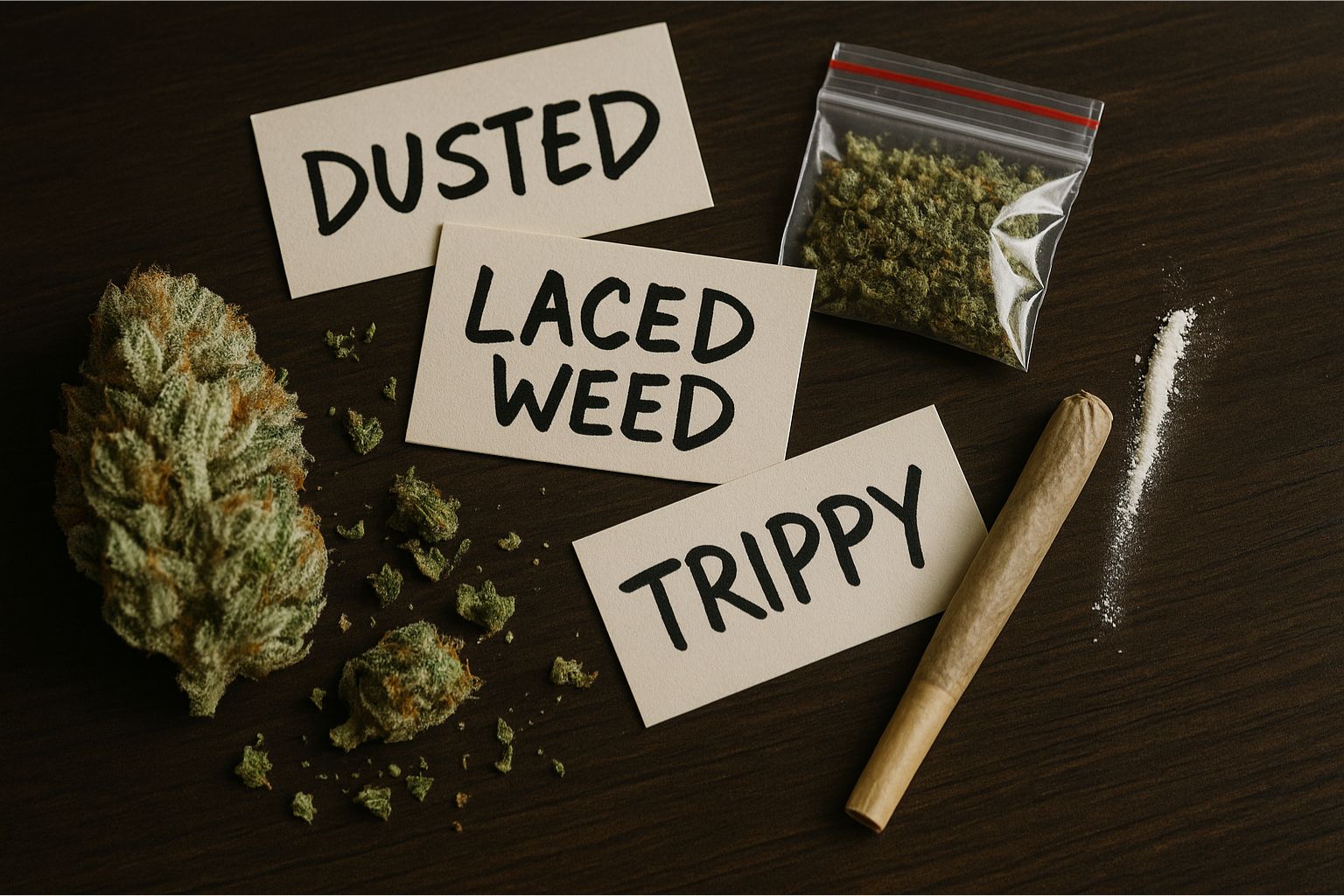
Why I Take Laced Weed Dangers Seriously
When I started smoking weed as a teenager, I barely thought about where it came from. If a friend said they “knew a guy,” that was good enough. Years later, after I became a grower and saw what can end up on or inside poorly handled cannabis, I began to understand slang and concerns about laced weed in a very different way.
As legal markets have grown, so has the underground market that tries to mimic them. I have seen bags that looked perfectly fine on the outside but carried chemical smells, harsh burns, or effects that clearly did not match a normal THC profile. Some of those experiences pushed me toward cultivation, because I wanted control over what I was putting into my lungs and, later, into edibles and drinks.
This article is not about panic. Most marijuana is not secretly soaked in hard drugs. But weed contamination risks are real, and so is confusion around laced weed slang, rumors, and scare stories. My goal here is to share what I have learned as a grower and consumer so you can recognize realistic signs of laced weed, choose more safe cannabis sources, and, if you want, use homegrown cannabis safety to step out of the sketchy supply chain altogether.
Common Laced Weed Slang You Will Hear

Language around drugs changes fast. When I listen to younger smokers talk, I still hear new laced weed slang every year, and it’s closely tied to Slang and Concerns about Laced Weed. Understanding the words does not mean the product is actually contaminated, but it gives context for what people think they are buying.
Some examples I hear:
- A “dirty” or “dusted” joint often implies something sprinkled on top of flower.
- “Trippy weed” can mean strong, terpy cannabis, but it is also laced weed slang when people suspect synthetic cannabinoids.
- “Geeked bud” sometimes refers to flower sprayed with stimulants.
Most of the time, laced weed slang is loose and unreliable. A dealer might hype product with edgy language even when it is just regular flower. That is why learning practical signs of laced weed matters more than memorizing every nickname. When I talk to newer consumers in my circle, I explain that slang is a hint at most, never proof.
I also remind them that weed contamination risks are not limited to deliberate lacing. Misused pesticides, leftover solvents, or moldy storage can hurt your body even if nobody tried to “dust” the buds. For that reason, I always steer friends toward safe cannabis sources and, when possible, toward growing their own.
Realistic Signs of Laced Weed I Watch For
Over the years I have developed a simple checklist of signs of laced weed that make me pause before lighting up, shaped by Slang and Concerns about Laced Weed. None of these are perfect tests, but together they paint a useful picture.
Physical signs of laced weed:
- Odd crystal sheen that does not look like trichomes, sometimes grainy or powdery.
- Unusual colors that are not from natural anthocyanin purples, such as bright chemical-looking residues.
- Sticky wetness that does not dry out with normal curing, suggesting added liquids.
Smell-based signs of laced weed:
- Strong chemical odors that remind me of cleaners, solvents, or fuel beyond normal diesel terpenes.
- Sweet, synthetic candy smells that seem to sit on top of the plant’s real aroma.
Effect-based signs of laced weed:
- Very rapid onset with sensations that feel more like synthetic cannabinoids than traditional THC.
- Heart racing, pounding headaches, or confusion that far exceed the expected effects of the strain.
- Harsh throat burn or chest tightness even at low doses.
Any time two or three of these signs of laced weed show up together, I stop. No session is worth gambling my lungs or brain. Instead, I go back to my home jars, where I know the entire chain from seed to cure, and where homegrown cannabis safety is part of every decision.
Weed Contamination Risks That Have Nothing To Do With Lacing
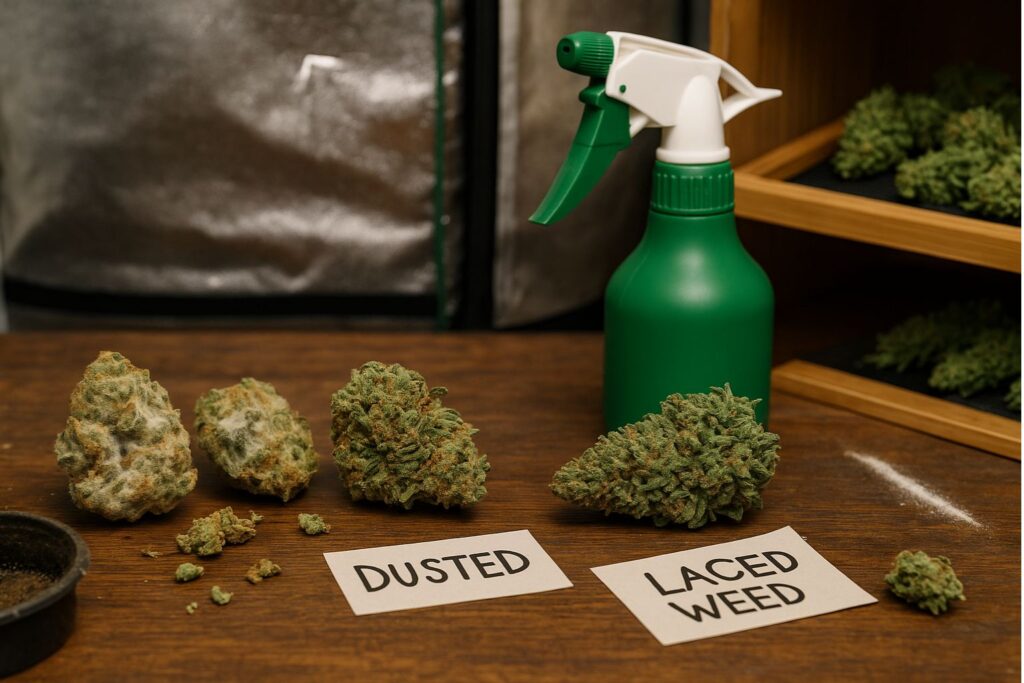
Not all laced weed dangers come from intentional adulteration, and Slang and Concerns about Laced Weed often overlook that reality. As a grower, I have seen plenty of weed contamination risks that happen when people cut corners in cultivation and processing.
Some of the most common weed contamination risks I pay attention to:
- Overuse of chemical pesticides or fungicides during flower.
- Poor drying and curing that allows mold or mildew to flourish.
- Using dirty trimming tools or packaging material that adds hair, dust, or fibers.
When I tour other gardens or visit friends’ grows, I watch how they clean their spaces, how they filter intake air, and how they treat water and nutrient solutions. For me, homegrown cannabis safety is as much about what I do not use as what I do. A clean marijuana harvest starts months before chop day, with choices about soil, nutrients, and integrated pest management.
If cannabis came from a stranger’s unregulated grow, you simply cannot see many of these weed contamination risks. That is why choosing safe cannabis sources or growing your own is one of the strongest protections against laced weed dangers of any kind.
Why I Prefer Growing My Own For Homegrown Cannabis Safety
I started with a tiny tent, one light, and a handful of seeds. At the time I did not even think about homegrown cannabis safety; I just wanted a more reliable stash. Over the years my setup changed, but the main benefit stayed the same: I know exactly what has touched my plants.
Homegrown cannabis safety in my garden means:
- Using clean, filtered water and moderate nutrient levels instead of mystery feeds.
- Maintaining good ventilation and humidity to reduce mold pressure.
- Avoiding harsh foliar sprays in late flower.
When I grew my first run of autoflower seeds at home, I realized how much easier it was to trust my own jars. That confidence grew further once I started buying cannabis seeds online from a trusted cannabis seed bank that published realistic lab results and breeding info.
Now, when friends worry about laced weed dangers, I do not respond with fear—and Slang and Concerns about Laced Weed often adds to that anxiety. I offer them a lesson in basic growing, show them my dry room, and explain how a clean marijuana harvest comes from planning, not luck. Homegrown cannabis safety is not perfect, but it gives you control you will never get from a random bag.
Choosing Seeds: How Feminized Seeds For Safety Help

Seeds might not seem connected to laced weed dangers at first, but they matter more than people think. When I pick genetics, I am not just chasing high THC numbers; I am building the foundation of my safety practices.
I often recommend feminized seeds for safety, especially to new growers. Feminized seeds for safety mean you are less likely to waste time on male plants that will never produce smokable buds. That lets you put all your energy into the females you will actually consume, reinforcing homegrown cannabis safety by focusing your attention.
Here is how feminized seeds for safety fit into my routine:
- I order from at least one trusted cannabis seed bank that clearly marks feminized lines.
- I match strains to my environment so I can avoid disease pressure instead of fighting it later.
- I record each run: medium, nutrients, and any issues that might affect a clean marijuana harvest.
Good genetics cannot stop lacing by themselves, but they reduce stress, hermaphroditism, and disease, which makes it easier to bring buds to the jar without cutting corners that lead to weed contamination risks.
Autoflower Seeds At Home: Fast Paths To A Clean Marijuana Harvest
Autoflower genetics have improved dramatically in the last decade. Running autoflower seeds at home has become one of my favorite strategies when friends want to move away from street product quickly.
Autoflower seeds at home mean you can:
- Harvest in as little as 10–12 weeks from sprout.
- Run small, discreet plants in limited spaces.
- Stack multiple crops per year for a steady supply.
From a safety standpoint, autoflower seeds at home let you pivot away from sketchy dealers faster. Even a single tent with a few plants can cover one person’s needs for months, especially if you store your flower properly.
I still treat these plants with the same care: clean environment, minimal sprays, and a focus on a clean marijuana harvest. When I walk someone through their first cycle of autoflower seeds at home, I explain that our goal is not just yield but overall homegrown cannabis safety: no additives, no unknown residues, and no worry about laced weed slang surrounding their stash.
Why Buying Cannabis Seeds Online From The Right People Matters

The internet is full of seed vendors. Some are excellent; others are little more than flashy websites. Buying cannabis seeds online is similar to choosing a dispensary: you want clear information, transparency, and real-world feedback.
When I am buying cannabis seeds online, I look for:
- Clear breeder descriptions and lab-tested cannabinoid ranges.
- Honest photos that look like real grows, not stock images.
- Support staff who can answer questions about cultivation, not just shipping.
Buying cannabis seeds online from a random seller does not directly create laced weed dangers, but it can saddle you with unstable genetics that herm or fail, pushing you back toward unreliable sources. In contrast, buying cannabis seeds online from a truly trusted cannabis seed bank helps you build a long-term plan where more and more of your supply comes from plants you understand.
Over time, the combination of feminized seeds for safety, autoflower seeds at home, and responsible buying cannabis seeds online has given me a huge buffer against weed contamination risks out in the market.
What I Look For In A Trusted Cannabis Seed Bank
Mentioning a trusted cannabis seed bank is easy; finding one takes time. I tested several before settling on a short list. The right partner supports both yield and safety.
In my opinion, a trusted cannabis seed bank should:
- Stand behind their germination rates with reasonable guarantees.
- Carry lines that suit both experienced and beginner growers.
- Provide clear guidance on cultivation difficulty and environmental needs.
When I read through reviews of a trusted cannabis seed bank, I pay attention to whether growers mention clean marijuana harvest outcomes and resistance to pests and mold. That feedback reinforces my larger goal of homegrown cannabis safety.
Once you build relationships with one or two trusted cannabis seed bank options, you reduce your dependence on unknown product. That shift does more to protect you from laced weed dangers than any single test kit or rumor ever will.
Using Safe Cannabis Sources When You Do Not Grow Yet
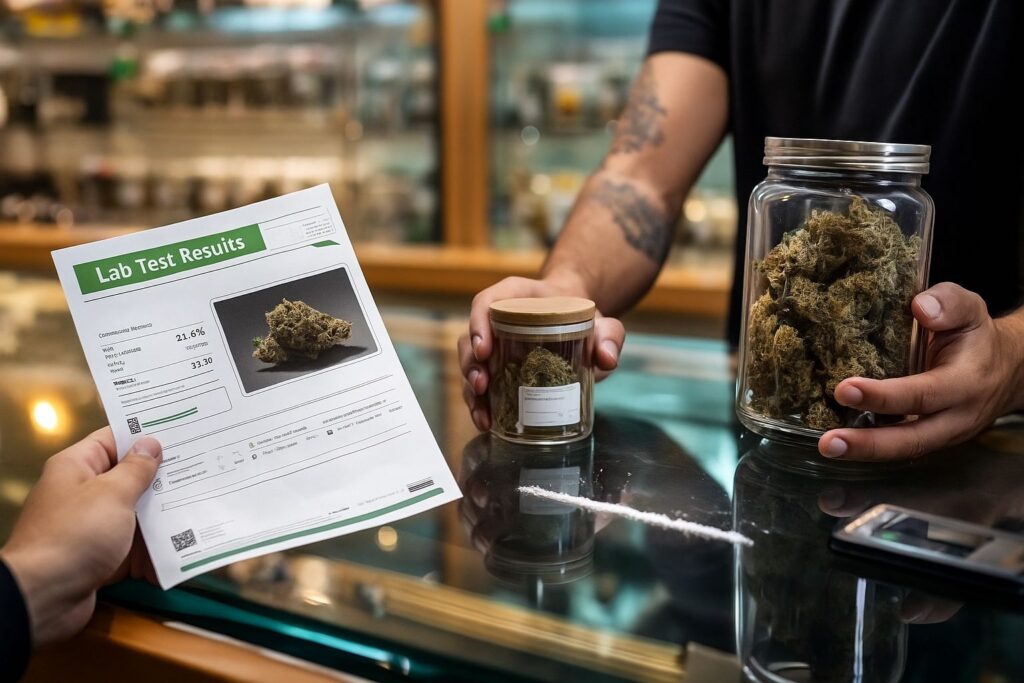
Not everyone is ready to set up a tent immediately. If you are still buying flower, focus on safe cannabis sources while you plan your first grow.
Safe cannabis sources usually share these traits:
- Legal, licensed dispensaries where products are lab tested.
- Caregivers or small-scale growers you know personally and can visit.
- Clubs or collectives that are transparent about cultivation methods.
Even in a legal shop, I still inspect buds carefully and ask about test dates and storage. Safe cannabis sources are not perfect, but they drastically lower the chance of obvious weed contamination risks compared with anonymous street bags.
Many of my friends used safe cannabis sources as a bridge while they were buying cannabis seeds online, collecting equipment, and learning about feminized seeds for safety or autoflower seeds at home. Over time, their reliance on outside product shrank while their confidence grew.
FAQs About Slang And Laced Weed Dangers
Is laced weed common?
In my experience, outright deliberate lacing is less common than social media suggests, but that does not mean laced weed dangers are imaginary. Much more frequent are weed contamination risks from bad growing and curing. Focusing on safe cannabis sources and homegrown cannabis safety is still worth the effort.
What are the fastest signs of laced weed to watch for?
The fastest signs of laced weed I notice are strange chemical smells, harsh smoke that feels wrong even in a small hit, and effects that come on too quickly or feel completely unlike normal THC. When multiple signs of laced weed appear together, I stop immediately and reach for my own clean marijuana harvest instead.
Does growing from feminized seeds for safety eliminate the risk?
No system is perfect, but feminized seeds for safety, autoflower seeds at home, and buying cannabis seeds online from a trusted cannabis seed bank give you far more control. When you combine those choices with good cultivation practices and careful drying, homegrown cannabis safety becomes one of the strongest shields you have against laced weed slang turning into reality.
Final Thoughts On Protecting Yourself From Laced Weed Dangers
After years of growing, I see laced weed dangers as a spectrum rather than a single rare event. On one end are wild rumors and exaggerated stories. On the other are very real weed contamination risks from sloppy cultivation, dirty processing, and the occasional deliberate adulteration.
You cannot control the entire market, but you can control your decisions. Learning the meaning behind laced weed slang, paying attention to realistic signs of laced weed, and seeking safe cannabis sources are all steps forward. Choosing feminized seeds for safety, experimenting with autoflower seeds at home, and buying cannabis seeds online from a truly trusted cannabis seed bank move you even further out of danger.
Most important, treat your body with the same respect you give your plants. If something looks, smells, or feels wrong, do not smoke it. Work toward a clean marijuana harvest of your own, and you may find that the loudest stories about laced weed dangers no longer apply to the jars on your shelf.
