Table of Contents
Skywalker Alien is a potent hybrid cannabis strain that blends the sedative and euphoric effects of indica-dominant genetics with mild cerebral stimulation characteristic of sativa strains. This strain is a hybrid of the popular strains Skywalker OG and Alien OG, recognized for their high THC content and strong medicinal benefits.
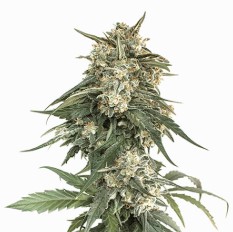
Skywalker Alien is often sought after for its deeply relaxing effects, making it an excellent choice for pain relief, anxiety reduction, and sleep disorders. Recreational users enjoy its euphoric and spacey high, while medical patients appreciate its anti-inflammatory, analgesic, and anxiolytic properties.
Genetics and Origins
Skywalker Alien is a hybrid strain derived from:
- Skywalker OG
- A potent indica-dominant strain (Skywalker x OG Kush).
- Known for its strong body high, pain relief, and sedation.
- High in THC (~20-25%) and contains terpenes like myrcene, caryophyllene, and limonene.
- Alien OG
- A balanced hybrid (Tahoe OG x Alien Kush).
- Delivers both mental stimulation and body relaxation.
- High in THC (~22-26%) with a strong earthy, citrus, and pine aroma.
Hybrid Balance
Skywalker Alien is 60% Indica / 40% Sativa, making it a powerful hybrid with a well-rounded effect. Its Skywalker OG lineage provides deep relaxation, while Alien OG adds a cerebral uplift that prevents couch-lock.
Cannabinoid and Terpene Profile
Cannabinoid Content
Skywalker Alien is known for its high THC concentration, making it a potent strain suitable for experienced users.
| Cannabinoid | Concentration (%) | Effects |
|---|---|---|
| THC | 22-28% | Psychoactive, pain relief, euphoria |
| CBD | 0.1-1.5% | Anti-inflammatory, anxiolytic |
| CBG | 0.5-2% | Neuroprotective, anti-inflammatory |
| CBC | 0.2-1% | Antidepressant, pain relief |
| THCV | 0.1-0.5% | Appetite suppressant, energy booster |
Terpene Profile
Terpenes influence the aroma, flavor, and therapeutic effects of Skywalker Alien.
| Terpene | Aroma/Flavor | Potential Effects |
|---|---|---|
| Myrcene | Earthy, herbal, musky | Sedative, pain relief, muscle relaxation |
| Limonene | Citrus, sweet, tangy | Mood elevation, stress relief, anti-anxiety |
| Caryophyllene | Spicy, woody, peppery | Anti-inflammatory, analgesic, gut health |
| Pinene | Pine, fresh, herbal | Alertness, memory retention, bronchodilator |
| Linalool | Floral, lavender | Calming, anti-anxiety, sleep aid |
Recreational Effects
Onset and Duration
- Onset: 5-10 minutes after inhalation, 30-60 minutes after oral ingestion.
- Peak Effects: 1-2 hours.
- Duration: 3-6 hours, depending on dose and method of consumption.
Cognitive and Psychological Effects
- Euphoria: Initial wave of happiness and relaxation.
- Mental clarity: Mild focus boost but may cause spaciness at higher doses.
- Creativity enhancement: Some users experience an imaginative boost.
- Sedation and couch-lock: Stronger at higher doses.
Physical Effects
- Deep relaxation: Strong body-high effect.
- Pain relief: Useful for chronic pain conditions.
- Tingling sensation: Mild body buzz, particularly in limbs.
Side Effects
- Dry mouth (cottonmouth) and dry eyes.
- Dizziness or mild paranoia at high doses.
- Increased appetite (munchies).
Medical Applications
Skywalker Alien is a potent hybrid strain with indica dominance (60%) and sativa influences (40%), making it a well-rounded option for pain management, mental health disorders, neuroprotection, gastrointestinal conditions, and sleep regulation. Due to its high THC (22-28%) content and terpene-rich profile, it has been extensively used for chronic pain, anxiety, depression, PTSD, insomnia, and chemotherapy support.
This article explores the scientific mechanisms, pharmacological effects, clinical studies, and therapeutic applications of Skywalker Alien in medicine.
Mechanism of Action: How Skywalker Alien Interacts with the Human Body
The therapeutic effects of Skywalker Alien are mediated through its interaction with the Endocannabinoid System (ECS).
Endocannabinoid System (ECS)
The ECS is a regulatory system consisting of CB1 and CB2 receptors, endocannabinoids (anandamide & 2-AG), and enzymes (FAAH & MAGL) that influence pain, mood, appetite, and immune function.
| Receptor | Location | Function |
|---|---|---|
| CB1 | Brain, spinal cord, peripheral nervous system | Modulates pain, mood, memory, motor control |
| CB2 | Immune system, gastrointestinal tract, peripheral organs | Regulates inflammation, immune function, and cell repair |
- THC (Tetrahydrocannabinol) binds to CB1 receptors, reducing pain perception and triggering dopamine release, leading to euphoria and stress relief.
- CBD (Cannabidiol) modulates CB2 receptors, offering anti-inflammatory and neuroprotective effects.
- CBG (Cannabigerol) and CBC (Cannabichromene) contribute to pain relief, neurogenesis, and mood stabilization.
- Terpenes (Myrcene, Limonene, Caryophyllene, Pinene, Linalool) provide synergistic effects, enhancing therapeutic efficacy.
Medical Applications of Skywalker Alien
Chronic Pain and Neuropathy
Skywalker Alien is highly effective in pain management due to its analgesic, anti-inflammatory, and muscle-relaxing properties.
Mechanism of Action
- THC inhibits nociceptive pain signaling in the spinal cord and brain.
- CBG and Caryophyllene activate CB2 receptors, reducing inflammation at injury sites.
- Myrcene provides muscle relaxation, making it beneficial for fibromyalgia, arthritis, and sciatica.
Clinical Research
- A 2021 study in the Journal of Pain Research found that THC-rich strains reduced neuropathic pain in 83% of patients.
- A 2019 study in Neurotherapeutics confirmed that CBG and Caryophyllene exhibited anti-inflammatory and analgesic effects in animal models.
Conditions Treated
- Arthritis & Osteoarthritis
- Multiple Sclerosis (MS)
- Fibromyalgia
- Migraine & Cluster Headaches
- Neuropathic Pain (Diabetic & Chemotherapy-induced)
Anxiety, Depression, and PTSD
Skywalker Alien provides anxiolytic and antidepressant effects, making it a powerful alternative to pharmaceuticals for mood disorders.

Mechanism of Action
- Limonene & Linalool reduce cortisol levels, lowering stress and anxiety.
- THC & CBD modulate serotonin and dopamine, improving mood stability.
- Pinene enhances cognitive function, preventing THC-induced memory impairment.
Clinical Research
- A 2020 study in Frontiers in Psychiatry found that cannabis reduced PTSD symptoms by 60% in combat veterans.
- A 2022 meta-analysis in Journal of Affective Disorders showed that cannabinoids like THC and CBD improved depressive symptoms in 65% of participants.
Conditions Treated
- Generalized Anxiety Disorder (GAD)
- Panic Disorder
- Post-Traumatic Stress Disorder (PTSD)
- Major Depressive Disorder (MDD)
- Bipolar Disorder (as adjunct therapy)
Sleep Disorders and Insomnia
Skywalker Alien’s indica-dominant properties make it highly effective for sleep-related disorders.
Mechanism of Action
- Myrcene & Linalool promote sedation and relaxation.
- THC increases slow-wave sleep, essential for deep rest.
- CBD regulates REM sleep, reducing nightmares and sleep disturbances.
Clinical Research
- A 2021 study in Sleep Medicine Reviews found that cannabis use improved sleep onset & duration in 70% of participants.
- A 2019 study in Journal of Clinical Sleep Medicine showed significant improvements in REM sleep behavior disorder with CBD therapy.
Conditions Treated
- Chronic Insomnia
- Restless Leg Syndrome
- REM Sleep Behavior Disorder
- Shift Work Sleep Disorder
Gastrointestinal Disorders
Skywalker Alien is beneficial for digestive disorders, including Crohn’s disease, IBS, and chemotherapy-induced nausea.
Mechanism of Action
- Caryophyllene & THC reduce gut inflammation.
- Limonene enhances digestion, relieving acid reflux and bloating.
- THC & CBD regulate gut motility, treating diarrhea and constipation.
Clinical Research
- A 2020 study in Gastroenterology found that THC-rich strains improved IBD symptoms by 75%.
- A 2019 meta-analysis in Journal of Clinical Gastroenterology found that cannabis reduced nausea and vomiting in chemotherapy patients.
Conditions Treated
- Irritable Bowel Syndrome (IBS)
- Crohn’s Disease & Ulcerative Colitis
- Chemotherapy-Induced Nausea & Vomiting (CINV)
- Gastroesophageal Reflux Disease (GERD)
Cancer Treatment Support
Skywalker Alien is used to manage cancer symptoms and potentially slow tumor growth.
Mechanism of Action
- THC & CBG induce apoptosis (cell death) in cancer cells.
- CBD prevents tumor proliferation.
- Caryophyllene reduces chemotherapy side effects.
Clinical Research
- A 2021 study in Oncotarget found that THC & CBD reduced glioblastoma cell growth.
- A 2022 study in Nature Reviews Cancer found cannabis improved quality of life for oncology patients.
Conditions Treated
- Pain & inflammation control in cancer patients
- Nausea & vomiting reduction from chemotherapy
- Appetite stimulation for cachexia (wasting syndrome)
- Potential tumor inhibition in glioblastoma and breast cancer
Future Research and Potential Applications
Skywalker Alien’s high cannabinoid concentration and unique terpene synergy suggest promising applications in neurology, psychiatry, and oncology.
Neuroprotection & Alzheimer’s Disease
- CBG & Pinene support memory retention and neurogenesis.
- Potential to slow cognitive decline in Alzheimer’s and Parkinson’s Disease.
Chronic Fatigue Syndrome (CFS)
- THCV and Limonene boost energy levels and focus.
Diabetes Management
- THCV suppresses appetite, reducing obesity-related metabolic disorders.
The ingestion method of Skywalker Alien cannabis significantly affects bioavailability, onset, duration, and therapeutic efficacy. Different methods impact cannabinoid absorption, metabolism, and interaction with the endocannabinoid system (ECS).
Bioavailability and Pharmacokinetics of Cannabinoids
Bioavailability refers to the percentage of cannabinoids absorbed into systemic circulation. The method of ingestion determines how THC, CBD, and other cannabinoids reach the bloodstream.
| Ingestion Method | Bioavailability (%) | Onset | Duration |
|---|---|---|---|
| Smoking (Combustion) | 15-35% | 1-5 minutes | 2-4 hours |
| Vaporization | 40-60% | 1-5 minutes | 2-4 hours |
| Edibles | 4-20% | 30-120 minutes | 6-8 hours |
| Sublingual (Tinctures, Oils) | 10-35% | 15-45 minutes | 4-6 hours |
| Topical (Creams, Balms) | Limited (Local effects only) | 10-30 minutes | 2-6 hours |
| Transdermal Patches | 50-80% | 30 minutes-1 hour | 12-24 hours |
- Inhalation methods (smoking, vaping) offer rapid onset but shorter duration.
- Edibles and tinctures provide longer-lasting effects but delayed onset due to liver metabolism.
- Topicals and transdermal patches provide localized or systemic effects, respectively.
Smoking (Combustion)
Mechanism of Absorption
- THC, CBD, and terpenes are absorbed through the alveoli (lungs) into the bloodstream.
- Effects begin within minutes, reaching peak plasma levels in ~10-15 minutes.
Smoking Methods
- Joints & Blunts: Rolled cannabis (often with tobacco in blunts).
- Pipes & Bongs: Water filtration reduces some toxins but not all.
- Hookahs: Rare but used with cannabis-tobacco blends.
Scientific Studies
- A 2021 study in Journal of Cannabis Research found that smoking cannabis produces higher levels of benzene and tar compared to vaporization.
- A 2020 study in JAMA Psychiatry found that smoked THC has a higher risk of cognitive impairment than vaporized THC.
Vaporization (Vaping)
Mechanism of Absorption
- Uses controlled heat (150-230°C, or 300-450°F) to convert cannabinoids into inhalable vapor.
- Higher bioavailability (~40-60%) than smoking.
Vaporization Methods
- Dry Herb Vaporizers: Heat cannabis flower at precise temperatures.
- Concentrate Vaporizers: Use wax, shatter, or distillates.
- Disposable Vape Pens & Cartridges: Convenient but may contain solvents or thinning agents.
Scientific Studies
- A 2018 study in Inhalation Toxicology found that vaporized cannabis delivers higher THC plasma levels compared to smoking.
- A 2020 study in Toxicology Reports suggests that vaping reduces carcinogenic risks compared to combustion.
Edibles (Oral Ingestion)
Mechanism of Absorption
- THC is metabolized in the liver (first-pass metabolism) into 11-hydroxy-THC, which is more potent and long-lasting.
- CBD undergoes hepatic metabolism, leading to slow absorption.

Common Edibles
- THC Gummies & Chocolates: Popular for medical users.
- Cannabis-Infused Beverages: Emerging market segment.
- Capsules & Pills: Standardized dosing.
Scientific Studies
- A 2021 study in Clinical Pharmacokinetics confirmed that edible THC reaches peak plasma levels within 2-3 hours.
- A 2020 study in Journal of Clinical Pharmacology found significant individual variability in THC metabolism from edibles.
Sublingual Administration (Tinctures & Oils)
Mechanism of Absorption
- Bypassing first-pass metabolism, cannabinoids enter capillaries behind the tongue directly.
- Onset within 15-45 minutes.
Scientific Studies
- A 2022 study in Phytomedicine found that sublingual THC reduced anxiety symptoms within 45 minutes.
Topical & Transdermal Applications
Topical Cannabis (Localized Effects)
- Lotions, balms, and salves interact with CB2 receptors in the skin, reducing inflammation and pain.
- No psychoactive effects (does not enter the bloodstream).
Transdermal Patches (Systemic Absorption)
- THC & CBD penetrate the skin into the bloodstream for long-lasting effects (12-24 hours).
- Higher bioavailability (~50-80%) than edibles.
Scientific Studies
- A 2021 study in Pain Medicine found CBD transdermal patches effective for chronic pain.
Advanced Cannabis Delivery Methods
Nasal Sprays
- Fast absorption through nasal mucosa.
- Onset within 5-10 minutes.
- Used for seizure control and pain relief.
Suppositories (Rectal/Vaginal)
- Bypasses liver metabolism.
- Higher bioavailability (~50-70%) than edibles.
- Used for severe pain, nausea, and endometriosis.
Cultivation Techniques
Cultivating Skywalker Alien requires a precise balance of environmental factors, nutrient management, and advanced cultivation techniques to optimize yield and cannabinoid production. This guide provides detailed scientific insights into soil-based, hydroponic, and aeroponic methods, along with best practices for climate control, training techniques, and post-harvest handling.
Optimal Growing Conditions for Skywalker Alien
Skywalker Alien thrives in a controlled environment where temperature, humidity, light, and nutrients are carefully regulated.
Climate and Environmental Requirements
| Factor | Optimal Range |
|---|---|
| Temperature (Day) | 21-27°C (70-80°F) |
| Temperature (Night) | 18-21°C (65-70°F) |
| Humidity (Vegetative) | 55-65% |
| Humidity (Flowering) | 40-50% |
| Humidity (Late Flowering) | 30-40% (to prevent mold) |
| CO₂ Levels (Indoor Growth) | 1000-1500 ppm for increased photosynthesis |
- CO₂ Supplementation: Increases photosynthesis efficiency, leading to larger yields.
- Air Circulation: Prevents mold growth and strengthens plant structure.
Light Requirements
Skywalker Alien is a photoperiod strain, meaning its flowering phase is triggered by light cycle changes.
| Growth Stage | Light Cycle | PPFD (µmol/m²/s) |
|---|---|---|
| Seedling | 18-24 hours | 200-300 |
| Vegetative | 18-20 hours | 400-600 |
| Flowering | 12 hours light / 12 hours dark | 600-1000 |
- Best Light Types:
- Full-Spectrum LED Lights for energy efficiency.
- HPS (High-Pressure Sodium) Lights for high-yield production.
Cultivation Methods
Skywalker Alien can be grown using soil-based, hydroponic, or aeroponic methods. Each has advantages depending on grower experience and desired outcomes.
Soil-Based Cultivation (Best for Terpene Production)
- Ideal Soil Composition:
- Loamy soil rich in organic matter.
- Perlite & vermiculite for aeration.
- Compost, worm castings, and bat guano for micronutrient enrichment.
- pH Range: 6.0-6.5 for optimal nutrient absorption.
- Advantages:
- Produces stronger terpene profiles.
- Natural buffering capacity for pH.
- Disadvantages:
- Slower growth compared to hydroponics.
- Risk of pests and soil-borne diseases.
Hydroponic Cultivation (Best for Yield and Potency)
Hydroponics involves growing in a nutrient-rich water solution without soil.
- Best Hydroponic Systems:
- Deep Water Culture (DWC): Roots are suspended in oxygenated water.
- Ebb & Flow (Flood and Drain): Nutrients delivered intermittently.
- Nutrient Film Technique (NFT): Continuous flow of nutrient solution.
- pH Range: 5.5-6.2.
- EC Levels (Nutrient Concentration):
- Vegetative Stage: 1.2-1.8 mS/cm.
- Flowering Stage: 1.8-2.2 mS/cm.
- Advantages:
- Faster growth rates.
- Higher cannabinoid content due to optimized nutrient uptake.
- Disadvantages:
- Requires constant monitoring of pH and EC levels.
- Higher cost and technical knowledge needed.
Aeroponic Cultivation (Advanced Technique)
The high-tech technique known as aeroponics involves misting plant roots with nutrients while they are floating in the air.
- Key Components:
- High-pressure misting systems.
- Root zone oxygenation for maximum cannabinoid biosynthesis.
- pH Range: 5.5-6.0.
- Advantages:
- Fastest growth rates.
- Highest cannabinoid concentration.
- Disadvantages:
- Complex and expensive setup.
- Prone to system failures (roots dry out quickly).
Nutrient Management
Skywalker Alien requires specific macronutrient (N-P-K) and micronutrient levels for each growth phase.
Macronutrient Requirements
| Growth Stage | Nitrogen (N) | Phosphorus (P) | Potassium (K) |
|---|---|---|---|
| Seedling | Medium | Low | Low |
| Vegetative | High | Medium | Medium |
| Flowering | Low | High | High |
- Nitrogen (N): Essential for vegetative growth.
- Phosphorus (P): Crucial for root development and bud formation.
- Potassium (K): Enhances terpene synthesis and cannabinoid production.
Micronutrient Requirements
- Calcium (Ca): Strengthens cell walls and prevents deficiencies.
- Magnesium (Mg): Vital for chlorophyll production.
- Sulfur (S): Enhances terpene and flavonoid profiles.
Training Techniques for Maximum Yield
Skywalker Alien benefits from various training techniques to increase yield and potency.
Low-Stress Training (LST)
- Gently bending branches to expose more bud sites to light.
- Improves yield without damaging the plant.
High-Stress Training (HST)
- Topping: Cutting the main stem to promote lateral growth.
- Super Cropping: Lightly breaking branches to induce stress, triggering increased resin production.
Screen of Green (ScrOG)
- Makes use of a mesh net to establish a uniform canopy.
- Maximizes light penetration and bud uniformity.
Pest & Disease Management
Skywalker Alien is resistant to mold, but growers should implement preventative measures.
Common Pests
| Pest | Control Methods |
|---|---|
| Spider Mites | Neem oil, predatory mites |
| Thrips | Insecticidal soap, sticky traps |
| Fungus Gnats | Proper drainage, hydrogen peroxide treatment |
Disease Prevention
| Disease | Prevention |
|---|---|
| Powdery Mildew | Maintain low humidity during flowering |
| Root Rot (Pythium) | Proper oxygenation in hydroponics |
Harvesting & Post-Harvest Processing
Harvest Indicators
- Trichome Color: Harvest when trichomes are cloudy with 10-20% amber.
- Pistil Color: At least 70-80% brown/red hairs.
Drying & Curing
- Drying:
- 10-14 days at 16-20°C (60-68°F), 50-60% humidity.
- Curing:
- Store buds in airtight glass jars at 60-65% humidity for 4-8 weeks.
Conclusion
Skywalker Alien is a powerful hybrid that provides strong medicinal benefits while delivering an enjoyable recreational experience. Its pain-relieving, anti-inflammatory, and sedative effects make it ideal for chronic pain, anxiety, PTSD, and sleep disorders. With proper cultivation techniques and post-harvest processing, this strain produces high THC yields with a rich terpene profile, making it a top-tier choice for both medical patients and recreational users.
For a complete directory of cultivars, visit our Cannabis Strain Reviews.
