Table of Contents
Skunky Jack is a sativa-dominant hybrid strain known for its energizing effects, sharp cerebral stimulation, and distinctive skunk-meets-citrus aroma. It is typically bred from a cross between Skunk #1, a legendary classic strain, and Jack Herer, a sativa icon named after the cannabis activist. This fusion brings together the pungent, musky scent of Skunk #1 and the creative, mood-lifting qualities of Jack Herer.
Skunky Jack is increasingly recognized not just for recreational use but for its multi-modal therapeutic value, owing to its rich cannabinoid-terpene matrix that interfaces deeply with the endocannabinoid system (ECS) and other molecular pathways in the human body.
Genetic Lineage and Phenotype Characteristics
Lineage:
- Skunk #1 × Jack Herer
Classification:
- Dominant Type: Sativa (~70–80%)
- Indica Influence: ~20–30%
- THC Content: Typically 18–24%
- CBD Content: <1%, though variable depending on phenotype
- Common Terpenes: Terpinolene, myrcene, caryophyllene, limonene, pinene
Physical Traits:
- Bright green buds with orange pistils
- Frosty trichome coating
- Aromatic profile: sharp skunk, pine, citrus zest
Cannabinoid Profile and Scientific Implications
The therapeutic and psychotropic potential of Skunky Jack comes from its major and minor cannabinoids, each interacting with specific molecular targets:
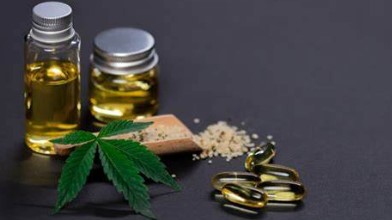
Major Cannabinoids
- THC (Δ9-tetrahydrocannabinol): Primary psychoactive compound; binds to CB1 receptors in the brain and modulates neurotransmitter release. It has analgesic, anti-nausea, appetite-stimulating, and mood-elevating properties.
- CBD (Cannabidiol): Typically present in low concentrations in Skunky Jack, but when expressed, it modulates CB1/CB2 activity indirectly and acts on 5-HT1A receptors, contributing to anxiolytic, anti-inflammatory, and neuroprotective effects.
- CBG (Cannabigerol): Occasionally found in small amounts. CBG is a precursor to THC and CBD, with mild CB1 and CB2 activation, and exerts antioxidant, antibacterial, and neurogenic effects.
Minor Cannabinoids
- CBC (Cannabichromene): Has analgesic and neuroprotective properties. It activates TRPV1 channels and contributes to anti-inflammatory processes.
- THCV (Tetrahydrocannabivarin): Found in trace levels. At low doses, it acts as a CB1 antagonist, modulating appetite and psychoactivity. At higher doses, it may act as a CB1 agonist, promoting energy and alertness.
Terpene Profile and Pharmacological Contributions
Skunky Jack is unusually rich in stimulating terpenes that enhance mood, cognition, and energy. These terpenes have direct pharmacodynamic actions and work synergistically with cannabinoids via the entourage effect.
Terpinolene
- Role: Antioxidant, sedative at high concentrations, yet stimulating in synergy with THC
- Mechanism: Thought to affect monoaminergic systems and oxidative stress pathways
Myrcene
- Role: Sedative and analgesic; increases cell membrane permeability to cannabinoids
- Mechanism: Interacts with opioid receptors and TRP ion channels
Caryophyllene
- Role: Anti-inflammatory and anxiolytic
- Mechanism: Binds selectively to CB2 receptors, influencing immune signaling
Pinene
- Role: Bronchodilator and memory enhancer
- Mechanism: Inhibits acetylcholinesterase, increasing acetylcholine levels
Limonene
- Role: Antidepressant and mood booster
- Mechanism: Increases serotonin and dopamine availability via G-protein coupled pathways
Mechanisms of Action
The therapeutic potential of Skunky Jack is grounded in its multi-receptor activity:
Endocannabinoid System (ECS)
- THC binds CB1, regulating pain, mood, and cognition.
- Caryophyllene activates CB2, leading to immune modulation and anti-inflammatory effects.
- CBD modulates the ECS by inhibiting FAAH, which degrades anandamide (endogenous cannabinoid).
TRP Channels
- Myrcene, CBC, and CBD influence TRPV1 (capsaicin receptor) and other TRP channels involved in nociception, inflammation, and thermoregulation.
Serotonin and Dopamine Systems
- CBD and limonene modulate 5-HT1A receptors, enhancing mood and reducing anxiety.
- THC and limonene affect dopaminergic transmission, contributing to euphoria and motivation.
Medical Applications
- Skunky Jack, a sativa-dominant hybrid, is bred from Jack Herer and Skunk #1, combining high THC levels with a stimulating terpene profile (especially terpinolene, limonene, caryophyllene, and pinene). Its primary medical appeal lies in its ability to:

- Elevate mood and energy
- Stimulate focus and cognitive clarity
- Reduce inflammation and neuropathic pain
- Relieve mild anxiety and depression (dose-dependent)
- Combat fatigue and improve mental alertness
Unlike heavily sedating indica strains, Skunky Jack is energizing and functional, which makes it especially valuable for patients who need symptom relief without mental fog or lethargy.
2. Core Pharmacology of Skunky Jack’s Active Compounds
2.1 Cannabinoids and Receptor Targets
| Cannabinoid | Activity | Primary Medical Roles |
|---|---|---|
| THC | CB1 agonist (central nervous system), mild CB2 | Pain relief, appetite, mood elevation |
| CBD | 5-HT1A agonist, FAAH inhibitor, TRPV1 modulator | Anxiolytic, anti-inflammatory, neuroprotective |
| CBG | Partial CB1/CB2 agonist, α2-adrenergic modulator | Focus, neuroinflammation, gut health |
| CBC | TRPV1/3/4 modulator, weak CB2 action | Inflammation, neurogenesis, mood support |
| THCV | CB1 antagonist (low dose), weak CB1 agonist (high dose) | Appetite regulation, metabolic support, mood stabilization |
2.2 Dominant Terpenes and Functional Actions
| Terpene | Action | Medical Benefit |
|---|---|---|
| Terpinolene | Antioxidant, neuroactive, mild sedative | Stress reduction, cognitive alertness |
| Limonene | Serotonin-dopamine modulator | Antidepressant, anti-anxiety |
| Caryophyllene | CB2 agonist | Anti-inflammatory, pain control |
| Pinene | Acetylcholinesterase inhibitor | Memory preservation, anti-fatigue |
| Myrcene | Enhances cell permeability, sedative | Mild analgesic, muscle relaxant |
These constituents work synergistically to influence neurochemical balance, immune signaling, and sensory processing — all key to the therapeutic effects of Skunky Jack.
3. Medical Applications by Condition
3.1 Chronic Pain and Neuropathic Conditions
Mechanism of Relief
- THC binds to CB1 receptors in the CNS, inhibiting nociceptive signal transmission.
- Caryophyllene activates CB2 receptors in peripheral nerves, reducing inflammatory pain.
- CBC and myrcene interact with TRPV1 and TRPA1 channels, modulating peripheral pain sensation.
Ideal For:
- Fibromyalgia
- Neuropathy
- Cluster headaches
- Mild arthritis
- MS-related pain
Scientific Insight
Skunky Jack is particularly suited for pain syndromes where central sensitization and mood deterioration coexist. Its stimulating terpenes avoid the couch-lock associated with high-myrcene strains, allowing patients to manage pain while staying functional.
3.2 Anxiety and Stress (Situational and Mild GAD)
Mechanism of Relief
- Limonene and CBD act on 5-HT1A receptors, promoting anxiolytic effects.
- Caryophyllene indirectly modulates the HPA axis by dampening inflammation.
- Low-dose THC stimulates mild euphoria and dopamine release, enhancing mood.
Ideal For:
- Situational anxiety
- Performance stress
- Mild social anxiety
- High-functioning anxiety in ADHD or autism spectrum disorders
Dosing Caveat
High doses of THC may exacerbate anxiety via CB1 overstimulation. Skunky Jack should be microdosed (1–3 mg THC) when used for anxiety, and is best suited for users with some THC tolerance.
3.3 Depression and Mood Disorders
Mechanism of Relief
- THC and limonene increase dopamine release in the mesolimbic system, uplifting mood.
- Terpinolene and pinene maintain mental clarity and stimulation, preventing sedation.
- CBD and CBC may support neurogenesis and hippocampal plasticity (key to long-term antidepressant effects).
Best Use Cases:
- Major depressive disorder (MDD) that is mild to moderate
- Seasonal affective disorder (SAD)
- Anhedonia and amotivation
- Depression secondary to chronic pain
Benefits vs Risks
Skunky Jack is ideal for activating and uplifting patients with low energy, as opposed to more sedating indica strains. However, bipolar patients or those with psychotic features should avoid high-THC strains.
3.4 Fatigue and Low Motivation
Mechanism of Relief
- Pinene improves acetylcholine transmission, boosting cognitive alertness.
- THCV (if present) suppresses lethargy and enhances energy metabolism.
- Dopaminergic stimulation from THC and limonene enhances goal-directed behavior.
Relevant Conditions:
- Chronic fatigue syndrome (ME/CFS)
- Depression-related apathy
- Chemo-related fatigue
- Neurological fatigue (e.g., MS)
Skunky Jack supports wakefulness, mood, and energy — making it an excellent daytime strain for conditions involving fatigue without inducing jitteriness like synthetic stimulants.
3.5 Neurodegenerative and Cognitive Disorders
Mechanism of Neuroprotection
- Caryophyllene reduces microglial inflammation via CB2.
- CBD and CBG inhibit oxidative stress and excitotoxicity.
- Pinene enhances memory and may counteract THC-related short-term memory loss.
Potential Use Cases:
- Mild cognitive impairment (MCI)
- Early Alzheimer’s disease
- Parkinson’s-related mood disorders
- Age-related neuroinflammation
While Skunky Jack is not a substitute for disease-modifying therapy, Skunky Jack may support cognition, mood, and daily functioning in neurodegenerative patients without strong sedation or impairment.
3.6 ADHD and Executive Dysfunction
Mechanism of Action
- THC mildly boosts dopamine and norepinephrine, aiding task initiation.
- Pinene and THCV enhance focus, mental clarity, and attention.
- Limonene reduces stress reactivity, which often worsens executive function.
3.7 Inflammation and Autoimmune Modulation
Mechanism of Action
- CB2 activation (via caryophyllene) downregulates cytokines (e.g., IL-6, TNF-α).
- CBD/CBG inhibit NF-κB pathway, a master regulator of inflammation.
- CBC reduces edema and inflammatory cell migration via TRP channel activation.
Best Use Cases:
- Rheumatoid arthritis
- Irritable bowel syndrome (IBS)
- Neuroinflammation (post-COVID, neuroimmune fatigue)
- Psoriasis or eczema (topical extracts)
4. Delivery Methods and Therapeutic Dosing
Recommended Methods
| Method | Benefits | Limitations |
|---|---|---|
| Vaporization | Fast onset, terpene preservation | Shorter duration |
| Sublingual | Longer duration, precise dosing | Slower onset (~15–30 min) |
| Edibles | Extended effect (4–6 hours) | Risk of overconsumption |
| Tinctures | Discreet, adjustable, non-smoking | Requires consistent measurement |
Microdosing Framework
For Skunky Jack medical users, especially in mood, cognitive, or daytime applications, microdosing Skunky Jack ensures therapeutic effects without intoxication.
| Condition | THC Dose | Frequency | Comment |
|---|---|---|---|
| Anxiety (mild) | 1–2 mg | As needed | Avoid high doses; combine with CBD |
| Pain (moderate) | 3–5 mg | 2–3×/day | Vapor or tincture preferred |
| Fatigue/Focus | 1–3 mg | 1–2×/day | Early day use only |
| Mood disorder | 2–4 mg | 2×/day | Best with limonene-dominant batches |
Recreational Effects
Psychoactive Experience
Skunky Jack provides a classic sativa-style cerebral high that is:
- Euphoric
- Mentally energizing
- Creative and focused
- Socially enhancing
While it begins with a burst of mental stimulation, Skunky Jack does not usually lead to jitteriness if dosed properly. Over time, a gentle body relaxation sets in without heavy sedation.
Onset and Duration
- Onset (Inhaled): 1–5 minutes
- Peak Effects: 30–60 minutes
- Total Duration: 2–3 hours (inhaled); 4–6 hours (edible)
Best Use Scenarios
- Morning or daytime productivity
- Artistic or creative work
- Outdoor activities and socializing
- Music, design, brainstorming sessions
Cultivation Science
1. Botanical Overview
Skunky Jack is a sativa-dominant hybrid with vigorous vertical growth, high internodal spacing, and dense terpene-rich flower clusters. Its parent strains (Skunk #1 × Jack Herer) contribute to its energetic growth pattern, high cannabinoid production, and unique aromatic complexity.
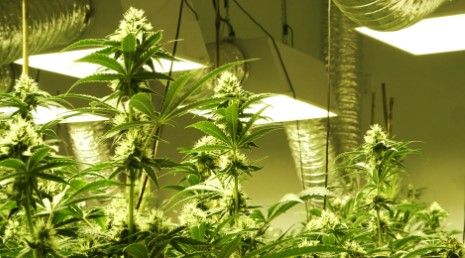
Morphological Traits
| Trait | Description |
|---|---|
| Growth habit | Tall, lanky, wide node spacing |
| Stretch factor | 1.5× to 2× after flip to flower |
| Flowering period | ~10–11 weeks (70–77 days) |
| Yield potential | Moderate to high: 450–600g/m² indoor |
| Resin production | High – trichome-dense, especially on top colas |
| Aroma profile | Skunky, citrusy, piney (high terpenoid content) |
2. Optimal Environmental Conditions
To maximize Skunky Jack phytochemical expression and prevent common sativa-related issues (stretch, light stress, mold), Skunky Jack cultivation should focus on precision environmental control, especially during flowering.
2.1 Temperature and Humidity
| Growth Phase | Temp Day/Night (°C) | RH (%) | VPD (kPa) |
|---|---|---|---|
| Seedling | 23–25 / 20 | 65–75 | 0.4–0.7 |
| Vegetative | 24–28 / 20–22 | 55–65 | 0.8–1.1 |
| Flowering (weeks 1–6) | 24–26 / 18–20 | 45–55 | 1.2–1.4 |
| Late flowering (weeks 7–11) | 22–24 / 16–18 | 40–45 | 1.3–1.6 |
2.2 Lighting Requirements
| Parameter | Recommended Value |
|---|---|
| Vegetative PPFD | 400–600 µmol/m²/s (18/6 light cycle) |
| Flowering PPFD | 700–1000 µmol/m²/s (12/12 light cycle) |
| Spectrum Focus | Blue-heavy for veg; red/UVB-rich for bloom |
| DLI Goal | 35–50 mol/m²/day during flower |
UVB light supplementation in late flowering can stimulate THC and trichome production via stress-related pathways (e.g., DNA repair enzymes and jasmonate signaling).
3. Substrate and Root Zone Management
Skunky Jack can be cultivated successfully in soil, coco coir, or hydroponic systems, but care must be taken to support its rapid root and shoot growth during early vegetative stages.
3.1 Growing Medium Comparison
| Medium | Benefits | Considerations |
|---|---|---|
| Living soil | Enhances terpene complexity | Slower vegetative growth, large containers |
| Coco coir | Fast vegetative uptake | Requires calcium/magnesium supplementation |
| Hydroponics | Max yield control, faster growth | Risk of terpene dilution unless managed |
3.2 Root Zone Management
- pH Targets:
- Soil: 6.2–6.8
- Coco: 5.8–6.2
- Hydro: 5.5–6.0
- Oxygenation: Ensure high dissolved oxygen (5–9 ppm) in hydroponic root zones to prevent Pythium (root rot).
4. Nutrient Strategy
4.1 Macronutrient Requirements by Stage
| Stage | N (Nitrogen) | P (Phosphorus) | K (Potassium) | Ca/Mg/Fe | Notes |
|---|---|---|---|---|---|
| Veg | High | Medium | Medium | Balanced | Leaf expansion, enzyme activity |
| Flower Weeks 1–4 | Medium | High | High | Elevated | Bud initiation and development |
| Flower Weeks 5–11 | Low | Very High | Very High | High | Resin and terpene production |
4.2 Micronutrients and Secondary Metabolite Support
Skunky Jack is sensitive to magnesium and sulfur deficiencies, especially during late flowering, when terpene synthesis increases. Supplementation of:
- Mg (Magnesium) – co-factor for chlorophyll and terpene synthase enzymes
- Sulfur (S) – essential for thiol-based terpene pathways
- Silica (Si) – strengthens stem cell walls and enhances pest resistance
5. Training and Canopy Management
Skunky Jack’s sativa dominance means vigorous upward growth, which must be managed to prevent canopy imbalance, light burn, and poor bud development in lower nodes.
Recommended Techniques:
| Training Type | Purpose |
|---|---|
| Topping (FIM) | Reduces apical dominance, encourages branching |
| LST (Low Stress) | Maximizes lateral light exposure |
| ScrOG | Spreads canopy horizontally for even flowering |
| Defoliation | Improves air flow and light penetration |
Scientific Basis: Topping alters auxin distribution, reducing terminal dominance and activating latent lateral meristems, leading to more colas per plant and improved flower site development.
6. Flowering and Phytochemical Maximization
6.1 Trichome Development Strategy
- Maintain phosphorus-rich feeding from weeks 4–8 of flower.
- Introduce low-stress photoperiod manipulation (e.g., 11/13 light/dark in final 2 weeks) to enhance ripening hormones (e.g., ABA, jasmonic acid).
- Drop humidity to ~40% in final 10 days to induce resin gland expansion.
6.2 Terpene Retention Techniques
- Maintain flower temperatures below 26°C.
- Avoid nutrient overfeeding late in flower (excess N suppresses monoterpenes).
- No foliar sprays after week 4, to preserve glandular trichomes.
7. Harvest Timing and Maturity Markers
7.1 Indicators of Optimal Harvest
- Trichome heads: 70–90% cloudy, 10–20% amber
- Pistils: ~80% turned orange/red
- Aroma: Peak terpene expression (strong skunk/citrus scent)
7.2 Late Harvest Effects
Delaying harvest may:
- Increase CBN content (from degraded THC)
- Deepen myrcene levels, potentially shifting effects toward more sedation
- Reduce limonene and terpinolene content (due to terpene evaporation)
8. Post-Harvest: Drying, Curing, and Storage
8.1 Drying Parameters
| Condition | Ideal Range |
|---|---|
| Temperature | 17–21°C (63–70°F) |
| Humidity | 50–60% RH |
| Duration | 10–14 days (slow drying) |
| Light | Total darkness |
Slow drying preserves monoterpenes (limonene, terpinolene) and prevents chlorophyll degradation imbalances.
8.2 Curing Protocol
- Cure in airtight glass jars at 58–62% RH
- For the first two weeks, burp jars every day.
- Cure time: 4–6 weeks minimum for full flavor and smooth smoke
8.3 Storage
- Use vacuum-sealed, dark containers
- Store below 21°C, away from UV
- Avoid freezing (can rupture trichomes)
9. Pest and Pathogen Management (IPM)
Common Threats
| Pest/Pathogen | Prevention/Treatment |
|---|---|
| Powdery Mildew | Low humidity, air movement, potassium bicarbonate |
| Spider Mites | Neem oil, predatory mites, essential oil blends |
| Fungus Gnats | Sand top layer, BTi drench |
| Botrytis (bud rot) | Avoid dense colas, defoliation, airflow |
Use biocontrols and plant-based oils (like rosemary, thyme, clove) in vegetative stages only. Avoid systemic pesticides or fungicides in flowering.
10. Cultivation Timeline Summary
| Week | Action |
|---|---|
| 1–2 | Germination, transplant into starter pots |
| 3–6 | Vegetative stage, training begins |
| 7 | Topping/LST/ScrOG and final pot transplant |
| 8 | Switch to 12/12 light, bloom starts |
| 9–17 | Flowering phase with nutrient adjustments |
| 18 | Flush with plain water (final 7–10 days) |
| 19–20 | Harvest, dry, and begin curing |
11. Yield Optimization Tips
- Use CO₂ enrichment (800–1200 ppm) during flowering under high light
- Apply microbial teas or mycorrhizal inoculants to enhance nutrient uptake
- Supplement with amino acid-based foliar feeds during late veg
Safety, Dosing, and Contraindications
Common Side Effects
- Dry mouth and dry eyes
- Mild anxiety or paranoia at high doses
- Elevated heart rate (especially in THC-sensitive users)
Recommended Doses
| Condition | THC Dose | Delivery Method | Notes |
|---|---|---|---|
| Mood/fatigue | 2.5–5 mg | Vaporization | Start low, daytime only |
| Pain relief | 5–10 mg | Inhalation or tincture | Combine with anti-inflammatory diet |
| Anxiety | 1–3 mg | Vapor/microdose | Higher doses may worsen anxiety |
| Focus | 2.5 mg | Sativa blend vapor | Combine with pinene-rich strains |
Contraindications
- History of psychosis or schizophrenia
- Patients with tachyarrhythmias or severe cardiovascular disease
- Those prone to cannabis-induced anxiety or panic attacks
Pharmacological Highlights
Skunky Jack is a classic case of cannabinoid-terpene synergy in action. Key pharmacological features include:
- CB1-mediated neuromodulation (THC → pain, euphoria, creativity)
- CB2 immune modulation (caryophyllene → inflammation control)
- 5-HT1A activation (CBD and limonene → anxiety and mood)
- TRP channel engagement (CBD, CBC, myrcene → pain and thermoregulation)
- Cholinergic and adrenergic activity (pinene, CBG → cognition and alertness)
Its overall impact is dopaminergic, serotonergic, anti-inflammatory, and neuroprotective when used appropriately.
Summary and Clinical Outlook
Skunky Jack is not just a strain with a catchy name and intense aroma — it’s a pharmacologically complex and therapeutically versatile cultivar. Its THC-driven cerebral elevation, bolstered by limonene and terpinolene, makes it excellent for fatigue, depression, and creative focus. Meanwhile, myrcene, caryophyllene, and CBD/CBG offer grounding relief from pain and inflammation.
In a clinical cannabis context, Skunky Jack may be useful as:
- A daytime option for chronic fatigue and low motivation
- A mood-stabilizing adjunct in mild depressive states
- A focus-enhancing, pain-relieving microdose therapy
- A neuroprotective strain for early-stage neurodegenerative conditions
Careful titration is essential due to its moderate-to-high THC concentration. It should be avoided by individuals with THC sensitivity, but valued by patients and users seeking an energetic, clear-headed, and emotionally balancing strain.
For a complete directory of cultivars, visit our Cannabis Strain Reviews.
