Table of Contents
The Skunky Afro cannabis strain is a unique and potent cultivar recognized for its pungent skunky aroma, balanced hybrid effects, and versatility in both medical and recreational contexts. As the name implies, Skunky Afro offers a blend of old-school skunk lineage with a twist of exotic, possibly African landrace influence, which contributes to its robust effects and distinct terpene profile.
This strain is celebrated not only for its psychoactive appeal but also for its therapeutic applications across various medical conditions. Its chemical composition features a nuanced interaction between cannabinoids and terpenes, leading to distinctive entourage effects.
Genetic Lineage and Breeding Background
While Skunky Afro’s exact lineage is often kept proprietary by breeders, it is generally believed to be a hybrid descendant of Afrocentric landraces, such as Durban Poison or Malawi Gold, crossed with Skunk #1 or a Skunk-dominant phenotype.
Skunk #1 Influence:
- Among the strains that have had the biggest impact on modern breeding.
- Known for its pungent aroma, balanced indica/sativa effects, and high THC content.
- Contributed the “skunky” aroma and rapid onset of euphoria.
African Landrace Influence:
- Sativa-leaning traits such as cerebral stimulation, enhanced sensory perception, and energetic buzz.
- Hardy genetics for resisting pests and tolerating environmental fluctuations.
Morphology and Cultivation Characteristics
Skunky Afro presents as a balanced hybrid, typically 50/50 or 60/40 in favor of sativa, depending on the phenotype. Its cultivation characteristics make it appealing to both commercial growers and artisan cultivators.
Understanding Skunky Afro’s Phenotype for Cultivation
General Morphology:
- Genetic Type: Balanced hybrid (slight sativa lean).
- Growth Traits:
- Vigorous vegetative growth.
- Stretching of 1.5x to 2x during flowering phase.
- Internodal spacing: Moderate (ideal for SCROG or LST).
- Bud Structure: Dense, skunk-like clusters with high resin production.
Ideal Grow Type:
- Best suited for indoor controlled environments, although it thrives in warm outdoor climates with adequate sun exposure.
- Responsive to high-frequency light spectra (blue for veg, red/far-red for flower).
Propagation and Early Development
Germination:
- Use paper towel method with 90–95% RH and temps around 22–24°C.
- Seeds typically germinate within 24–72 hours.
- Use RO or distilled water with <6 ppm for highest success.
Seedling Phase:
- Lighting: 18–24 hours of low-intensity full-spectrum LED or T5 lighting.
- VPD (Vapor Pressure Deficit): 0.6–0.8 kPa.
- RH: 70–80%.
- Root zone temp: ~22°C.
Use mycorrhizal inoculants (like Rhizophagus intraradices) at transplant to promote strong root development.
Vegetative Stage (Weeks 2–6)
Environmental Parameters:
- Temp: 22–26°C.
- RH: 60–70%.
- VPD: 0.8–1.2 kPa.
- CO₂ supplementation: ~400–800 ppm (optional but boosts photosynthesis).
Light Regimen:
- 18/6 or 20/4 light cycle.
- PPFD (photosynthetic photon flux density): 300–600 µmol/m²/s.
Training Techniques:
- Low-Stress Training (LST) to widen canopy and promote lateral growth.
- Topping: 2–3 nodes during early veg to increase main colas.
- Screen of Green (SCROG): Excellent for even canopy development.
Nutrition:
- NPK Ratio: ~3-1-2.
- Supplement with:
- Silicon (for stress resilience).
- Calcium/Magnesium (especially in RO water systems).
- Amino acids and humic/fulvic acids for improved nutrient uptake.
Maintain EC around 1.2–1.6 and pH at 5.8–6.2 (hydro/soilless) or 6.2–6.6 (soil).
Pre-Flowering and Transition Phase
“Flip” to 12/12 Light Cycle:
- Stretch management is critical—expect 1.5–2x stretch.
- Gradual RH reduction to ~50–55% to prevent mold risks.
Nutrient Shift:
- Transition to bloom formula: ~1-2-2 NPK.
- Begin PK boosters (e.g., monopotassium phosphate) at week 2 of flowering.
- Monitor calcium and magnesium closely—high resin producers like Skunky Afro demand more Ca/Mg.
Flowering Stage (Weeks 7–10)
Lighting:
- PPFD: 600–1000 µmol/m²/s.
- Red/far-red LEDs (660/730 nm) encourage dense bud formation.
Environmental Control:
- Temp: 20–24°C (lights on), 17–20°C (lights off).
- RH: 45–50%.
- VPD: 1.2–1.4 kPa.
Airflow is essential—oscillating fans and negative pressure systems prevent mold and powdery mildew, especially with tight bud structures.
Advanced Techniques:
- Defoliation at day 21 and 42 to open up lower bud sites and reduce humidity pockets.
- UV-B supplementation (280–315 nm) during the final 2–3 weeks can enhance THC and secondary metabolite production.
Nutritional Strategy During Flower
Weeks 1–3 (Early Bloom):
- NPK: ~1-2-2.
- Continue Mg and micronutrients.
- Optional: Use of seaweed extract (cytokinins for bud initiation).
Weeks 4–6 (Mid Bloom):
- NPK: ~1-3-3 or 0-4-4.
- Incorporate carbohydrate sources (molasses, yucca, etc.) to support microbial life and resin development.
- Add sulfur-rich amino blends to enhance terpenoid biosynthesis.
Weeks 7–9 (Ripening):
- Reduce nitrogen to trace amounts.
- Flush (hydro) or taper down (soil) to remove residual salts.
- Optional: Ice flush (last 72 hours) to stimulate trichome overproduction through cold stress.
Post-Harvest: Drying and Curing for Terpene Preservation
Drying (10–14 Days):
- Temp: 17–20°C.
- RH: 55–60%.
- Low, indirect airflow (not directly on flowers).
- Total darkness to protect cannabinoids and terpenes from UV degradation.
Curing (Minimum 3 Weeks):
- Store in airtight glass jars.
- Open daily for the first 7–10 days (“burping”) to release moisture and off-gas chlorophyll.
- RH targets: 58–62%.
During this phase, terpene transformation occurs. Monoterpenes (like limonene and myrcene) stabilize, and sesquiterpenes (like caryophyllene) mature, which dramatically improves aroma, flavor, and medicinal potential.
Grow Medium Considerations
Soil (Organic Living Soil):

- Ideal for maximizing flavor and terpene expression.
- Use super soil blends rich in compost, worm castings, bone/blood meal, and rock dusts.
- Apply compost teas or fermented plant extracts (FPJs) to enrich microbial activity.
Coco Coir:
- Allows rapid growth and greater control of nutrients.
- Requires daily feeding.
- Excellent for high-frequency fertigation systems (drain-to-waste or recirculating).
Hydroponics/Deep Water Culture:
- Maximizes yield and vegetative speed.
- Requires strict pH and EC monitoring.
- Risk of nutrient lockout or root pathogens if not properly sterilized.
Integrated Pest and Pathogen Management (IPPM)
Common Threats:
- Powdery Mildew (especially in dense, skunky phenotypes).
- Spider Mites and Thrips.
- Root rot in hydro or overwatered soil setups.
Preventive Measures:
- Neem oil or potassium bicarbonate foliar sprays during veg.
- Beneficial insects: predatory mites (Phytoseiulus), ladybugs.
- Biologicals: Bacillus subtilis, Trichoderma, and mycorrhizal fungi.
Maintain a biocontrol diary and rotate treatments to prevent resistance development.
Yield Optimization and Lab Testing
Yield Benchmarks:
- Indoor (SCROG): 500–650g/m².
- Outdoor (organic soil): 700–850g/plant.
- Advanced methods (hydro, CO₂ enriched): Up to 800g/m².
Lab Analysis Targets:
- THC: 20–24%.
- CBG: 0.3–0.8%.
- Terpenes: 2.5–4% total—high for flower.
HPLC and GC-MS testing help you dial in phenotypes that meet both medicinal and recreational quality standards. If breeding, phenotype selection should focus on resin coverage, terpene expression, and cannabinoid profile stability across generations.
Terpene Profile and Aroma
The standout feature of Skunky Afro is its sharp, musky aroma, complemented by subtle sweet and earthy undertones.
Dominant Terpenes:
- Myrcene (earthy, musky)
- Sedative and muscle-relaxing properties.
- Synergizes with THC to enhance psychoactivity.
- Caryophyllene (peppery, spicy)
- Binds to CB2 receptors, providing anti-inflammatory effects.
- Offers stress and pain relief.
- Limonene (citrus)
- Elevates mood and reduces anxiety.
- Promotes gastrointestinal health.
- Pinene (pine)
- Improves focus and alertness.
- May counteract short-term memory issues caused by THC.
- Humulene (woody, herbal)
- Appetite suppressant.
- Antibacterial and anti-inflammatory.
Flavor Profile:
- Skunky Afro delivers a pungent first impression, followed by a sweet, herbal aftertaste.
- Smokers often note a lingering spicy-citrus exhale.
Cannabinoid Composition
Skunky Afro is generally bred for moderate to high THC concentrations, making it suitable for experienced users while still accessible to novices at lower doses.
| Cannabinoid | Typical Content |
|---|---|
| THC | 18% – 24% |
| CBD | <1% |
| CBG | 0.2% – 0.8% |
| CBC | 0.1% – 0.5% |
| THCV | 0.2% – 0.5% |
While CBD content is low, the presence of CBG and THCV contributes to a more nuanced effect, especially for therapeutic users seeking alertness and appetite modulation without heavy sedation.
Recreational Uses and Effects
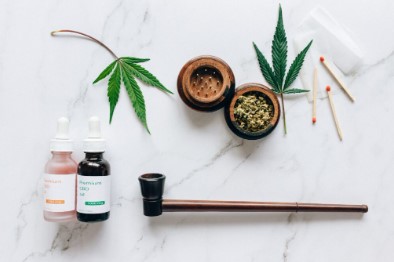
Recreationally, Skunky Afro offers a dynamic, mood-enhancing experience that combines cerebral euphoria with body relaxation. Its effects are typically felt within 5–10 minutes of inhalation and last 2–4 hours depending on tolerance.
Key Effects:
- Euphoria & Elevated Mood: The limonene and THC combo fosters a joyous mental state, making it ideal for creative pursuits, music, or socializing.
- Energetic Onset: African landrace influences offer a burst of mental clarity and focus.
- Body Relaxation: As the high matures, myrcene and caryophyllene kick in, soothing the body without heavy couch-lock.
- Sensory Enhancement: Users report heightened perception of music, colors, and taste, which makes it a favorite for artistic settings.
Use Cases:
- Daytime or early evening use.
- Music festivals, nature walks, creative work, or social events.
- Moderate doses for functionality; high doses may cause introspection or couch-lock depending on individual tolerance.
Medical Applications
Skunky Afro: Pharmacological Classification in Medical Cannabis
Skunky Afro qualifies as a Type I chemovar, meaning it is THC-dominant, with minor but impactful contributions from CBG, THCV, and trace CBD. This places it in a unique position for managing mood, pain, appetite, and inflammatory disorders with some neurological benefits.
Neurobiological Mechanisms: Cannabinoid Action in Brain and Body
A. THC (Tetrahydrocannabinol)
- Partial agonist at the brain’s CB1 receptors.
- Modulates GABAergic and glutamatergic transmission, affecting mood, perception, and pain.
- Activates periaqueductal gray and spinal dorsal horn—key pain regulation centers.
- Stimulates ghrelin release, driving hunger.
B. CBG (Cannabigerol)
- Alpha-2 adrenergic receptor agonist: Decreases blood pressure, reduces anxiety.
- TRPV1 modulator: Impacts pain perception and inflammation.
- Neuroprotective via PPAR-γ activation (reduces oxidative stress).
C. THCV (Tetrahydrocannabivarin)
- CB1 receptor antagonist (low dose): Appetite suppressant, possible anxiolytic.
- CB1 agonist (high dose): Mild psychoactivity, stimulant-like effects.
- Inhibits anandamide reuptake, enhancing endogenous cannabinoid tone.
D. Terpenes: Functional Synergy
- Myrcene: Enhances GABAergic activity; augments THC effects; sedative.
- Limonene: Increases serotonin in the hippocampus; anxiolytic and antidepressant.
- Caryophyllene: CB2 agonist—reduces peripheral inflammation without central psychoactivity.
- Pinene: Acetylcholinesterase inhibitor—improves memory and alertness.
- Humulene: Targets IL-1β, IL-6 suppression (anti-inflammatory cytokine control).
Targeted Medical Applications: Disease-Specific Evidence
Chronic Pain Syndromes
Skunky Afro addresses both nociceptive and neuropathic pain, owing to:
- CB1 receptor activity (central perception modulation).
- CB2 activity (immune modulation).
- TRP channel interaction (desensitization of pain fibers).
Clinical evidence: THC-based preparations (e.g., Nabiximols) have shown efficacy in MS, cancer pain, and arthritis. Skunky Afro, with high THC and synergistic terpenes, mimics these mechanisms.
Protocols:
- Vaporization for rapid onset in breakthrough pain.
- Oral tinctures or capsules for sustained relief in fibromyalgia or osteoarthritis.
Anxiety Spectrum and Stress Disorders
Skunky Afro’s limonene- and pinene-rich profile, plus moderate THCV and trace CBD, gives it anti-anxiety capacity without heavy sedation, ideal for:
- Generalized Anxiety Disorder (GAD).
- Social Anxiety.
- PTSD (post-traumatic stress disorder).
Mechanisms:
- Limonene enhances GABA-A receptor function and increases serotonin release.
- THC (low dose) promotes dopamine in the mesolimbic pathway—euphoric and calming.
- THCV limits panic response via amygdala regulation.
- CBG acts like buspirone at the 5-HT1A receptor—mild anxiolytic.
Important: Biphasic response curve—low-to-moderate THC doses are anxiolytic; high doses may increase paranoia.
Depression and Anhedonia
Skunky Afro is suited to mood disorders with low motivation or hedonic tone, especially when sedation is not desired.
Mechanistic Actions:
- THC and limonene stimulate the VTA–nucleus accumbens dopaminergic axis, improving motivation.
- CBG supports neurogenesis and protects against hippocampal atrophy.
- Myrcene and caryophyllene reduce neuroinflammation implicated in depression.
Comparative Effect:
- Similar to bupropion in energizing action.
- Less sedating than pure indica strains—maintains focus and drive.
Appetite Modulation & GI Support
This strain offers dual-direction control depending on dose and timing.
Low doses:
- THCV can suppress appetite, potentially helping metabolic syndrome or binge eating.
Higher doses:
- THC increases ghrelin, promotes hunger.
- Caryophyllene reduces gut inflammation, useful in IBD or Crohn’s.
Clinical Insight:
- Patients with cancer, HIV, or cachexia can benefit from the hunger and mood boost combo.
- Appetite suppression for insulin resistance must be carefully managed due to THC counteraction.
ADHD and Cognitive Activation
Skunky Afro’s terpene-cannabinoid synergy supports focus and attention without over-sedation:
- Pinene: Prevents breakdown of acetylcholine, promoting memory retention.
- THCV and limonene: Increase alertness and reduce mental fatigue.
- THC (low dose): Improves reward salience and motivation to complete tasks.
It can serve as a functional strain for adults with ADHD when:
- Used in microdoses (<5 mg THC).
- Combined with behavioral therapy or executive function tasks.
Multiple Sclerosis and Spasticity
Skunky Afro may reduce muscle spasms and neurological pain via:
- CB1 receptor inhibition of excessive neuron firing.
- CBG interaction with α2 receptors, reducing muscle tone and involuntary movement.
- Caryophyllene dampening inflammation in the CNS.
Though not as sedating as indica-dominant strains used for nighttime relief, Skunky Afro is useful for daytime functionality in MS.
Sleep and Circadian Modulation

While not a classic sedative strain, it aids with:
- Sleep onset latency (falling asleep faster).
- Reducing rumination or mental chatter (via limonene and myrcene).
High doses may impair REM sleep; best used:
- For acute insomnia tied to stress or pain.
- In combination with CBN-rich preparations if needed for deeper sleep stages.
Patient Stratification and Personalization
Skunky Afro suits patients seeking functional, mood-enhancing, and pain-relieving benefits without deep sedation. Ideal for:
| Patient Profile | Skunky Afro Use |
|---|---|
| Depressed & fatigued | Energizes, uplifts mood |
| ADHD / attention issues | Enhances clarity, motivation |
| PTSD / stress overload | Calms, reduces triggers |
| Chronic pain + daytime work | Relieves pain without impairment |
| GI inflammation with appetite loss | Reduces cramps, restores hunger |
Dosing:
- Microdose (1–2.5 mg THC): anxiety, ADHD, fatigue.
- Moderate dose (5–10 mg): depression, PTSD, moderate pain.
- Therapeutic dose (10–25 mg): chronic pain, spasticity, GI distress.
Scientific Research Correlates
While Skunky Afro hasn’t been a subject of peer-reviewed trials, its components have:
- Limonene: Studied for antidepressant and anxiolytic activity via hippocampal serotonin regulation.
- Caryophyllene: Demonstrated anti-inflammatory and analgesic effects through CB2 binding (Gertsch et al., 2008).
- THCV: Shows promise in blood sugar regulation and reduced body fat in preclinical obesity studies.
- CBG: Explored for neuroprotective effects in Huntington’s and Parkinson’s disease models.
These findings support the polypharmacological potential of Skunky Afro in integrated care models.
Pharmacodynamics and Mechanisms of Action
Skunky Afro’s therapeutic and psychoactive effects are driven by the entourage effect, wherein cannabinoids and terpenes interact synergistically. Here’s how key components operate:
THC:
- Binds to CB1 receptors in the brain, creating euphoria and altered perception.
- Also has antiemetic, analgesic, and neuroprotective properties.
CBD (minor component):
- Modulates CB1/CB2 indirectly.
- Reduces the psychotropic intensity of THC.
CBG:
- Acts on alpha-2 adrenergic receptors and 5-HT1A receptors, aiding anxiety and inflammation.
THCV:
- CB1 antagonist in low doses: appetite suppressant.
- CB1 agonist in high doses: psychoactive.
- Enhances insulin sensitivity and energy metabolism.
Terpenes:
- Myrcene increases THC’s permeability across the blood-brain barrier.
- Limonene modulates serotonin and dopamine receptors.
- Caryophyllene is a selective CB2 agonist, reducing inflammation without intoxication.
This multi-layered biochemical action makes Skunky Afro a versatile strain that can target both mental and physical ailments simultaneously.
Adverse Effects and Risk Considerations
As with all THC-rich strains, Skunky Afro carries the risk of side effects, especially at high doses or for THC-sensitive individuals.
Common Side Effects:
- Dry mouth and eyes.
- Dizziness.
- Mild paranoia or anxiety (especially in novice users).
- Appetite spikes or crashes (depending on dose and THCV ratio).
Rare but Notable Risks:
- Short-term memory impairment.
- Mild tachycardia.
- Increased introspection or sedation at high doses.
Mitigation Strategies:
- Microdosing.
- Choosing vaporization over combustion.
- Combining with CBD tinctures to reduce psychoactive intensity.
Unique Selling Points and Cultural Relevance
Skunky Afro appeals to connoisseurs seeking something distinctive and nostalgic, yet medically relevant and potent. Its name and branding often celebrate Afrocentric heritage, which aligns it with cultural pride, identity, and holistic wellness traditions.
Key Differentiators:
- Unique skunky-Afro flavor blend.
- Balanced hybrid effects.
- High terpene expression and cannabinoid synergy.
- Strong response in creative, social, and therapeutic domains.
Conclusion
Skunky Afro is more than just a catchy name—it’s a high-functioning hybrid that bridges the euphoric clarity of African sativas with the grounded body calm of old-school skunk. For recreational users, it offers a balanced, joyful experience that supports creativity and engagement. For medical users, it presents a well-rounded option to manage mood disorders, pain, fatigue, and more.
Its complexity in both chemistry and effect makes it a strain worth exploring for users at all levels—provided they approach it with awareness of dosage and tolerance. Whether cultivated for boutique dispensaries or personal medicine cabinets, Skunky Afro exemplifies the potential of hybrid cannabis in the modern age.
For a complete directory of cultivars, visit our Cannabis Strain Reviews.
