Table of Contents
The Skunk cannabis strain represents one of the most iconic and genetically influential strains in the history of cannabis cultivation. First developed in the 1970s, Skunk became a foundational hybrid that helped shape the modern cannabis landscape. It is renowned for its pungent aroma, balanced effects, and high adaptability, making it a staple in breeding programs and dispensaries worldwide.
Origins and Genetic Lineage
Skunk #1, the most recognized version of Skunk, was originally bred by Sacred Seed Co. in California. Its genetic makeup is a combination of three landrace strains:
- Afghani (Indica)
- Acapulco Gold (Sativa)
- Colombian Gold (Sativa)
The result is a hybrid that leans slightly to the indica side in growth structure but offers a psychoactive experience that’s often described as balanced and uplifting. Skunk #1 was stabilized over several generations to produce uniform, predictable phenotypes—a rarity at the time.
Appearance, Aroma, and Flavor
Appearance:
Skunk plants are visually striking, with:
- Dense, medium-sized buds
- Bright green foliage
- Prominent orange pistils
- A high trichome density that gives a frosty, crystalline appearance
Aroma:
The name “Skunk” is not metaphorical—it refers to the strain’s extremely pungent, musky odor, often compared to the spray of a skunk. However, undertones of:
- Earthiness
- Citrus
- Sweetness
- Pine
also emerge, depending on phenotype and curing conditions.
Flavor:
While the aroma is sharp and musky, the flavor is often smoother than expected. Users report tasting:
- Sweetness on inhale
- Earthy, slightly spicy notes on exhale
- Subtle citrus or berry accents in some phenotypes
Cannabinoid and Terpene Profile
Cannabinoids:
- THC: Typically ranges from 15% to 22%, depending on cultivation and phenotype
- CBD: Low (<1%), although some variants have been bred for higher CBD
- CBG and CBC: Present in trace amounts, contributing to the entourage effect
Terpenes:
Skunk’s effects and aroma are greatly influenced by its dominant terpenes:
- Myrcene – Sedative, musky, and relaxing
- Caryophyllene – Anti-inflammatory, peppery, and interacts with CB2 receptors
- Limonene – Uplifting, citrusy, anti-anxiety
- Pinene – Improves alertness and memory retention, pine-like aroma
- Humulene – Earthy, anti-inflammatory, appetite suppressant
The interaction of these compounds with cannabinoids gives Skunk its distinctive therapeutic and psychoactive profile.
Recreational Uses and Effects
Skunk is a staple for recreational users who seek a well-balanced high that combines mental stimulation with physical relaxation.
Onset and Duration:
- Onset: Rapid, within minutes after inhalation
- Peak: 30 to 60 minutes
- Duration: Effects last 2 to 3 hours, with residual relaxation
Psychoactive Effects:
- Euphoria – An immediate mood boost
- Creativity – Enhanced flow and associative thinking
- Sociability – Mild disinhibition, good for social settings
- Relaxation – Soothes the body without causing excessive sedation.
- Perceptual Enhancement – Colors, music, and tactile sensations may become more vivid
Skunk can tilt more toward sativa or indica depending on the specific phenotype, but generally produces a hybrid high ideal for daytime or early evening use.
Popular Recreational Contexts:
- Socializing and parties
- Artistic or creative endeavors
- Nature walks or mild physical activity
- Watching films or listening to music
It’s generally avoided before sleep due to its mentally energizing nature, especially in sativa-dominant phenotypes.
Medical Applications and Benefits

Analgesic (Pain-Relieving) Effects
Conditions Benefited:
- Chronic pain
- Neuropathic pain
- Arthritis
- Migraines
- Menstrual cramps
Scientific Mechanism:
- THC, the primary cannabinoid in Skunk, binds to CB1 receptors in the central nervous system, modulating pain signaling through G-protein-coupled inhibition of adenylyl cyclase and calcium channels.
- Caryophyllene, a sesquiterpene, is a CB2 receptor agonist—it reduces peripheral inflammation and neuropathic pain through cytokine modulation (inhibits TNF-α and IL-6).
- Myrcene enhances opioid-like pain relief via TRPV1 desensitization and prostaglandin inhibition.
Evidence:
- Animal models show synergistic antinociceptive effects of THC + myrcene.
- Skunk’s moderate-to-high THC (15–22%) offers a broad therapeutic window for both nociceptive and neuropathic pain.
Depression and Mood Disorders
Conditions Benefited:
- Major depressive disorder (MDD)
- Anhedonia
- Seasonal affective disorder
Scientific Mechanism:
- Limonene, found in many Skunk phenotypes, modulates 5-HT1A and dopamine D2 receptors, enhancing serotonin and dopamine levels—core pathways in mood regulation.
- THC also elevates anandamide, an endocannabinoid associated with positive affect and stress resilience.
- Skunk’s uplifting, euphoric effects are partly due to dopaminergic activation in the nucleus accumbens.
Clinical Insight:
- Low-dose THC has shown antidepressant effects in clinical and preclinical models.
- Skunk is ideal for circadian-linked depression due to its energizing terpene profile.
Caution: High doses may lead to paradoxical dysphoria or exacerbate anxiety in sensitive users due to overactivation of CB1 in the limbic system.
Anxiety and PTSD
Conditions Benefited:
- Generalized anxiety disorder (GAD)
- PTSD (Post-traumatic stress disorder)
- Social anxiety
Scientific Mechanism:
- Low doses of THC and moderate levels of linalool and limonene can suppress amygdala overactivity, a hallmark of anxiety and PTSD.
- Myrcene and β-caryophyllene reduce neuroinflammation, which is increasingly linked to chronic anxiety.
- Endocannabinoid tone enhancement supports extinction of fear memory—important in PTSD.
Clinical Insight:
- Skunk may reduce hyperarousal, intrusive thoughts, and improve sleep in PTSD.
- Microdosing strategies are critical—high THC can be anxiogenic if not carefully titrated.
Appetite Stimulation (Cachexia & Eating Disorders)
Conditions Benefited:
- Cancer-induced anorexia
- HIV/AIDS wasting syndrome
- Anorexia nervosa (adjunctive therapy)
Scientific Mechanism:
- CB1 receptor activation in the hypothalamus triggers ghrelin release, increasing hunger.
- THC also activates NPY (neuropeptide Y) pathways in the hypothalamus, a key orexigenic (appetite-stimulating) mechanism.
- Caryophyllene and humulene contribute to gut motility regulation.
Clinical Insight:
- Skunk is effective at restoring appetite within minutes of inhalation or vaping.
- High-THC strains like Skunk are more effective than synthetic cannabinoids (e.g., dronabinol) due to entourage effects.
Nausea and Vomiting (Antiemetic Use)
Conditions Benefited:
- Chemotherapy-induced nausea and vomiting (CINV)
- Post-operative nausea
- Motion sickness
Scientific Mechanism:
- THC acts on CB1 receptors in the dorsal vagal complex of the brainstem, suppressing emetic signals.
- Skunk’s myrcene and limonene synergistically reduce nausea perception through serotonergic and dopaminergic modulation.
- Fast-acting inhalation route enhances efficacy during acute emesis.
Evidence:
- Clinical trials support whole-plant cannabis (like Skunk) as superior to isolated THC in managing refractory nausea, due to multi-modal interactions.
Neuroprotection and Neurological Disorders
Conditions Benefited:
- Multiple sclerosis (MS)
- Parkinson’s disease
- Migraines
- Traumatic brain injury (TBI)
Scientific Mechanism:
- THC and caryophyllene reduce glial activation and oxidative stress, key in neurodegenerative pathology.
- Skunk’s cannabinoids regulate calcium homeostasis, protect neurons from excitotoxicity, and inhibit pro-inflammatory cytokines (e.g., IL-1β).
- Myrcene can enhance GABAergic signaling, reducing spasticity and muscle tension.
Clinical Insight:
- In MS, patients report reduced muscle spasms, pain, and improved bladder control.
- Skunk’s terpene-rich profile may offer enhanced neuroplasticity support, potentially aiding cognitive rehabilitation.
Sleep Disorders
Conditions Benefited:
- Insomnia
- Sleep maintenance issues
- Sleep disturbances due to pain or anxiety
Scientific Mechanism:
- THC reduces REM sleep, increasing slow-wave (deep) sleep.
- Myrcene is a known sedative terpene—acts synergistically with THC to reduce sleep latency.
- Skunk indirectly supports circadian rhythm regulation via limbic calming and dopaminergic resetting.
Clinical Insight:
- Best suited for sleep maintenance, not induction.
- Excess THC may impair REM-related memory consolidation, so moderate dosing is advised.
Anti-inflammatory and Autoimmune Applications
Conditions Benefited:
- Crohn’s disease
- Ulcerative colitis
- Rheumatoid arthritis
- Psoriasis (topical formulations)
Scientific Mechanism:
- THC and caryophyllene inhibit NF-κB and COX-2 pathways, reducing systemic inflammation.
- Modulation of gut endocannabinoid receptors (CB1, CB2) improves motility and barrier function, especially in IBD.
- Limonene suppresses IL-17 and other Th17 cytokines, implicated in autoimmunity.
Clinical Insight:
- In IBD models, cannabis reduces disease activity index, histological inflammation, and TNF-α levels.
- Skunk offers both symptomatic relief (pain, nausea) and pathway-level modulation in immune disorders.
Addiction and Withdrawal Support
Conditions Benefited:
- Opioid withdrawal
- Alcohol dependence
- Nicotine cessation
Scientific Mechanism:
- Skunk’s balanced THC and terpene profile stimulates the mesolimbic reward system, reducing drug cravings.
- Caryophyllene modulates dopaminergic tone and is being studied for anti-relapse properties.
- Cannabis aids withdrawal management via:
- Sleep improvement
- Nausea reduction
- Mood stabilization
Clinical Trials:
- Some early-phase studies suggest THC-rich strains reduce opioid dosage needs and withdrawal severity.
- More robust RCTs are still needed for cannabis in SUD treatment.
Cancer Symptom Management
Conditions Benefited:
- Pain
- Chemotherapy-induced nausea
- Appetite loss
- Anxiety
- Neuropathy
Scientific Mechanism:
- Skunk’s THC offers multi-symptom relief via central and peripheral CB1/CB2 action.
- Anti-tumoral potential has been observed in vitro: THC and CBD induce apoptosis and inhibit angiogenesis in several cancer cell lines.
- Caryophyllene and humulene reduce chemotherapy-induced peripheral inflammation.
Caution:
- Adjunctive use only; not a replacement for conventional cancer therapies.
- THC can interact with cytochrome P450 enzymes, potentially affecting metabolism of some chemotherapeutic agents.
Summary: Scientific Validity of Skunk’s Medical Use
| Medical Domain | Active Compounds | Mechanism |
|---|---|---|
| Pain relief | THC, Caryophyllene, Myrcene | CB1/CB2 modulation, TRPV1 desensitization |
| Mood enhancement | Limonene, THC, Dopamine modulation | 5-HT1A and D2 receptor stimulation |
| Anxiety & PTSD | Myrcene, Linalool, Low-dose THC | Amygdala regulation, fear extinction |
| Appetite stimulation | THC, Caryophyllene | Ghrelin & NPY pathway activation |
| Anti-nausea | THC, Limonene | Brainstem CB1 signaling, serotonergic suppression |
| Neuroprotection | THC, Caryophyllene | Glial inhibition, oxidative stress reduction |
| Sleep | Myrcene, THC | Sedation via GABAergic potentiation |
| Autoimmune/Inflammation | THC, Caryophyllene, Limonene | NF-κB, IL-17, COX-2 inhibition |
| Addiction management | THC, Caryophyllene | Reward circuit balancing, withdrawal symptom control |
| Cancer symptom management | THC, Terpenes | Multi-symptom modulation, apoptosis induction (in vitro only) |
Scientific Insights and Research
Cannabinoid Mechanism of Action:
THC, Skunk’s dominant cannabinoid, is a partial agonist of the CB1 receptor in the brain and central nervous system. This interaction results in:
- Increased dopamine transmission (euphoria)
- Reduced pain perception (analgesia)
- Altered perception and cognition
Meanwhile, caryophyllene acts as a CB2 receptor agonist, providing anti-inflammatory effects without psychoactivity.
Terpene Pharmacodynamics:
- Myrcene increases cell permeability, enhancing THC absorption across the blood-brain barrier
- Limonene modulates serotonin and dopamine receptors, contributing to its antidepressant-like effects
- Pinene inhibits acetylcholinesterase, promoting memory retention and countering THC-induced short-term memory impairment
The Entourage Effect:
Skunk exemplifies the entourage effect—the synergistic interplay of cannabinoids and terpenes that enhances therapeutic potential beyond isolated compounds.
Concerns Over High THC Phenotypes:
Modern breeding has led to Skunk variants with higher THC concentrations, raising concerns about:
- Increased risk of cannabis-induced psychosis, particularly in adolescents
- Higher tolerance development
- Greater incidence of cannabis use disorder (CUD)
Scientific reviews (e.g., Di Forti et al., 2019) have suggested that daily use of high-THC Skunk is correlated with a higher risk of first-episode psychosis, especially in genetically predisposed individuals.
Cultivation Characteristics
Genetic Stability and Phenotype Selection
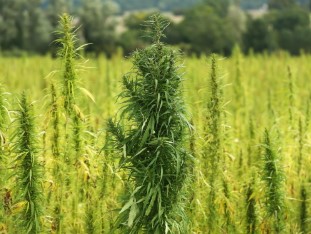
Seed vs. Clone:
- Seed: Skunk #1 has been highly stabilized, making seeds ideal for phenotypic consistency.
- Clone: Cloning from a known mother plant ensures uniform cannabinoid and terpene expression, critical for medical use.
Pheno-hunting:
Though Skunk is relatively stable, growers may still encounter:
- Indica-leaning phenos: Shorter, bushier, faster-flowering
- Sativa-leaning phenos: Taller, airier buds, longer flowering time
Genetic testing (qPCR assays) can now screen for key traits—THC:CBD ratio, pest resistance genes, flowering time regulators like FT and SOC1 genes.
Growth Stages and Photoperiod Management
| Stage | Photoperiod | Key Goals |
|---|---|---|
| Germination | 24h light | Rapid root development |
| Vegetative | 18/6 light/dark | Leaf and stem growth, canopy training |
| Flowering | 12/12 light/dark | Induction of flower development, resin production |
- Skunk responds predictably to photoperiod changes due to ruderalis-free genetics.
- During flowering, far-red light exclusion (730 nm) improves bud development by minimizing night interruption.
Environmental Control Parameters
Temperature:
- Vegetative phase: 22–28°C (optimal enzyme function)
- Flowering phase: 20–26°C (reduces terpene degradation)
- Night temps should be 3–5°C lower to mimic natural conditions and preserve terpene content.
Humidity:
- Veg: 60–70% RH to support transpiration and nutrient uptake.
- Flower: 40–50% RH to prevent mold; Skunk’s dense buds are prone to Botrytis (bud rot).
CO₂ Enrichment:
- 1200–1500 ppm CO₂ during lights-on boosts photosynthesis, increasing yield by up to 30% when paired with adequate light (PPFD ≥ 800 μmol/m²/s).
- Requires sealed environment and constant air circulation.
Light Spectrum and Intensity
Indoor Lighting Recommendations:
- Vegetative phase:
- Full spectrum white or blue-dominant (400–500 nm)
- PPFD: 400–600 μmol/m²/s
- Flowering phase:
- Red-enhanced (620–700 nm) to trigger phytochrome response
- PPFD: 800–1000 μmol/m²/s
- UV-B supplementation (280–315 nm) late in flowering increases trichome density and THC content by stimulating stress-response pathways.
Substrate and Nutrient Management
Growing Media:
- Soil: Organic matter-rich, pH 6.2–6.8; supports terpene complexity
- Coco Coir: Excellent aeration, ideal for hydroponic-style fertigation
- Rockwool: Common in high-volume commercial ops for precise nutrient control
Macronutrient Needs:
- Veg: High Nitrogen (N), moderate Phosphorus (P), Potassium (K)
- Flower: Reduce N, increase P and K to support bud formation
| Stage | N-P-K Ratio (approx.) |
|---|---|
| Vegetative | 3-1-2 or 4-2-3 |
| Flowering | 1-3-2 or 1-4-3 |
Micronutrients:
- Skunk is sensitive to Mg and Ca deficiencies during heavy flowering
- Silicon (Si) supplementation improves resistance to pests and mechanical stress
EC and pH Monitoring:
- EC target: 1.2–2.2 depending on growth phase
- pH target:
- Soil: 6.3–6.8
- Hydro/Coco: 5.8–6.2
- Improper pH causes nutrient lockout (especially Fe, Mn, Zn)
Watering Techniques and Root Zone Health
Irrigation:
- Maintain moist but not saturated root zone
- Use pulse irrigation in coco or rockwool to avoid anaerobic conditions
Oxygenation:
- Skunk benefits from oxygen-rich root zones
- Add air stones or dissolved oxygen enhancers in hydroponics (≥6 ppm)
Root Pathogen Prevention:
- Use of Trichoderma harzianum or mycorrhizal fungi enhances nutrient uptake and protects against Pythium, Fusarium
Training Techniques
Skunk responds well to a variety of canopy management strategies:
- Topping: Encourages lateral growth and more bud sites
- LST (Low Stress Training): Increases light penetration and airflow
- SCROG (Screen of Green): Ideal for Skunk’s uniform height
- Defoliation: Improves airflow and reduces RH, especially during mid-flower
Hormonal Basis: Auxin redistribution after topping leads to reduced apical dominance and more even canopy development.
Pest and Pathogen Management
Skunk has some resistance due to its Afghani lineage, but vulnerabilities include:
- Powdery mildew – Managed with sulfur burners or potassium bicarbonate sprays
- Botrytis – Prevent with RH control and airflow
- Spider mites – Use of Phytoseiulus persimilis (predatory mite)
- Fungus gnats – Controlled with Bacillus thuringiensis israelensis (BTi) and sand top-dressing
Use IPM (Integrated Pest Management) combining biologicals, sanitation, and selective sprays like neem oil in veg.
Harvest Timing and Phytochemical Optimization
Harvest Window:
- Optimal when trichomes turn cloudy with 10–20% amber
- Use digital microscopy to track trichome color and density
Cannabinoid Expression:
- Early harvest → Higher THCA, more cerebral effects
- Late harvest → More CBN, sedative effects due to THC degradation
Terpene Preservation:
- Cold cure (60°F, 55–60% RH) maximizes myrcene and limonene retention
- Flash-freezing for live resin extraction maintains full-spectrum profile
Post-Harvest: Drying, Curing, and Storage
Drying:
- Temperature: 60–65°F
- RH: 55–60%
- Duration: Depending on bud density, 7–14 days
Curing:
- Store in airtight jars
- Open (“burp”) daily for 1–2 weeks
- Final cure: 4–8 weeks in controlled environment
Chemical Changes:
- Chlorophyll breakdown
- THCA decarboxylation
- Terpene stability improves after full cure
Storage Conditions:
- Cool (≤65°F), dark, and dry environment
- Use of Boveda packs or vacuum sealing maintains ideal RH
Summary of Scientific Best Practices
| Category | Optimal Parameters |
|---|---|
| Light Intensity (Flower) | 800–1000 μmol/m²/s |
| CO₂ Concentration | 1200–1500 ppm |
| Temperature Range | 22–28°C veg, 20–26°C flower |
| RH | 65% veg, 45% flower |
| pH (soil/hydro) | 6.5 / 5.8–6.2 |
| Nutrient EC | 1.2–2.2 (stage-dependent) |
| Harvest Timing | Cloudy to 20% amber trichomes |
| Pest Controls | IPM with beneficials + environment management |
| Training Methods | LST, SCROG, topping, defoliation |
| Yield Potential | 450–700g/plant (strain-dependent) |
Notable Hybrids and Descendants
Skunk is a cornerstone in cannabis breeding and has given rise to numerous legendary strains, including:
- Super Skunk – Afghani x Skunk #1
- UK Cheese – A Skunk #1 phenotype known for sharp cheese-like aroma
- Shiva Skunk – Northern Lights #5 x Skunk #1
- Critical Mass – Afghan x Skunk #1
- Jack Herer – Skunk x Northern Lights #5 x Haze
These hybrids often retain Skunk’s signature pungency and balanced effects, with added traits like higher yields or faster flowering.
Legal Status and Cultural Impact
Skunk has played a significant role in the legalization and normalization of cannabis:

- Widely grown in the Netherlands in the 1980s and ‘90s as one of the first stable indoor strains
- Frequently cited in UK cannabis policy debates due to its high THC content
- Featured in medical programs across Canada, Germany, and Israel
Skunk also shaped public perception of cannabis due to its distinct smell, often associated with high-potency cannabis, for better or worse.
Cautions and Contraindications
Side Effects:
- Dry mouth and eyes
- Dizziness (especially in new users)
- Anxiety or paranoia at high doses
- Temporary memory lapses
Contraindications:
- Adolescents and young adults (higher risk for THC-related psychiatric issues)
- Patients with a family history of schizophrenia or bipolar disorder
- Pregnancy or breastfeeding
Careful titration and medical supervision are advised for vulnerable populations.
Summary Table: Skunk Cannabis Strain
| Attribute | Details |
|---|---|
| Type | Hybrid (Indica-dominant tendencies) |
| THC Content | 15–22% |
| CBD Content | <1% |
| Dominant Terpenes | Myrcene, Caryophyllene, Limonene, Pinene |
| Key Effects | Euphoria, relaxation, focus, creativity |
| Medical Uses | Pain, depression, anxiety, migraines, appetite loss |
| Recreational Uses | Socializing, creativity, mood enhancement |
| Flowering Time | 8–9 weeks (indoors), late Sep–Oct (outdoors) |
| Yield | Medium to high (450–700g/plant depending on method) |
| Best Used | Daytime to early evening |
| Side Effects | Dry mouth, anxiety (dose-dependent), mild sedation |
| Notable Descendants | Super Skunk, UK Cheese, Jack Herer, Shiva Skunk |
Conclusion
Skunk stands as a pillar of modern cannabis genetics—both praised and scrutinized for its potency, aroma, and genetic stability. Whether sought for therapeutic relief or recreational uplift, Skunk’s versatility and reliability have earned it a legendary status in cannabis culture. Despite evolving tastes and newer hybrids, Skunk remains a go-to for cultivators, patients, and connoisseurs alike.
If you’re considering Skunk for medical use, be mindful of dosage, source quality, and personal tolerance, especially due to its high THC potential. When properly used, Skunk offers a holistic and dynamic cannabis experience grounded in decades of breeding expertise and scientific intrigue.
For a complete directory of cultivars, visit our Cannabis Strain Reviews.
