Table of Contents
Skunk No. 1 is a legendary cannabis strain and one of the most iconic hybrids in the cannabis world. It was first developed in the late 1970s by Sacred Seeds, a California-based collective, and is credited as a foundational strain in modern cannabis breeding. Skunk No. 1’s name reflects its pungent, skunky aroma, which has become synonymous with high-quality cannabis.
The strain is a well-balanced hybrid, slightly leaning towards the sativa side, with a genetic composed of about 35% indica and 65% sativa.Its genetics are a cross between Afghani, Acapulco Gold, and Colombian Gold, combining the best traits of landrace strains from Asia, Central America, and South America.
Physical Characteristics
Skunk No. 1 plants are known for their vigorous growth and uniformity, which makes them popular among both commercial growers and home cultivators. Key characteristics include:
- Appearance: Bright green, medium-sized buds with orange pistils and a dense layer of trichomes.
- Texture: Sticky and resinous, indicative of its high cannabinoid content.
- Aroma and Flavor: The strain is famous for its pungent, skunky smell, accompanied by sweet, earthy, and citrus undertones. The flavor profile reflects these aromas, with additional hints of spice.
Chemical Composition
The chemical profile of Skunk No. 1 is robust, making it suitable for a variety of uses. Key components include:
- Cannabinoids:
- THC: Typically ranges between 15–22%. This moderate-to-high THC content ensures a balanced psychoactive experience suitable for both novice and experienced users.
- CBD: Usually less than 1%. Skunk No. 1 is not a CBD-rich strain, making it less suited for conditions requiring high CBD concentrations.
- CBG: Around 1%, which may contribute to the strain’s therapeutic effects.
- Terpenes:
- Myrcene: Contributes to the earthy and musky aroma while enhancing sedative effects.
- Limonene: Adds a citrusy note and is associated with mood elevation.
- Caryophyllene: Spicy and woody, known for its anti-inflammatory and analgesic properties.
- Pinene: Offers pine-like freshness and supports focus and respiratory health.
Recreational Uses
Skunk No. 1 is a versatile strain, beloved for its well-rounded effects. Recreational users value it for the following reasons:
- Euphoric and Uplifting High:
- The initial effects are cerebral, uplifting, and energizing, making it an excellent choice for social gatherings, creative pursuits, and outdoor activities. Users frequently express feelings of motivation and happiness.
- Balanced Relaxation:
- As the high progresses, the indica genetics provide a soothing body buzz without inducing couch-lock, striking a balance between stimulation and relaxation. This makes it suitable for evening use while still allowing functionality.
- Enhanced Creativity and Focus:
- Thanks to its sativa dominance, Skunk No. 1 enhances creativity and focus, making it a favorite among artists, writers, and musicians.
- Sensory Enhancement:
- Skunk No. 1 is known for intensifying sensory experiences, such as music, food, and visual stimuli, adding a unique dimension to recreational activities.
Medical Applications
Skunk No. 1’s diverse chemical profile makes it effective for addressing a variety of medical conditions. While it is not as specialized as some CBD-rich strains, its THC and terpene content provide substantial therapeutic benefits.

- Mental Health
- Anxiety and Depression:
- The uplifting and mood-enhancing properties of Skunk No. 1 can alleviate symptoms of mild to moderate depression and anxiety. The limonene terpene plays a significant role in boosting mood and reducing stress.
- Stress Management:
- Its balanced high helps users unwind and manage daily stress without feeling overly sedated.
- Anxiety and Depression:
- Pain Relief
- The presence of caryophyllene and myrcene contributes to Skunk No. 1’s analgesic effects, making it effective for managing chronic pain, migraines, and muscle spasms.
- Users often report relief from arthritis and fibromyalgia symptoms.
- Insomnia
- While not as sedative as indica-dominant strains, the calming body effects can help users transition into restful sleep, particularly when consumed in higher doses.
- Appetite Stimulation
- Like many THC-rich strains, Skunk No. 1 is effective in combating loss of appetite and nausea, making it beneficial for people with eating issues or undergoing chemotherapy.
- Neurological Disorders
- Skunk No. 1’s relaxing properties may help manage symptoms of conditions like multiple sclerosis, epilepsy, and Parkinson’s disease, though its lower CBD content limits its efficacy for seizure control.
- ADHD and Focus Issues
- The strain’s sativa-like cerebral effects can improve focus and attention in some users, making it potentially helpful for ADHD.
Scientific Studies and Research

- Genetic Stability and Breeding
- Skunk No. 1 has been extensively studied due to its genetic stability and role in breeding. It has been used to create numerous famous strains, such as Cheese, Green Crack, and Super Skunk.
- Studies have highlighted its balanced cannabinoid and terpene profile, which contributes to its consistent effects and broad appeal.
- Therapeutic Potential
- Research into the entourage effect suggests that the combination of THC, terpenes, and minor cannabinoids in Skunk No. 1 enhances its therapeutic efficacy compared to isolated compounds.
- Cannabinoid Synthesis
- Skunk No. 1 is frequently used in studies exploring cannabinoid biosynthesis pathways due to its reliable THC production and resinous buds.
Genetic and Botanical Characteristics
- Genetics and Lineage:
- Origins: Skunk No. 1 is a hybrid created by blending three robust landrace strains: Afghani (indica), Acapulco Gold (sativa), and Colombian Gold (sativa). These landraces contribute to its resilience and adaptability.
- Stability: A hallmark of Skunk No. 1 is its genetic stability, making it a consistent performer in terms of yield, cannabinoid content, and terpene profile.
- Botanical Traits:
- Growth Structure:
- Skunk No. 1 exhibits a bushy growth pattern, thanks to its indica influence, with the vertical height derived from its sativa genetics.
- Leaves and Nodes:
- Broad fan leaves early in vegetative growth, transitioning to more sativa-like, narrow leaves as flowering progresses.
- Bud Structure:
- Dense, resin-covered buds with a high calyx-to-leaf ratio, which makes trimming easier and enhances resin yields.
- Growth Structure:
Scientific Insights into Environmental Requirements
- Light:
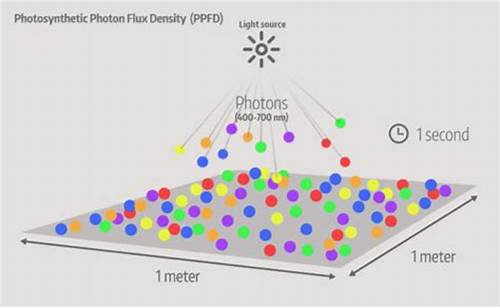
- Photosynthetic Photon Flux Density (PPFD):
- Optimal PPFD for vegetative growth: 400–600 µmol/m²/s.
- Optimal PPFD for flowering: 800–1000 µmol/m²/s.
- Excessive light intensity can lead to photoinhibition, manifesting as bleached or burnt leaves.
- Light Spectrum:
- During vegetative growth: Focus on blue light (400–500 nm) to encourage compact growth.
- During flowering: Red light (600–700 nm) enhances bud development and resin production.
- Photosynthetic Photon Flux Density (PPFD):
- Temperature:
- Ideal temperature range: 70–85°F (21–29°C).
- Temperature above 85°F can reduce terpene production and lead to “foxtailing” (a genetic response to heat stress).
- Temperature below 60°F during flowering can intensify anthocyanin production, potentially adding purple hues to the buds.
- Humidity:
- Vegetative Stage: 50–70% relative humidity (RH) supports healthy stomatal function and rapid growth.
- Flowering Stage: Lower humidity (40–50% RH) prevents mold and enhances resin production.
- Sudden fluctuations in RH can lead to stress, causing slower growth or hermaphroditism (the development of both male and female reproductive organs).
- CO₂ Enrichment:
- Skunk No. 1 responds positively to CO₂ supplementation in sealed environments.
- Recommended CO₂ levels: 1200–1500 ppm during light cycles.
- CO₂ supplementation can increase yields by 20–30%, provided other factors (light, nutrients, and temperature) are optimal.
- Skunk No. 1 responds positively to CO₂ supplementation in sealed environments.
Soil, Nutrients, and Growing Media
- Soil and Growing Media:
- Organic Soil: Rich, loamy soil with high levels of organic matter supports natural terpene production.
- Hydroponics: Provides faster growth and larger yields but requires precise nutrient and pH management.
- Soilless Media: Coco coir and peat moss are popular for providing good aeration and water retention.
- Nutritional Requirements:
- Vegetative Stage:
- Focus on nitrogen (N) to support vigorous leaf and stem development.
- Recommended NPK ratio: 3-1-2 or similar.
- Flowering Stage:
- Reduce nitrogen; increase phosphorus (P) and potassium (K) to enhance flower production.
- Recommended NPK ratio: 1-3-4.
- Micronutrients:
- Essential trace elements include calcium (Ca), magnesium (Mg), and iron (Fe).
- Deficiencies in calcium and magnesium are common in coco coir or hydroponics and require supplementation.
- pH Levels:
- Soil: Optimal pH range is 6.0–7.0.
- Hydroponics: Optimal pH range is 5.5–6.5.
- Vegetative Stage:
- Feeding Schedule:
- Use a gradual feeding schedule, starting with half-strength nutrients during the early stages and progressively increasing as the plant matures.
Watering and Irrigation
- Water Quality:
- Use filtered or reverse osmosis (RO) water to avoid buildup of salts and chlorine.
- Ideal water pH: 6.0–6.5 for soil and 5.5–6.0 for hydroponics.
- Irrigation Frequency:
- Allow soil to dry slightly between waterings to avoid root rot.
- In hydroponic systems, maintain a consistent supply of nutrient-rich water with good oxygenation.
- Drainage and Aeration:
- Ensure proper drainage in soil to prevent overwatering.
- Aerated growing media (e.g., coco coir or perlite blends) optimize oxygen availability for roots.
Cultivation Techniques
- Training:
- Low-Stress Training (LST):
- Bending and tying down branches encourage horizontal growth, improving light distribution.
- Topping and Fimming:
- Removing the top growth encourages bushier plants and multiple colas.
- Screen of Green (ScrOG):
- Using a net to train branches horizontally maximizes canopy exposure to light.
- Low-Stress Training (LST):
- Pruning:
- Remove lower, shaded branches (“lollipopping”) to focus energy on top buds.
- Defoliate selectively to improve airflow and reduce the risk of mold.
- Integrated Pest Management (IPM):
- Skunk No. 1 is naturally resistant to pests, but proactive measures include:
- Regular inspections for common pests like spider mites, aphids, and thrips.
- Use of beneficial insects (e.g., ladybugs, predatory mites) or organic sprays for prevention.
- Skunk No. 1 is naturally resistant to pests, but proactive measures include:
Flowering and Harvesting
- Flowering Time:
- Indoor: 8–9 weeks under a 12/12 light cycle.
- Outdoor: Late September to early October is when plants are usually ready for harvest, depending on the climate.
- Signs of Maturity:
- Trichomes: Harvest when trichomes shift from clear to cloudy for a balanced high, or when they turn amber for a more sedative effect.
- Pistils: When 70–90% of pistils have darkened and curled in, the plant is nearing maturity.
- Harvesting:
- Cut branches with sterile, sharp instruments.
- Handle buds gently to preserve trichomes.
- Drying and Curing:
- Drying: Hang buds in a dark, ventilated room with temperatures between 60–70°F (15–21°C) and RH of 45–55%.
- Curing: Store dried buds in glass jars with occasional “burping” to release moisture for 2–4 weeks to optimize flavor and potency.
Yield Optimization
- Genetic Potential:
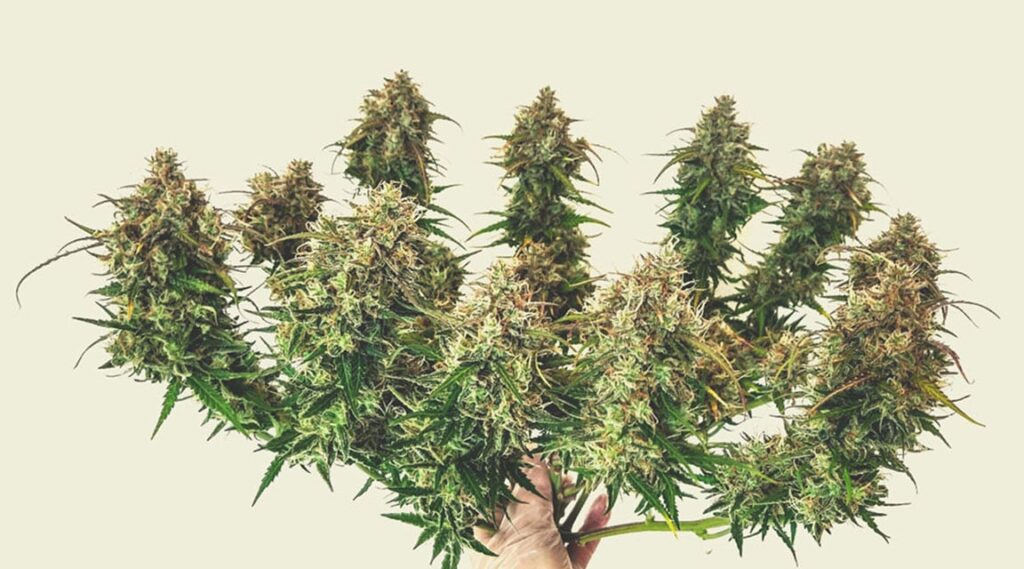
- Skunk No. 1 is known for high yields when grown under optimal conditions:
- Indoor: 450–500 grams per square meter using high-efficiency grow lights like LEDs.
- Outdoor: 600–800 grams per plant, especially in sunny climates with rich soil.
- Skunk No. 1 is known for high yields when grown under optimal conditions:
- Key Yield Factors:
- Consistent environmental control.
- Proper pruning and training.
- Optimal nutrient and water delivery.
Scientific Research on Cultivation Variables

- Impact of Light Spectrum:
- Studies show that full-spectrum lighting improves cannabinoid and terpene production in Skunk No. 1.
- UV-B exposure during flowering increases THC levels but should be applied cautiously to prevent stress.
- Soil Microbiome:
- Beneficial microbes like mycorrhizal fungi and rhizobacteria enhance nutrient uptake and stress resistance.
- Environmental Stress:
- Moderate stress (e.g., drought cycles or controlled defoliation) can boost secondary metabolite production, including terpenes and cannabinoids.
Sustainability and Eco-Friendly Practices
- Organic Cultivation:
- Avoid synthetic fertilizers and pesticides to enhance the natural terpene profile and ensure a cleaner product.
- Water Conservation:
- Use drip irrigation or automated systems to minimize water waste.
- Energy Efficiency:
- Incorporate energy-efficient LED lighting and renewable energy sources for indoor grows.
By applying scientific principles to Skunk No. 1 cultivation, growers can maximize yield, potency, and terpene richness, ensuring a high-quality end product that reflects the strain’s full genetic potential.
Potential Side Effects
While Skunk No. 1 is well-tolerated by most users, it can produce some side effects, especially in higher doses or among inexperienced users:
- Dry Mouth and Eyes:
- Common with THC-rich strains, these symptoms can be mitigated by staying hydrated.
- Paranoia and Anxiety:
- In rare cases, Skunk No. 1 may exacerbate anxiety or induce paranoia, particularly in individuals sensitive to THC.
- Dizziness:
- Some users report mild dizziness, especially when consuming large amounts quickly.
Cultural and Historical Significance
Skunk No. 1 has played a pivotal role in the evolution of modern cannabis. Its introduction revolutionized breeding practices, providing a stable genetic baseline for countless hybrid strains. The term “skunk” has even become a colloquial term for potent cannabis, underscoring its impact on popular culture.
Conclusion
Skunk No. 1 remains a cornerstone of cannabis cultivation and consumption, revered for its potent effects, therapeutic potential, and rich history. Its balanced high makes it a versatile choice for both medical and recreational users, while its stable genetics and ease of cultivation continue to inspire breeders worldwide. Whether you are a connoisseur seeking a classic experience or a cultivator aiming for high-quality yields, Skunk No. 1 is a strain that delivers consistently across the board.
For a complete directory of cultivars, visit our Cannabis Strain Reviews.
