Table of Contents
Skunk Kush is a well-regarded cannabis strain, celebrated for its potent effects and rich lineage. It is an Indica-dominant hybrid bred by crossing two iconic strains: Skunk #1 and an Afghan Kush variety. This hybridization brings together the best qualities of both strains, offering a balance of robust physical relaxation and mild cerebral stimulation. Skunk Kush is particularly valued for its versatility, catering to both medical and recreational cannabis users.
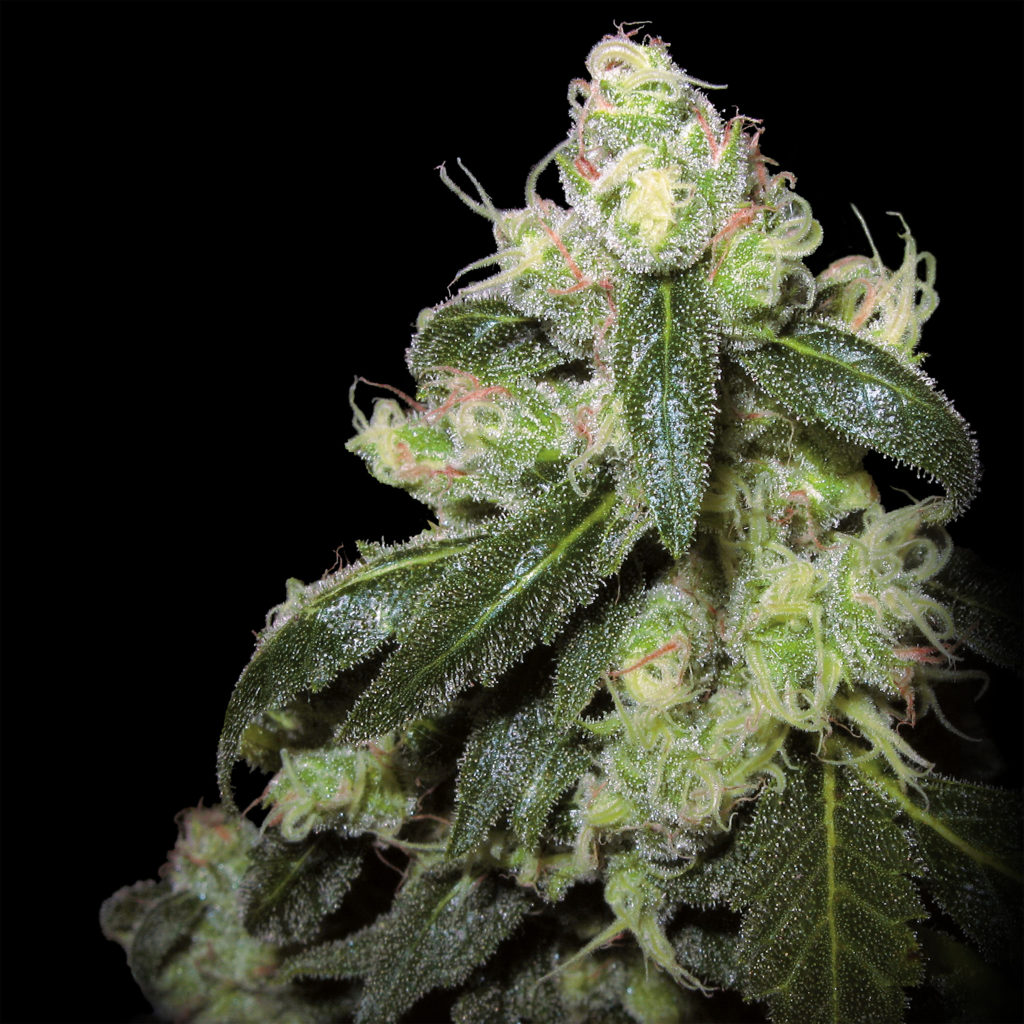
This strain is also noted for its complex flavor profile, blending earthy, spicy, and citrus notes. Its high THC levels and therapeutic terpenes make it an ideal choice for various applications. Below, we will delve into its origins, scientific properties, and detailed uses in medical and recreational contexts.
Origins and Genetics
- Parent Strains:
- Skunk #1: A Sativa-leaning hybrid known for its pungent aroma and energetic, uplifting effects.
- Afghan Kush: A pure Indica strain recognized for its potent sedative qualities and earthy flavors.
- Genetic Profile:
- Indica-Dominance: Typically about 70% Indica and 30% Sativa, though this ratio may vary slightly among phenotypes.
- THC Levels: Range between 17% and 22%, depending on cultivation practices.
- CBD Levels: Usually less than 1%, making it more suited for THC-dominant effects rather than CBD-rich medicinal applications.
Scientific Properties
- Cannabinoid Composition:
- THC: Provides psychoactive effects, pain relief, and muscle relaxation.
- CBD: Minimal presence but may contribute to a mild balancing effect on THC.
- CBG: Often found in small amounts; may enhance the strain’s anti-inflammatory properties.
- Terpene Profile:
- Myrcene: Dominant terpene, contributing to its relaxing and sedative qualities.
- Limonene: Adds citrusy notes and uplifting effects.
- Caryophyllene: Provides anti-inflammatory and pain-relief properties.
- Pinene: Enhances focus and may counteract THC-induced forgetfulness.
- Flavonoid Content:
- Skunk Kush contains flavonoids like quercetin and kaempferol, which contribute to its antioxidant properties and unique flavor.
- Growth Characteristics:
- Plant Morphology: Medium-sized with dense, resin-coated buds.
- Flowering Time: 7-9 weeks.
- Yield: High yield both indoors and outdoors under optimal conditions.
- Resilience: Resistant to common pests and mold, making it a favorite among cultivators.
Medical Uses
Skunk Kush is a versatile strain for medical cannabis users, offering relief for a range of physical and psychological conditions. Its therapeutic benefits are largely attributed to its high THC levels and diverse terpene profile.

1. Pain Management
- Chronic Pain: Skunk Kush is highly effective for managing persistent pain conditions such as arthritis, fibromyalgia, and back pain.
- Neuropathic Pain: Its Indica-dominant genetics help alleviate nerve-related pain by relaxing the nervous system.
2. Stress and Anxiety Relief
- The calming effects of myrcene and limonene help reduce acute stress and anxiety. Its moderate cerebral stimulation prevents the lethargy often associated with pure Indica strains.
- Generalized Anxiety Disorder (GAD): Helps patients maintain a sense of calm without overwhelming sedation.
3. Insomnia
- With its sedative properties, Skunk Kush is particularly effective for individuals suffering from sleep disorders. A small dose taken an hour before bedtime can help induce a deep and restful sleep.
4. Appetite Stimulation
- Skunk Kush is known to trigger appetite, making it beneficial for patients dealing with conditions like:
- Cachexia (wasting syndrome).
- Side effects of chemotherapy.
- Eating disorders such as anorexia.
5. Inflammation and Muscle Spasms
- The presence of caryophyllene and myrcene makes this strain ideal for reducing inflammation and alleviating muscle spasms. Conditions like these have been treated with it:
- Multiple sclerosis.
- Crohn’s disease.
- Irritable bowel syndrome (IBS).
6. Mood Disorders
- While primarily Indica-dominant, Skunk Kush’s Sativa lineage offers mood-enhancing effects. It is beneficial for people who have:
- Depression.
- Post-traumatic stress disorder (PTSD).
- Seasonal affective disorder (SAD).
7. Migraine Relief
- The strain’s combination of relaxation and mild euphoria can help alleviate the pain and discomfort associated with migraines.
Recreational Uses
Skunk Kush is equally popular among recreational cannabis users. Its balanced effects provide both relaxation and subtle cerebral stimulation, making it suitable for various activities and social settings.

1. Social Relaxation
- Skunk Kush enhances mood and reduces social inhibitions, making it a good choice for gatherings or casual conversations. It creates a calm yet sociable state without overwhelming sedation.
2. Creative Boost
- The mild Sativa influence from Skunk #1 offers a burst of creativity and focus. Artists, writers, and musicians often use it to overcome creative blocks.
3. Body Relaxation
- Ideal for unwinding after a long day, Skunk Kush provides a deep sense of physical relaxation. Its body-high is particularly appreciated by those seeking a stress-free evening.
4. Enhanced Sensory Experiences
- The strain heightens sensory perception, enhancing experiences like listening to music, watching movies, or exploring nature.
5. Recreational Sleep Aid
- While recreational users may not have clinical insomnia, many appreciate Skunk Kush for improving sleep quality after a particularly stressful day.
Consumption Methods
- Smoking:
- The traditional method of consumption. Offers an immediate commencement of action.
- Ideal for recreational users seeking immediate relief or relaxation.
- Vaporizing:
- A healthier alternative to smoking that preserves the terpene profile for a flavorful experience.
- Edibles:
- Provides long-lasting effects. Recommended for medical users managing chronic pain or insomnia.
- Onset may take 30-90 minutes, so dosing should be approached cautiously.
- Tinctures and Oils:
- Discreet and easy to dose. Particularly useful for medical applications.
- Topicals:
- Creams or balms infused with Skunk Kush extract can be applied directly to the skin for localized pain and inflammation relief.
Potential Side Effects
While Skunk Kush is well-tolerated by most users, some may experience side effects, especially with high doses:
- Dry Mouth and Dry Eyes:
- Common side effects. Drinking enough of water can help ease discomfort.
- Dizziness:
- Rare and usually occurs in novice users or those sensitive to THC.
- Anxiety or Paranoia:
- In high doses, the Sativa influence may trigger anxiety in susceptible individuals.
- Sedation:
- Overconsumption can lead to excessive sedation or couch-lock.
Skunk Kush Cultivation
Cultivating Skunk Kush requires a combination of understanding its genetic traits, optimal environmental conditions, and advanced horticultural techniques. This strain’s robust lineage—derived from Skunk #1 and Afghan Kush—imbues it with resilience, high yield potential as well as flexibility in a range of growing conditions. Below is a comprehensive, scientific breakdown of its cultivation requirements.
1. Genetic Characteristics
- Genotype:
- 70% Indica, 30% Sativa hybrid.
- Its Indica dominance results in short, bushy plants with thick stems, suitable for nutrient retention and supporting dense buds.
- The Sativa influence contributes to moderate height and slightly elongated leaves in some phenotypes.
- Phenotype Variation:
- Indica-dominant phenotypes produce compact, resinous buds with earthy and spicy aromas.
- Sativa-leaning phenotypes may exhibit longer internodal spacing and citrus undertones in flavor.
2. Environmental Requirements
a. Light
- Photoperiod:
- Skunk Kush is photoperiod-sensitive, requiring 12 hours of uninterrupted darkness during the flowering stage.
- Lighting Intensity:
- During vegetative growth: 400-600 μmol/m²/s of PAR (Photosynthetically Active Radiation).
- During flowering: 700-900 μmol/m²/s for optimal bud development.
- Preferred Light Spectrum:
- Blue spectrum (400–500 nm) during the vegetative stage promotes bushy growth.
- Red spectrum (620–700 nm) in flowering encourages bud formation and density.
b. Temperature
- Optimal Range:
- Vegetative Stage: 22–28°C (71–82°F).
- Flowering Stage: 20–26°C (68–79°F).
- Stress Tolerance:
- Its Afghan Kush lineage provides tolerance to slightly cooler temperatures, making it suitable for temperate climates.
c. Humidity
- Relative Humidity (RH):
- Vegetative Stage: 50–60%.
- Flowering Stage: 40–50% to prevent mold and bud rot.
- Air Circulation:
- Essential for reducing humidity around dense buds and preventing fungal issues.
d. CO₂ Enrichment
- Increased carbon dioxide (CO₂) levels (800–1,200 ppm) during the flowering stage can boost photosynthesis and improve yield by up to 20%.
3. Soil and Mediums
a. Soil
- Preferred Soil Type:
- Loamy soil with excellent drainage and aeration.
- pH Range:
- 6.0–6.5 for optimal nutrient absorption.
- Amendments:
- Organic compost or mycorrhizal fungi to enhance root development and nutrient uptake.
b. Hydroponics
- Faster growth rates and higher yields can be achieved using hydroponic systems like:
- Deep Water Culture (DWC).
- Ebb and Flow.
- Nutrient Solution pH:
- Maintain between 5.5 and 6.0.
- EC (Electrical Conductivity):
- Vegetative Stage: 1.2–1.8 mS/cm.
- Flowering Stage: 1.8–2.2 mS/cm.
c. Coco Coir
- Provides excellent water retention and aeration.
- Requires calcium and magnesium supplementation due to natural cation exchange properties.
4. Nutrient Requirements
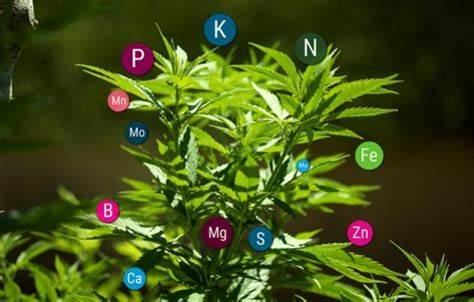
a. Macronutrients
- Nitrogen (N):
- Essential for vegetative growth. Maintain a higher nitrogen ratio during the early stages.
- Phosphorus (P):
- Increased levels are crucial during the flowering stage for bud development.
- Potassium (K):
- Increases a plant’s ability to withstand stress and promotes general health.
b. Micronutrients
- Calcium (Ca):
- Necessary for cell wall strength, especially in hydroponic setups.
- Magnesium (Mg):
- Vital for chlorophyll production and photosynthesis.
- Manganese (Mn), iron (Fe), and zinc (Zn):
- Required in trace amounts to support enzymatic functions.
c. Feeding Schedule
- Use a progressive feeding schedule tailored to the plant’s growth stage:
- Seedling Stage: Low nitrogen, high phosphorus.
- Vegetative Stage: High nitrogen, moderate potassium.
- Flowering Stage: Reduced nitrogen, high phosphorus and potassium.
5. Growth Techniques

a. Topping and Fimming
- Encourages bushier growth by promoting multiple colas, increasing yield.
- Perform early in the vegetative stage for maximum effect.
b. Low-Stress Training (LST)
- Bends branches to optimize light penetration to lower nodes.
- Helps in maximizing canopy efficiency.
c. Screen of Green (ScrOG)
- Involves placing a screen above the canopy and training branches through it.
- Ensures uniform light distribution and improved bud quality.
d. Defoliation
- Strategic removal of excess fan leaves during the flowering stage to improve air circulation and light penetration.
6. Flowering and Harvesting
a. Flowering Period
- 7–9 weeks, depending on phenotype and environmental conditions.
- Monitor trichome development to determine optimal harvest time:
- Clear trichomes: Immature.
- Cloudy trichomes: Peak potency.
- Amber trichomes: More sedative effects.
b. Yield
- Indoors:
- 500–600 g/m² under optimal conditions.
- Outdoors:
- Up to 700 g/plant, depending on climate and care.
c. Harvesting
- Use sterilized tools to minimize contamination.
- Harvest during the early morning for higher terpene preservation.
7. Post-Harvest Processing
a. Drying
- Hang buds upside down in a dark, ventilated space with:
- Temperature: 18–22°C (64–72°F).
- Humidity: 50–60%.
- Drying typically takes 7–14 days.
b. Curing
- Place dried buds in airtight jars, opening them daily for the first 1–2 weeks to release moisture.
- Ideal curing conditions:
- Temperature: 20°C (68°F).
- Humidity: 58–62%.
- Curing improves potency, flavor, and overall quality.
c. Storage
- Store in a cool, dark place in airtight containers to preserve cannabinoids and terpenes.
8. Pest and Disease Management
a. Common Pests
- Spider Mites:
- Mitigate with neem oil or predatory insects (e.g., ladybugs).
- Aphids:
- Managed with natural predators or insecticidal soaps.
- Fungus Gnats:
- Prevent with proper drainage and soil dryness.
b. Diseases
- Powdery Mildew:
- Prevent with adequate air circulation and sulfur-based fungicides.
- Root Rot:
- Avoid overwatering and ensure proper drainage.
c. Integrated Pest Management (IPM)
- For long-term pest control, combine chemical, mechanical, and biological measures.
Scientific Advancements in Skunk Kush Cultivation
- Tissue Culture Propagation:
- Allows for disease-free clones with identical genetic traits.
- Useful for preserving rare Skunk Kush phenotypes.
- Genetic Mapping:
- Identifying specific genes responsible for desirable traits, such as terpene production and pest resistance, to improve breeding programs.
- Light Spectrum Research:
- Studies show that using UV-B light during flowering enhances THC and terpene production.
- Soil Microbiome Enhancement:
- Utilizing beneficial microbes like mycorrhizae and Trichoderma spp. enhances nutrient absorption and root health.
Comparative Analysis with Similar Strains
| Strain | Genetics | THC (%) | Effects | Best For |
|---|---|---|---|---|
| Skunk Kush | Skunk #1 x Afghan Kush | 17-22% | Relaxing, mildly uplifting | Pain, insomnia, social relaxation |
| Northern Lights | Afghan x Thai | 16-21% | Deep relaxation, sedative | Chronic pain, stress, sleep |
| Super Skunk | Skunk #1 x Afghani | 18-20% | Balanced, relaxing | Appetite stimulation, anxiety |
Scientific Research and Findings
- Terpene Synergy:
- Studies have shown that myrcene enhances THC’s sedative effects, making Skunk Kush ideal for managing pain and insomnia.
- Anti-Inflammatory Properties:
- Caryophyllene’s ability to bind with CB2 receptors in the endocannabinoid system suggests its potential as an anti-inflammatory agent.
- Neuroprotective Effects:
- Preliminary research on strains with similar profiles indicates that Skunk Kush may support neuroprotection, potentially benefiting conditions like Alzheimer’s and Parkinson’s disease.
- Mood Regulation:
- Limonene’s interaction with serotonin receptors could explain Skunk Kush’s mood-enhancing effects.
Conclusion
Skunk Kush is a well-rounded cannabis strain offering a blend of therapeutic and recreational benefits. Its robust Indica dominance, complemented by mild Sativa stimulation, makes it a versatile choice for a wide range of users. Whether you want to sleep better, relieve chronic pain, or just relax after a long day, Skunk Kush delivers a dependable and enjoyable experience.
With its rich genetic history, high potency, and complex terpene profile, Skunk Kush continues to be favored by both medical patients and cannabis aficionados. As cannabis research advances, the therapeutic potential of strains like Skunk Kush will undoubtedly become even more widely recognized.
For a complete directory of cultivars, visit our Cannabis Strain Reviews.
