Table of Contents
Skunk Diesel is a hybrid cannabis strain resulting from the genetic cross between Skunk #1 and NYC Diesel. This blend combines the pungent, musky traits of Skunk with the fuel-rich, energizing profile of Diesel strains. It is typically sativa-dominant, though exact ratios may vary across breeders, with many phenotypes expressing a 60:40 sativa-to-indica ratio.
- Skunk #1: A foundational strain developed in the 1970s, known for its stability, high THC content, and reliable growth characteristics.
- NYC Diesel: A hybrid of Afghani and Mexican landraces, known for uplifting cerebral effects and a distinctive citrus-fuel aroma.
This lineage gives Skunk Diesel a complex chemotype, balancing mental stimulation with physical relaxation, making it suitable for both medical and recreational applications.
Cannabinoid Profile
The therapeutic and psychoactive effects of Skunk Diesel are primarily mediated by its cannabinoid content, which includes both major and minor compounds.
Primary Cannabinoids
- THC (Δ⁹-Tetrahydrocannabinol): Ranges from 17% to 22%, depending on phenotype and cultivation conditions. THC is the primary psychoactive compound and modulates pain, mood, appetite, and perception.
- CBD (Cannabidiol): Typically <1%, although trace amounts may modulate the psychoactivity of THC and contribute to anxiolytic effects.
- CBG (Cannabigerol): Found in small quantities (0.5–1%), contributing to anti-inflammatory and neuroprotective effects.
Minor Cannabinoids
- CBC (Cannabichromene): May enhance pain relief and neurogenesis.
- THCV (Tetrahydrocannabivarin): May reduce appetite and anxiety at low doses.
- CBN (Cannabinol): Often formed during oxidation, with sedative properties.
The synergistic action between cannabinoids (the “entourage effect”) is a key factor in Skunk Diesel’s broad medicinal efficacy.
Terpene Composition and Functional Roles
Terpenes are aromatic compounds that shape not only the flavor and aroma of cannabis but also modify its pharmacological effects.

Dominant Terpenes in Skunk Diesel
- Myrcene: Sedative and analgesic; enhances THC transport across the blood-brain barrier.
- Limonene: Uplifting, mood-enhancing, and anxiolytic; interacts with serotonin and dopamine pathways.
- Caryophyllene: Anti-inflammatory and analgesic; directly activates CB2 receptors.
- Pinene: Enhances alertness and memory; acts as a bronchodilator and anti-inflammatory.
- Humulene: Anti-inflammatory and potentially appetite-suppressing; works synergistically with caryophyllene.
These terpenes collectively support pain relief, mood stabilization, and appetite control, while also influencing cognitive function and sedation levels, depending on dosage and timing.
Mechanisms of Action on the Endocannabinoid System and Beyond
Skunk Diesel acts through multiple biological systems. Here’s how it engages key physiological targets:
A. Cannabinoid Receptors
- CB1 Receptors: Located primarily in the central nervous system. THC binds as a partial agonist, reducing neurotransmitter release (e.g., glutamate, GABA) and altering pain, mood, and memory circuits.
- CB2 Receptors: Found in the immune system and peripheral tissues. Caryophyllene, CBG, and other cannabinoids activate CB2 to suppress inflammatory responses and modulate immune function.
B. TRP Channels (Transient Receptor Potential)
- TRPV1, TRPA1, TRPM8: Ion channels involved in pain, temperature, and inflammation. CBD, CBG, and CBC modulate these receptors to reduce neuropathic and inflammatory pain.
C. Neurotransmitter Systems
- Serotonin (5-HT1A receptors): CBD and limonene modulate these receptors, reducing anxiety and depression.
- Dopamine: THC increases dopaminergic activity in reward pathways, enhancing mood and motivation.
- Acetylcholine: Pinene inhibits acetylcholinesterase, supporting memory and cognitive clarity.
- GABA: Modulated indirectly by THC and terpenes, reducing neuronal overexcitation in anxiety states.
D. Anti-Inflammatory Pathways
- NF-κB and cytokine signaling: Cannabinoids and terpenes in Skunk Diesel suppress pro-inflammatory mediators like TNF-α, IL-1β, and IL-6, contributing to systemic immune balance.
Medical Applications
I. Chemotype and Therapeutic Foundation

Skunk Diesel is a sativa-dominant hybrid strain known for:
- THC concentrations ranging from ~17–22%
- Minor cannabinoid expression, including small amounts of CBD, CBG, and CBC
- A terpene profile dominated by myrcene, limonene, caryophyllene, pinene, and humulene
The combination of these constituents enables multi-pathway pharmacological action, supporting therapeutic effects through:
- Central nervous system modulation (via CB1 receptors and neurotransmitters)
- Peripheral immune and inflammatory regulation (via CB2 receptors and cytokine pathways)
- Neuroendocrine balance (via serotonergic, dopaminergic, and GABAergic systems)
- Gastrointestinal and metabolic homeostasis (via TRPV1, CB1, and 5-HT receptors)
II. Endocannabinoid and Neurological Mechanisms of Action
1. CB1 Receptor Activation (Primarily via THC)
- Located throughout the brain and spinal cord
- Modulates pain, appetite, mood, memory, and motor control
- Inhibits neurotransmitter release (especially glutamate), which dampens overactive pain and stress signals
2. CB2 Receptor Modulation (Via CBG, CBC, Caryophyllene)
- Expressed in immune cells, gut, and peripheral tissues
- Regulates inflammation and immune signaling
- Reduces cytokine release and promotes immune homeostasis
3. TRP Channels (TRPV1, TRPA1)
- Activated by CBD, CBG, and terpenes
- Regulate nociception, temperature, and neuroinflammation
- Important in neuropathic pain and inflammatory gut disorders
4. Serotonin (5-HT1A) and Dopamine Receptors
- CBD, limonene, and THC influence serotonin pathways — crucial for mood, anxiety, and nausea
- THC increases dopamine release in reward pathways, supporting motivation and antidepressant effects
5. Acetylcholine Modulation (via Pinene)
- Pinene acts as an acetylcholinesterase inhibitor, preserving acetylcholine
- Supports cognitive clarity, counteracting THC-induced short-term memory disruption
III. Condition-Specific Medical Uses
A. Chronic Pain
Biological Basis:
- CB1-mediated inhibition of nociceptive transmission
- CB2 activation reduces peripheral inflammation
- Terpenes like myrcene and caryophyllene offer additional analgesic synergy
Therapeutic Use:
- Neuropathic pain (sciatica, postherpetic neuralgia)
- Musculoskeletal pain (arthritis, fibromyalgia)
- Menstrual cramps
- Cancer-related pain (when high-dose THC is tolerated)
Clinical Strategy:
- Inhalation or tincture formats offer flexible dosing
- May replace or reduce opioid needs in some patients
B. Inflammation and Immune Dysregulation
Mechanisms:
- CB2 receptor engagement by caryophyllene and minor cannabinoids downregulates pro-inflammatory cytokines
- CBD and CBC suppress TNF-α, IL-6, and NF-κB activation
- Humulene and other terpenes inhibit prostaglandin synthesis and histamine release
Use Cases:
- Rheumatoid arthritis
- Inflammatory bowel diseases (IBD, Crohn’s, ulcerative colitis)
- Psoriasis and eczema
- Lupus and other autoimmune syndromes
Note: Skunk Diesel’s moderate THC levels make it viable for day use in chronic inflammatory conditions when dosed carefully.
C. Anxiety and Stress-Related Disorders
Mechanistic Insight:
- CBD, limonene, and CBG reduce activity in amygdala circuits, decreasing anxiety and panic response
- THC at low doses enhances GABAergic inhibition, calming excessive neuronal firing
- Caryophyllene stabilizes mood through CB2-linked limbic system effects
Applicable Disorders:
- Generalized anxiety disorder (GAD)
- Social anxiety disorder
- Performance anxiety
- PTSD (especially hyperarousal symptoms)
Caution: Higher THC doses may increase anxiety in THC-sensitive patients — recommend microdosing protocols (<3 mg THC per dose).
D. Depression and Mood Disorders
Underlying Pathways:
- THC stimulates mesolimbic dopamine system, improving reward perception
- Limonene and CBD act on 5-HT1A receptors, modulating mood and resilience
- Pinene supports cognitive alertness, countering depressive fog
Indications:
- Mild to moderate major depressive disorder
- Seasonal affective disorder (SAD)
- Treatment-resistant depression (adjunct to SSRIs)
- Depression with somatic pain overlap
Best Practice: Combine with behavioral therapy and dose earlier in the day to avoid sedation.
E. Sleep Disorders and Circadian Rhythm Disruption
Mechanisms of Action:
- THC reduces sleep onset latency via CB1 activation in the hypothalamus
- Myrcene and CBN promote physical sedation and deeper sleep
- CBD extends REM sleep duration and may reduce nightmares
Applicable Conditions:
- Insomnia (onset and maintenance)
- Sleep disturbances from chronic pain
- PTSD-related nightmares
- Circadian rhythm disorders in shift workers
Delivery Method: Edibles and tinctures offer extended-duration effects for overnight relief.
F. Gastrointestinal and Metabolic Conditions
Pharmacological Actions:
- THC activates orexigenic neurons in the hypothalamus, increasing appetite
- CB1 and 5-HT3 receptor modulation suppresses nausea and vomiting
- CB2 and TRP activation reduce gut inflammation and hypermotility
Clinical Utility:
- Anorexia/cachexia from cancer or HIV/AIDS
- Chemotherapy-induced nausea
- Functional GI disorders (IBS, cyclic vomiting syndrome)
- Crohn’s disease (supportive therapy)
Considerations: Vaporization pre-meals can stimulate appetite quickly; oral routes help with sustained nausea relief.
G. Neurodegenerative and Neurological Disorders
Mechanisms:
- Neuroprotection through reduction of oxidative stress and glutamate excitotoxicity while using Skunk Diesel
- TRP and CB2 activation reduce neuroinflammation
- Pinene and CBD preserve cognitive integrity and reduce agitation
Therapeutic Uses:
- Alzheimer’s disease (aggression, confusion, sundowning)
- Parkinson’s disease (tremor, anxiety, sleep dysfunction)
- Multiple sclerosis (spasticity, neuropathic pain)
- Epilepsy (in phenotypes with CBD expression)
- ALS (pain and spasticity relief)
Note: Skunk Diesel may serve as an adjunct in complex symptom management rather than as monotherapy in most neurological disorders.
IV. Functional Dosing Strategies for Symptom Management
| Condition | Dose Range (THC) | CBD Presence | Best Delivery |
|---|---|---|---|
| Pain (chronic/inflammatory) | 5–15 mg | Optional (1–2 mg) | Vapor or oral tincture |
| Anxiety/Depression | 1–5 mg | Helpful | Vapor, microcapsules |
| Sleep Support | 10–20 mg | Moderate CBD | Edible or oral tincture |
| Appetite Loss/Nausea | 5–10 mg | Not necessary | Inhalation (fast onset) |
| Spasticity/Neuro Symptoms | 5–15 mg | Beneficial | Mixed (vape + oral) |
Microdosing Option
- Skunk Diesel is ideal for mood, anxiety, and focus support
- 1–2 mg THC + optional 1–3 mg CBD
- Can be given several times a day
Recreational Effects and Functional Use
Initial Onset
- Mild euphoria, increased talkativeness, sensory enhancement (color, music, taste)
- Uplifted mental state with potential for creative thinking or introspection
Mid-Experience
- Deepening body relaxation
- Heightened appreciation for tactile and gustatory experiences (common in food, music)
- Reduction in mental clutter or anxious thought loops
Late Effects (High Doses or Evening Use)
- Sedation, couch-lock (myrcene heavy phenotypes)
- Munchies (THC-driven hypothalamic activation)
- Short-term memory disruption (dose-dependent)
Ideal Use Contexts
- Social environments (small groups)
- Creative pursuits (writing, music, visual art)
- Light physical activity (walking, yoga)
- Winding down in the evening (if higher doses used)
Scientific Cultivation Practices
I. Botanical and Morphological Characteristics
Understanding the plant’s growth architecture is essential for optimizing structure, airflow, and cannabinoid output.
- Genotype: Sativa-dominant hybrid
- Height: Moderate to tall (100–180 cm indoors; taller outdoors)
- Leaf Structure: Thin-fingered, wide-span leaves typical of sativa phenotypes
- Bud Density: Medium to high; dense colas may require humidity control
- Branching: Robust lateral development; responds well to training
- Trichome Density: High — excellent for both flower and concentrate production
- Flowering Time: 8–10 weeks (indoor); mid to late October (outdoor)
II. Environmental Requirements (Indoor and Outdoor)
1. Light Management
| Phase | Photoperiod | PPFD (µmol/m²/s) | Light Spectrum |
|---|---|---|---|
| Vegetative | 18/6 | 400–600 | Blue-enriched (430–470 nm) |
| Flowering | 12/12 | 700–1000 | Red-enhanced + UVB (620–660 + 280–320 nm) |
- UVB supplementation (mid to late flower) stimulates trichome production and THC synthesis via light stress-induced secondary metabolite pathways.
- Infrared (IR) and far-red (FR) can influence stem elongation and photoperiod responses, aiding canopy management when carefully balanced.
2. Temperature and Humidity
| Stage | Day Temp | Night Temp | Humidity | VPD Target (kPa) |
|---|---|---|---|---|
| Vegetative | 24–28°C | 18–22°C | 60–70% | 0.8–1.2 |
| Early Flowering | 22–26°C | 18–20°C | 50–60% | 1.1–1.3 |
| Mid–Late Flowering | 20–24°C | 16–18°C | 40–50% | 1.3–1.6 |
| Ripening | 18–21°C | 15–17°C | 35–45% | 1.5–1.8 |
Note: Controlled VPD (vapor pressure deficit) ensures efficient transpiration, nutrient uptake, and pathogen resistance.
3. Airflow and CO₂
- Maintain positive pressure ventilation of Skunk Diesel with HEPA intake filtration
- Use oscillating fans for uniform canopy airflow to prevent mold
- Optional CO₂ enrichment (1000–1200 ppm during peak photosynthesis) increases biomass, especially under high PPFD lighting
III. Medium Selection and Root Zone Physiology
1. Medium Options
| Medium | Advantages | Considerations |
|---|---|---|
| Soil | Rich microbial life, best terpene expression | Slower growth, less control over nutrient ratios |
| Coco Coir | Fast drainage, high air retention | Requires frequent feeding, pH monitoring |
| Hydroponics | Maximum control and yield | Risk of terpene loss, higher technical demand |
Skunk Diesel thrives particularly well in aerated, well-drained media, such as 50/50 coco–perlite mixes or amended living soils with active microbiomes.
2. Root Zone Health Parameters
- pH:
- Soil: 6.2–6.8
- Coco: 5.8–6.2
- Hydro: 5.5–6.0
- EC (Electrical Conductivity):
- Vegetative: 1.2–1.6 mS/cm
- Flowering: 1.6–2.2 mS/cm
- Temperature: 18–22°C
- Dissolved Oxygen: >6 mg/L (hydro systems)
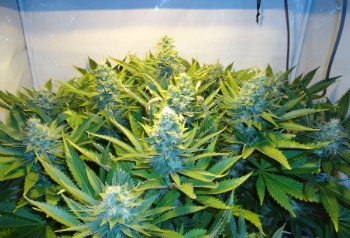
Maintaining microbial diversity (e.g., mycorrhizae, Trichoderma, Bacillus spp.) supports nutrient cycling and pathogen resistance.
IV. Nutrient and Fertigation Strategy
A tailored nutrient regimen supports optimal biomass, trichome production, and terpene biosynthesis of Skunk Diesel.
1. Macronutrients (N–P–K) Requirements
| Stage | Nitrogen (N) | Phosphorus (P) | Potassium (K) | Notes |
|---|---|---|---|---|
| Early Veg | High | Low | Medium | Leaf expansion, chlorophyll synthesis |
| Late Veg | Medium | Medium | High | Node development, preflower support |
| Early Flower | Low | High | High | Flower site formation, energy metabolism |
| Late Flower | Very Low | High | Very High | Resin production, terpene biosynthesis |
2. Micronutrient and Supplement Essentials
- Calcium + Magnesium (especially in coco systems)
- Silicon: Enhances cell wall integrity, trichome density
- Sulfur: Critical in terpene biosynthesis pathways
- Boron, Manganese, Zinc: Required for hormonal balance and flowering enzyme activation
3. Organic Additives and Biostimulants
- Molasses or carbohydrate supplements: Feed soil microbes
- Seaweed extracts: Supply plant hormones (cytokinins, gibberellins)
- Humic/Fulvic acids: Improve chelation and nutrient uptake
- Microbial inoculants: Promote nutrient availability and pathogen suppression
V. Plant Training and Canopy Management
1. Low Stress Training (LST)
- Gently bend and tie down Skunk Diesel branches to create an even canopy
- Increases bud site exposure and reduces apical dominance
2. Topping and FIMing
- Promote multiple colas of Skunk Diesel instead of a dominant central one
- Should be performed during early to mid-vegetative stage
3. SCROG (Screen of Green)
- Highly effective for indoor grows; supports even canopy and dense bud development
- Supports heavy colas and maintains spacing for airflow
4. Defoliation and Lollipopping
- Remove lower leaves and shaded interior growth to:
- Reduce humidity and mold risk
- Improve light penetration and bud development
- Avoid over-defoliating late in flower, which can stress the plant
VI. Flowering and Ripening Management
1. Flowering Duration
- 8–10 weeks, depending on phenotype and desired chemical profile
- Some phenotypes may lean toward 11 weeks for maximum resin maturity
2. Ripening Techniques
- Cold night temps (15–17°C) in final 10 days encourage anthocyanin and terpene accumulation
- Reduce humidity to 35–45% to prevent mold and concentrate resin
- Stop feeding ~10–14 days before harvest and flush with clean, pH-adjusted water
3. Harvest Readiness Indicators
- Trichome maturity:
- Cloudy = peak THC
- Amber = onset of CBN; more sedative
- Pistil coloration: ~75–85% browning and curling in
- Aroma: Fully matured plants have strong, pungent, fuel-skunk profiles
VII. Post-Harvest Protocol for Potency and Flavor
1. Drying Phase
- Temp: 18–21°C
- RH: 50–60%
- Duration: 10–14 days
- Keep in a dark, well-ventilated space; avoid direct fans on buds
2. Curing Phase
- Use glass jars with 58–62% RH packs
- “Burp” jars daily for 1–2 weeks, then weekly
- Cure for a minimum of 4 weeks (ideal: 6–8 weeks)
VIII. Disease and Pest Resistance Management
Skunk Diesel can be vulnerable to bud rot and mildew due to its tight flower structure. Preventive measures are essential.
1. Common Risks
- Botrytis cinerea (bud rot): High humidity, poor airflow
- Powdery mildew: Especially in late flower if RH > 55%
- Spider mites, thrips, fungus gnats: Common in indoor setups
2. Preventive Protocols
- Maintain optimal VPD
- Regularly inspect undersides of leaves
- Use biological controls:
- Neem, Spinosad, BTi (early veg)
- Beneficial insects: predatory mites, ladybugs
- Companion planting outdoors (e.g., basil, marigold)
IX. Strain-Specific Optimization Tips
| Goal | Technique |
|---|---|
| Maximize THC | UVB light + late harvest at peak cloudy trichomes |
| Boost Limonene & Myrcene | Cold night temps in final week |
| Enhance flavor and aroma | Slow cure + low drying temps |
| Maximize yield indoors | SCROG + CO₂ enrichment + high PPFD |
| Avoid mold in large colas | Aggressive defoliation + low RH late flower |
Side Effects and Safety Considerations
A. Common Side Effects
- Dry mouth and eyes
- Dizziness or orthostatic hypotension
- Short-term memory impairment
- Anxiety or paranoia (typically at higher doses or in THC-sensitive individuals)
B. Contraindications
- History of psychosis or schizophrenia
- Cardiovascular conditions (due to transient vasodilation and heart rate elevation)
- Pregnancy and breastfeeding (lack of safety data)
C. Drug Interactions
- CBD may inhibit CYP450 enzymes, affecting metabolism of drugs like warfarin, SSRIs, and anti-epileptics
- THC can enhance CNS depressant effects when combined with alcohol or benzodiazepines
D. Tolerance and Dependence
- Tolerance of Skunk Diesel develops with prolonged daily use (especially to THC)
- Risk of cannabis use disorder increases with early-onset, high-frequency use
- Tolerance breaks (48–72 hours) restore receptor sensitivity
E. Dosing Strategy
| Use Case | THC Dose | Notes |
|---|---|---|
| Microdosing | 1–3 mg | For anxiety, mood support |
| Pain relief | 5–10 mg | Combine with CBD for synergy |
| Appetite/sleep | 10–20 mg | Stronger effects; use with caution |
| Daytime function | <7 mg | Avoid sedation or paranoia |
Start low, go slow, and track symptom responses over time.
Conclusion
Skunk Diesel stands as a robust, multi-functional cannabis strain with a well-balanced chemical composition that supports a wide range of medical applications and functional recreational use. Its cannabinoid and terpene profile allows it to modulate numerous biological systems, making it particularly useful for:
- Chronic pain and inflammation
- Anxiety, depression, and stress
- Sleep and appetite disorders
- Neurodegenerative and neurological conditions
Its cultivation traits also make it suitable for experienced growers seeking high resin output and terpene complexity.
When used responsibly, Skunk Diesel offers both therapeutic value and enjoyable user experience, grounded in solid scientific principles of cannabinoid pharmacology, neurotransmitter modulation, and plant biochemistry.
For a complete directory of cultivars, visit our Cannabis Strain Reviews.
