Table of Contents
Sister Glue, also known as GG1 or Glue Sister, is an indica-dominant hybrid that is closely related to the legendary Original Glue (GG4). This strain inherits the potency and resinous nature of its parent strain, making it greatly desired by consumers for medical and recreational purposes.
- Type: Indica-dominant Hybrid (approximately 80% indica, 20% sativa)
- Genetics: Derived from Sour Dubb x Chem’s Sister x Chocolate Diesel
- THC Content: 18%–28% (varies depending on growing conditions and phenotypes)
- CBD Content: Typically <1%
- Terpene Profile: Rich in myrcene, caryophyllene, limonene, pinene, and humulene
- Aroma & Flavor: Earthy, piney, diesel-like, with hints of citrus and spice
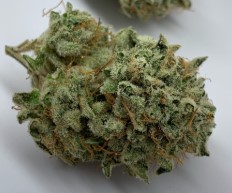
Sister Glue is known for its powerful sedative effects, making it an excellent choice for relaxation and pain relief. It has a thick trichome coating, giving it a frosty appearance similar to its famous relative, GG4 (Original Glue).
Genetic Lineage and Scientific Background
Sister Glue is part of the Gorilla Glue family, a group of strains known for their exceptionally high resin production and potent effects.
Parent Strains:
- Sour Dubb – A hybrid known for its citrusy, sour, and diesel-like aroma. It contributes uplifting cerebral effects and mild relaxation.
- Chem’s Sister – A potent sativa-leaning strain from the Chemdawg lineage, known for its sharp diesel aroma, high THC content, and energizing properties.
- Chocolate Diesel – This strain combines the diesel-fueled intensity of Sour Diesel with a sweet, chocolatey undertone, bringing a complex flavor profile to Sister Glue.
Scientific Classification:
- Cannabis Type: Hybrid
- Cannabinoid Content: Primarily high in THC, with minimal CBD or CBG.
- Terpene Composition: Dominated by myrcene, caryophyllene, limonene, and pinene, giving it a mix of sedative, anti-inflammatory, and uplifting effects.
Cannabinoid & Terpene Profile
Cannabinoid Breakdown:
| Cannabinoid | Average Percentage | Effects |
|---|---|---|
| THC | 18%–28% | Strong psychoactive effects, pain relief, euphoria |
| CBD | <1% | Minimal, but may provide mild anti-inflammatory benefits |
| CBG | ~1% | Neuroprotective and anti-inflammatory |
| CBC | 0.5% | Mood-enhancing, anti-depressant properties |
Terpene Profile & Effects:
| Terpene | Percentage | Effects & Benefits | Aroma & Flavor |
|---|---|---|---|
| Myrcene | High | Sedative, muscle relaxant, anti-inflammatory | Earthy, musky, herbal |
| Caryophyllene | Medium-High | Anti-inflammatory, pain relief, stress reduction | Spicy, peppery, woody |
| Limonene | Medium | Mood enhancer, anti-anxiety, antidepressant | Citrus, lemon, fruity |
| Pinene | Low-Medium | Anti-inflammatory, memory retention, bronchodilator | Pine, fresh, herbal |
| Humulene | Low | Appetite suppressant, anti-inflammatory | Earthy, woody, spicy |
The combination of myrcene and caryophyllene makes Sister Glue particularly effective for pain relief, stress reduction, and sedation.
Medical Uses of Sister Glue
Sister Glue is a highly therapeutic strain due to its potent THC levels and terpene synergy. Its indica-dominant nature makes it a preferred choice for chronic pain, stress, anxiety, and insomnia.
Primary Medical Applications:

1. Pain Relief & Inflammation
- The high THC content (up to 28%) provides powerful analgesic (pain-relieving) effects.
- Best for: Chronic pain, arthritis, fibromyalgia, migraines, muscle spasms.
- Mechanism: THC and caryophyllene interact with the CB1 and CB2 receptors, reducing inflammation and pain perception.
2. Anxiety, Depression & Stress Management
- The limonene and myrcene combination helps to elevate mood while providing relaxation.
- Best for: Generalized Anxiety Disorder (GAD), depression, PTSD, stress-related disorders.
- Mechanism: THC interacts with the endocannabinoid system, influencing serotonin levels to regulate mood.
3. Insomnia & Sleep Disorders
- Myrcene, a powerful sedative terpene, helps promote deep relaxation and sleep.
- Best for: Chronic insomnia, restless leg syndrome, night terrors.
- Mechanism: THC and myrcene prolong deep sleep (slow-wave sleep), reducing nighttime awakenings.
4. Appetite Stimulation & Nausea Relief
- Useful for patients undergoing chemotherapy or suffering from appetite loss disorders (e.g., cachexia, HIV/AIDS).
- Mechanism: THC binds to CB1 receptors, enhancing hunger signals and reducing nausea.
5. Neurological Benefits (Multiple Sclerosis, Epilepsy, Parkinson’s)
- The anti-inflammatory and neuroprotective properties of CBG and THC may help with muscle control and neurodegenerative disorders.
- Best for: Multiple sclerosis (MS), Parkinson’s, epilepsy, neuropathy.
Recreational Uses of Sister Glue

1. Euphoria & Relaxation
- Sister Glue delivers an initial uplifting cerebral high, followed by deep physical relaxation.
- Best for: Unwinding after work, relaxation, meditation, or creative activities.
2. Social Enhancement
- Provides a sense of happiness and talkativeness in moderate doses.
- Best for: Casual socializing, music appreciation, and light outdoor activities.
3. Couch-Lock & Sedation (Higher Doses)
- Due to its high myrcene content, Sister Glue can cause couch-lock in large amounts.
- Best for: Movie nights, relaxation before bed, or deep meditation.
Ingestion Methods and Bioavailability
Bioavailability refers to the percentage of THC that enters systemic circulation and produces effects. Each ingestion method affects THC absorption differently due to factors like digestive metabolism, pulmonary absorption, and the blood-brain barrier.
| Ingestion Method | Onset Time | Peak Effects | Duration | Bioavailability (%) |
|---|---|---|---|---|
| Inhalation (Smoking/Vaping) | 1–5 minutes | 30–60 minutes | 2–4 hours | 25–50% |
| Sublingual (Tinctures, Sprays) | 15–30 minutes | 45–90 minutes | 4–6 hours | 40–70% |
| Oral (Edibles, Capsules) | 30–90 minutes | 2–3 hours | 6–12 hours | 4–20% |
| Topical (Creams, Lotions) | N/A (No high) | Localized effect | Varies | Minimal systemic absorption |
| Rectal (Suppositories) | 15–45 minutes | 60–90 minutes | 6–8 hours | 50–70% |
Inhalation Methods (Smoking & Vaping)
Mechanism: THC enters the bloodstream via alveolar absorption in the lungs, reaching the brain within minutes.
A. Smoking (Combustion)
- Method: Rolled joints, pipes, bongs
- Pros: Fast onset, high bioavailability (~30%)
- Cons: Heat destroys some cannabinoids and terpenes (~20% THC loss)
- Onset: 1–3 minutes
- Duration: 2–4 hours
B. Vaping (Convection/Conduction Heating)
- Method: Dry herb vaporizers, THC concentrates (carts, dabs)
- Pros: Higher THC preservation, less lung irritation, more efficient than smoking
- Cons: Requires a vaporizer, may lead to higher tolerance build-up
- Onset: 1–3 minutes
- Duration: 2–4 hours
- Efficiency: Vaporized THC has ~50% bioavailability, versus ~30% in smoking
Scientific Insight:
- Vaping at 350–400°F (176–204°C) preserves terpenes and cannabinoids better than smoking.
- THC enters the bloodstream within seconds, peaking at 30–60 minutes, then tapering off.
3. Oral Consumption (Edibles & Capsules)
Mechanism:
- THC is metabolized by the liver via first-pass metabolism, converting Δ9-THC into 11-hydroxy-THC (11-OH-THC), a more psychoactive compound.
- Slower onset but prolonged and stronger effects.
A. Edibles (Gummies, Baked Goods, Chocolates)
- Onset: 30–90 minutes
- Peak Effects: 2–3 hours
- Duration: 6–12 hours
- Bioavailability: 4–20% (lower due to liver metabolism)
- Pros: Long-lasting effects, powerful body high
- Cons: Delayed onset, harder to dose, risk of overconsumption
B. Capsules & THC Pills
- Similar onset/duration as edibles but better consistency in dosing.
- Encapsulation with fats (MCT oil, lecithin) enhances absorption.
- Best for medical patients needing sustained pain relief or sleep aid.
Scientific Insight:
- 11-OH-THC is five times more potent than Δ9-THC, explaining the intense, long-lasting high of edibles.
- Fats enhance THC absorption, so taking edibles with a high-fat meal increases bioavailability.
4. Sublingual Administration (Tinctures & Sprays)
Mechanism:
- Absorbed via oral mucosa (under the tongue), bypassing first-pass metabolism.
- Higher bioavailability than edibles.
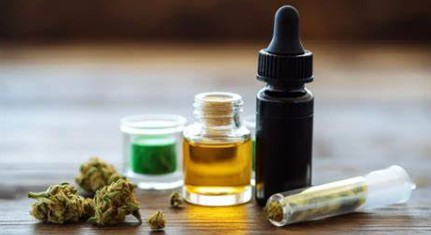
A. Tinctures (Alcohol or Oil-Based)
- Onset: 15–30 minutes
- Peak Effects: 45–90 minutes
- Duration: 4–6 hours
- Bioavailability: 40–70%
- Pros: Fast onset, precise dosing, higher efficiency than edibles
- Cons: Bitter taste (alcohol-based tinctures), requires holding under tongue
B. Sublingual Sprays
- Similar absorption as tinctures, good for rapid relief of anxiety or pain.
Scientific Insight:
- Sublingual THC enters the bloodstream directly via capillaries, avoiding liver metabolism.
- Tinctures made with MCT oil improve THC solubility and absorption.
5. Topical Application (Creams, Balms, Transdermal Patches)
Mechanism:
- THC binds to CB2 receptors in the skin and muscles, providing localized relief without a high.
A. Topicals (Creams, Balms, Lotions)
- Onset: 10–20 minutes
- Duration: 2–6 hours
- Absorption: Minimal systemic THC absorption (no psychoactive effects)
- Best for: Localized pain, arthritis, inflammation, skin conditions
B. Transdermal Patches
- Onset: 15–30 minutes
- Duration: 8–12 hours
- Bioavailability: ~50% (slow-release into bloodstream)
- Best for: Chronic pain, muscle tension, or long-term relief.
Scientific Insight:
- Regular THC creams do not cross the blood-brain barrier.
- Transdermal patches contain penetration enhancers, allowing THC to enter the bloodstream.
6. Rectal Administration (Suppositories)
Mechanism:
- Avoids first-pass liver metabolism, providing rapid absorption and strong effects.
- High bioavailability (50–70%), preferred for patients with nausea, GI issues, or those unable to ingest THC.
- Onset: 15–45 minutes
- Peak Effects: 60–90 minutes
- Duration: 6–8 hours
- Best for: Severe pain, nausea, Crohn’s disease, cancer patients.
Scientific Insight:
- THC absorbed rectally does not convert into 11-OH-THC, leading to a less psychoactive experience but stronger body relief.
Final Comparison of Onset, Duration, and Potency
| Method | Fastest Onset | Longest Duration | Most Potent |
|---|---|---|---|
| Smoking/Vaping | Yes (1–3 min) | No (2–4 hrs) | Moderate |
| Edibles | No (30–90 min) | Yes (6–12 hrs) | Most intense high |
| Sublingual | Yes (15–30 min) | No (4–6 hrs) | High |
| Topical | No (No high) | Yes (Long relief) | N/A |
| Rectal | Yes (15–45 min) | Yes (6–8 hrs) | Strong body effects |
Would you like more details on dosing recommendations or THC metabolism factors?
Potential Side Effects & Risks
Common Side Effects:
- Dry mouth (cottonmouth)
- Dry/red eyes
- Dizziness or slight paranoia (especially in high doses)
- Sedation & couch-lock
Who Should Avoid It?
- Individuals prone to anxiety or paranoia (due to high THC).
- Beginners or low-tolerance users should start with small doses.
- People sensitive to sedatives may experience excessive drowsiness.
Growing Information
Cultivating Sister Glue (GG1) requires a strategic approach due to its high resin production, dense bud structure, and sensitivity to environmental factors. Below is a scientific breakdown of its cultivation methods, focusing on optimal growing conditions, training techniques, nutrient needs, pest control, and environmental stress management.
1. Understanding Sister Glue’s Growth Characteristics
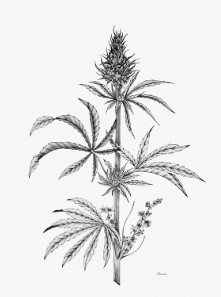
- Growth Type: Indica-dominant hybrid
- Plant Structure: Bushy, short to medium height (~3–5 feet indoors, 5–7 feet outdoors)
- Flowering Time: 8–9 weeks (56–63 days)
- Yield Potential: Moderate to High (~500g/m² indoors, 600g/plant outdoors)
- Resin Production: Extremely high (ideal for extracts/concentrates)
- Climate Preference: Warm, dry conditions (70–80°F / 21–27°C, RH 40–50%)
Sister Glue thrives indoors and outdoors, but requires humidity control to prevent bud rot and mold due to its dense colas and thick resin production.
2. Environmental Conditions for Optimal Growth
A. Temperature & Humidity Control
Maintaining stable environmental conditions is crucial for THC potency, terpene retention, and bud density.
| Growth Stage | Temperature (Day/Night) | Relative Humidity (RH%) |
|---|---|---|
| Seedling Stage | 72–78°F (22–26°C) | 65–70% |
| Vegetative Stage | 70–80°F (21–27°C) | 50–60% |
| Early Flowering | 68–78°F (20–26°C) | 45–50% |
| Late Flowering | 65–75°F (18–24°C) | 35–45% |
B. Light Requirements
- Indoor Lighting: 600W–1000W HPS, MH, or Full-Spectrum LEDs
- Light Cycle: 18/6 (veg) → 12/12 (flowering)
- Optimal PPFD (Photosynthetic Photon Flux Density): 600–900 μmol/m²/s
- DLI (Daily Light Integral): 40–50 mol/m²/day
Higher PPFD values and increased DLI enhance bud development and THC production, making LED lights ideal due to their ability to provide intense full-spectrum light with reduced heat output.
3. Nutrient & pH Management
A. Nutrient Schedule for Sister Glue
Cannabis plants require different nutrient ratios throughout their life cycle. The correct balance of macronutrients (N-P-K) and micronutrients is essential.
| Growth Stage | N-P-K Ratio | Key Nutrients |
|---|---|---|
| Seedling | 2-1-2 | Calcium, Magnesium |
| Veg (Week 1-4) | 3-1-2 | Nitrogen (N), Magnesium (Mg) |
| Pre-Flower (Week 5-6) | 2-2-3 | Phosphorus (P), Potassium (K) |
| Flowering (Week 7-9) | 1-3-4 | High P & K, low N |
| Late Flowering (Flush Week 10+) | 0-1-2 | Reduce nutrients, increase flushing |
- Best pH Range:
- Hydroponics: 5.5–6.0
- Soil: 6.0–6.5
- Essential Micronutrients:
- Calcium (Ca): Prevents bud rot & boosts cell wall integrity
- Magnesium (Mg): Enhances chlorophyll production
- Sulfur (S): Increases terpene production
4. Advanced Cultivation Techniques for Sister Glue
A. Low-Stress Training (LST)
- Why? Increases light penetration and airflow, reducing mold risk.
- How? Bend the branches gently using soft ties to create an even canopy.
B. High-Stress Training (HST)
- Topping:
- When? Week 3–4 of veg
- Why? Encourages bushy lateral growth, increasing bud sites.
- Supercropping:
- Bending main stems slightly to strengthen branches and improve yield.
C. Defoliation (Selective Leaf Removal)
- Why? Removes unnecessary foliage to enhance airflow & light penetration.
- Best Time? During early flowering (Week 2-3) to reduce humidity buildup.
D. SCROG (Screen of Green)
- How? Use a net or trellis to spread out branches horizontally.
- Why? Maximizes light exposure for uniform bud development.
5. Hydroponic vs. Soil Cultivation for Sister Glue
| Factor | Hydroponics | Soil |
|---|---|---|
| Growth Speed | Faster | Slower |
| THC Potency | Slightly higher | Moderate |
| Yield Potential | Higher | Moderate |
| Flavor Profile | Less terpene complexity | Richer terpenes |
| Difficulty Level | Advanced | Beginner-Friendly |
- Hydroponics: Best for controlled THC enhancement, faster growth, and higher yields.
- Soil: Ideal for terpene-rich, flavorful buds, with a more natural growth process.
6. Preventing Common Growing Issues in Sister Glue
A. Pest Control
- Most Common Pests: Spider mites, thrips, aphids, fungus gnats
- Organic Solutions:
- Neem oil (Preventative)
- Beneficial insects (Ladybugs, predatory mites)
- Diatomaceous earth (Prevents soil-borne pests)
B. Disease Prevention
- Risk Factors: Bud rot (Botrytis), powdery mildew, root rot
- Prevention:
- Good Airflow: Use oscillating fans & exhaust systems.
- Humidity Control: Keep RH below 50% in flowering.
- Proper Spacing: Avoid overcrowding plants.
C. Nutrient Deficiencies & Solutions
| Deficiency | Symptoms | Solution |
|---|---|---|
| Nitrogen (N) | Yellowing leaves | Increase N-rich nutrients in veg |
| Phosphorus (P) | Slow bud growth | Increase bloom booster |
| Potassium (K) | Brown leaf tips | Add potassium-rich fertilizers |
| Calcium (Ca) | Weak stems, bud rot | Use Cal-Mag supplements |
| Magnesium (Mg) | Yellowing between veins | Epsom salt foliar spray |
7. Curing and Harvesting for Optimal Potency
A. When to Harvest Sister Glue?
- Trichome Check:
- Clear trichomes = too early
- Milky white trichomes = peak THC levels
- Amber trichomes = higher CBN, relaxing effects
B. Harvesting Process
- Flush plants for 10–14 days before harvest (Use pH-balanced water).
- Cut branches & trim fan leaves (Wet trimming preferred).
- Drying: Hang buds in 60–70°F (15–21°C), 50% RH for 7–10 days.
- Curing:
- Store buds in glass jars at 62% RH.
- Burp jars daily for the first 2 weeks to release moisture.
Final Thoughts on Growing Sister Glue (GG1)
Easy to grow for intermediate growers
High-yielding & THC-rich (up to 28%)
Thrives in SCROG, LST, & hydroponic setups
Resin-heavy strain ideal for concentrates
Is Sister Glue Right for You?
Ideal for:
Chronic pain sufferers
People with anxiety, stress, or insomnia
Users seeking a potent, long-lasting high
Evening and nighttime relaxation
Not ideal for:
New users sensitive to THC
Daytime use (causes sedation in higher doses)
Those prone to paranoia with high-THC strains
Sister Glue is a powerhouse indica-dominant hybrid that offers intense relaxation, pain relief, and mental euphoria. Whether you’re a medical patient seeking relief or a recreational user looking for a strong, sticky strain, Sister Glue is an excellent choice.
For a complete directory of cultivars, visit our Cannabis Strain Reviews.
