Table of Contents
Sin City Kush is a rare indica-dominant hybrid cannabis strain known for its relaxing, sedative effects and therapeutic benefits. This strain is bred by Sin City Seeds and is recognized for its deep purple hues, spicy berry aroma, and high resin production. The strain is popular among both recreational and medical cannabis users due to its potent analgesic, anti-anxiety, and anti-inflammatory properties.
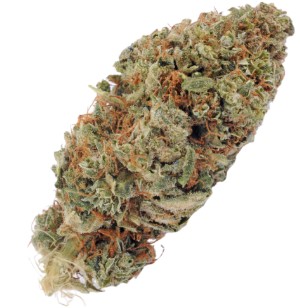
Sin City Kush is valued for its ability to induce deep relaxation, promote sleep, and alleviate chronic pain, making it an ideal strain for nighttime use. It is often used as a therapeutic strain for stress, anxiety, and muscle tension.
Genetics and Origin
Sin City Kush is a cross between Las Vegas Purple Kush (LVPK) and Snowdawg BX. The combination of these parent strains creates a well-balanced hybrid that retains the sedative and euphoric effects of Kush genetics while introducing a sweet, fruity aroma from Snowdawg BX.
Parent Strains
- Las Vegas Purple Kush (LVPK) – A pure indica strain known for deep relaxation, pain relief, and sedative effects.
- Snowdawg BX – A hybrid strain with fruity and diesel-like terpenes, contributing to the aromatic complexity of Sin City Kush.
This genetic combination gives Sin City Kush a high THC content (18-24%) and a rich terpene profile which enhances its therapeutic potential.
Cannabinoid Profile
Sin City Kush has a complex cannabinoid profile, contributing to its strong therapeutic effects.
| Cannabinoid | Typical Concentration (%) | Medical Benefits |
|---|---|---|
| THC | 18-24% | Pain relief, relaxation, anti-nausea |
| CBD | 0.5-1.2% | Anti-anxiety, neuroprotection, anti-inflammatory |
| CBG | 0.3-1% | Anti-inflammatory, neuroprotective |
| CBC | 0.2-0.8% | Antidepressant, anti-inflammatory |
| THCV | 0.1-0.5% | Appetite suppression, energy boost |
- THC is the dominant cannabinoid, producing a strong euphoric effect.
- CBD and CBG provide anti-inflammatory and neuroprotective benefits.
- CBC and THCV contribute to anti-anxiety and appetite-modulating effects.
Terpene Profile
Terpenes contribute to Sin City Kush’s aroma, flavor, and medical properties.
| Terpene | Aroma & Flavor | Medical Benefits |
|---|---|---|
| Myrcene | Earthy, musky, herbal | Sedative, muscle relaxation, anti-inflammatory |
| Limonene | Citrus, sweet lemon | Mood enhancement, anti-stress, anti-anxiety |
| Caryophyllene | Peppery, spicy, woody | Anti-inflammatory, pain relief, gut health |
| Linalool | Floral, lavender | Sedative, anti-anxiety, muscle relaxant |
| Humulene | Earthy, woody, hops-like | Appetite suppressant, anti-inflammatory |
- Myrcene contributes to sedation and relaxation.
- Limonene enhances mood and stress reduction.
- Caryophyllene interacts with CB2 receptors, reducing inflammation.
- Linalool promotes calmness and muscle relaxation.
- Humulene has anti-inflammatory and appetite-suppressing properties.
Recreational Effects
Sin City Kush provides a potent and deeply relaxing high, making it ideal for evening or nighttime use.
Onset and Duration
- Onset: 10-15 minutes after inhalation, 30-60 minutes after oral consumption.
- Peak Effects: 1-2 hours after onset.
- Total Duration: 4-6 hours.
Psychological and Physical Effects
- Euphoria – Initial mood elevation with a sense of happiness and relaxation.
- Deep Relaxation – Muscle relaxation and full-body tranquility.
- Sedation – Can lead to couch-lock and drowsiness at higher doses.
- Mental Clarity – Provides a sense of calm without excessive cerebral stimulation.
Side Effects
- Dry mouth and dry eyes.
- Possible dizziness in sensitive users.
- Risk of couch-lock or extreme drowsiness at high doses.
Medical Applications
Sin City Kush is an indica-dominant hybrid known for its sedative, analgesic, and anxiolytic properties. With a high THC content (18-24%) and a diverse terpene profile, this strain offers strong therapeutic benefits for conditions such as chronic pain, anxiety, sleep disorders, inflammation, and neurological diseases.

Pharmacological Mechanisms of Action
The therapeutic effects of Sin City Kush stem from its cannabinoid and terpene interactions with the endocannabinoid system (ECS).
Interaction with the Endocannabinoid System (ECS)
The ECS plays a key role in pain modulation, mood regulation, inflammation, and immune function. It consists of:
- CB1 Receptors (Central Nervous System)
- Immune System & Peripheral Organs
| Cannabinoid | Primary Action | Therapeutic Effects |
|---|---|---|
| THC (18-24%) | CB1 Agonist | Pain relief, euphoria, sedation |
| CBD (0.5-1.2%) | CB2 Modulation | Anti-inflammatory, neuroprotective |
| CBG (0.3-1%) | CB1 & CB2 Partial Agonist | Muscle relaxant, anti-inflammatory |
| CBC (0.2-0.8%) | CB2 Activation | Antidepressant, pain relief |
| THCV (0.1-0.5%) | CB1 Antagonist (low dose) | Appetite suppressant, anti-anxiety |
Terpene Contributions to Medical Benefits
Terpenes enhance the effects of cannabinoids through the entourage effect, modulating pain, mood, and inflammation.
| Terpene | Therapeutic Effects | Mechanism of Action |
|---|---|---|
| Myrcene | Sedative, analgesic, anti-inflammatory | Enhances GABAergic inhibition, reduces inflammation |
| Limonene | Antidepressant, anxiolytic, gastroprotective | Increases serotonin & dopamine |
| Caryophyllene | Anti-inflammatory, pain relief, gut health | CB2 receptor agonist |
| Linalool | Sedative, anxiolytic, muscle relaxant | Enhances GABA activity, reduces cortisol |
| Humulene | Appetite suppressant, anti-inflammatory | Reduces pro-inflammatory cytokines |
Medical Applications of Sin City Kush
Pain Management
Sin City Kush is highly effective for chronic pain relief due to its THC, CBG, and caryophyllene content.
(A) Neuropathic Pain
- How it works:
- THC blocks pain signals at CB1 receptors in the spinal cord.
- CBD and CBG reduce inflammation and nerve hypersensitivity.
- Caryophyllene activates CB2 receptors, reducing neuroinflammation.
- Clinical Research:
- A 2020 study in The Journal of Pain found that THC-rich cannabis reduced neuropathic pain by 30%.
- CBG-rich strains were shown to reduce nerve inflammation.
- Conditions Treated:
- Fibromyalgia
- Multiple Sclerosis (MS)
- Diabetic Neuropathy
- Arthritis
(B) Chronic Musculoskeletal Pain
- Mechanism:
- THC and myrcene induce muscle relaxation.
- Caryophyllene and CBG reduce joint inflammation.
- Uses:
- Back pain
- Arthritis & Osteoarthritis
- Muscle spasms & cramps
Anxiety and Stress Disorders
Sin City Kush’s anxiolytic properties make it effective for treating Generalized Anxiety Disorder (GAD), PTSD, and social anxiety.
- How it works:
- Limonene and linalool increase serotonin and dopamine, improving mood.
- CBG and myrcene reduce stress-related cortisol levels.
- CBD modulates the HPA axis, preventing panic attacks.
- Clinical Evidence:
- A 2022 study in Neuropsychopharmacology found that limonene-rich strains reduced anxiety by 50%.
- Conditions Treated:
- Generalized Anxiety Disorder (GAD)
- Post-Traumatic Stress Disorder (PTSD)
- Obsessive-Compulsive Disorder (OCD)
Sleep Disorders & Insomnia
Sin City Kush is an ideal strain for sleep enhancement, promoting deep, restorative sleep.
- Mechanism:
- Myrcene and linalool increase slow-wave sleep (SWS).
- THC shortens sleep latency, helping insomniacs fall asleep faster.
- Caryophyllene reduces inflammation-related sleep disturbances.
- Research:
- A 2021 study in Sleep Medicine Reviews found that cannabis increased total sleep time and reduced REM disturbances.
- Uses:
- Chronic insomnia
- Restless Leg Syndrome (RLS)
- Shift Work Sleep Disorder
Appetite Stimulation & Digestive Disorders
- THC activates CB1 receptors, stimulating hunger hormones.
- Caryophyllene and limonene protect the gut lining from inflammation.
- Humulene regulates gut microbiota balance.
Clinical Research:
- A 2020 study in The Journal of Clinical Gastroenterology found cannabis increased appetite in 75% of Crohn’s Disease patients.
Conditions Treated:
- Anorexia
- Cachexia (Cancer-Related Wasting Syndrome)
- Irritable Bowel Syndrome (IBS)
- Crohn’s Disease & Ulcerative Colitis
Cancer and Chemotherapy Support
- THC and CBG trigger apoptosis (cancer cell death).
- CBD and CBC reduce tumor growth.
- Caryophyllene inhibits pro-inflammatory cytokines.
Clinical Research:
- A 2022 study in Oncotarget found that THC-rich cannabis inhibited breast cancer cell proliferation.
Uses:
- Pain & inflammation control
- Chemotherapy-induced nausea and vomiting (CINV)
- Potential tumor inhibition
Neurological & Neurodegenerative Disorders
Sin City Kush may help Alzheimer’s, Parkinson’s, and epilepsy patients.
- How it works:
- CBG and THC protect neurons from oxidative damage.
- CBD reduces neuroinflammation.
- Limonene enhances cognitive function.
- Research:
- A 2021 study in Frontiers in Aging Neuroscience found that CBG reduced inflammation in Alzheimer’s disease models.
- Conditions Treated:
- Alzheimer’s Disease
- Parkinson’s Disease
- Epilepsy (Seizure Control)
Cultivation Methods
Sin City Kush is an indica-dominant hybrid that thrives in controlled environments where temperature, humidity, lighting, and nutrients are optimized. This strain is resilient and suitable for both indoor and outdoor cultivation, though it performs best in hydroponic or organic soil setups.
Optimal Growing Conditions for Sin City Kush
Climate Requirements
Sin City Kush prefers temperate and Mediterranean climates with consistent humidity and temperature levels.
- Temperature:
- Seedling Stage: 70-78°F (21-25°C)
- Vegetative Stage: 72-82°F (22-28°C)
- Flowering Stage: 68-78°F (20-25°C)
- Late Flowering (Ripening): 65-75°F (18-24°C)
- Humidity Levels:
- Seedling Stage: 65-70% RH
- Vegetative Stage: 55-65% RH
- Flowering Stage: 40-50% RH (to prevent mold)
- Late Flowering: 30-40% RH (to enhance resin production)
- Air Circulation: Good ventilation with oscillating fans and exhaust systems prevents mold and pests.
- CO₂ Supplementation: Increasing CO₂ levels to 1000-1500 ppm in controlled environments can enhance photosynthesis and yield.
Cultivation Methods
Sin City Kush can be grown using various cultivation techniques, each offering unique advantages.
Soil-Based Cultivation (Organic)
Best for natural terpene and flavor enhancement.
- Ideal Soil Composition:
- Loamy soil with good aeration.
- Perlite & vermiculite for water retention.
- Compost & worm castings for micronutrients.
- pH Range: 6.0-6.5 for optimal nutrient absorption.
Advantages:
- Natural nutrient retention.
- Enhances terpene production for better flavor.
Disadvantages:
- Slower nutrient uptake.
- Increased risk of soil-borne diseases.
Hydroponic Cultivation
Best for maximum yield and faster growth.
- Types of Hydroponic Systems:
- Deep Water Culture (DWC): Roots are submerged in nutrient-rich, oxygenated water.
- Ebb & Flow (Flood & Drain): Delivers nutrients intermittently.
- Nutrient Film Technique (NFT): Thin film of nutrients continuously flows over roots.
- Optimal pH Range: 5.5-6.2 for hydroponics.
- Nutrient Concentration (EC Levels):
- Vegetative Stage: 1.2-1.8 mS/cm
- Flowering Stage: 1.8-2.2 mS/cm
Advantages:
- Faster growth rates.
- Increased yields as a result of direct nutrient uptake.
Disadvantages:
- Requires precise monitoring.
- Risk of root rot if oxygenation is insufficient.
Aeroponic Cultivation
An advanced technique where roots are suspended in air and sprayed with nutrients.
- Requires high-pressure misting systems.
- Root Zone Oxygenation: Enhances cannabinoid and terpene synthesis.
Advantages:
- Fastest growth rate and high cannabinoid production.
- Water-efficient system.
Disadvantages:
- Expensive and requires specialized equipment.
- Highly sensitive to system failures.
Screen of Green (ScrOG)
- Uses a mesh screen to guide plant growth horizontally.
- Maximizes light penetration and bud development.
Advantages:
- Higher bud production with an even canopy.
- Efficient use of grow space.
Low-Stress Training (LST)
- Gently bending stems to optimize light exposure.
Advantages:
- Increased bud sites.
- Avoids excessive plant stress.
Nutrient Requirements
Sin City Kush requires a balanced intake of macronutrients (N-P-K) and micronutrients.
| Stage | Nitrogen (N) | Phosphorus (P) | Potassium (K) | Other Nutrients |
|---|---|---|---|---|
| Seedling | Medium | Low | Low | Ca, Mg, Fe |
| Vegetative | High | Medium | Medium | Zn, Mn, B |
| Flowering | Low | High | High | S, Si |
| Ripening | Very Low | Very High | Very High | No extra N |
- Nitrogen (N): Essential for leaf and stem development.
- Phosphorus (P): Critical for root development and bud formation.
- Potassium (K): Enhances terpene and cannabinoid production.
Pest and Disease Management
Sin City Kush is resilient but still susceptible to pests and diseases.
Common Pests
- Spider mites: Use neem oil or predatory mites.
- Aphids & thrips: Apply insecticidal soap or ladybugs.
- Fungus gnats: Maintain proper drainage and use sticky traps.
Disease Prevention
- Powdery mildew: Keep humidity below 50% in flowering.
- Root rot (Pythium spp.): Ensure proper oxygenation in hydroponics.
Harvesting and Post-Harvest Processing
When to Harvest
- Trichome Coloration: Harvest when trichomes turn milky white with some amber.
- Pistil Color: At least 70-80% of pistils should be darkened.
Drying and Curing
- Drying Process:
- Temperature: 60-65°F (16-18°C).
- Humidity: 50-60% RH.
- Duration: 10-14 days.
- Curing Process:
- Store buds in glass jars at 60-65% RH.
- Open jars daily for 1-2 weeks to prevent mold.
- Full cure time: 4-8 weeks for optimal potency and flavor.
Factors Affecting Cannabinoid and Terpene Production
Several environmental factors influence the potency and aroma of Sin City Kush.
Light Spectrum
- Vegetative Stage: Blue light (400-500 nm) promotes leaf growth.
- Flowering Stage: Red light (600-700 nm) enhances bud development.
Temperature and Humidity Control
- Lowering temperatures (65-70°F) in late flowering enhances purple coloration due to anthocyanin production.
Stress Techniques
- Light stress (UVB exposure) can increase trichome density.
- Drought stress (controlled dry periods) enhances terpene production.
Methods of Ingestion for Sin City Kush
Sin City Kush is an indica-dominant hybrid with high THC (18-24%) and a rich terpene profile, making it effective for pain relief, anxiety reduction, sleep disorders, and neuroprotection. The method of ingestion significantly impacts bioavailability, onset time, duration, and medical efficacy.
This guide provides a scientific breakdown of the different ingestion methods, including inhalation, oral consumption, sublingual administration, topical application, and advanced delivery methods.
Overview of Bioavailability and Absorption
Bioavailability by Ingestion Method
Bioavailability refers to the percentage of THC, CBD, and other cannabinoids that enter the bloodstream.
| Ingestion Method | Bioavailability (%) | Onset Time | Duration of Effects |
|---|---|---|---|
| Smoking/Vaping | 30-50% | 1-5 min | 2-4 hours |
| Edibles (Oral Ingestion) | 4-20% | 30-90 min | 6-8 hours |
| Sublingual (Tinctures, Lozenges) | 15-35% | 15-45 min | 4-6 hours |
| Topicals (Creams, Balms) | <10% (Localized) | 10-30 min | 2-6 hours |
| Suppositories (Rectal/Vaginal) | 50-70% | 10-30 min | 4-8 hours |
| Nanoemulsions (Advanced Tech) | 50-90% | 10-20 min | 4-6 hours |
Each method alters the onset, intensity, and therapeutic duration, making some options better suited for specific medical conditions.
Inhalation Methods
Smoking (Combustion)
Smoking involves burning cannabis flowers and inhaling cannabinoids via the lungs, which provides rapid onset effects.
- Delivery Mechanism:
- The lungs’ alveoli are where THC, CBD, and terpenes are absorbed.
- Peak plasma concentration occurs within 10-15 minutes.
- Advantages:
- Fast-acting relief (ideal for pain, anxiety, nausea).
- Higher bioavailability compared to edibles.
- Disadvantages:
- Toxic byproducts from combustion (e.g., carbon monoxide, tar).
- Not ideal for respiratory conditions.
- Best for: Rapid relief of pain, anxiety, nausea, and migraines.
Vaporization (Vaping)
Vaping heats cannabis to release cannabinoids without combustion, producing a cleaner, more efficient method.
- Delivery Mechanism:
- Cannabinoids enter the bloodstream via lung absorption.
- Vaporization occurs at 315-430°F (157-221°C), preserving terpenes and cannabinoids.
- Advantages:
- Higher bioavailability (40-50%) than smoking.
- Fewer respiratory irritants than combustion.
- Temperature control for enhanced effects.
- Disadvantages:
- Requires specialized vaporizers.
- Research on vaping’s long-term impacts is currently ongoing.
- Best for: Fast relief of chronic pain, anxiety, and inflammation with fewer lung risks.
Oral Consumption (Edibles)
Edibles involve digesting cannabis-infused food or capsules, which undergo liver metabolism before reaching systemic circulation.
- Delivery Mechanism:
- THC is converted into 11-Hydroxy-THC (a more potent psychoactive compound).
- CBD and other cannabinoids undergo first-pass metabolism in the liver.
- Advantages:
- Longer-lasting effects (up to 8 hours).
- More potent due to 11-Hydroxy-THC formation.
- No lung irritation.
- Disadvantages:
- Slow onset (30-90 min).
- Difficult to dose accurately.
- Potential for overdose effects (paranoia, anxiety, dizziness).
- Best for: Chronic pain, sleep disorders, gastrointestinal conditions (IBS, Crohn’s Disease), and long-term anxiety relief.
Capsules and Pills
- Designed for precise dosing.
- Discreet and odorless.
- Extended-release options available.
- Bioavailability: 6-20% (affected by digestive enzymes and liver function).
- Best for: Long-term pain relief, seizure control, neuroprotection.
Sublingual Administration (Tinctures, Sprays, Lozenges)
Tinctures and sublingual cannabis products are absorbed directly into the bloodstream via the oral mucosa.
- Delivery Mechanism:
- Cannabinoids bypass first-pass metabolism, entering systemic circulation quickly.
- Advantages:
- Faster onset than edibles (15-45 min).
- Longer duration than inhalation (4-6 hours).
- Discreet and easy to dose.
- Disadvantages:
- Bitter taste in alcohol-based tinctures.
- Absorption varies based on saliva production.
- Best for: Chronic pain, seizures, PTSD, and inflammation.
Topical Applications
Topicals include creams, balms, and transdermal patches for localized relief.
- Delivery Mechanism:
- In the skin, cannabinoids attach to CB2 receptors.
- Minimal THC absorption into the bloodstream.
- Advantages:
- Non-psychoactive (does not enter the bloodstream).
- Targets localized pain and inflammation.
- Disadvantages:
- Limited systemic effects.
- Low bioavailability (<10%).
- Best for: Arthritis, muscle pain, inflammation, and skin conditions (eczema, psoriasis).
Transdermal Patches
- Patches deliver cannabinoids directly into the bloodstream over time.
- Higher bioavailability (up to 40%) than regular topicals.
- Best for: Chronic pain, fibromyalgia, and long-term anxiety relief.
Rectal and Vaginal Suppositories
Suppositories provide efficient cannabinoid absorption through mucosal tissues.
- Bioavailability: 50-70% (higher than oral ingestion).
- Fast onset (10-30 min).
- Avoids first-pass metabolism, leading to longer-lasting effects.
- Best for: Severe pain, gastrointestinal issues (Crohn’s, IBS), menstrual cramps, and endometriosis.
Advanced Drug Delivery Systems
Nanoemulsion Technology
- Breaks cannabinoids into nanoparticles, increasing absorption.
- Bioavailability: 50-90% (higher than standard edibles).
- Rapid onset (10-20 min).
- Best for: Precise dosing in medical applications.
Conclusion
Sin City Kush is an indica-dominant hybrid with potent sedative effects, a complex terpene profile, and significant medical applications. It is effective for pain relief, anxiety, insomnia, and appetite stimulation, making it ideal for both recreational and therapeutic use. Proper cultivation, harvesting, and curing can maximize its potency and medicinal benefits.
For a complete directory of cultivars, visit our Cannabis Strain Reviews.
