Table of Contents
Silverfalls Kush is a hybrid cannabis strain known for its balanced effects, making it a well-liked option for both medical and recreational consumers. With an intriguing combination of relaxation and euphoria, this strain stands out for its unique terpene profile, moderate THC levels, and versatile therapeutic applications.
Silverfalls Kush exhibits robust genetics and resilience, making it particularly favorable for outdoor and indoor cultivation. Its ability to thrive in various growing conditions, combined with its complex aroma and flavor, has earned it a solid reputation among cannabis connoisseurs.
Genetic Background and Lineage
Silverfalls Kush is a 50/50 hybrid, meaning it contains equal parts indica and sativa genetics. This balance provides users with a harmonious mix of cerebral stimulation and full-body relaxation.
Although the precise lineage of Silverfalls Kush remains undisclosed, it is widely believed to be derived from OG Kush genetics, a foundational strain known for its earthy, piney aroma and potent effects. Many speculate that Silverfalls Kush could be a cross between Silver Haze and a Kush-dominant strain, giving it both uplifting and sedative properties.
Key Genetic Traits:
- Sativa Influence: Provides mental clarity, enhanced focus, and a gentle uplifting sensation.
- Indica Influence: Brings body relaxation, pain relief, and potential sedative effects.
Appearance, Aroma, and Flavor Profile
Appearance:
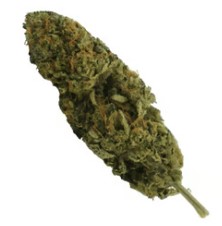
Silverfalls Kush has an eye-catching look, featuring dense, compact buds with deep forest green leaves and rust-colored pistils. A heavy coating of frosty white trichomes covers the buds, indicating a high concentration of cannabinoids and terpenes.
Aroma:
The strain has a fresh, earthy scent with a mix of fruity berry undertones and spicy herbal notes. Some users report hints of sweet citrus and pine, contributing to its dynamic fragrance.
Flavor:
When smoked or vaped, Silverfalls Kush delivers a smooth and flavorful experience:
- Inhalation: Sweet berry and citrus notes with subtle hints of spice.
- Exhalation: Earthy kush flavors with a lingering herbal finish.
- Aftertaste: A slightly minty and pine-like sensation remains on the palate.
Cannabinoid and Terpene Profile
Cannabinoid Content:
- THC: 12% – 18% (moderate potency)
- CBD: 0.3% – 1.2% (low but offers mild therapeutic effects)
- CBG: 0.2% – 0.5% (minor cannabinoid known for potential anti-inflammatory properties)
This THC range makes Silverfalls Kush suitable for both novice and experienced users, providing noticeable effects without being overwhelmingly potent.
Primary Terpenes:
Terpenes are responsible for the strain’s aroma, flavor, and therapeutic benefits. The dominant terpenes in Silverfalls Kush include:
- Linalool (Floral, Lavender): Offers calming, anti-anxiety, and anti-inflammatory properties.
- Camphene (Pine, Herbal): Known for its antioxidant and antifungal properties.
- Nerolidol (Citrus, Floral): Provides sedative effects, helping with relaxation and sleep.
- Limonene (Citrus, Lemon): Uplifts mood and has anti-stress properties.
These terpenes contribute to both the physical and mental effects of Silverfalls Kush, making it a versatile strain for medical and recreational use.
Recreational Uses and Effects
Silverfalls Kush provides an enjoyable and balanced high that caters to a wide range of users. Its hybrid nature ensures both cerebral and physical effects, making it an ideal strain for different occasions.

Primary Effects:
- Euphoria & Happiness – An initial wave of euphoria uplifts mood and encourages social interactions.
- Relaxation – As the high progresses, a calming effect spreads through the body, relieving tension.
- Creativity & Focus – The sativa influence allows for improved concentration and artistic inspiration.
- Giggly & Uplifted Sensation – Users report an increase in laughter and an overall lighthearted mood.
- Mild Sedation at Higher Doses – In larger amounts, the indica effects become more dominant, potentially leading to drowsiness and couch-lock.
Best Recreational Activities with Silverfalls Kush:
- Social Gatherings: Enhances mood, promotes laughter, and encourages conversation.
- Creative Pursuits: Perfect for artists, musicians, or writers seeking inspiration.
- Outdoor Activities: Ideal for light hiking, walks in nature, or a relaxed picnic.
- Evening Relaxation: A great strain to unwind after work without feeling overly sedated.
Medical Applications of Silverfalls Kush
Silverfalls Kush is widely sought after for its therapeutic benefits, addressing both mental and physical conditions. Its moderate THC levels allow for effective symptom management without excessive intoxication.
Conditions It May Help With:
Mental Health Benefits:
- Stress & Anxiety Relief – The combination of linalool and limonene in Silverfalls Kush creates a calming effect, reducing stress.
- Depression – Silverfalls Kush uplifting cerebral effects may combat negative thoughts and mood disorders.
- PTSD & OCD – The relaxing and slightly euphoric high may help alleviate intrusive thoughts.
Physical Health Benefits:
- Pain Relief – Effective for chronic pain, arthritis, and muscle tension due to its anti-inflammatory properties.
- Headaches & Migraines – Reduces tension and provides relief from moderate headaches.
- Menstrual Cramps – Its relaxing effects can ease muscle spasms and cramps.
- Appetite Stimulation – May help individuals struggling with loss of appetite.
- Sleep Aid – At higher doses, its sedative effects can help with insomnia.
How Medical Users Consume It:
- Vaporizing: A smooth and lung-friendly option for fast relief.
- Edibles: Provides longer-lasting effects, ideal for chronic pain and insomnia.
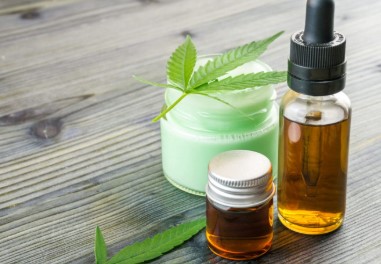
- Tinctures/Oils: Offers precise dosing for medical patients.
Methods of Ingestion
A. Inhalation (Smoking & Vaporization)
One of the most common methods, inhalation delivers cannabinoids in Silverfalls Kush rapidly into the bloodstream through the lungs.
1. Smoking (Combustion)
- Method: Burning cannabis and inhaling the smoke.
- Onset: 1 – 5 minutes (Fast absorption through alveoli).
- Peak Effects: 10 – 30 minutes.
- Duration: 2 – 4 hours.
- Bioavailability: ~30% (varies based on inhalation depth and lung retention).
- Effect Type: Rapid euphoria, followed by a gradual body relaxation.
- Drawbacks: Can produce harmful combustion byproducts (carbon monoxide, tar).
2. Vaporization (Vaping)
- Method: Heating cannabis below combustion temperature (175°C – 220°C) to release cannabinoids as vapor.
- Onset: 1 – 3 minutes.
- Peak Effects: 10 – 25 minutes.
- Duration: 2 – 4 hours.
- Bioavailability: ~50 – 60% (higher than smoking).
- Effect Type: Clean euphoria, enhanced flavor, and less lung irritation.
- Benefits: Avoids toxins from combustion, preserves terpenes.
Temperature Effects on Cannabinoid & Terpene Activation
| Compound | Boiling Point (°C) | Effects |
|---|---|---|
| THC | 157°C | Euphoria, relaxation |
| CBD | 160 – 180°C | Anti-inflammatory, calming |
| Linalool | 198°C | Sedative, anti-anxiety |
| Limonene | 176°C | Uplifting, stress relief |
| Myrcene | 166°C | Sedation, muscle relaxation |
Scientific Insight: Lower temperatures (160 – 180°C) preserve terpenes, while higher temperatures (200°C+) extract more THC, leading to stronger psychoactive effects.
B. Oral Ingestion (Edibles, Capsules, Tinctures)
Oral cannabis consumption metabolizes THC into 11-hydroxy-THC, a more potent and long-lasting compound.
1. Edibles & Capsules
- Onset: 30 – 90 minutes (Delayed absorption via digestion).
- Peak Effects: 2 – 4 hours.
- Duration: 6 – 12 hours (Long-lasting effects).
- Bioavailability: 4 – 20% (Depends on digestion and metabolism).
- Effect Type: Stronger psychoactive and sedative effects due to 11-hydroxy-THC conversion.
- Best For: Chronic pain, insomnia, long-term relief.
Scientific Process of Oral Absorption
- THC absorbed in the small intestine.
- Liver converts THC → 11-hydroxy-THC (5x stronger than THC).
- Longer-lasting, body-heavy effects.
2. Sublingual Tinctures & Sprays
- Method: Drops placed under the tongue, absorbed via mucosal membranes.
- Onset: 15 – 30 minutes (Faster than edibles).
- Peak Effects: 1 – 2 hours.
- Duration: 4 – 6 hours.
- Bioavailability: 20 – 35% (Higher than edibles, lower than inhalation).
- Effect Type: Balanced high with less delay compared to edibles.
- Best For: Discreet, controlled dosing and rapid relief.
C. Topical & Transdermal Application
Not psychoactive unless formulated with transdermal enhancers.
1. Topical Creams & Lotions
- Method: Direct application to skin (localized effect).
- Onset: 10 – 30 minutes.
- Duration: 4 – 8 hours.
- Effect Type: Pain relief, anti-inflammatory (No psychoactive effect).
- Best For: Arthritis, muscle soreness, localized pain.
2. Transdermal Patches
- Method: Slow cannabinoid release through the skin into the bloodstream.
- Onset: 30 – 90 minutes.
- Duration: 6 – 12 hours.
- Effect Type: Systemic effects, may provide steady pain relief.
- Best For: Long-lasting therapeutic effects (e.g., chronic pain).
Comparison of Onset and Duration by Ingestion Method
| Method | Onset | Peak | Duration | Bioavailability |
|---|---|---|---|---|
| Smoking | 1 – 5 min | 10 – 30 min | 2 – 4 hours | ~30% |
| Vaping | 1 – 3 min | 10 – 25 min | 2 – 4 hours | ~50 – 60% |
| Edibles | 30 – 90 min | 2 – 4 hours | 6 – 12 hours | ~4 – 20% |
| Tinctures | 15 – 30 min | 1 – 2 hours | 4 – 6 hours | ~20 – 35% |
| Topicals | 10 – 30 min | N/A | 4 – 8 hours | Low (Localized) |
| Transdermals | 30 – 90 min | N/A | 6 – 12 hours | Moderate |
Factors Affecting Onset & Duration
- Metabolism: Faster metabolism = quicker onset, shorter duration.
- Empty vs. Full Stomach: Edibles absorb faster on an empty stomach.
- THC Tolerance: Frequent users may have shorter duration of effects.
- Body Fat Percentage: THC binds to fat; higher fat = longer-lasting effects.
- Hydration & Diet: Dehydration may intensify dry mouth & dizziness.
Recommended Usage Based on Needs
| Purpose | Best Method | Why? |
|---|---|---|
| Quick relief (stress, anxiety) | Vaping | Fast onset, clean effects |
| Long-lasting pain relief | Edibles / Capsules | 6 – 12 hour effects |
| Sleep Aid | Edibles / Tinctures | Strong sedative effects |
| Daytime Focus & Creativity | Microdosing (Vape/Tincture) | Mild euphoria without sedation |
| Localized Pain | Topical Creams | No psychoactive effects |
Side Effects and Tolerance Considerations
Like all cannabis strains, Silverfalls Kush has potential side effects, though they are typically mild.
Common Side Effects:
- Dry Mouth (Cottonmouth) – A common effect of cannabis; staying hydrated helps.
- Dry Eyes – Use of hydrating eye drops can alleviate discomfort.
- Mild Dizziness – More likely with high doses or in novice users.
Less Common Effects:
- Mild Anxiety or Paranoia – Some users may experience slight anxiety if they consume too much.
- Sedation (At Higher Doses) – While moderate doses provide relaxation, excessive intake may lead to drowsiness.
How to Manage Side Effects:
- If necessary, raise the dosage gradually after starting low.
- Stay hydrated and have light snacks to counteract dry mouth.
- Use in a comfortable environment to minimize potential anxiety.
Cultivation Insights
1. Cultivation Requirements
A. Optimal Growing Environment
- Light Cycle:
- Vegetative Stage: 18/6 (18 hours of light, 6 hours of darkness).
- Flowering Stage: 12/12 (12 hours of light, 12 hours of darkness).
- Temperature:
- Ideal Daytime Temp: 22°C – 28°C (72°F – 82°F).
- Nighttime Temp: 18°C – 22°C (64°F – 72°F).
- Avoid fluctuations greater than 5°C (9°F) to prevent stress.
- Humidity Levels:
- Seedling Stage: 65% – 75%.
- Vegetative Stage: 50% – 60%.
- Flowering Stage: 40% – 50% (Lower humidity prevents mold).
- Late Flowering Stage: 30% – 40% (Enhances resin production).
- CO₂ Supplementation:
- 1,000 – 1,200 ppm for indoor growers can boost growth rate and yield by up to 30%.
B. Soil vs. Hydroponics for Silverfalls Kush
1. Soil Cultivation (Organic Approach)
- Ideal Soil pH: 6.0 – 6.8.
- Best Soil Type: Loamy soil with 40% aeration (perlite) and organic matter.
- Nutrients:
- Nitrogen-rich feed during vegetative growth.
- Phosphorus and Potassium dominance in flowering.
- Benefits:
- Enhances terpene profiles for better aroma and taste.
- Easier for beginners to manage.
- Challenges:
- Slower growth compared to hydroponics.
2. Hydroponic Cultivation (Maximizing Yield)
- Ideal Nutrient pH: 5.5 – 6.2.
- Nutrient Delivery: Used with Deep Water Culture (DWC) or Ebb and Flow systems.
- Oxygenation: Maintain high oxygen levels in the root zone using air stones.
- Benefits:
- Faster growth and higher yield (20%–40% more than soil).
- Better control over nutrient intake.
- Challenges:
- Requires precise pH and EC monitoring.
- Susceptible to root rot if oxygenation is insufficient.
2. Growth Phases & Scientific Techniques
A. Seed Germination (0 – 7 Days)
- Best Method: Paper towel technique at 70% humidity and 22°C.
- Pre-Treatment: Soak seeds in a humic acid solution for 12 hours to improve germination rates.
B. Vegetative Stage (3 – 8 Weeks)
- Lighting: 18/6 cycle using 6500K full-spectrum LEDs or HPS lights.
- Nutrients: High nitrogen (N-P-K ratio: 4-2-3).
- Scientific Growth Enhancement:
- Low-Stress Training (LST): Bending stems to optimize light exposure.
- Supercropping: Slightly crushing stem tissues to encourage thicker stem growth.
C. Flowering Stage (8 – 10 Weeks)
- Lighting: 12/12 cycle using 2,700K–3,500K spectrum LED or HPS lights.
- Nutrients: Increase phosphorus and potassium (N-P-K ratio: 2-4-6).
- Humidity Reduction: Below 50% to prevent mold growth.
- Techniques for Resin Production:
- UV-B Exposure: Increases trichome density.
- Ice Water Flushing: Enhances terpene concentration.
3. Advanced Cultivation Techniques
A. SCROG (Screen of Green)
- Purpose: Maximizes yield per square meter by training branches through a net.
- Best For: Indoor growers with limited space.
- Benefits:
- Even canopy development.
- Higher flower density.
B. Defoliation & Pruning
- Purpose: Improves light penetration and air circulation.
- Technique:
- Remove fan leaves that block bud sites.
- Avoid excessive pruning past week 3 of flowering to prevent stress.
C. Organic Enhancements
- Companion Planting:
- Marigolds & Basil help deter pests.
- Living Soil Techniques:
- Using mycorrhizal fungi boosts root nutrient absorption.
- Fermented Plant Juice (FPJ):
- Natural organic feed made from banana peels & molasses to increase potassium intake.
4. Harvesting & Post-Harvest Techniques
A. Harvest Timing Based on Trichomes
- Milky Trichomes: Peak THC potency, balanced effects.
- Amber Trichomes: More sedative effects, ideal for medical users.
B. Drying & Curing
- Ideal Drying Conditions:
- Temp: 18°C – 21°C (65°F – 70°F).
- Humidity: 55% – 60%.
- Time: 7 – 14 days.
- Curing Process:
- Store buds in glass jars at 60% humidity for 4–6 weeks.
- Open jars once daily for the first week to release moisture.
5. Common Growing Issues & Solutions
| Problem | Cause | Solution |
|---|---|---|
| Yellowing Leaves | Nitrogen deficiency | Increase N in feed |
| Bud Rot | High humidity | Lower humidity to 40% |
| Slow Growth | pH imbalance | Adjust to 6.0 – 6.5 |
| Leaf Curling | Heat stress | Reduce temp to 26°C |
| Weak Bud Structure | Low light intensity | Use 600W HPS/LED |
Conclusion
Silverfalls Kush is a well-rounded strain with balanced hybrid effects, medicinal properties, and an enjoyable flavor profile. Whether used for relaxation, creative stimulation, or medical relief, it provides a smooth and versatile cannabis experience.
This strain is ideal for social and recreational use, as well as managing conditions like chronic pain, anxiety, and insomnia. With its easy cultivation and robust genetics, Silverfalls Kush is a worthy addition to any cannabis enthusiast’s collection.
For a complete directory of cultivars, visit our Cannabis Strain Reviews.
