Table of Contents
The exact genetic lineage of Sierra Mist remains largely undisclosed due to breeder discretion. However, its sativa-dominant profile suggests a hybridization that prioritizes cerebral stimulation and energy. This genetic composition makes Sierra Mist particularly appealing for users seeking daytime relief or focus-enhancing effects without heavy sedation.
Chemical Profile
Sierra Mist is notable for its well-balanced cannabinoid and terpene content:
- Cannabinoids:
- THC: Typically around 15%, providing a moderate yet effective psychoactive experience that caters to both novice and experienced users.
- CBD: Generally under 1%, indicating its primary effects are driven by THC rather than non-psychoactive cannabinoids.
- Terpenes:
- Myrcene: Known for its calming and mildly sedative properties, myrcene may enhance the relaxing aspects of Sierra Mist.
- Pinene: Contributes to improved focus and clarity, countering potential cognitive fog often associated with higher-THC strains.
- Limonene: Responsible for the citrusy aroma, limonene adds an uplifting, mood-enhancing effect.
- Caryophyllene: May provide anti-inflammatory benefits, aligning with the strain’s medical applications.
Appearance, Aroma, and Flavor
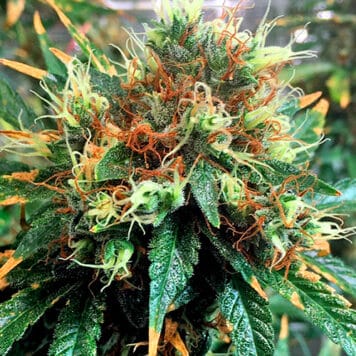
- Appearance: Sierra Mist buds are lumpy and popcorn-shaped, with dark forest green tones accented by bright red and orange pistils. A covering of icy white trichomes covers the buds, giving them a visually striking, crystalline finish.
- Aroma: The fragrance is a refreshing combination of sweet lemon and lime, underscored by subtle diesel and earthy notes.
- Flavor: On inhalation, users report a sweet and tangy citrus flavor, transitioning into a pungent and slightly sharp aftertaste upon exhale.
Effects and Experience
Sierra Mist delivers a fast-acting and uplifting high characterized by euphoria, energy, and enhanced sensory perception. Users often describe the initial effects as a mental “sugar rush” that gradually mellows into a state of focused introspection and relaxation. Key effects include:
- Euphoria: Elevates mood, making it an excellent choice for combating stress and low energy.
- Energy Boost: Ideal for morning or midday use when a burst of creativity or motivation is needed.
- Mental Clarity: Enhances focus, often appreciated by creative professionals or those tackling complex tasks.
Despite its energizing properties, Sierra Mist offers a gentle comedown, avoiding the jitteriness or anxiety sometimes associated with strong sativas.
Medical Applications
Sierra Mist has garnered attention for its potential to alleviate a variety of medical conditions, covering of icy white trichomes covers the buds, giving them a Below are its primary therapeutic uses:
- Chronic Pain: The combination of THC and caryophyllene may reduce inflammation and provide analgesic effects for individuals with persistent pain conditions.
- Migraines and Headaches: The strain’s ability to relax muscles and alleviate stress makes it an effective option for headache sufferers.
- Stress and Anxiety: Uplifting and calming, Sierra Mist can help manage symptoms of stress without overwhelming sedation.
- Depression: Its euphoric and mood-enhancing properties make it a popular choice for patients dealing with depressive symptoms.
- Cramps and Nausea: The anti-inflammatory and soothing effects may provide relief for gastrointestinal issues and menstrual cramps.
- Asthma: Anecdotal reports suggest potential bronchodilation benefits, though this requires further scientific validation.
Recreational Uses

For recreational users, Sierra Mist is prized for its vibrant and engaging high. Typical situations in which it is employed include:
- Social Gatherings: Its uplifting effects make it a popular choice for socializing and group activities.
- Outdoor Activities: The energy boost pairs well with hiking, biking, or other active pursuits.
- Creative Endeavors: Artists, writers, and musicians often find the mental clarity and focus inspiring for their work.
The strain’s flavor and aroma also contribute to its recreational appeal, offering a sensory experience that complements its effects.
Side Effects
While Sierra Mist is generally well-tolerated, it may cause some side effects, particularly with higher doses:
- Dry Mouth (Cottonmouth): A common issue manageable by staying hydrated.
- Dry Eyes: Using moisturizing eye drops can help.
- Dizziness: More likely in those new to cannabis or sensitive to THC.
- Headaches: Occasionally reported, especially if overconsumed.
- Paranoia: Rare but possible, typically mitigated by starting with a low dose.
Sierra Mist Cannabis Cultivation
Cultivating Sierra Mist cannabis requires a nuanced understanding of its growth patterns, environmental needs, and the biological processes that influence its yield and potency. This strain is best suited for intermediate to experienced growers due to its specific environmental and nutrient demands. Below is a detailed exploration of the scientific principles underlying the cultivation of Sierra Mist.
Botanical Profile
Sierra Mist is a hybrid cannabis strain with a dominant sativa lineage. Its growth characteristics reflect typical sativa traits:
- Growth Habit: Tall, lanky plants with elongated internodal spacing.
- Leaf Morphology: Narrow leaflets, indicative of its sativa genetics, which optimize light absorption in its natural habitat.
- Root Development: Vigorous root systems, which require ample space and aeration for optimal nutrient uptake.
Environmental Conditions
Optimal cultivation of Sierra Mist relies on maintaining specific environmental parameters:
- Temperature:
- Ideal Range: 21–26°C (70–80°F)
- During flowering, a slight reduction (18–24°C or 65–75°F) can enhance terpene production.
- Stress from temperatures exceeding 30°C (86°F) or dropping below 15°C (59°F) can impair photosynthesis and slow growth.
- Humidity:
- Vegetative Stage: 50–70% Relative Humidity (RH) to encourage rapid vegetative growth.
- Flowering Stage: 40–50% RH to prevent mold and mildew on dense buds.
- Excessive humidity during flowering increases the risk of bud rot (Botrytis cinerea), particularly in strains with resinous buds like Sierra Mist.
- Light:
- Sierra Mist requires high-intensity light, particularly in indoor settings.
- Recommended Light Spectrum:
- Vegetative Stage: Blue spectrum (400–500 nm) for tight internodal spacing.
- Flowering Stage: Red spectrum (620–700 nm) to promote flower development.
- Daily Light Integral (DLI): Ensure 16–18 hours of light during the vegetative stage and reduce to 12 hours in flowering to induce the photoperiod response.
- Airflow and CO₂:
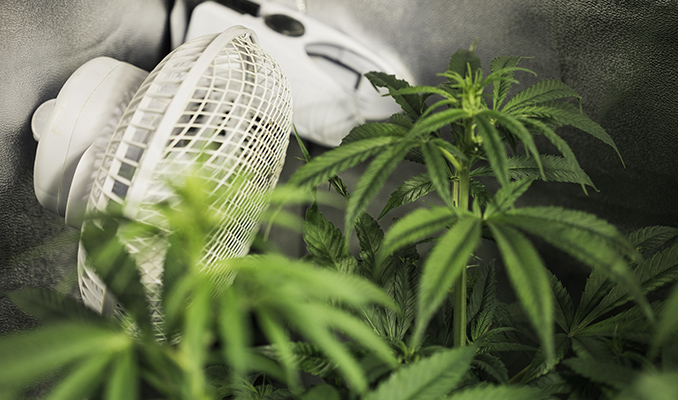
- Good airflow is essential to reduce humidity pockets and strengthen stems.
- Supplementing with CO₂ (1,000–1,500 ppm) during high-light periods can boost photosynthetic rates and yield.
Nutrient Management
Proper nutrient management is critical for maximizing the growth and potency of Sierra Mist. The strain’s nutrient requirements vary across its life cycle:
- Macronutrients:
- Nitrogen (N):
- High levels during the vegetative stage for vigorous foliage and stem growth.
- Gradually reduce during flowering to prevent excessive leafiness.
- Phosphorus (P):
- Essential for the growth of roots and the creation of flowers.
- Increase during pre-flowering and maintain throughout flowering.
- Potassium (K):
- Enhances plant resilience, terpene synthesis, and overall metabolic activity.
- Required in high amounts during flowering.
- Nitrogen (N):
- Micronutrients:
- Calcium and Magnesium (Ca & Mg):
- Prevent deficiencies that cause leaf discoloration and slow growth.
- Essential for cell wall strength and chlorophyll production.
- Sulfur (S):
- Aids in enzyme function and terpene production, enhancing aroma.
- Calcium and Magnesium (Ca & Mg):
- pH Management:
- Maintain a pH of 5.8–6.5 in soil or hydroponic systems for optimal nutrient uptake.
- Regularly test runoff to prevent nutrient lockout caused by pH imbalances.
Growth Stages and Techniques
- Germination:
- Optimal Conditions: 20–25°C (68–77°F) with 70–90% humidity.
- Use moist, but not waterlogged, mediums to ensure proper oxygenation.
- Seeds typically sprout within 3–7 days.
- Vegetative Stage:
- Focus on building a strong root system and healthy foliage.
- Use training techniques like Low-Stress Training (LST) or Screen of Green (ScrOG) to manage the plant’s height and maximize light penetration.
- Flowering Stage:
- To start flowering, switch to a 12/12 light cycle.
- Maintain lower humidity to enhance resin production and prevent mold.
- Monitor for signs of nutrient deficiencies or pests, particularly during the later stages.
Pest and Disease Management
Sierra Mist, like other cannabis strains, is susceptible to various pests and diseases. Implementing Integrated Pest Management (IPM) strategies can minimize risks:
- Common Pests:
- Spider Mites: Thrive in hot, dry conditions; can be controlled with predatory mites or neem oil.
- Aphids: Sap-feeding insects that stunt growth; treat with insecticidal soap or ladybugs.
- Fungus Gnats: Indicate overwatering; use sticky traps and improve drainage.
- Fungal Diseases:
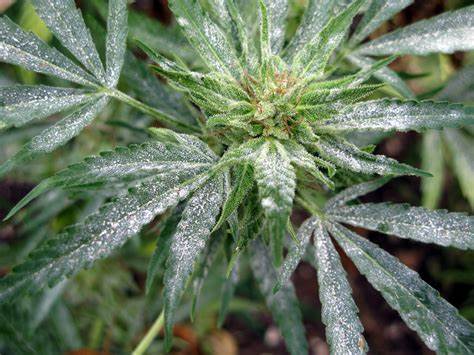
- Powdery Mildew: Prevent with adequate airflow and foliar sprays of potassium bicarbonate.
- Bud Rot: Avoid high humidity and inspect dense buds for early signs.
- Preventive Measures:
- Use sterile equipment to reduce pathogen transfer.
- Rotate crops and avoid monoculture to disrupt pest life cycles.
Harvesting and Post-Harvest Processes
- Harvest Timing:
- Monitor trichomes using a magnifying glass or microscope.
- Harvest when trichomes are mostly milky with a few amber ones for peak potency.
- Drying:
- Dry buds at 16–20°C (60–68°F) with 50–60% RH for 7–14 days.
- Proper drying preserves terpenes and prevents microbial growth.
- Curing:
- Transfer dried buds to airtight containers and “burp” them daily for the first two weeks.
- Curing enhances flavor and potency by allowing cannabinoids to mature and terpenes to stabilize.
Yield Optimization
Several advanced techniques can increase the yield and quality of Sierra Mist:
- Hydroponics:
- Gives exact control over water and nutrients.
- More yields and quicker growth than soil cultivation.
- Sea of Green (SOG):
- Maximizes canopy coverage by cultivating numerous small plants.
- Accelerates the vegetative stage, allowing for quicker harvest cycles.
- Defoliation:
- Strategic removal of lower leaves improves airflow and light penetration to lower buds.
Advanced Scientific Considerations
- Secondary Metabolites:
- Terpenes and flavonoids are produced in response to environmental stressors like UV light. Introducing UV-B light in the late flowering stage can boost terpene synthesis.
- Cannabinoid Synthesis:
- THC production peaks when enzymatic reactions in trichomes are optimized. Maintaining stable light and temperature conditions during flowering ensures robust cannabinoid biosynthesis.
- Microbial Symbiosis:
- Beneficial microbes like mycorrhizal fungi enhance nutrient absorption and promote healthy root systems.
By adhering to these scientifically-informed cultivation practices, growers can maximize the potential of Sierra Mist, yielding high-quality, aromatic buds with a balanced cannabinoid and terpene profile.
Sierra Mist Cannabis Methods of Ingestion, Onset, and Duration of Effects
Sierra Mist is a versatile cannabis strain that can be consumed through various methods, each offering unique experiences in terms of onset, intensity, and duration of effects. Below is a detailed examination of the most common methods of ingestion and their associated pharmacokinetics and subjective effects.
Methods of Ingestion
- Smoking:
- Description: Combusting Sierra Mist flowers using a pipe, bong, joint, or blunt.
- Onset: Effects are felt within 1–5 minutes due to rapid absorption of THC and other cannabinoids through the lungs.
- Duration: Typically lasts 1.5–3 hours, peaking around 30 minutes after inhalation.
- Advantages:
- Quick onset, making it ideal for users seeking immediate relief or recreation.
- Full-spectrum experience as all cannabinoids and terpenes are activated.
- Disadvantages:
- Carbon monoxide and tar are two dangerous consequences of combustion.
- Shorter duration compared to other methods.
- Vaporization:
- Description: Heating cannabis flower or concentrate to release cannabinoids and terpenes without combustion.
- Onset: Effects are felt within 1–5 minutes, similar to smoking.
- Duration: 1.5–3 hours, with a gradual decline.
- Advantages:
- Cleaner experience with fewer harmful byproducts.
- Preserves more terpenes, enhancing flavor and potential therapeutic benefits.
- Disadvantages:
- Requires specialized equipment (e.g., dry herb or concentrate vaporizers).
- Edibles:
- Description: Cannabis-infused food or beverages made with Sierra Mist extracts.
- Onset: Takes 30 minutes to 2 hours, depending on metabolism, body weight, and whether consumed on an empty stomach.
- Duration: Effects can last 4–8 hours, with some residual effects lingering longer.
- Advantages:
- Long-lasting effects, suitable for extended relief or recreation.
- Discreet and odorless.
- Disadvantages:
- Delayed onset can lead to overconsumption by inexperienced users.
- Harder to control dosage.
- Sublingual (Tinctures and Oils):
- Description: Placing cannabis-infused tinctures or oils under the tongue for rapid absorption into the bloodstream.
- Onset: Effects begin within 15–45 minutes.
- Duration: 2–4 hours, depending on dosage and individual metabolism.
- Advantages:
- Faster onset than edibles.
- Precise dosing for consistent effects.
- Disadvantages:
- Requires holding the liquid under the tongue for optimal absorption, which some find uncomfortable.
- Topicals:
- Description: Applying cannabis-infused creams, balms, or oils directly to the skin.
- Onset: Effects are localized and felt within 10–30 minutes.
- Duration: 2–6 hours.
- Advantages:
- Non-psychoactive when applied topically (does not enter the bloodstream).
- Beneficial for skin disorders, inflammation, or localized pain.
- Disadvantages:
- Limited to surface-level relief; unsuitable for systemic conditions.
- Dabbing (Concentrates):
- Description: Heating a small amount of cannabis concentrate on a hot surface (e.g., a dab rig) to produce vapor.
- Onset: Effects are almost instantaneous.
- Duration: Typically 1.5–3 hours.
- Advantages:
- High potency and rapid onset.
- Higher concentrations of terpenes and cannabinoids are found in concentrates.
- Disadvantages:
- Beginners might not be able to handle intense impacts.
- Requires specialized equipment and experience.
Pharmacokinetics: Onset and Duration of Effects
The pharmacokinetics of cannabis ingestion vary significantly depending on the method of consumption. Below is a comparison table summarizing the onset, peak, and duration for each method:
| Method | Onset | Peak Effects | Duration |
|---|---|---|---|
| Smoking | 1–5 minutes | 10–30 minutes | 1.5–3 hours |
| Vaporization | 1–5 minutes | 10–30 minutes | 1.5–3 hours |
| Edibles | 30–120 minutes | 2–4 hours | 4–8 hours |
| Sublingual | 15–45 minutes | 1–2 hours | 2–4 hours |
| Topicals | 10–30 minutes | Localized effects | 2–6 hours |
| Dabbing | Instantaneous | 10–20 minutes | 1.5–3 hours |
Subjective Effects and Variability
- Smoking and Vaporization:
- Rapid onset makes these methods ideal for acute symptoms like pain, stress, or nausea.
- Effects are more controllable as users can titrate their dose by taking small puffs.
- Edibles:
- Ideal for chronic conditions requiring long-lasting relief, such as arthritis or insomnia.
- Effects are often more intense due to the conversion of delta-9-THC into the more potent 11-hydroxy-THC during digestion.
- Sublingual:
- Provides a middle ground between smoking and edibles in terms of onset and duration.
- Often used by patients requiring precise, consistent dosing.
- Topicals:
- Best suited for localized conditions like joint pain or eczema.
- Non-psychoactive, making it a safe option for individuals sensitive to THC.
- Dabbing:
- Provides a powerful and immediate experience, suitable for experienced users or those requiring rapid symptom relief.
- Not recommended for beginners due to the intensity of effects.
Factors Influencing Onset and Duration
- Individual Metabolism:
- Faster metabolisms process cannabinoids more quickly, shortening the duration of effects.
- The percentage of body fat also affects how long THC remains in the body.
- Tolerance:
- Regular cannabis users often experience shorter durations and reduced intensity of effects due to tolerance buildup.
- Product Potency:
- Higher THC concentrations produce stronger, longer-lasting effects.
- Terpene profiles also influence the onset and overall experience.
- Consumption Context:
- Eating a fatty meal before ingesting edibles enhances absorption.
- Psychological state and environment can significantly alter subjective effects.
Scientific Insights
The effects and therapeutic potential of Sierra Mist are largely attributed to the entourage effect, a synergistic interaction between its cannabinoids and terpenes. This interplay enhances the strain’s efficacy in addressing medical conditions like pain and stress while maintaining a balanced psychoactive experience.
Preliminary research supports the following:
- THC and Pain Relief: Studies indicate THC’s role in modulating pain signals through CB1 receptor activation.
- Limonene and Mood: Known to influence serotonin levels, limonene may contribute to Sierra Mist’s uplifting effects.
- Myrcene and Relaxation: This terpene’s sedative properties may complement the strain’s energetic onset by promoting a calm finish.
Conclusion
The method of ingestion plays a crucial role in shaping the Sierra Mist experience, from how quickly effects are felt to how long they last. Smoking and vaporization offer rapid relief and control, while edibles and sublinguals provide prolonged effects suitable for chronic conditions. Understanding these differences allows users to choose the most appropriate method for their needs, guaranteeing a fun, efficient, and safe experience.
Sierra Mist stands out as a versatile cannabis strain that blends an invigorating sativa high with a smooth, citrus-forward sensory profile. Its balanced effects, moderate THC levels, and therapeutic applications make it a favorite among both medical and recreational users. Whether seeking relief from chronic pain or a creative spark, Sierra Mist delivers a well-rounded experience rooted in both science and sensory delight.
For a complete directory of cultivars, visit our Cannabis Strain Reviews.
