Table of Contents
Should You Top Autoflowers From Seed?
Autoflowering cannabis strains have revolutionized the cultivation landscape, especially for beginner and small-space growers. These varieties flower automatically based on age rather than photoperiod changes, making them fast and convenient. However, their unique life cycle raises an important question for cultivators: should you top autoflowers from seed? Topping, a common high-stress training (HST) method, can drastically increase yield in photoperiod strains, but autoflowers present a different scenario due to their time-sensitive growth cycle.
Understanding Autoflowering Cannabis
Autoflowering cannabis strains descend from Cannabis ruderalis, a species adapted to short summers and harsh environments. Unlike photoperiod strains, which rely on light cycles (e.g., 12/12 for flowering), autoflowers begin flowering 2–5 weeks from germination, regardless of light exposure. Their short lifespan (usually 8–12 weeks from seed to harvest) means they progress quickly through vegetative and flowering phases.
What Is Topping?
Topping is a high-stress training technique where the central stem (apical meristem) of a young cannabis plant is cut off. This forces the plant to redistribute growth hormones to lateral branches, leading to a bushier structure and potentially higher yields due to multiple main colas instead of one. Topping is typically done once the plant has developed 4–6 nodes.
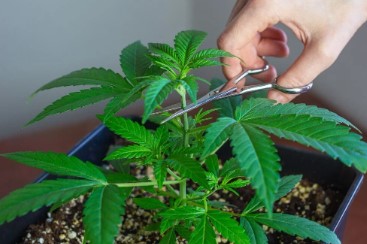
In photoperiod strains, topping is often repeated several times during a long vegetative period. With autoflowers, however, time is limited, and stress can have more significant consequences.
Benefits of Topping Autoflowers
Despite the risks, topping autoflowers can offer several potential advantages when performed correctly:
1. Increased Bud Sites
By removing the main shoot, the plant redirects energy to side branches, encouraging the growth of multiple colas rather than a single central bud. This can lead to more evenly distributed flower production.
2. Improved Light Penetration
A topped plant tends to grow shorter and bushier, allowing better light penetration to lower branches. This can enhance photosynthesis and overall bud quality in indoor environments.
3. Better Canopy Control
For growers in small grow tents or stealth setups, topping can help maintain an even canopy height, preventing tall colas from shading smaller branches.
4. Yield Potential
When timed correctly, topping can slightly improve yield per plant, especially with autoflowers that are robust, fast-growing, and genetically vigorous.
Risks of Topping Autoflowers From Seed
However, topping autoflowers especially when done from seed and without careful timing carries substantial risks:
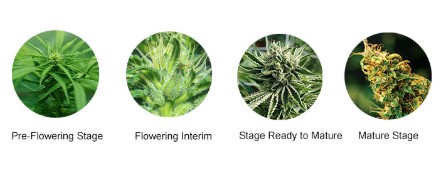
1. Short Vegetative Period
Autoflowers often begin flowering 2–4 weeks after germination. If the plant is topped too late, it may not have time to recover and develop the lateral growth needed to benefit from topping.
2. Growth Stunting
Topping is a stressor. Autoflowers have little time to recover from stress before flowering begins. Improper topping can stunt growth, reduce yield, or trigger early flowering in a vulnerable state.
3. Genetic Variability
Even within a stable autoflower strain, phenotypes can vary. Some plants may be too small, slow-growing, or sensitive to handle the stress of topping well, especially when started from seed rather than clone.
4. Complexity for Beginners
Novice growers might misjudge timing, stress levels, or plant health. With autoflowers, a small mistake early in the cycle can impact the entire grow.
Best Practices for Topping Autoflowers From Seed
If you decide to top autoflowers from seed, careful execution is critical. Here are best practices to minimize risk and improve results:
1. Select the Right Genetics
Choose autoflower strains known for strong vigor and fast growth. Some cultivars especially hybrid and sativa-leaning varieties handle stress better than compact indicas or delicate strains. Breeders may even label strains as “LST/HST-friendly.”
2. Watch for 4–6 Nodes
Only top once the plant has developed at least 4–6 nodes. This indicates it is strong enough to handle the stress. Topping earlier risks killing or permanently stunting the seedling.
3. Use Clean Technique
Sterilize scissors or a razor blade to avoid infection. Cut cleanly just above the third or fourth node. Some growers prefer “FIMming” (leaving a bit of growth at the top) to reduce the shock compared to full topping.
4. Time It Carefully
The ideal window to top is between day 14 and 21 from germination, depending on the strain’s pace. This gives the plant about a week to recover before pre-flowering begins. Topping after day 25 is generally too late.
5. Optimize the Environment
Provide ample light (18–24 hours/day), stable temperatures (22–28°C), and proper humidity (50–70%) to ensure the plant can bounce back from stress. Any environmental stress will compound the topping shock.
6. Monitor Recovery Closely
Look for healthy new growth within 2–5 days of topping. If the plant stalls or yellows, additional training should be avoided. A strong recovery suggests the plant is thriving and can handle light LST if needed.
7. One Top Only
Unlike photoperiods, do not perform multiple topping sessions. Autoflowers don’t have the vegetative time for it. Focus on a single main top and allow the side branches to catch up.
Alternatives to Topping Autoflowers
Because topping can be risky, especially for newer growers, several lower-risk alternatives exist:
1. Low Stress Training (LST)
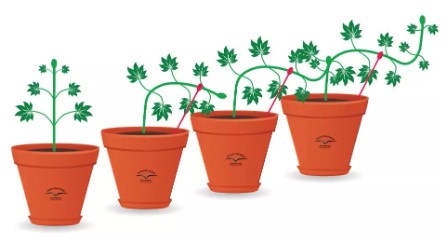
Gently bending and tying down branches without cutting helps redistribute hormones and light exposure. LST is ideal for autoflowers because it avoids the recovery time required after topping.
2. Defoliation
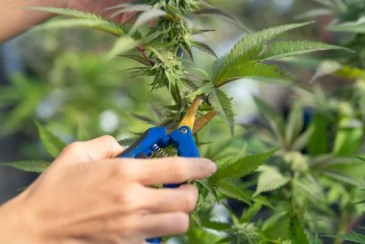
Selective removal of fan leaves can improve airflow and light penetration without causing major stress. Moderate defoliation in early flowering can boost yield with minimal risk.
3. SOG (Sea of Green)

Instead of training individual plants, grow several smaller, untrained autoflowers in a dense setup. This method maximizes yield per square meter without topping or training.
4. Mainlining (only for advanced)
Some skilled growers experiment with mainlining autoflowers, but this is highly risky and only feasible with long-cycle auto strains (12+ weeks total lifecycle). It’s not recommended for standard autoflowers.
When You Shouldn’t Top Autoflowers
- If the plant is stunted or slow-growing: Topping will likely delay or reduce yield.
- If it’s your first grow: Focus on simple techniques like LST and dialing in your environment.
- If growing a fast-finishing auto (8 weeks total): There’s often no time to recover before flowering.
- If you started late or have a short grow window: Any delay from topping will impact final yield.
Final Verdict: Should You Top Autoflowers From Seed?
It depends. Topping autoflowers from seed is a high-reward, high-risk technique. In the right conditions using fast-growing genetics, optimal timing, and precise execution it can slightly improve yields and shape. However, the margin for error is narrow.
Most experienced growers agree that topping autoflowers is only worthwhile if:
- The strain is known for robustness.
- You’ve grown it before and know its growth pattern.
- The plant is extremely healthy and vigorous by week 2.
- You can commit to close monitoring post-topping.
For beginners, or anyone growing autoflowers for the first time, it’s generally safer and more productive to rely on LST and environmental control. Topping can be introduced later as your experience and understanding of plant behavior improves.
Summary
Topping autoflowers from seed can work, but it’s not a universal recommendation. It’s a calculated gamble that demands understanding of genetics, growth patterns, and optimal timing. With the right conditions, topping may slightly increase yields and bud quality. However, for most growers especially new ones gentler methods like LST and defoliation offer similar benefits with fewer risks. The key is always to read your plants, support their development, and adjust your training style accordingly.
