Table of Contents
Shoreline is a rare and legendary sativa-dominant hybrid cannabis strain known for its pungent aroma, powerful effects, and historical lineage. Originally bred in the 1980s, this strain gained fame through its unique skunky scent and cerebral high, making it a favorite among cannabis connoisseurs. Its origins can be traced back to a Skunk #1 phenotype, which has since been refined by various breeders to maintain its potent effects and distinctive flavor profile.
Genetics and Lineage
Shoreline is believed to be a phenotype of Skunk #1, a classic cannabis strain renowned for its pungent aroma and uplifting effects. Skunk #1 is a hybrid of Afghani, Acapulco Gold, and Colombian Gold, three landrace strains known for their potent effects and unique terpene profiles. Over time, breeders have stabilized Shoreline to preserve its distinctive traits, making it a popular choice among cannabis enthusiasts.
Appearance
Shoreline is visually striking, characterized by:
- Dense, elongated buds with a tapered structure.
- Deep green leaves with hints of purple, especially when exposed to colder temperatures.
- Bright orange pistils weaving through the buds.
- Heavy trichome coverage, giving the buds a frosty, sticky texture.
Aroma and Flavor Profile
Shoreline is most famous for its intense skunky aroma, which is often described as one of the strongest-smelling cannabis strains. The scent profile includes:
- Skunky and pungent notes, reminiscent of classic Skunk strains.
- Earthy and musky undertones, giving it a rich, natural depth.
- Citrus and sweet berry hints, providing a subtle yet refreshing contrast.
When consumed, Shoreline delivers a complex flavor experience:
- Initial taste: Strong skunky and earthy flavors.
- Mid-palate: Hints of citrus, berry, and spice.
- Aftertaste: A lingering muskiness with mild sweetness.
Effects and Potency
Shoreline is a sativa-dominant hybrid with a THC content that typically ranges between 18-24%, making it a strong strain best suited for seasoned users. Its effects are characterized by:
- Euphoria and Uplifted Mood: Users often experience an immediate rush of happiness and mental clarity, making it perfect for artistic pursuits and social settings.
- Energy Boost: Unlike some sedating strains, Shoreline provides a stimulating cerebral buzz that can enhance focus and motivation.
- Mild Relaxation: While primarily cerebral, the strain also offers a gentle body relaxation that helps reduce tension without causing couch-lock.
Potential Side Effects
- Dry mouth and dry eyes are common, as with most high-THC strains.
- Dizziness or mild anxiety may occur in users sensitive to potent sativas.
- Paranoia in higher doses, especially in individuals prone to anxiety.
Medical Uses of Shoreline
Shoreline’s balanced effects make it suitable for various medical applications. Among its medicinal advantages are:
Mental Health Benefits
- Depression: The uplifting and euphoric properties of Shoreline help improve mood and combat negative thoughts.
- Anxiety and Stress: While higher doses may induce anxiety, moderate consumption can help ease stress and promote relaxation.
- ADHD and ADD: The strain’s focus-enhancing effects can help individuals struggling with attention disorders.
Pain Management
- Chronic Pain: Shoreline’s moderate body relaxation can provide relief from persistent pain conditions.
- Migraines and Headaches: Its anti-inflammatory properties may help reduce headache severity.
- Muscle Spasms: The mild muscle relaxation can help alleviate tension and spasms.
Neurological Disorders
- PTSD: The strain’s mood-boosting and anxiolytic properties may benefit individuals with post-traumatic stress disorder.
- Epilepsy: While not as effective as CBD-rich strains, Shoreline’s neurological effects could have anticonvulsant properties.
Gastrointestinal Benefits
- Nausea and Appetite Loss: The strain’s stimulating effects can help improve appetite and reduce nausea, making it beneficial for patients undergoing chemotherapy or suffering from eating disorders.
- IBS (Irritable Bowel Syndrome): Some users report relief from gastrointestinal discomfort.
Recreational Uses
Shoreline’s energetic and euphoric effects make it a popular choice for various recreational activities:
Creative Activities
- Enhances artistic expression, such as painting, writing, and music production.
- Improves problem-solving skills and abstract thinking.
Social Situations
- Encourages laughter and conversation, making it ideal for social gatherings.
- Reduces social anxiety and promotes a sense of connection.
Outdoor Adventures
- Increases energy levels, making it great for hiking, biking, and exploring nature.
- Enhances sensory perception, making outdoor experiences more enjoyable.
Gaming and Entertainment
- Heightens enjoyment of movies, music, and video games.
- Improves engagement in immersive experiences.
Methods of Ingestion and Their Pharmacokinetics
The method of consumption directly influences THC absorption, metabolism, and overall effect duration.
A. Inhalation (Smoking and Vaporization)
Inhalation is the most common and efficient method due to its rapid onset and high bioavailability.
1. Smoking (Combustion)
- Mechanism:
- Shoreline’s dried flowers are burned, producing smoke that is inhaled.
- THC is absorbed through the alveoli in the lungs into the bloodstream.
- First-pass metabolism is bypassed, leading to high bioavailability.
- Onset: One to five minutes (rapid due to direct bloodstream absorption)
- Peak Effects: Ten to thirty minutes
- Duration: Two to four hours
- Bioavailability: Thirty to fifty percent of inhaled THC reaches systemic circulation.
- Advantages:
- Rapid onset and short duration, allowing dose titration.
- Strong entourage effect from full-spectrum cannabinoids.
- Disadvantages:
- Produces harmful combustion byproducts (tar, benzene).
- Can irritate lungs and throat.
2. Vaporization (Dry Herb and Concentrate Vaporizers)
- Mechanism:
- Heat vaporizes cannabinoids and terpenes without combustion.
- THC and terpenes remain intact, resulting in a smoother, purer experience.
- Onset: One to three minutes
- Peak Effects: Ten to thirty minutes
- Duration: Two to four hours
- Bioavailability: Forty to sixty percent, higher than smoking
- Advantages:
- Safer than smoking (no combustion byproducts).
- More efficient extraction of THC and terpenes.
- Disadvantages:
- Requires a vaporizer (higher initial cost).
- Some loss of cannabinoids at lower temperatures.
Ideal Temperature for Shoreline Vaporization:
- Lower temperatures (~175°C): More flavor, uplifting effects.
- Higher temperatures (~200°C): More potent, sedative effects.
B. Oral Ingestion (Edibles, Capsules, Tinctures)
Oral ingestion leads to delayed but prolonged effects due to liver metabolism (first-pass effect).
1. Edibles (THC-Infused Gummies, Chocolates, Baked Goods)
- Mechanism:
- THC is converted into 11-hydroxy-THC (11-OH-THC) in the liver, which is more potent and has a longer half-life.
- This results in stronger and longer-lasting effects than inhalation.
- Onset: Thirty to one hundred twenty minutes (depends on metabolism, stomach contents)
- Peak Effects: Two to four hours
- Duration: Six to twelve hours
- Bioavailability: Four to twenty percent, low but 11-OH-THC is more potent
- Advantages:
- Long-lasting effects, ideal for medical use.
- No respiratory irritation.
- Disadvantages:
- Delayed onset makes dose control difficult.
- Risk of overconsumption due to high potency of 11-OH-THC.
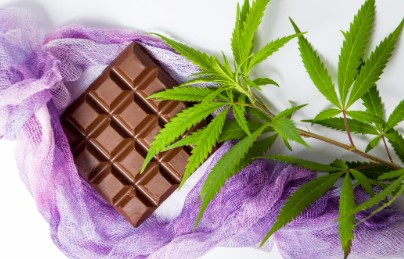
Scientific Considerations for Edibles:
- Consume with fatty foods as THC is lipophilic and absorbs better.
- Microdose (2.5-5 mg THC) if new to edibles.
- Full digestion and metabolism vary based on body fat, liver enzymes, and diet.
2. THC Capsules (Gel Caps)
- Onset: Thirty to ninety minutes
- Peak Effects: Two to four hours
- Duration: Six to ten hours
- Bioavailability: Six to twenty percent
- Best For: Chronic pain, sleep disorders, anxiety
Scientific Considerations for Capsules:
- Controlled dosage (5-50 mg per capsule).
- More predictable absorption than edibles.
3. Tinctures (Sublingual)
- Mechanism:
- THC is absorbed directly into the bloodstream through the sublingual mucosa.
- Bypasses first-pass metabolism, leading to rapid onset.
- Onset: Fifteen to forty-five minutes
- Peak Effects: Sixty to ninety minutes
- Duration: Four to six hours
- Bioavailability: Twenty to thirty-five percent
- Advantages:
- Faster onset than edibles.
- Accurate dosing (measured in drops).
- Disadvantages:
- Bitter taste.
- Less effective than inhalation for immediate relief.
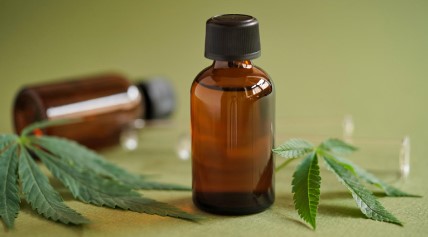
Scientific Considerations for Tinctures:
- Hold under the tongue for at least thirty to sixty seconds for best absorption.
- Mix with MCT oil or ethanol to improve bioavailability.
C. Topical and Transdermal (Creams, Patches)
Topical cannabis provides localized relief without psychoactive effects, while transdermal patches allow systemic absorption.
1. Topical Creams and Lotions
- Mechanism:
- Cannabinoids bind to CB2 receptors in the skin, reducing inflammation and pain.
- No psychoactive effects as it does not enter the bloodstream.
- Onset: Fifteen to thirty minutes
- Peak Effects: One to two hours
- Duration: Four to six hours
- Best For: Arthritis, muscle pain, localized inflammation
2. Transdermal Patches
- Mechanism:
- Cannabinoids penetrate the skin into the bloodstream, producing systemic effects.
- Slow, controlled release over extended periods.
- Onset: One to two hours
- Peak Effects: Four to six hours
- Duration: Eight to forty-eight hours
- Bioavailability: Thirty percent
- Best For: Chronic pain, long-term relief
Scientific Considerations for Transdermal Delivery:
- Works best with carrier agents (ethanol, terpenes) that improve absorption.
2. Comparative Analysis of Onset and Duration
| Method | Onset | Peak Effects | Duration | Bioavailability |
|---|---|---|---|---|
| Smoking | One to five minutes | Ten to thirty minutes | Two to four hours | Thirty to fifty percent |
| Vaporization | One to three minutes | Ten to thirty minutes | Two to four hours | Forty to sixty percent |
| Edibles | Thirty to one hundred twenty minutes | Two to four hours | Six to twelve hours | Four to twenty percent |
| Capsules | Thirty to ninety minutes | Two to four hours | Six to ten hours | Six to twenty percent |
| Tinctures (Sublingual) | Fifteen to forty-five minutes | Sixty to ninety minutes | Four to six hours | Twenty to thirty-five percent |
| Topicals | Fifteen to thirty minutes | One to two hours | Four to six hours | Localized |
| Transdermal Patches | One to two hours | Four to six hours | Eight to forty-eight hours | Thirty percent |
The best ingestion method for Shoreline depends on the desired effects:
- Immediate relief: Vaporization or smoking.
- Long-lasting pain relief: Edibles or transdermal patches.
- Accurate dosing with fast onset: Tinctures.
- Localized relief: Topicals.
Scientific Insights
Shoreline’s effects are largely attributed to its cannabinoid and terpene profile.
Cannabinoid Profile
- THC (18-24%): Primary psychoactive component responsible for euphoria and pain relief.
- CBD (<1%): Minimal presence, but contributes to slight relaxation and anti-inflammatory properties.
- CBG (~1-2%): May aid in neuroprotection and anti-inflammatory effects.
Terpene Profile
Shoreline’s unique aroma and effects stem from its rich terpene content:
- Myrcene: Dominant terpene, contributing to its earthy, musky scent and mild sedative effects.
- Limonene: Adds citrusy undertones and provides uplifting, anti-anxiety effects.
- Caryophyllene: Offers spicy, peppery notes and may help with pain and inflammation.
- Pinene: Enhances alertness and counteracts memory loss.
Cultivation Information
Cultivating the Shoreline cannabis strain requires a precise approach due to its pungent aroma, dense bud structure, and moderate-to-high resistance to environmental stressors. Below is a scientific breakdown of Shoreline’s cultivation, including optimal environmental conditions, growth stages, nutrient requirements, and pest management.
1. Shoreline Cultivation Overview
- Genetics: Hybrid (Skunk #1 lineage)
- Flowering Time: 8-10 weeks
- Yield: Moderate to high
- Preferred Environment: Indoor, Greenhouse, or Outdoor (Mediterranean-like climate)
- Growth Difficulty: Intermediate
2. Cultivation Methods & Growth Stages
The cultivation process for Shoreline can be divided into four primary growth stages, each requiring distinct environmental and nutrient conditions.
A. Germination (0-7 Days)
- Seed Preparation:
- Use moist paper towel method or direct planting in a light, well-aerated seed starter mix.
- Maintain relative humidity (RH) of 70-80% and temperature of 22-26°C (72-79°F).
- Optimal pH level: 6.0-6.5 (soil), 5.5-6.0 (hydroponics).
- Light Exposure:
- Minimal light is needed, but 18-24 hours of light under low-intensity CFLs or LEDs can help.
B. Seedling Stage (1-3 Weeks)
- Root Development & Early Vegetative Growth:
- Transplant into a small pot with well-aerated soil (30% perlite or coco coir for drainage).
- Ideal temperature: 22-26°C (72-79°F).
- RH: 65-75% to avoid excess transpiration.
- Light Cycle:
- 18-24 hours of light under T5 fluorescent lights or low-intensity LED (PPFD: 150-300 μmol/m²/s).
- Nutrient Needs:
- Low Nitrogen (N) levels.
- Use root stimulants such as mycorrhizal fungi to enhance nutrient uptake.
- Avoid overwatering to prevent damping off (fungal infection).
C. Vegetative Growth (4-8 Weeks)
Shoreline exhibits a bushy, Skunk-like structure with dense foliage. Proper training methods improve yield and airflow.
- Environmental Conditions:
- Temperature: 24-28°C (75-82°F)
- RH: 55-65%
- CO₂ Enrichment: 900-1200 ppm (optional for hydroponics)
- Lighting Requirements:
- Light Cycle: 18-20 hours of light per day
- Recommended Light Intensity (PPFD): 400-600 μmol/m²/s (LED or HID lights)
- Training Methods (Recommended for Maximized Yield):
- Topping (FIMing): Encourages multiple colas.
- Low-Stress Training (LST): Bends branches for even light exposure.
- Screen of Green (ScrOG): Helps maximize bud sites.
- Defoliation: Removes lower fan leaves for better airflow.
- Nutrient Requirements:
- Nitrogen (N): High for vegetative growth
- Phosphorus (P) & Potassium (K): Medium levels
- Micronutrients: Calcium (Ca), Magnesium (Mg), and Silicon (Si) for stronger stems and resistance.
- Soil vs. Hydroponics:
- Soil: Organic living soil with compost teas for microbial diversity.
- Hydroponics: Deep Water Culture (DWC) or Drip Systems with EC: 1.2-1.6 mS/cm.
D. Flowering Stage (8-10 Weeks)
Shoreline develops dense, resin-coated buds with an extremely pungent skunky aroma, requiring strong odor control.
- Light Cycle: 12 hours light / 12 hours darkness
- Temperature: 22-26°C (72-79°F)
- RH: 45-55% to prevent bud rot
- PPFD: 600-1000 μmol/m²/s for optimal bud development.
- Nutrient Adjustments:
- Early Flowering (Weeks 1-4)
- Reduce Nitrogen and increase Phosphorus & Potassium (P:K ratio of 1:2).
- Ideal EC: 1.6-2.0 mS/cm.
- Late Flowering (Weeks 5-10)
- Flush with pure water (pH 6.0-6.5) in the last 10-14 days.
- Trichome Inspection: Harvest when milky/cloudy trichomes appear (~30% amber for sedative effects).
- Early Flowering (Weeks 1-4)
3. Pest & Disease Management
Shoreline is moderately resistant to pests and diseases but still requires monitoring.
- Common Pests:
- Spider mites (Prevent with neem oil or predatory mites)
- Fungus gnats (Use sticky traps, dry topsoil between watering)
- Aphids (Spray with potassium soap or predatory ladybugs)
- Common Diseases:
- Powdery Mildew: Maintain RH below 55%, use silica supplements.
- Bud Rot (Botrytis): Ensure proper airflow and dehumidification.
4. Harvesting & Post-Harvest Processing
Shoreline’s potency and flavor rely heavily on proper harvesting, drying, and curing techniques.
A. Harvest Timing (Trichome Analysis)
- Clear Trichomes: Too early, weak potency.
- Cloudy Trichomes: Peak THC levels.
- Amber Trichomes: More sedative effects.
B. Drying & Curing Process
- Drying:
- RH: 50-60%
- Temperature: 18-22°C (65-72°F)
- Drying Time: 7-12 days
- Airflow: Maintain indirect air circulation (avoid direct fans on buds).
- Curing:
- Store in glass jars with 58-62% humidity packs.
- Burp jars daily for the first 2 weeks, then gradually reduce frequency.
- Full curing takes 4-8 weeks for optimal aroma and potency.
5. Scientific Analysis of Shoreline’s Chemical Profile
- Primary Cannabinoids:
- THC: ~18-24%
- CBD: <1%
- CBG: ~1-2% (mild anti-inflammatory effects)
- Terpene Profile (Responsible for Aroma & Effects):
- Myrcene: Sedative, muscle relaxant (~0.5-1%)
- Limonene: Uplifting, anti-stress (~0.3-0.8%)
- Caryophyllene: Anti-inflammatory, pain relief (~0.5-0.9%)
- Terpinolene: Sweet, floral, slightly energetic (~0.2-0.6%)
6. Yield Expectations
- Indoor Yield: ~450-550 g/m²
- Outdoor Yield: ~600-800 g per plant (with optimal conditions)
Conclusion
Shoreline is a legendary strain with a rich history, potent effects, and a highly distinctive aroma. Its balanced sativa-dominant effects make it ideal for both medical and recreational users, offering relief from mood disorders, pain, and gastrointestinal issues while enhancing creativity, social interactions, and outdoor experiences. Despite its strong skunky scent, Shoreline remains a favorite among cannabis enthusiasts and cultivators due to its unique characteristics and potent high.
Whether you’re a medical patient seeking symptom relief or a recreational user looking for an uplifting experience, Shoreline is a strain worth exploring for its diverse benefits and legendary status in the cannabis community.
For a complete directory of cultivars, visit our Cannabis Strain Reviews.
