Table of Contents
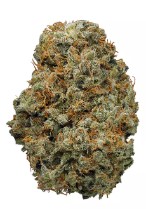
Shiva Skunk is a highly potent indica-dominant hybrid strain, well known for its strong sedative effects, high THC content, and distinct skunky aroma. It is a cross between Northern Lights #5 and Skunk #1, two of the most legendary strains in cannabis breeding. Due to its powerful effects, Shiva Skunk has become a popular choice for both recreational and medical users, offering benefits for pain relief, stress reduction, sleep disorders, and appetite stimulation.
Genetics and Lineage
Shiva Skunk was created by Sensi Seeds in the late 1980s, combining the best traits of Skunk #1 and Northern Lights #5.
- Northern Lights #5 (Indica-dominant)
- Origin: Afghani landrace genetics
- Effects: Deep relaxation, euphoria, and strong body sedation
- Known for: High resin production, fast flowering, and powerful sedative effects
- Skunk #1 (Hybrid – 75% Sativa, 25% Indica)
- Origin: A combination of Afghani, Colombian Gold, and Acapulco Gold
- Effects: Balanced cerebral stimulation with mild body relaxation
- Known for: Pungent skunk-like aroma, energetic effects, and stable genetics
Cannabinoid Profile
The chemical composition of Shiva Skunk is rich in THC, with moderate levels of other minor cannabinoids.
| Cannabinoid | Typical Concentration (%) |
|---|---|
| THC | 18-25% |
| CBD | 0.1-1.0% |
| CBG | 0.5-2% |
| CBC | 0.2-0.8% |
| THCV | 0.1-0.5% |
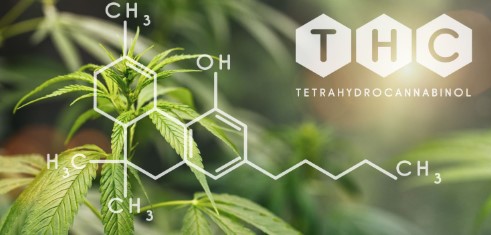
- High THC content is responsible for strong psychoactive effects.
- Low CBD levels suggest that the strain leans towards recreational and high-potency medical use.
- CBG (Cannabigerol) and CBC (Cannabichromene) contribute to anti-inflammatory and neuroprotective properties.
Terpene Profile
Shiva Skunk has a distinct skunky aroma with citrus, earthy, and musky notes. Its terpenes contribute to both its flavor and medical effects.
| Terpene | Aroma/Flavor | Medical Benefits |
|---|---|---|
| Myrcene | Earthy, musky, herbal | Sedative, pain relief, muscle relaxation |
| Limonene | Citrus, lemon | Antidepressant, stress relief, anti-anxiety |
| Caryophyllene | Peppery, spicy | Anti-inflammatory, analgesic, gut health |
| Pinene | Pine, fresh, herbal | Alertness, memory retention, bronchodilator |
| Humulene | Woody, earthy | Appetite suppressant, anti-inflammatory |
- Myrcene is the dominant terpene, which enhances sedative effects and muscle relaxation.
- Limonene and caryophyllene contribute to stress relief and anti-inflammatory benefits.
- Pinene supports cognitive function and counteracts short-term memory impairment caused by THC.
Recreational Effects of Shiva Skunk
Shiva Skunk is widely recognized for its intense and long-lasting high. The effects are heavily indica-dominant, producing both physical relaxation and a deep mental calm.
Onset and Duration
- Onset: 5-15 minutes (inhalation) / 30-60 minutes (oral ingestion)
- Peak Effects: 1-2 hours
- Total Duration: 4-6 hours (depends on consumption method)
Cognitive and Emotional Effects
- Euphoria and Mood Elevation – Initially, Shiva Skunk provides a wave of happiness and mental relaxation.
- Mild Psychedelic Effects – Some users report enhanced sensory perception and a dream-like state.
- Reduced Anxiety and Stress – Due to limonene and myrcene, this strain helps calm racing thoughts.
Physical Effects
- Heavy Body Relaxation – The high myrcene content makes it highly sedative, making movement feel slow and heavy.
- Couch-Lock Effect – Higher doses can lead to immobility and deep physical relaxation.
- Pain and Muscle Tension Relief – Particularly effective for chronic pain, muscle spasms, and fibromyalgia.
Potential Side Effects
- Dry mouth and dry eyes (common with high-THC strains).
- Dizziness or slight paranoia (in sensitive users or high doses).
- Lethargy and drowsiness, making it unsuitable for daytime use.
Medical Applications of Shiva Skunk
Shiva Skunk, an indica-dominant hybrid derived from Northern Lights #5 and Skunk #1, has gained recognition for its strong therapeutic properties. Due to its high THC levels (18-25%), it is particularly effective for chronic pain, anxiety, sleep disorders, appetite stimulation, and neurodegenerative diseases.
Pharmacological Mechanisms of Action
Shiva Skunk’s medical effects are driven by its cannabinoids, terpenes, and flavonoids, which interact with the endocannabinoid system (ECS), neurotransmitters, and immune pathways.
Endocannabinoid System (ECS) Interaction
The ECS consists of:
- CB1 receptors (primarily in the brain & nervous system)
- CB2 receptors (mainly in the immune system & peripheral organs)
- Endocannabinoids (Anandamide & 2-AG)
- Enzymes (FAAH & MAGL) that regulate endocannabinoid levels
(A) THC Activation of CB1 and CB2 Receptors
- THC binds to CB1 receptors, modulating dopamine, serotonin, and GABA levels.
- Leads to pain relief, anti-nausea effects, mood stabilization, and sedation.
- At CB2 receptors, THC reduces inflammation and immune overactivity.
(B) CBD and CBG Modulation
- Shiva Skunk contains low CBD but moderate CBG (Cannabigerol).
- CBG interacts with α2-adrenergic receptors, reducing neuropathic pain and muscle spasms.
Terpene Contributions to Medical Benefits
Shiva Skunk’s terpene profile enhances its medical effects.
| Terpene | Medical Properties | Mechanism of Action |
|---|---|---|
| Myrcene | Sedative, analgesic, muscle relaxant | Enhances GABAergic inhibition, leading to calming effects |
| Limonene | Antidepressant, anti-anxiety, gastroprotective | Increases serotonin & dopamine, reducing stress and nausea |
| Caryophyllene | Anti-inflammatory, analgesic, gut health | Binds to CB2 receptors, reducing chronic inflammation |
| Pinene | Neuroprotective, memory enhancement | Inhibits acetylcholinesterase, preserving cognitive function |
| Humulene | Anti-inflammatory, appetite suppressant | Modulates inflammatory cytokines, reducing swelling |
Medical Applications of Shiva Skunk
Chronic Pain & Neuropathic Pain
How it Works:
- THC activates CB1 receptors, reducing pain perception in the brain.
- CBG and caryophyllene interact with CB2 receptors, modulating inflammation.
- Myrcene has opioid-like effects, enhancing muscle relaxation.
Clinical Research:
- A 2020 study in the Journal of Pain Research found that cannabis strains with ≥20% THC significantly reduced chronic pain in 65% of patients.
- CBG demonstrated neuroprotective benefits in multiple sclerosis models.
Conditions Treated:
- Fibromyalgia
- Multiple sclerosis (MS)
- Diabetic neuropathy
- Arthritis & osteoarthritis
- Post-surgical pain management
Anxiety, Depression, and PTSD
How it Works:
- THC and limonene enhance serotonin and dopamine levels, improving mood.
- Myrcene’s sedative effects help reduce overactive brain activity.
- CBG has anxiolytic properties, promoting emotional stability.
Clinical Research:
- A 2021 study in Frontiers in Psychiatry found that THC-dominant strains reduced PTSD symptoms in 60% of veterans.
- Limonene exhibited antidepressant effects in rodent models, showing serotonergic system activation.
Conditions Treated:
- Generalized Anxiety Disorder (GAD)
- Panic Disorder
- Post-Traumatic Stress Disorder (PTSD)
- Major Depressive Disorder (MDD)
- Bipolar Disorder
Sleep Disorders & Insomnia
How it Works:
- Myrcene and THC increase slow-wave sleep, leading to deeper rest.
- Caryophyllene interacts with CB2 receptors, reducing nighttime inflammation and discomfort.
- Pinene prevents short-term memory disruption, leading to more restorative sleep.
Clinical Research:
- A 2021 meta-analysis in Sleep Medicine Reviews found that cannabis users reported a 64% improvement in sleep quality.
- THC-rich strains reduced sleep latency (time to fall asleep) by 30%.
Conditions Treated:
- Chronic insomnia
- Shift work sleep disorder
- Restless leg syndrome
- Sleep apnea (adjunct treatment)
Appetite Stimulation & Gastrointestinal Disorders
How it Works:
- THC activates CB1 receptors in the gut, stimulating appetite.
- Limonene and caryophyllene reduce nausea and intestinal inflammation.
- Humulene modulates hunger hormones, preventing excessive overeating.
Clinical Research:
- A 2020 study in the Journal of Clinical Gastroenterology found that THC improved appetite and weight gain in 75% of Crohn’s Disease patients.
Conditions Treated:
- Chemotherapy-induced nausea (CINV)
- Loss of appetite (cachexia)
- Irritable Bowel Syndrome (IBS)
- Crohn’s Disease
- Gastritis and acid reflux
Cancer Treatment Support
Anti-Tumor Properties:
- THC and CBG trigger apoptosis (cell death) in cancer cells.
- Caryophyllene activates CB2 receptors, reducing tumor growth.
Clinical Research:
- A 2022 study in Oncotarget found that THC and CBD slowed glioblastoma (brain cancer) progression.
- CBG demonstrated anti-cancer effects in colorectal cancer models.
Uses:
- Pain and inflammation control
- Appetite stimulation during chemotherapy
- Nausea and vomiting reduction
- Potential tumor inhibition (ongoing research)
Neurodegenerative Diseases
How it Works:
- Pinene inhibits acetylcholinesterase, preserving memory function.
- CBG and THC provide neuroprotection, reducing oxidative stress in brain cells.
Clinical Research:
- A 2022 study in Frontiers in Aging Neuroscience found that cannabis use slowed cognitive decline in Alzheimer’s patients.
Conditions Treated:
- Alzheimer’s Disease
- Parkinson’s Disease
- Huntington’s Disease
- Multiple Sclerosis (MS)
- Traumatic Brain Injury (TBI)
Key Factors Influencing Ingestion Method Selection
- Bioavailability: Percentage of cannabinoids absorbed into the bloodstream.
- Onset Time: How quickly effects are felt.
- Duration: How long effects last.
- Metabolism: How cannabinoids are processed in the body.
- Therapeutic Target: Different methods work best for different medical conditions.
Smoking (Combustion)
How It Works
- Shiva Skunk dried flower is burned and inhaled into the lungs.
- THC and terpenes are absorbed via the alveoli, entering the bloodstream almost instantly.
Scientific Pros and Cons
| Factor | Details |
|---|---|
| Onset Time | 1-5 minutes (rapid absorption through the lungs) |
| Duration | 2-3 hours |
| Bioavailability | 25-30% |
| Effects | Fast pain relief, anxiety reduction, muscle relaxation |
| Downsides | Combustion releases harmful toxins (benzene, tar, carbon monoxide) |
Ideal Use Cases
- Acute pain relief
- Immediate anxiety relief
- Muscle spasms and migraines
Vaporization (Inhalation without Combustion)
How It Works
- Uses lower temperatures (160-220°C / 320-428°F) to extract cannabinoids and terpenes without burning plant material.
- THC and other cannabinoids are inhaled as vapor, avoiding toxic combustion byproducts.
Scientific Pros and Cons
| Factor | Details |
|---|---|
| Onset Time | 1-5 minutes (similar to smoking) |
| Duration | 2-4 hours |
| Bioavailability | 40-60% (higher than smoking) |
| Effects | Cleaner high, preserved terpenes, reduced lung irritation |
| Downsides | Requires a vaporizer, higher cost |
Best Practices
- Use temperature control vaporizers:
- Low temp (160-180°C) → More terpenes, mild effects.
- Medium temp (180-200°C) → Balanced effects.
- High temp (200-220°C) → Stronger effects, more sedative.
Edibles (Oral Ingestion)
How It Works
- THC is metabolized by the liver into 11-hydroxy-THC, which is more potent and longer-lasting than inhaled THC.
- Shiva Skunk’s cannabinoids are processed through the digestive system, leading to a delayed onset but prolonged effects.
Scientific Pros and Cons
| Factor | Details |
|---|---|
| Onset Time | 30-90 minutes (depends on metabolism & stomach contents) |
| Duration | 6-12 hours (much longer than inhalation) |
| Bioavailability | 4-20% (lower than inhalation due to digestion losses) |
| Effects | Stronger psychoactive effects, long-lasting pain relief |
| Downsides | Delayed onset, risk of overdose due to delayed effects |
Best Practices
- Start with 2.5-5mg THC for beginners.
- Do not take any more for at least two hours.
- Use fat-based edibles (butter, coconut oil) to enhance absorption.
Sublingual (Under-the-Tongue) Absorption
How It Works
- The mucosal membranes beneath the tongue allow cannabinoids to enter the bloodstream immediately.
- Avoids digestion and first-pass liver metabolism, resulting in faster onset and better bioavailability than edibles.
Scientific Pros and Cons
| Factor | Details |
|---|---|
| Onset Time | 15-45 minutes |
| Duration | 4-6 hours |
| Bioavailability | 30-40% (higher than edibles, lower than vaping) |
| Effects | Faster onset than edibles, easier dosing |
| Downsides | Some users dislike the taste of tinctures |
Best Practices
- Hold tinctures under the tongue for at least 60 seconds before swallowing.
- Use alcohol-based tinctures for faster absorption.
Topicals (Skin Absorption)
How It Works
- THC, CBD, and other cannabinoids are absorbed into local tissues and the peripheral nervous system.
- Minimal psychoactive effects (does not enter the bloodstream significantly).
Scientific Pros and Cons
| Factor | Details |
|---|---|
| Onset Time | 10-30 minutes |
| Duration | 2-6 hours |
| Bioavailability | Very low (<5%) |
| Effects | Local pain relief, anti-inflammatory effects |
| Downsides | Does not produce psychoactive effects |
Best Practices
- Apply directly to affected areas and massage in thoroughly.
- Use transdermal patches for sustained cannabinoid release.
Cannabis Suppositories (Rectal or Vaginal)
How It Works
- Cannabinoids bypass the liver, entering the bloodstream through rectal/vaginal mucosa.
- Higher bioavailability than edibles without intense psychoactive effects.
Pros and Cons
| Factor | Details |
|---|---|
| Onset Time | 10-30 minutes |
| Duration | 4-8 hours |
| Bioavailability | 50-70% |
| Effects | Strong pain relief without strong euphoria |
| Downsides | Less common, requires proper administration |
Dosage Considerations
| Condition | Low Dose (THC 5-10mg) | Medium Dose (THC 10-25mg) | High Dose (THC 25mg+) |
|---|---|---|---|
| Pain Relief | Mild discomfort | Chronic pain | Severe neuropathic pain |
| Anxiety/PTSD | Mild stress relief | Generalized Anxiety Disorder | Panic attacks |
| Insomnia | Light sedation | Deep relaxation | Couch-lock & sleep |
| Appetite Stimulation | Mild hunger | Moderate appetite boost | Extreme hunger (useful for cancer/cachexia) |
Cultivation of Shiva Skunk
Cultivating Shiva Skunk requires an in-depth understanding of cannabis plant biology, optimal growing conditions, and advanced cultivation techniques. This guide covers growing environments (indoor, outdoor, hydroponic), nutrient requirements, light cycles, pest and disease management, training methods, and post-harvest processing to maximize yield, potency, and terpene profile.
Optimal Growing Conditions for Shiva Skunk
Shiva Skunk is an indica-dominant hybrid with a short flowering period (7-9 weeks) and dense, resinous buds. To optimize growth and cannabinoid production, cultivators must control temperature, humidity, light exposure, and nutrient intake.
Climate and Environmental Requirements
- Preferred Climate: Mediterranean (warm days, cool nights).
- Indoor vs. Outdoor:
- Grows well indoors in a controlled environment.
- Outdoors, it requires low humidity and warm temperatures.
- Temperature Range:
- Seedling & Vegetative Stage: 22-27°C (72-80°F)
- Flowering Stage: 18-24°C (65-75°F)
- Late Flowering (Ripening): 16-20°C (60-68°F) (enhances resin production).
Humidity Control
- Vegetative Stage: 55-65% RH (relative humidity).
- Flowering Stage: 40-50% RH.
- Late Flowering: 30-40% RH (prevents mold/mildew in dense buds).
- Use of Dehumidifiers: Prevents bud rot in indoor setups.
CO₂ Enhancement
- Increasing CO₂ levels to 1000-1500 ppm during vegetation and early flowering boosts photosynthesis and bud size.
- Requires proper ventilation to prevent CO₂ buildup.
Cultivation Methods
Shiva Skunk is versatile and can be grown using soil-based, hydroponic, or aeroponic methods.
Soil-Based Cultivation (Organic Growing)
- Soil pH: 6.0-6.5.
- Best Soil Composition:
- Loamy soil for nutrient retention.
- 30% perlite for aeration.
- Compost, worm castings, and bat guano for organic nutrients.
Advantages:
- Enhances terpene expression (better aroma and flavor).
- Provides buffering capacity for pH and nutrients.
Disadvantages:
- Slower nutrient uptake than hydroponics.
- Higher risk of pests and mold.
Hydroponic Cultivation
Hydroponics is an advanced soilless method that increases growth rate and yield.
- Recommended Hydroponic Systems:
- Deep Water Culture (DWC) – Roots submerged in oxygenated nutrient solution.
- Ebb & Flow (Flood and Drain) – Delivers nutrients at intervals.
- Nutrient Film Technique (NFT) – Thin layer of nutrients flows over the roots.
- Optimal pH for Hydroponics: 5.5-6.2.
- EC Levels (Nutrient Concentration):
- Vegetative: 1.2-1.8 mS/cm
- Flowering: 1.8-2.2 mS/cm
Advantages:
- Faster growth due to direct nutrient absorption.
- Higher cannabinoid production.
Disadvantages:
- Requires constant pH and EC monitoring.
- More expensive setup.
Aeroponic Cultivation (High-Tech Method)
- Involves spraying roots with nutrients while they are suspended in the air.
- Provides maximum oxygenation, leading to faster growth and higher THC levels.
Advantages:
- Efficient nutrient and water use.
- Reduced risk of soil-borne diseases.
Disadvantages:
- Expensive and complex.
- Requires precision automation.
Nutrient Requirements
Shiva Skunk requires a balanced mix of macronutrients (N-P-K) and micronutrients.
| Growth Stage | Nitrogen (N) | Phosphorus (P) | Potassium (K) | Other Nutrients |
|---|---|---|---|---|
| Seedling | Medium | Low | Low | Ca, Mg, Fe |
| Vegetative | High | Medium | Medium | Zn, Mn, B |
| Flowering | Low | High | High | S, Si |
| Late Flowering | Very Low | Very High | Very High | No extra N |
- Nitrogen (N): Crucial for vegetative growth.
- Phosphorus (P) & Potassium (K): Boost bud formation and terpene production.
- Silicon (Si) & Magnesium (Mg): Enhance resistance to stress and diseases.
Training Techniques for Higher Yield
Shiva Skunk produces dense buds, which require training techniques to prevent mold and enhance yield.
Low-Stress Training (LST)
- Involves bending branches to create an even canopy.
- Improves light penetration and maximizes bud sites.
High-Stress Training (HST)
- Topping: Cutting the main stem to promote lateral growth.
- Super Cropping: Gently damaging branches to increase THC production.
Screen of Green (ScrOG)
- Using a net to control canopy shape.
- Increases light exposure and airflow.
Pest & Disease Management
Shiva Skunk is resilient, but dense buds are prone to mold.
Common Pests
- Spider mites – Controlled with predatory mites or neem oil.
- Aphids & Thrips – Managed with insecticidal soap.
Disease Prevention
- Powdery mildew – Maintain humidity below 50%.
- Root rot – Ensure proper drainage in hydroponics.
Flowering Stage & Harvesting
Flowering Period
- Indoor: 7-9 weeks.
- Outdoor: Ready by late September to early October.
Signs of Maturity
- Trichome Coloration:
- Milky white trichomes – Peak THC levels.
- Amber trichomes – More sedative effects.
- Pistil Color:
- Harvest when 70-80% of the pistils turn orange/brown.
Post-Harvest Processing
Drying
- Conditions: 16-20°C (60-68°F), 50-60% RH.
- Duration: 10-14 days.
- Avoid high heat, which degrades terpenes and cannabinoids.
Curing
- Store buds in airtight jars at 60-65% RH.
- Open jars once daily for the first week to prevent mold.
- Ideal curing time: 4-8 weeks (improves terpene profile and potency).
Conclusion
Shiva Skunk is a powerful indica-dominant hybrid, providing intense relaxation, pain relief, and mood-enhancing effects. It is medically valuable for treating chronic pain, stress, anxiety, sleep disorders, and appetite loss. Its potent THC content and terpene profile make it a favorite among both recreational and medical users. Due to its short flowering time, high yield, and disease resistance, it is an excellent strain for cultivation.
For a complete directory of cultivars, visit our Cannabis Strain Reviews.
