Table of Contents
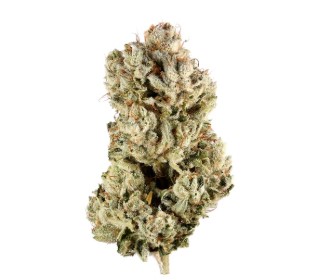
Shipwreck is a sativa-dominant hybrid strain known for its energizing, euphoric effects and fruity-sweet aroma. It has carved a niche among daytime users, medical patients, and connoisseurs who seek clarity and creativity. While not as widespread as some marquee strains, Shipwreck has gained a loyal following due to its balanced potency and distinctive flavor.
Genetic Lineage and Breeding
Shipwreck is believed to be a cross between:
- Trainwreck (Sativa-dominant)
- Mothership (Hybrid)
This lineage imparts strong cerebral effects from Trainwreck and a mellow body influence from Mothership. The precise breeder is debated in cannabis circles, but the strain is most commonly associated with cultivators in the Pacific Northwest.
Genetic and Phenotypic Considerations
- Genotype: Sativa-dominant hybrid (~70% sativa)
- Phenotype Traits:
- Tall structure with long internodes
- Large fan leaves with thin serrations
- Buds are spear-shaped, medium-density
- High trichome density (ideal for extraction)
Breeding Insight: Shipwreck expresses traits from its parent strains (Trainwreck and Mothership), including vertical growth, heat tolerance, and complex terpene production. Stabilized phenotypes typically exhibit sweet-fruity aromas and moderate resistance to pathogens.
Environmental Parameters
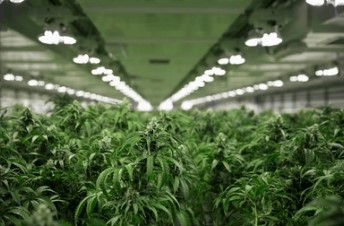
Indoor Cultivation
| Factor | Optimal Range |
|---|---|
| Temperature (veg) | 72–80°F (22–27°C) |
| Temperature (flowering) | 68–78°F (20–25°C) |
| Relative Humidity (veg) | 55–65% |
| RH (flowering) | 40–50% |
| CO₂ Levels | 1000–1200 ppm (during lights on) |
| Light Cycle (veg) | 18/6 |
| Light Cycle (flowering) | 12/12 |
| PPFD | 400–600 μmol/m²/s (veg), 700–1000 μmol/m²/s (flower) |
Scientific Rationale:
- Reducing RH during flowering reduces mold risk on Shipwreck’s fluffy colas.
- CO₂ enrichment boosts photosynthetic rates under high light intensity, enhancing biomass.
- Higher light intensity promotes trichome development and terpene synthesis.
Outdoor Cultivation
- Climate: Warm Mediterranean or semi-arid
- Planting Time: After last frost (late spring)
- Harvest Window: Late October
- Risk Factors: Late-season mold (botrytis), cold stress, wind damage due to tall stalks
Tip: Topping or trellising is critical outdoors to prevent breakage and improve airflow.
Nutrient and Substrate Science
Medium Options:
- Coco coir + perlite (70/30) for hydroponic control
- Living soil with active microbiome for terpene enhancement
- Rockwool for hydroponic recirculation systems
pH Range:
| Medium Type | Optimal pH |
|---|---|
| Soil | 6.2–6.8 |
| Coco | 5.8–6.3 |
| Hydroponics | 5.5–6.0 |
Nutrient Schedule Overview (per week; ppm = parts per million):
| Stage | N-P-K Ratio | EC (ms/cm) | PPM Range |
|---|---|---|---|
| Seedling | 2-1-2 | 0.4–0.6 | 300–400 |
| Veg (Week 2–5) | 3-1-2 to 4-2-3 | 0.8–1.4 | 500–900 |
| Early Flower | 1-3-2 | 1.2–1.6 | 900–1100 |
| Mid–Late Flower | 0-3-3 | 1.4–2.0 | 1100–1300 |
| Flush (last 10–14 days) | 0-0-0 | <0.4 | <200 |
Supplementation:
- Silicon for stem strength
- Calcium and magnesium (Cal-Mag) crucial for coco and LED grows
- Amino acids, humic acids, and fulvic acids for improved nutrient uptake
Plant Training and Canopy Management
Given Shipwreck’s vigorous sativa growth, the following techniques are scientifically supported to optimize morphology and yield:
Low-Stress Training (LST)
- Bending branches to open canopy and expose bud sites
- Encourages horizontal growth for even light distribution
Screen of Green (SCROG)
- Ideal for indoor tents or vertical spaces
- Reduces apical dominance and maximizes light use efficiency (LUE)
Topping and FIMming
- Performed in week 3–4 of vegetative phase
- Promotes bushier structure and higher colas
Defoliation
- Removes large fan leaves in weeks 2 and 4 of flowering
- Improves airflow and light penetration, reducing mold risk
Supercropping (Advanced)
- Stressing plant by soft-crushing stems can improve hormonal balance and yield
- Enhances trichome production via “wound response” signaling
Integrated Pest and Pathogen Management (IPPM)
Common Threats:
- Powdery mildew: Use sulfur sprays in early veg or beneficial fungi (e.g., Trichoderma).
- Fungus gnats: Avoid overwatering, use Bacillus thuringiensis israelensis (BTi).
- Spider mites: Introduce Phytoseiulus persimilis predators; neem in veg phase.
- Botrytis (bud rot): Manage humidity and prune lower leaves.
Biological Tools:
- Beauveria bassiana and Metarhizium anisopliae for broad-spectrum pest control
- Mycorrhizal fungi for improved phosphorus uptake and root health
Flowering Optimization
Environmental Control During Flowering:
- Reduce night temperatures (~65–68°F) to trigger anthocyanin production (may enhance purples in Shipwreck phenos)
- Maintain VPD (vapor pressure deficit) between 1.2–1.5 kPa for optimal transpiration
UV-B Exposure:
- Brief UV-B (280–315 nm) application in final 2 weeks shown to:
- Increase THC production via stress signaling
- Elevate trichome density as a UV defense response
Flushing Strategy:
- 10–14 days before harvest
- Plain pH-balanced water (or enzymatic flush solution)
- Purpose: Remove nutrient salts, enhance smoothness and flavor
Harvest Timing and Post-Harvest Science
Trichome Maturity Monitoring:
- Use 60x–100x microscope
- Ideal ratio: 10–15% amber, 70% cloudy, 15% clear (for balanced effect)
Drying Protocol:
| Factor | Target |
|---|---|
| Temp | 60–65°F (15–18°C) |
| Humidity | 50–55% RH |
| Duration | 10–14 days |
| Darkness | Yes (to protect terpenes) |
Curing Method:
- Store in airtight glass jars
- Open lids (burp) 1–2x daily for first 10 days
- Final RH in jars: 58–62%
Scientific Reasoning:
- Curing allows enzymatic breakdown of chlorophyll, improving aroma
- Terpene profile stabilizes after 3–4 weeks of curing
- Cannabinoid decarboxylation begins gradually over time
Advanced Monitoring and Data Tools
Modern cultivators can apply precision agriculture principles to Shipwreck cultivation:

- Infrared canopy thermometers to track plant stress
- EC and runoff sensors to fine-tune nutrient uptake
- DLI (Daily Light Integral) meters to optimize photosynthesis
- Machine-learning irrigation systems for coco/hydroponics
Final Cultivation Tips
- Clone over seed: Shipwreck clones preserve phenotype more reliably than seed-grown plants due to strain variability.
- Phenotype hunting (pheno-hunting) may be required to find expressions with the ideal balance of resin production and terpene intensity.
- Lab testing is recommended to optimize harvest time and post-harvest product strategy (e.g., flower, live resin, or edibles).
Aromatic and Flavor Profile
- Primary Aromas: Sweet citrus, mango, floral spice
- Flavor Notes: Tropical fruit, candy-like sweetness, mild pine
- Smoke Quality: Smooth, slightly peppery exhale
Shipwreck’s bouquet is dominated by fruity and citrusy terpenes, offering a candy-like aroma that appeals to both novice and experienced users. This aligns with its uplifting effect profile.
Cannabinoid Profile
While specific concentrations vary by grower and batch, typical Shipwreck lab-tested samples show:
| Cannabinoid | Typical Content |
|---|---|
| THC | 18–24% |
| CBD | 0.1–0.3% |
| CBG | ~0.5% |
| CBN | <0.1% |
| CBC | ~0.2% |
The THC dominance underlies Shipwreck’s strong cerebral stimulation, with minimal CBD, which means it is not inherently calming but can be soothing in low doses. The presence of CBG adds potential anti-inflammatory and neuroprotective benefits.
Terpene Profile and Functional Correlates
| Terpene | Typical Presence | Effects / Benefits |
|---|---|---|
| Myrcene | Moderate | Sedation, muscle relaxation |
| Limonene | High | Elevated mood, anti-anxiety |
| Caryophyllene | Moderate | Anti-inflammatory, analgesic, gut health |
| Pinene | Moderate | Bronchodilation, alertness |
| Terpinolene | Low to moderate | Uplifting, antimicrobial |
The dominant terpene limonene contributes to the euphoria and stress relief associated with Shipwreck. Caryophyllene, a unique terpene that also acts on cannabinoid receptors, may enhance pain relief, while pinene can improve focus and counteract short-term memory deficits induced by THC.
Medical Uses and Scientific Correlations
Shipwreck is primarily used for:
- Depression
- Fatigue and low motivation
- Chronic pain
- ADHD and cognitive dysfunction
- Stress and anxiety (in controlled doses)
- Appetite stimulation
Its medical efficacy comes from:
- High THC (~18–24%)
- Trace amounts of CBD, CBG, CBC
- Terpenes: Limonene, pinene, myrcene, caryophyllene
Each of these compounds engages specific neurochemical pathways in the brain and peripheral body systems, creating a therapeutic synergy (known as the entourage effect).
Neuropsychiatric Conditions
Depression and Mood Disorders
Mechanism:
- THC activates CB1 receptors in the brain’s mesolimbic pathway, enhancing dopamine and serotonin transmission—key neurotransmitters involved in mood regulation.
- Limonene has antidepressant-like effects, increasing serotonin via 5-HT1A receptor agonism (similar to SSRIs).
Relevant Studies:
- Animal models show that limonene reverses corticosterone-induced depression-like behaviors.
- Human observational data suggest daily THC-rich cannabis use is associated with improved mood ratings in individuals with major depressive disorder.
Use Case:
- Shipwreck’s euphoric and energizing effects are often reported by patients as beneficial for morning depressive states, anhedonia, and emotional blunting.
ADHD and Cognitive Fatigue
Mechanism:
- THC in low doses increases dopamine and norepinephrine, enhancing attention and focus.
- Pinene inhibits acetylcholinesterase, which boosts acetylcholine levels—critical for learning and memory.
- CBG also contributes to cognitive support by modulating GABA and 5-HT1A activity.
Scientific Support:
- Clinical reports show that some sativa-dominant strains enhance task initiation and focus, particularly in adults with inattentive-type ADHD.
- Pinene-rich cannabis reduces THC-induced short-term memory loss.
Use Case:
- Patients report Shipwreck helps with task execution, idea organization, and reduction in mental clutter, making it popular among creatives and knowledge workers with cognitive fatigue or ADHD.
Pain and Inflammation
Neuropathic and Inflammatory Pain
Mechanism:
- THC reduces pain through CB1-mediated inhibition of nociceptive neurons.
- Caryophyllene binds directly to CB2 receptors, modulating immune cell activity and reducing inflammation.
- Myrcene and pinene have local analgesic and anti-inflammatory effects via COX pathway inhibition.
Scientific Data:
- Studies demonstrate CB2 receptor agonists (like caryophyllene) reduce inflammatory cytokine release in animal models.
- THC’s analgesic effect is well-documented in neuropathic pain, especially for multiple sclerosis and fibromyalgia.
Use Case:
- Shipwreck provides mild to moderate pain relief, especially for nerve pain, joint inflammation, menstrual cramps, and tension headaches. Unlike heavy indicas, it allows for daytime functionality.
Gastrointestinal and Metabolic Effects
Appetite Stimulation (Cachexia/Anorexia)
Mechanism:
- THC stimulates hypothalamic POMC neurons, which activate ghrelin secretion and enhance hunger signaling.
- Limonene may support gastric motility, easing digestion-related symptoms.
Medical Relevance:
- THC is FDA-approved (as dronabinol) for appetite loss in AIDS and chemotherapy patients.
- Real-world data confirms Shipwreck’s ability to stimulate appetite without heavy sedation.
Use Case:
- Especially useful for patients with cancer, HIV, or eating disorders where maintaining caloric intake is critical.
Stress and Anxiety (Situational)
Situational Anxiety / Stress Reduction
Mechanism:
- THC in small doses binds CB1 receptors in the amygdala and hippocampus, reducing hyperactivity associated with stress responses.
- Limonene and CBG have anxiolytic effects, acting on GABA-A receptors and serotonergic systems.
Dose-Dependent Risk:
- Low doses: Reduce anxiety, improve sociability.
- High doses: Risk of THC-induced anxiety, especially in THC-sensitive individuals.
Supporting Data:
- Double-blind trials show that microdoses of THC reduce stress-induced cortisol elevation.
- Limonene shows benzodiazepine-like anxiolysis in preclinical models without sedation.
Use Case:
- Great for public speaking, social situations, or general stress—provided dosage is controlled (~2.5–5 mg THC per session).
Neuroprotection and Inflammation
Neurodegenerative Support (Early-stage MS, Parkinson’s, etc.)
Mechanism:
- CBG and THC reduce microglial activation, which contributes to neuroinflammation.
- Pinene supports oxygen delivery and anti-oxidant defenses in the brain.
- Caryophyllene reduces oxidative damage in neurons by modulating TNF-α and IL-6.
Evidence:
- Animal studies suggest CBG is neuroprotective in models of Huntington’s disease and Parkinson’s.
- Terpenes like pinene are under investigation for use in Alzheimer’s due to their pro-cognitive properties.
Use Case:
- Shipwreck could be part of a daily microdosing regimen to support cognitive clarity and neuroinflammatory balance.
Menstrual and Hormonal Symptom Relief
Mechanism:
- THC reduces cramping and uterine pain via CB1 receptor activation.
- Caryophyllene and myrcene act as muscle relaxants, easing PMS-related muscle spasms.
- Limonene and pinene may ease mood swings through hormonal modulation of the HPA axis (hypothalamic–pituitary–adrenal system).
Patient Feedback:
- Reported benefits include reduced pelvic pain, increased comfort, and improved mood during menstruation.
Potential Contraindications and Risks (Medical)
| Condition | Consideration |
|---|---|
| Schizophrenia / psychosis | Avoid – high-THC strains can exacerbate psychotic symptoms |
| Bipolar (manic phase) | Use with caution – THC may amplify mania |
| Cardiovascular conditions | Monitor – THC can induce mild tachycardia and BP changes |
| Pregnancy / lactation | Contraindicated – THC crosses the placental barrier |
| THC sensitivity | Microdosing advised – start at 1–2.5 mg |
Dosing Recommendations (Medical Use)
Standardized Oral Dosing:
- Beginner patients: 1–2.5 mg THC (low dose)
- Functional daytime relief: 5–10 mg THC
- Evening relaxation: 10–15 mg, but note risk of overstimulation
Inhaled Dosing (Flower/Vape):
- 1–3 puffs of Shipwreck flower (15–20% THC) delivers ~3–6 mg of THC
- Effects peak at 10–15 min; last 2–3 hours
Titration is key—start low, increase as needed depending on tolerance and therapeutic target.
Summary of Medical Benefits and Mechanisms
| Medical Issue | Primary Active Compounds | Mechanism of Action |
|---|---|---|
| Depression | THC, limonene, CBG | Dopamine/serotonin release, 5-HT1A activity |
| ADHD / Focus | THC (low), pinene, CBG | Dopamine, acetylcholine modulation |
| Chronic Pain | THC, caryophyllene, myrcene | CB1/CB2 activation, anti-inflammatory |
| Appetite Loss | THC | Ghrelin release, hypothalamic stimulation |
| Stress / Anxiety | Limonene, THC (low), CBG | GABAergic tone, amygdala inhibition |
| Menstrual cramps | THC, myrcene, caryophyllene | Muscle relaxation, CB1-mediated pain relief |
| Neuroinflammation | CBG, pinene, THC | Microglial inhibition, antioxidant support |
Recreational Use and User Experience
Shipwreck is particularly favored by recreational users looking for:
Creativity and Focus
- User Reports: Enhanced ideation, artistic expression, problem-solving.
- Ideal Settings: Creative tasks, brainstorming, reading, music production.
Sociability and Euphoria
- Onset: Fast-acting (~5–10 minutes when smoked or vaped).
- Peak Effects: Last 1.5 to 3 hours depending on dose and tolerance.
- Noted Effects: Talkativeness, laughter, appreciation of music and colors.
Outdoor and Daytime Activities
- Suitable for hiking, dancing, or daytime adventures due to its stimulating properties.
- Not typically recommended for late-night use unless counteracted with an indica strain.
Potential Side Effects and Contraindications
| Effect | Incidence | Mechanism |
|---|---|---|
| Dry mouth (xerostomia) | Common | THC impacts salivary secretion |
| Dry eyes | Moderate | Cannabinoid-related lacrimal inhibition |
| Anxiety/paranoia | Low–moderate | Dose-dependent THC effects |
| Dizziness | Rare | Blood pressure modulation post-inhalation |
| Tachycardia | Low | Stimulatory THC response |
Note: THC-sensitive individuals or those with panic disorders should start with low doses due to Shipwreck’s cerebral intensity.
Scientific Insights into Mechanisms of Action
THC and CB1/CB2 Activation
- THC’s action at CB1 receptors in the brain results in euphoria, altered perception, and increased appetite.
- It also acts at CB2 receptors peripherally, helping to modulate inflammation and immune response.
Terpenes and the Entourage Effect
- Limonene, pinene, and caryophyllene may synergize with THC, amplifying mood-lifting and analgesic properties.
- Terpenes cross the blood-brain barrier and modulate neurotransmitter activity via GABA, serotonin, and dopamine pathways.
Role of CBG and Minor Cannabinoids
- CBG may inhibit GABA reuptake and reduce anxiety.
- It may also stimulate neurogenesis and support focus and clarity without psychoactivity.
Neuroplasticity and Dopaminergic Activity
- THC has been shown to increase extracellular dopamine in the mesolimbic pathway, associated with reward and motivation.
- Shipwreck’s combination of THC and terpenes like pinene may help maintain clarity rather than cause cognitive haziness.
Comparative Analysis
| Strain | Effect Similarity | Differences |
|---|---|---|
| Trainwreck | High | Shipwreck is sweeter and more uplifting |
| Green Crack | Moderate | Shipwreck has a broader terpene profile |
| Jack Herer | Moderate | Shipwreck may induce more euphoria |
| Mothership | Parent | Shipwreck is less sedating, more creative |
User Community and Popular Culture Notes
- Shipwreck is occasionally featured at West Coast dispensaries, though not as common as more mainstream strains.
- Cultivation communities report that it clones well and has stable phenotypes.
- Noted among cannabis reviewers as a “hidden gem” for writers, artists, and tech workers seeking flow state.
Legal and Market Availability
- Availability: Moderately rare; more accessible in Oregon, Washington, and Northern California.
- Price Range: Mid-tier to premium, typically $35–$55 per eighth depending on THC levels and growing method.
- Product Types: Available as flower, pre-rolls, vape carts, and occasionally in live resin formats.
Conclusion
Shipwreck is a well-balanced, sativa-dominant hybrid that offers a compelling mix of euphoria, mental clarity, and mild body relaxation. Its nuanced terpene profile—featuring limonene, caryophyllene, and pinene—enhances its recreational and medicinal versatility. From enhancing creativity to managing depression and fatigue, Shipwreck demonstrates the therapeutic potential of thoughtfully bred cannabis strains.
With proper dosing, it serves both the medical community and recreational users seeking vibrant, clear-headed experiences. For those seeking a strain that keeps the mind buoyant, and the mood elevated, Shipwreck is a botanical voyage well worth taking.
For a complete directory of cultivars, visit our Cannabis Strain Reviews.
