Table of Contents
To delve further into the scientific aspects of Shiatsu Kush, we can break it down into its phytochemical properties, the interaction of cannabinoids and terpenes with the endocannabinoid system, and insights into its potential therapeutic pathways. Here’s a more comprehensive analysis:
Phytochemical Profile
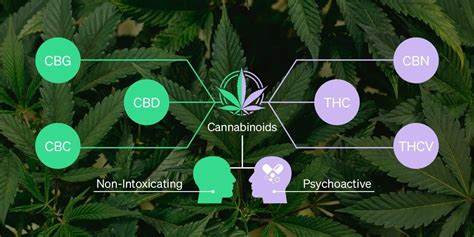
- Cannabinoids
- THC (Δ9-Tetrahydrocannabinol):
- Shiatsu Kush features THC levels ranging from 12% to 23%, making it a moderately potent strain.
- THC binds to CB1 receptors in the brain, producing psychoactive effects and modulating pain, mood, and appetite.
- High THC levels in Shiatsu Kush explain its efficacy in pain relief and stress reduction.
- CBD (Cannabidiol):
- With CBD levels of approximately 1.5% to 3%, the strain provides a balance, mitigating some psychoactive effects of THC.
- CBD’s interaction with CB2 receptors aids in reducing inflammation, potentially benefiting conditions like arthritis or inflammatory bowel diseases.
- Its neuroprotective qualities make it a candidate for supporting mental health conditions such as anxiety and depression.
- THC (Δ9-Tetrahydrocannabinol):
- Terpenes
- Myrcene (Earthy, Herbal)
- Commonly associated with sedative effects, myrcene contributes to the calming and relaxing properties of Shiatsu Kush.
- It also enhances THC absorption through the blood-brain barrier, potentiating the strain’s effects.
- Limonene (Citrus)
- Associated with elevated mood and stress relief, this terpene contributes to the uplifting effects of Shiatsu Kush.
- Its anti-inflammatory and antioxidant properties make it therapeutically valuable.
- Beta-Caryophyllene (Spicy, Woody)
- A rare terpene that interacts with CB2 receptors, offering anti-inflammatory and analgesic benefits.
- It may enhance the strain’s utility for chronic pain and autoimmune disorders.
- Pinene (Pine-like)
- Known for promoting alertness and counteracting THC-induced memory impairment.
- Potentially beneficial for users who require mental clarity alongside relaxation.
- Linalool (Floral)
- Associated with anxiolytic and sedative effects, it may contribute to Shiatsu Kush’s efficacy in addressing insomnia and anxiety disorders.
- Myrcene (Earthy, Herbal)
Mechanism of Action on the Endocannabinoid System (ECS)
The ECS is a network of receptors (CB1 and CB2), endogenous cannabinoids (anandamide and 2-AG), and enzymes that regulate various physiological processes. Shiatsu Kush’s cannabinoids and terpenes modulate this system:
- CB1 Receptor Activation:
- THC primarily binds to CB1 receptors in the central nervous system, inducing psychoactive effects, reducing pain perception, and alleviating stress.
- Overactivation may cause side effects like anxiety, but the CBD content in Shiatsu Kush tempers these effects.
- CB2 Receptor Interaction:
- CBD and beta-caryophyllene interact with CB2 receptors found in peripheral tissues, influencing immune response and reducing inflammation.
- This pathway is especially relevant for chronic pain, inflammatory diseases, and autoimmune conditions.
- Entourage Effect:
- The combined action of cannabinoids and terpenes enhances therapeutic benefits through the “entourage effect.”
- For example, myrcene enhances THC’s sedative effects, while limonene uplifts mood, creating a balanced experience unique to Shiatsu Kush.
Therapeutic Potential

Pain Management
- Chronic Pain Relief:
- THC’s activation of CB1 receptors modulates nociception (pain perception).
- Beta-caryophyllene’s anti-inflammatory effects complement this by reducing inflammation-related pain.
- Neuropathic Pain:
- Shiatsu Kush may be beneficial for conditions like fibromyalgia or diabetic neuropathy due to its cannabinoid-terpene synergy.
Mental Health Support
- Anxiety and Stress Relief:
- CBD indirectly boosts anandamide levels by inhibiting FAAH (fatty acid amide hydrolase), the enzyme responsible for its breakdown.
- Terpenes like linalool and limonene amplify these anxiolytic effects.
- Mood Disorders:
- THC’s dopaminergic activity can elevate mood, while CBD mitigates potential THC-induced paranoia, making it suitable for depression.
Sleep Disorders
- Insomnia:
- Myrcene’s sedative properties, combined with THC-induced relaxation, make Shiatsu Kush effective for promoting sleep.
- Linalool enhances these effects, aiding in sleep onset and quality.
Anti-Inflammatory and Immune Modulation
- CBD and beta-caryophyllene’s interaction with CB2 receptors regulates immune responses.
- Shiatsu Kush may benefit inflammatory conditions like rheumatoid arthritis, Crohn’s disease, and lupus.
Neuroprotection
- CBD’s neuroprotective properties include reducing oxidative stress and promoting neural plasticity.
- Limonene and pinene also contribute by reducing inflammation in neural tissues.
Glaucoma and Eye Pressure
- THC reduces intraocular pressure, potentially benefiting glaucoma patients.
- The strain’s anti-inflammatory effects further contribute to eye health.
Scientific Studies and Data
While strain-specific research on Shiatsu Kush is limited, findings from studies on its primary cannabinoids and terpenes are applicable:
- Cannabinoid Research:
- A 2018 study published in Frontiers in Neurology highlights CBD’s efficacy in reducing seizures and neuroinflammation, suggesting similar benefits in Shiatsu Kush.
- THC’s analgesic and muscle-relaxing properties are well-documented in studies like the one published in European Journal of Pain (2020), supporting its use for chronic pain.
- Terpene Research:
- Myrcene’s sedative effects were explored in a 2002 study in Phytomedicine, confirming its role in relaxation and sleep induction.
- Limonene’s antidepressant effects were demonstrated in a 2013 study in Neuroscience Letters, supporting its mood-enhancing potential.
- Synergistic Effects:
- The “entourage effect” is supported by a 2011 review in British Journal of Pharmacology, emphasizing the therapeutic advantage of whole-plant cannabis over isolated cannabinoids.
Potential for Clinical Applications
- Cancer Symptom Management:
- Shiatsu Kush’s cannabinoids may help manage chemotherapy-induced nausea and pain.
- THC and CBD have shown promise in reducing tumor progression in preclinical studies.
- Epilepsy and Seizure Disorders:
- While more research is required, CBD’s anticonvulsant properties may make Shiatsu Kush beneficial for seizure control.
- Cardiovascular Health:
- Limonene and CBD may help reduce oxidative stress and improve vascular function, though caution is advised due to THC’s potential cardiovascular effects.
- Addiction Recovery:
- CBD’s interaction with the ECS may reduce drug cravings and withdrawal symptoms, making Shiatsu Kush a candidate for supporting addiction treatment.
To provide a thorough understanding of Shiatsu Kush’s methods of ingestion, onset, duration, and effects, we’ll break this down into practical use cases and the corresponding pharmacological insights for each method.
Methods of Ingestion
Shiatsu Kush can be consumed in various ways, each with distinct effects, onset times, and durations:
1. Smoking
- Method: Rolled into joints, smoked through pipes, or bongs.
- Onset: 1–5 minutes.
- Duration: Effects last 1.5–3 hours.
- Effects:
- Smoking provides rapid onset as THC is absorbed through the alveoli in the lungs and enters the bloodstream almost instantly.
- Users report an initial cerebral euphoria that transitions into body relaxation.
- Pros:
- Immediate relief for acute symptoms like pain or stress.
- Easy to titrate dose by taking smaller or larger puffs.
- Cons:
- Harsh on the lungs.
- Loss of cannabinoids due to combustion.
2. Vaporization
- Method: Using a dry herb or concentrate vaporizer.
- Onset: 1–5 minutes.
- Duration: Effects last 1.5–3 hours.
- Effects:
- Vaporization preserves terpenes like myrcene, limonene, and beta-caryophyllene, delivering a more flavorful experience.
- Similar to smoking, but smoother on the throat and lungs.
- Pros:
- Efficient cannabinoid delivery.
- Less harmful than smoking.
- Cons:
- Requires specialized equipment.
3. Edibles
- Method: Infusing Shiatsu Kush into food or beverages.
- Onset: 30–90 minutes.
- Duration: Effects last 4–8 hours (sometimes up to 12 hours in high doses).
- Effects:
- Edibles are metabolized by the liver, converting THC into 11-Hydroxy-THC, a more potent metabolite.
- Results in deeper, more body-focused effects.
- Pros:
- Long-lasting relief for chronic pain or insomnia.
- No lung irritation.
- Cons:
- Difficult to dose accurately.
- Overconsumption risk because to delayed onset.
4. Tinctures and Sublinguals
- Method: Cannabis extract placed under the tongue.
- Onset: 15–30 minutes.
- Duration: Effects last 2–4 hours.
- Effects:
- Direct absorption through mucosal membranes leads to faster onset compared to edibles.
- Both intellectual and physical effects are balanced.
- Pros:
- Discreet and easy to dose.
- Cons:
- Shorter duration compared to edibles.
5. Topicals
- Method: Creams, balms, or oils infused with Shiatsu Kush applied to the skin.
- Onset: 15–30 minutes.
- Duration: Effects last 2–6 hours.
- Effects:
- Non-psychoactive; provides localized relief for pain, inflammation, or skin conditions.
- Pros:
- Ideal for users who do not want systemic psychoactive effects.
- Cons:
- Limited to localized symptom relief.
6. Dabbing (Concentrates)
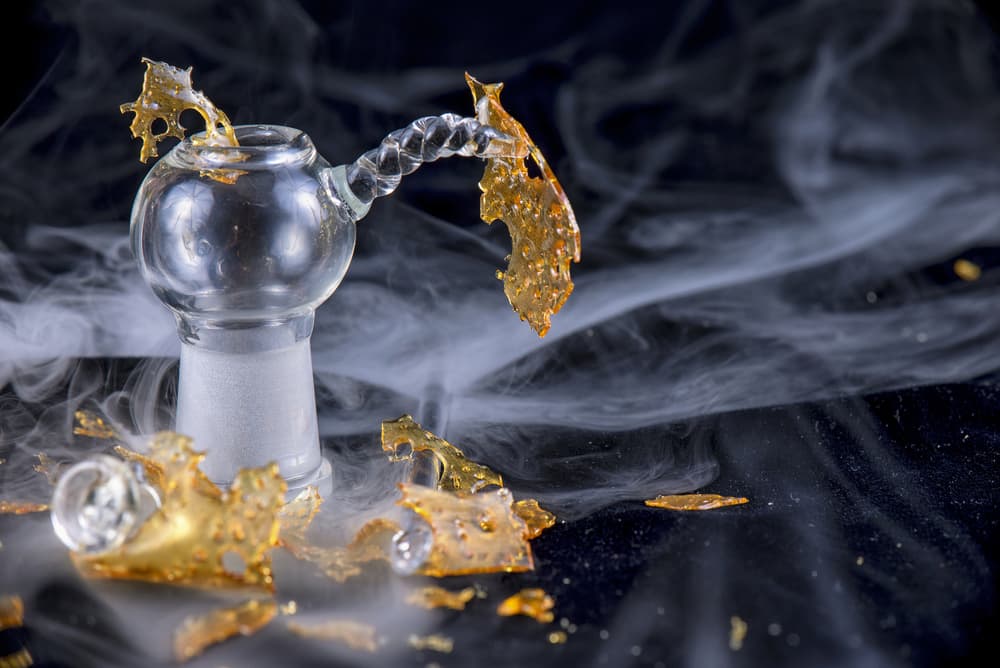
- Method: Heating and inhaling cannabis concentrates (e.g., wax, shatter, or resin).
- Onset: Immediate (within seconds).
- Duration: Effects last 1–3 hours.
- Effects:
- Provides an intense and immediate experience, suitable for experienced users.
- Pros:
- Highly potent; efficient for severe symptoms.
- Cons:
- Requires specialized equipment; not beginner-friendly.
Onset, Duration, and Effects
Onset
The onset of Shiatsu Kush depends largely on the method of ingestion:
- Smoking/Vaporization: Quick onset (1–5 minutes), ideal for acute relief.
- Edibles: Delayed onset (30–90 minutes), better suited for long-lasting relief.
- Sublinguals: Moderate onset (15–30 minutes), balancing speed and duration.
Duration
- Short Duration (1.5–3 hours): Smoking, vaping, and dabbing.
- Moderate Duration (2–4 hours): Sublingual tinctures.
- Long Duration (4–8+ hours): Edibles.
Effects by Stage
- Initial Onset (Cerebral Phase):
- A feeling of mental clarity and joy.
- Tingling sensation starting in the head and neck, indicative of THC’s activation of CB1 receptors.
- Peak Effects (Body Phase):
- Full-body relaxation, with the potential for a sedative, tingling sensation spreading from the core to the limbs.
- Reduction in stress and muscle tension.
- Slight cerebral haze may occur at higher doses.
- Come-Down:
- Gradual dissipation of psychoactive effects.
- Users typically report a lingering sense of calm and well-being.
Factors Influencing Effects
- Dose:
- Low doses (1–5 mg THC): Mild euphoria, enhanced focus, minimal sedation.
- Moderate doses (5–15 mg THC): Balanced euphoria and relaxation.
- High doses (15–30+ mg THC): Intense relaxation, potential sedation, and heightened psychoactivity.
- User Tolerance:
- Novice users may experience stronger psychoactive effects at lower doses.
- Higher dosages could be necessary for frequent users to get comparable results.
- Environment:
- Relaxing environments enhance the calming effects of Shiatsu Kush.
- Stimulatory environments may amplify its euphoric properties.
- Biological Factors:
- Metabolism, age, body weight, and individual endocannabinoid system (ECS) tone all influence effects.
Use Cases by Ingestion Method
For Pain Relief:
- Smoking or vaporization provides immediate relief.
- Edibles or tinctures are better for sustained pain management.
For Stress and Anxiety:
- Vaporization and tinctures offer a quick and balanced response.
- Edibles provide a longer-lasting calming effect but require careful dosing.
For Sleep:
- Edibles or high doses via smoking/vaporization before bedtime.
- The strain’s myrcene and linalool content enhance its sedative properties.
For Creativity and Socialization:
- Low to moderate doses via smoking or vaping can enhance focus and creativity without excessive sedation.
Cautionary Notes
- Overconsumption:
- Particularly with edibles, the delayed onset can lead to unintentional overconsumption, resulting in heightened side effects like paranoia, dizziness, or anxiety.
- Dry Mouth and Dry Eyes:
- Common side effects of THC. Using moisturizing eye drops and staying hydrated can be beneficial.
- Paranoia/Anxiety:
- Higher doses of THC may induce these effects, particularly in sensitive users or those predisposed to anxiety. Starting with a low dose is advised.
Cultivating Shiatsu Kush involves understanding its unique requirements and characteristics, as this strain originates from Japan’s Amami Ōshima Island, a subtropical climate known for its warm and humid conditions. Below is an in-depth look at the scientific aspects of Shiatsu Kush cultivation, from environmental preferences to genetic characteristics and potential challenges.
Cultivation Overview
- Type: Balanced hybrid (Indica-leaning).
- Difficulty Level: Moderate (suitable for both novice and experienced growers).
- Preferred Environment: Thrives in both indoor and outdoor setups; optimal in Mediterranean-like climates with consistent warmth and low humidity.
- Resilience: Resistant to common molds, mildew, and pests, making it relatively low-maintenance.
Scientific Cultivation Factors
1. Environmental Requirements
Shiatsu Kush is a photoperiod strain, meaning it requires specific light cycles to transition from vegetative to flowering stages.
- Temperature Range:
- Optimal daytime temperatures: 21–27°C (70–80°F).
- Nighttime temperatures: Should not drop below 18°C (65°F) to avoid stress.
- Extreme heat or cold can hinder growth, reduce yields, and compromise terpene profiles.
- Humidity:
- Vegetative Stage: 50–60% relative humidity (RH).
- Flowering Stage: 40–50% RH to prevent mold and mildew development, particularly on dense buds.
- Lighting:
- Vegetative Stage: Light for 18 to 24 hours a day.
- Flowering Stage: 12 hours of light per day.
- Ideal light spectrum: Full-spectrum grow lights (3000K–6500K) for indoor setups to mimic natural sunlight.
- Airflow and Ventilation:
- Shiatsu Kush benefits from consistent airflow to prevent mold growth on its dense buds.
- Inline fans and oscillating fans are recommended for indoor cultivation to maintain air circulation.
2. Soil and Nutrient Requirements
- Soil Composition:
- Favors nutrient-rich, well-drained soil that is well-aerated.
- Ideal pH range: 6.0–6.5 for soil; 5.5–6.0 for hydroponic systems.
- Enhancing soil with organic matter like compost or worm castings can improve nutrient availability.
- Nutrients:
- Vegetative Stage:
- High nitrogen (N) content to support vigorous leaf and stem growth.
- Moderate potassium (K) and phosphorus (P) levels.
- Trace micronutrients (e.g., calcium, magnesium, and sulfur) are crucial for healthy development.
- Flowering Stage:
- Change to greater potassium and phosphorus levels to encourage the growth of buds.
- Reducing nitrogen during flowering helps prevent leafy growth that diverts energy from flower production.
- Vegetative Stage:
3. Growth Characteristics
- Plant Structure:
- Medium height with a bushy, indica-like structure, making it manageable for indoor growers.
- Responds well to training techniques such as topping, low-stress training (LST), and screen of green (ScrOG) to maximize light exposure and yields.
- Leaf Shape:
- Broad, dark green leaves indicative of its indica genetics.
- Root System:
- Requires ample space for root development, particularly in outdoor or hydroponic systems.
4. Flowering and Yield
- Flowering Time:
- Indoors: 8–9 weeks.
- Outdoors: Harvest is typically in mid-October in the Northern Hemisphere.
- Yield:
- Indoor: ~350–450 grams per square meter.
- Outdoor: ~400–500 grams per plant, depending on environmental conditions and grower expertise.
- Buds:
- Dense, light green buds covered with a heavy layer of crystal trichomes.
- Aroma during flowering includes earthy, woody, and sweet tropical notes due to high terpene concentrations.
Scientific Considerations for Indoor and Outdoor Cultivation
Indoor Cultivation
- Controlled Environment:
- Indoor setups allow precise control over temperature, humidity, and light cycles.
- LED grow lights are preferred for energy efficiency and maintaining optimal light spectrums.
- Hydroponics vs. Soil:
- Hydroponics: Faster growth and higher yields but requires advanced knowledge of nutrient management.
- Soil: Easier for beginners and allows for more natural terpene development.
- Pest Management:
- Common pests like spider mites and fungus gnats can be managed with regular inspection and organic insecticides (e.g., neem oil).
Outdoor Cultivation
- Location:
- Requires soil that drains properly and a sunny spot.
- Protect from heavy rains, which can lead to mold on dense buds.
- Seasonality:
- Plant outdoors in late spring to align with the natural light cycle.
- Ensure plants are harvested before the first frost in cooler climates.
- Pest and Disease Resistance:
- Shiatsu Kush is naturally resistant to many common pests and diseases but still benefits from preventative measures like companion planting (e.g., marigolds to deter pests).
Advanced Cultivation Techniques
1. Low-Stress Training (LST):
- Bending and tying branches to increase light penetration to lower nodes.
- Encourages even canopy growth and improves yields.
2. Screen of Green (ScrOG):
- Using a horizontal screen to train plants horizontally.
- Maximizes light exposure and increases flower production per square meter.
3. Defoliation:
- Removing excess fan leaves during the flowering stage improves airflow and light penetration, reducing the risk of mold.
4. CO₂ Supplementation:
- Enriching the grow room with CO₂ (1000–1500 ppm) can boost photosynthesis and accelerate growth in controlled environments.
Genetic Characteristics and Propagation
- Genetic Stability:
- Shiatsu Kush is an heirloom strain, suggesting stable genetics optimized for therapeutic effects.
- Propagation:
- Seeds:
- Use feminized seeds for higher chances of female plants, which produce the buds rich in THC and CBD.
- Germination success is improved by soaking seeds in water for 12–24 hours before planting.
- Cloning:
- Taking cuttings from a healthy mother plant ensures genetic consistency and faster growth compared to starting from seeds.
- Seeds:
Challenges in Cultivation
- Terpene Preservation:
- High temperatures during drying and curing can degrade terpenes like myrcene and limonene, diminishing the strain’s aroma and therapeutic effects.
- Dense Buds:
- While desirable, dense buds are more susceptible to mold and bud rot. Careful humidity control is essential during the flowering stage.
- Harvest Timing:
- Harvesting too early results in underdeveloped cannabinoids and terpenes.
- Optimal harvest time is determined by trichome color:
- Clear trichomes: Premature.
- Cloudy trichomes: Peak THC levels.
- Amber trichomes: More sedative effects (higher CBN content).
Post-Harvest Considerations
- Drying:
- Dry buds in a dark, well-ventilated space at 18–22°C (65–72°F) with 45–55% RH.
- Proper drying enhances potency and reduces the risk of mold.
- Curing:
- Store dried buds in airtight jars and “burp” them daily for 1–2 weeks.
- Maintain RH between 58–62% for optimal curing conditions.
- Curing enhances flavor, aroma, and overall quality.
- Storage:
- Store cured buds in a cool, dark place in airtight containers to preserve cannabinoids and terpenes.
Limitations and Areas for Future Research
- Lack of Strain-Specific Studies:
- Most therapeutic claims are extrapolated from studies on THC, CBD, and terpenes. Shiatsu Kush-specific studies are needed to validate its effects.
- Individual Variability:
- The effects of Shiatsu Kush may vary depending on individual ECS function, tolerance, and dosage.
- Long-Term Effects:
- Limited data exists on the long-term use of Shiatsu Kush, especially concerning its balance of THC and CBD.
- Interaction with Medications:
- Shiatsu Kush may interact with pharmaceuticals, especially those metabolized by cytochrome P450 enzymes, warranting caution in patients on medication.
Conclusion
Shiatsu Kush exemplifies the potential of balanced cannabis strains in both recreational and medical contexts. Its scientifically supported therapeutic properties—rooted in its cannabinoids and terpenes—highlight its value for managing pain, inflammation, mood disorders, and sleep disturbances. However, further strain-specific research is necessary to unlock its full clinical potential.
For a complete directory of cultivars, visit our Cannabis Strain Reviews.
