Table of Contents
Sharksbreath is a hybrid cannabis strain known for its potent effects, unique flavor profile, and therapeutic applications. This strain is a cross between Great White Shark and Lamb’s Bread, resulting in a well-rounded hybrid that possesses both sativa and indica qualities. It has gained popularity among both recreational and medical users due to its high THC content, moderate CBD levels, and diverse terpene profile.
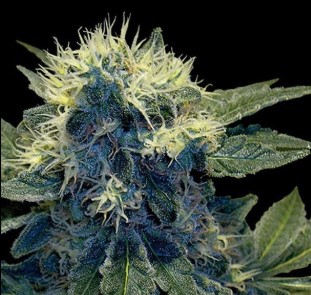
Origins and Genetics of Sharksbreath
Sharksbreath is a well-balanced hybrid with a slightly indica-leaning genetic profile. Its parent strains contribute to its unique effects and medicinal potential.
Parent Strains
(A) Great White Shark (Indica-Dominant)
- Genetics: White Widow × South American landrace sativa
- Effects: Relaxing, body-heavy, pain-relieving
- Aroma & Flavor: Earthy, skunky, citrusy
- Medical Benefits: Pain relief, muscle relaxation, stress reduction
(B) Lamb’s Bread (Sativa-Dominant)
- Genetics: Jamaican landrace sativa
- Effects: Uplifting, cerebral, energetic
- Aroma & Flavor: Sweet, spicy, herbal
- Medical Benefits: Mood enhancement, focus, anti-depressant effects
By combining these two potent strains, Sharksbreath inherits the relaxing properties of Great White Shark and the uplifting cerebral effects of Lamb’s Bread.
Cannabinoid Profile of Sharksbreath
Sharksbreath is known for its high THC content and the presence of minor cannabinoids that contribute to its medical effects.
| Cannabinoid | Typical Concentration (%) |
|---|---|
| THC | 18-24% |
| CBD | 0.5-2% |
| CBG | 0.5-1% |
| CBC | 0.3-0.8% |
| THCV | 0.2-1% |
THC (Tetrahydrocannabinol)
- Primary psychoactive compound.
- Interacts with CB1 receptors in the brain, leading to euphoria, relaxation, and pain relief.
- Anti-inflammatory and neuroprotective properties.
CBD (Cannabidiol)
- Low to moderate concentration.
- Balances the psychoactive effects of THC.
- Anti-inflammatory, anxiolytic, and anti-epileptic properties.
CBG (Cannabigerol)
- Neuroprotective and anti-inflammatory.
- Potential benefits for glaucoma and inflammatory bowel disease.
CBC (Cannabichromene)
- Synergistic effects with THC and CBD.
- Potential anti-depressant and analgesic properties.
THCV (Tetrahydrocannabivarin)
- May act as an appetite suppressant.
- Enhances energy and focus.
Terpene Profile of Sharksbreath
Terpenes contribute to the aroma, flavor, and medicinal effects of Sharksbreath.
| Terpene | Aroma/Flavor | Potential Effects |
|---|---|---|
| Myrcene | Earthy, musky, herbal | Sedative, muscle relaxation, anti-inflammatory |
| Limonene | Citrus, lemon, sweet | Mood elevation, stress relief, anti-anxiety |
| Caryophyllene | Pepper, spice, woody | Anti-inflammatory, pain relief, gut health |
| Pinene | Pine, fresh, herbal | Alertness, memory retention, bronchodilator |
| Humulene | Woody, spicy, herbal | Appetite suppressant, anti-inflammatory |
- Myrcene contributes to relaxation and sedation.
- Limonene provides an uplifting mood boost.
- By interacting with CB2 receptors, caryophyllene lowers inflammation.
- Pinene enhances mental clarity and focus.
- Humulene suppresses appetite, making it unique among indica-leaning hybrids.
Recreational Effects of Sharksbreath
Onset and Duration
- Onset: 5-15 minutes after inhalation; 30-60 minutes after oral ingestion.
- Peak Effects: 1-2 hours.
- Total Duration: 3-6 hours, depending on dosage and consumption method.
Cognitive Effects
- Euphoria and Uplifting Sensation.
- Increased Creativity and Focus (Lamb’s Bread genetics).
- Relaxation without heavy sedation.
Physical Effects
- Mild Body Relaxation (from Great White Shark).
- Tingling Sensation and stress relief.
- Does not induce couch-lock but can be sedative in high doses.
Possible Side Effects
- Dry mouth and dry eyes.
- Mild vertigo or excessive paranoia.
- Potential anxiety in THC-sensitive individuals.
Medical Applications of Sharksbreath
Sharksbreath is a balanced hybrid cannabis strain known for its potent medical properties due to its high THC content (18-24%), moderate CBD levels, and diverse terpene profile. It has been widely recognized for its effectiveness in pain management, neurological disorders, mental health conditions, gastrointestinal disorders, cancer-related symptoms, and sleep disorders.
Methods, Onset, and Duration
Sharksbreath cannabis strain offers various ingestion methods, each affecting bioavailability, onset time, and duration. Understanding these factors helps in optimizing both medical and recreational use.
Methods of Ingestion and Pharmacokinetics
Inhalation (Smoking/Vaporization)
- Absorption: Through alveoli in the lungs, directly into the bloodstream.
- Onset: 2-10 minutes (fastest method).
- Peak Effects: 30-60 minutes.
- Duration: 2-4 hours.
- Bioavailability: 30-50%.
- Best For: Immediate relief (pain, anxiety, migraines, nausea).
- Vaporization is preferred over smoking due to higher efficiency and reduced toxins.
Oral Consumption (Edibles, Capsules)
- Absorption: Through digestive system, metabolized in the liver (first-pass metabolism).
- Onset: 30-120 minutes (slowest method).
- Peak Effects: 2-4 hours.
- Duration: 6-12 hours (longest-lasting).
- Bioavailability: 4-20% (varies with digestion).
- Best For: Chronic pain, sleep disorders, long-lasting symptom relief.
- THC is converted into 11-hydroxy-THC, producing stronger, more sedative effects.
Sublingual (Tinctures, Oils)
- Absorption: Through mucous membranes under the tongue, bypassing digestion.
- Onset: 15-45 minutes.
- Peak Effects: 60-90 minutes.
- Duration: 4-6 hours.
- Bioavailability: 20-35%.
- Best For: Fast-acting yet longer-lasting effects (pain, anxiety, epilepsy).
- More efficient and predictable dosing than edibles.
Transdermal (Patches) & Topicals
- Transdermal:Cannabinoids enter bloodstream, providing systemic effects.
- Onset: 15-45 minutes, Duration: 6-12 hours, Bioavailability: 30-50%.
- Best For: Chronic pain, inflammation, steady THC/CBD release.
- Topicals: Provide localized relief (arthritis, muscle pain), but do not enter bloodstream.

Comparative Analysis of Different Consumption Methods
| Method | Onset Time | Peak Effects | Total Duration | Bioavailability | Best For |
|---|---|---|---|---|---|
| Smoking/Vaporization | 2-10 min | 30-60 min | 2-4 hrs | 30-50% | Immediate relief (pain, anxiety, nausea) |
| Edibles (Oral) | 30-120 min | 2-4 hrs | 6-12 hrs | 4-20% | Long-lasting relief (chronic pain, insomnia) |
| Sublingual (Tinctures) | 15-45 min | 60-90 min | 4-6 hrs | 20-35% | Faster than edibles, precise dosing |
| Transdermal (Patches) | 15-45 min | 2-6 hrs | 6-12 hrs | 30-50% | Sustained, systemic relief |
| Topicals (Creams) | 30-60 min | N/A | N/A | Localized only | Pain and inflammation relief |
Pharmacological Mechanisms and the Endocannabinoid System (ECS)
Sharksbreath’s medical benefits stem from its interaction with the endocannabinoid system (ECS), which regulates pain, inflammation, mood, appetite, and immune function.
How Cannabinoids Work in the ECS
The ECS consists of:
- CB1 Receptors: Found in the brain and nervous system. Modulates pain perception, memory, and mood.
- CB2 Receptors: Found in peripheral organs and the immunological system. Regulates inflammation and immune responses.
Key Cannabinoids in Sharksbreath
| Cannabinoid | Medical Effects | Mechanism of Action |
|---|---|---|
| THC (18-24%) | Pain relief, anti-inflammatory, anti-nausea, appetite stimulation | Activates CB1 receptors, modulates neurotransmitters |
| CBD (0.5-2%) | Anti-inflammatory, neuroprotective, anti-anxiety | Indirectly affects CB1 & CB2, increases anandamide |
| CBG (0.5-1%) | Anti-bacterial, neuroprotective, appetite stimulant | Binds to CB2 receptors, reduces neuroinflammation |
| CBC (0.3-0.8%) | Anti-depressant, pain relief, anti-inflammatory | Enhances effects of THC and CBD |
| THCV (0.2-1%) | Appetite suppressant, anti-epileptic, energy booster | Modulates CB1 receptor activity |
Medical Applications of Sharksbreath
Sharksbreath is widely used in clinical cannabis therapy for treating various medical conditions.

Chronic Pain and Neuropathic Disorders
(A) Mechanisms of Pain Relief
- THC modulates pain perception by binding to CB1 receptors in the brain and spinal cord.
- CBD and CBG reduce inflammation by activating CB2 receptors.
- Myrcene (terpene) has sedative and analgesic effects, making it effective for chronic pain conditions.
(B) Conditions Treated
- Fibromyalgia
- Multiple sclerosis (MS)
- Diabetic neuropathy
- Osteoarthritis and rheumatoid arthritis
- Post-operative pain and injury recovery
(C) Scientific Research
- A 2020 study in the Journal of Pain Research found that high-THC strains like Sharksbreath significantly reduced neuropathic pain in patients with MS and spinal cord injuries.
- CBG (0.5-1%) has been studied for anti-inflammatory and neuroprotective effects in experimental models of pain.
Neurological Disorders
(A) Epilepsy and Seizure Disorders
- CBD and THCV have anti-epileptic properties.
- THC modulates neurotransmission, reducing hyperexcitability in epilepsy.
(B) Multiple Sclerosis (MS)
- THC & CBD reduce muscle spasticity and pain in MS patients.
- Limonene & caryophyllene help regulate immune function.
(C) Alzheimer’s & Parkinson’s Disease
- Pinene improves memory retention.
- THC inhibits amyloid plaque formation, reducing neurodegeneration.
(D) Scientific Studies
- A 2021 study in the Journal of Neurotherapeutics reported that high-THC cannabis strains helped reduce muscle spasms and neuropathic pain in MS patients.
- CBG and CBC are being researched for their potential in treating neuroinflammation and cognitive decline.
Mental Health Conditions
(A) Anxiety and PTSD
- Limonene and caryophyllene reduce cortisol levels, lowering stress and anxiety.
- Low-dose THC enhances serotonin activity.
(B) Depression and Mood Disorders
- THC, limonene, and caryophyllene act as antidepressants.
- CBG enhances anandamide levels (“bliss molecule”), improving mood.
(C) ADHD and Cognitive Function
- Pinene promotes alertness and memory retention.
- Low-dose THC and THCV improve focus and executive function.
(D) Scientific Research
- A 2022 study in Frontiers in Pharmacology found that high-THC strains reduced PTSD symptoms by 60%.
- Limonene and pinene have been studied for their neuroprotective effects in cognitive disorders.
Gastrointestinal Disorders
(A) IBS, Crohn’s Disease, and Ulcerative Colitis
- Caryophyllene & THC reduce gut inflammation.
- Humulene suppresses appetite and modulates gut motility.
(B) Chemotherapy-Induced Nausea
- THC activates CB1 receptors, reducing nausea and vomiting.
(C) Scientific Studies
- A 2020 study in the Journal of Clinical Gastroenterology found that cannabis helped 75% of Crohn’s disease patients achieve remission.
Cancer and Chemotherapy Support
(A) Anti-Tumor Effects
- THC and CBG induce apoptosis (cancer cell death).
- Caryophyllene activates CB2 receptors, reducing tumor progression.
(B) Symptom Management
- Pain relief (THC, CBD, CBG)
- Nausea and vomiting reduction (THC, limonene)
- Appetite stimulation (THC, CBG)
(C) Scientific Research
- A 2022 study in Oncotarget found that THC and CBD slowed glioblastoma (brain cancer) and breast cancer cell growth.
Sleep Disorders and Insomnia
- Myrcene and THC promote deep sleep.
- Caryophyllene reduces cortisol, improving sleep quality.
Scientific Research
- A 2021 study in Sleep Medicine Reviews found that cannabis use improved sleep onset and duration in chronic insomnia patients.
Future Research and Pharmaceutical Developments
Several areas of research focus on Sharksbreath’s potential medical applications.
Potential Pharmaceutical Applications
- CBG & CBC for neurodegenerative diseases (Alzheimer’s, Parkinson’s).
- THC & CBD for chronic pain relief.
- THCV for appetite and weight regulation.
Clinical Trials and Emerging Therapies
- Sharksbreath-derived extracts are being studied for treatment-resistant epilepsy.
- THC & CBG interactions in cancer therapy are currently under investigation.
Cultivation of Sharksbreath
Sharksbreath is a balanced hybrid cannabis strain that combines the best traits of Great White Shark (indica-dominant) and Lamb’s Bread (sativa-dominant) genetics. Due to its unique growth characteristics, it requires specific cultivation techniques to maximize yield, potency, and terpene production.
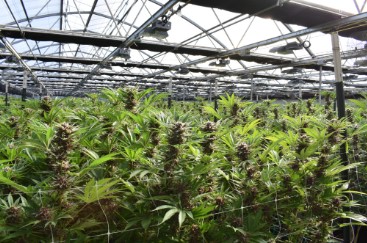
Optimal Growing Conditions for Sharksbreath
Sharksbreath is a medium-height hybrid that thrives in a controlled indoor environment but can also be grown outside in the proper environment.
Climate and Environmental Factors
- Temperature Range:
- Vegetative Stage: 22-27°C (72-80°F)
- Flowering Stage: 20-25°C (68-77°F)
- Night Temperature: Should not drop below 15°C (59°F) to prevent stress.
- Humidity Levels:
- Seedling Stage: 65-70% RH (Relative Humidity)
- Vegetative Stage: 55-65% RH
- Flowering Stage: 40-50% RH
- Late Flowering: 30-40% RH (Reduces risk of bud rot and mildew)
- CO₂ Levels for Enhanced Growth:
- Supplementing CO₂ to 1000-1500 ppm can increase yields by up to 30% in controlled environments.
- Air Circulation & Ventilation:
- Oscillating fans to prevent mold and increase air exchange.
- Carbon filters for odor control in indoor setups.
Cultivation Methods
Sharksbreath can be cultivated using various methods, each with advantages and challenges.
Soil-Based Cultivation (Organic and Conventional)
- Best for beginner growers and organic enthusiasts.
- Soil pH: 6.0-6.5.
- Ideal Soil Composition:
- Loamy soil rich in organic matter.
- Perlite & vermiculite for aeration and drainage.
- Compost & worm castings for micronutrients.
Advantages:
- Natural buffering capacity for nutrients.
- Enhances terpene production, giving richer aroma and flavor.
Disadvantages:
- Slower nutrient uptake.
- Risk of pests and soil-borne diseases.
Hydroponic Cultivation (Faster Growth & Higher Yields)
Hydroponic systems replace soil with nutrient-rich water solutions, leading to faster growth and higher yields.
Types of Hydroponic Systems for Sharksbreath
| Hydroponic System | Description | Advantages | Disadvantages |
|---|---|---|---|
| Deep Water Culture (DWC) | Roots submerged in oxygenated nutrient solution. | Rapid growth, high oxygen uptake. | Requires constant monitoring. |
| Nutrient Film Technique (NFT) | Thin film of nutrients flows over roots. | Efficient nutrient use. | Susceptible to root drying. |
| Ebb & Flow (Flood & Drain) | Intermittent flooding of roots with nutrients. | Good for medium-sized plants. | Requires a complex setup. |
| Aeroponics | Airborne roots that are sprayed with nourishment. | Fastest growth, maximum oxygenation. | High maintenance and expensive. |
- pH Range for Hydroponics: 5.5-6.2.
- Nutrient Concentration (EC Levels):
- Vegetative: 1.2-1.8 mS/cm
- Flowering: 1.8-2.2 mS/cm
Nutrient Management for Optimal Growth
Sharksbreath requires a specific balance of macronutrients (N-P-K) and micronutrients.
| Growth Stage | Nitrogen (N) | Phosphorus (P) | Potassium (K) | Additional Nutrients |
|---|---|---|---|---|
| Seedling | Medium | Low | Low | Ca, Mg, Fe |
| Vegetative | High | Medium | Medium | Zn, Mn, B |
| Flowering | Low | High | High | S, Si |
| Late Flowering | Very Low | Very High | Very High | Reduce Nitrogen |
- Nitrogen (N) is critical for vegetative growth.
- Phosphorus (P) & Potassium (K) increase bud size and resin production during flowering.
- Calcium (Ca) and Magnesium (Mg) are essential for cell wall strength and chlorophyll production.
Organic vs. Synthetic Nutrients
- Organic: Compost teas, bat guano, fish emulsion (slower but enhances flavor).
- Synthetic: Advanced hydroponic fertilizers for precise nutrient delivery.
Plant Training Techniques for Maximizing Yield
Training techniques help optimize light exposure and increase bud sites.
Low-Stress Training (LST)
- Bending and tying branches to create an even canopy improves airflow and light penetration.
High-Stress Training (HST)
- Topping & Fimming: Cutting the main stem to promote multiple colas.
- Super Cropping: Slightly damaging branches to increase resin production.
Screen of Green (ScrOG)
- Using a mesh net to guide plant growth horizontally.
- Enhances light distribution for larger, more uniform buds.
Pest and Disease Management
Sharksbreath is resistant to mold and pests, but prevention is key.
Common Pests
| Pest | Prevention & Treatment |
|---|---|
| Spider Mites | Neem oil, predatory mites. |
| Aphids & Thrips | Insecticidal soap, ladybugs. |
| Fungus Gnats | Sticky traps, proper drainage. |
Common Diseases
| Disease | Prevention & Treatment |
|---|---|
| Powdery Mildew | Maintain humidity below 50% in flowering. |
| Root Rot | Ensure proper oxygenation in hydroponic systems. |
Maximizing Potency via Harvesting, Drying, and Curing
Signs of Maturity
- Trichome Coloration: Harvest when trichomes are mostly cloudy with some amber.
- Pistil Color: 70-80% brown/red hairs.
Drying Process
- In a well-ventilated, dark area, hang buds upside down.
- Temperature: 16-20°C (60-68°F)
- Humidity: 50-60% RH
- Duration: 10-14 days
Curing for Flavor & Potency
- Dried buds should be kept in airtight glass jars.
- Cure for 4-8 weeks, burping jars daily to remove excess moisture.
Advanced Scientific Cultivation Techniques
Tissue Culture Propagation
- Lab-based cloning method for producing disease-free, genetically stable plants.
- Ideal for mass production and strain preservation.
Aeroponics for Maximum Yield
- Roots suspended in air, misted with nutrients.
- High oxygenation leads to faster growth and increased cannabinoid production.
Conclusion
Sharksbreath is a well-balanced hybrid strain with strong medical and recreational applications. It provides pain relief, mood enhancement, and relaxation without excessive sedation. Its high THC content, unique terpene profile, and disease-resistant cultivation traits make it a highly sought-after strain for both personal and medical use.
For a complete directory of cultivars, visit our Cannabis Strain Reviews.
