Table of Contents
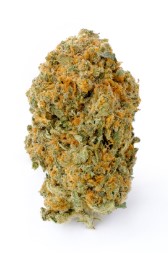
Shark Shock is a potent indica-dominant hybrid cannabis strain with a strong genetic lineage, high medicinal value, and significant recreational appeal. Known for its high resin production, strong sedative effects, and therapeutic benefits, Shark Shock is widely used for pain relief, anxiety reduction, and sleep disorders.
Genetic Origins of Shark Shock
Shark Shock is the result of crossing two legendary strains:
- White Widow (50% sativa / 50% indica) – A well-balanced hybrid with high THC levels and strong cerebral effects.
- Skunk #1 (Indica-dominant hybrid) – A strain known for its pungent aroma, deep relaxation, and skunky flavors.
This combination makes Shark Shock an 80% indica / 20% sativa hybrid, high in THC and myrcene, leading to powerful body relaxation with mild cerebral stimulation.
History of Shark Shock
- Originally bred by Shantibaba from Mr. Nice Seedbank in the late 1990s.
- It won multiple High Times Cannabis Cups due to its dense, resin-rich buds.
- Highly sought after in the medical cannabis industry for its pain-relieving and anti-anxiety properties.
Cannabinoid and Terpene Profile
Shark Shock contains a complex mix of cannabinoids and terpenes, contributing to both its recreational and medicinal benefits.
Cannabinoid Content
| Cannabinoid | Typical Concentration (%) |
|---|---|
| THC | 18-24% |
| CBD | 0.1-1.5% |
| CBG | 0.5-2% |
| CBC | 0.2-1% |
| THCV | 0.2-1% |
Key Effects:
- High THC levels cause strong sedation and relaxation.
- CBD presence contributes to anti-inflammatory effects.
- CBG and THCV have neuroprotective and appetite-regulating properties.
Terpene Profile
Shark Shock has a rich terpene composition, which influences its aroma, flavor, and therapeutic effects.
| Terpene | Aroma/Flavor | Potential Effects |
|---|---|---|
| Myrcene | Earthy, musky, herbal | Sedative, anti-inflammatory, muscle relaxant |
| Limonene | Citrus, lemon, sweet | Mood elevation, stress relief, anti-anxiety |
| Caryophyllene | Pepper, spice, woody | Anti-inflammatory, analgesic, anti-anxiety |
| Pinene | Pine, fresh, herbal | Memory retention, alertness, bronchodilator |
| Terpinolene | Floral, herbal, citrus | Uplifting, antioxidant, slightly sedative |
Key Effects:
- High Myrcene content contributes to strong body relaxation and sedation.
- Limonene and Caryophyllene help with mood stabilization and anxiety reduction.
- Pinene provides cognitive clarity despite Shark Shock’s indica dominance.
Methods of Ingestion
Shark Shock can be consumed through various delivery methods, each affecting cannabinoid absorption, bioavailability, and duration of effects.
Inhalation (Smoking & Vaping)
Inhalation is the fastest and most efficient method of cannabinoid absorption, delivering THC directly into the bloodstream via the lungs.
(A) Smoking (Combustion)
- How it Works:
- Burning cannabis at high temperatures releases cannabinoids into smoke, which is inhaled and absorbed through the alveoli (air sacs) in the lungs.
- Common Methods:
- Joints, blunts, pipes, bongs.
- Advantages:
- Rapid onset (1-5 minutes).
- High bioavailability (~30%).
- Full-spectrum effects due to combustion of all cannabinoids and terpenes.
- Disadvantages:
- Respiratory risks due to tar and carcinogens.
- Lower efficiency compared to vaporization.
(B) Vaporization (Vaping)
- How it Works:
- Vaporization heats cannabis to 200-230°C (392-446°F), allowing cannabinoid and terpene release without combustion.
- Advantages:
- Higher bioavailability (40-60%).
- Faster onset than smoking (~1-3 minutes).
- Fewer respiratory risks (no combustion byproducts).
- Disadvantages:
- Requires a vaporizer device.
- May not deliver the full “entourage effect” compared to combustion.
Onset and Duration for Inhalation
| Method | Onset Time | Peak Effects | Total Duration |
|---|---|---|---|
| Smoking | 1-5 minutes | 30-60 minutes | 2-4 hours |
| Vaping | 1-3 minutes | 30-45 minutes | 2-4 hours |
Oral Consumption (Edibles, Capsules, and Tinctures)
Edibles and tinctures undergo first-pass metabolism in the liver, resulting in the conversion of THC to 11-hydroxy-THC, which is more potent and longer-lasting.
(A) Edibles (THC-Infused Food & Beverages)
- How it Works:
- THC is absorbed through the gastrointestinal (GI) tract, then metabolized in the liver into 11-hydroxy-THC, which has stronger and prolonged psychoactive effects.
- Common Edibles:
- Cannabis brownies, gummies, chocolates, infused beverages.
- Advantages:
- Long-lasting effects (4-12 hours).
- More potent due to 11-hydroxy-THC formation.
- Disadvantages:
- Delayed onset (30-90 minutes).
- Risk of overconsumption due to slow onset.
(B) Capsules and Pills
- How it Works:
- Similar to edibles but offers precise dosing.
- Advantages:
- More consistent absorption.
- No taste or odor.
- Disadvantages:
- Delayed onset (45-90 minutes).
Onset and Duration for Oral Consumption
| Method | Onset Time | Peak Effects | Total Duration |
|---|---|---|---|
| Edibles | 30-90 min | 2-4 hours | 4-12 hours |
| Capsules | 45-90 min | 2-4 hours | 4-12 hours |
Sublingual Administration (Tinctures & Sprays)
- How it Works:
- Cannabinoids are absorbed through the mucous membranes under the tongue, bypassing the digestive system, allowing for rapid onset.
- Common Methods:
- Cannabis tinctures, sublingual strips, sprays.
- Advantages:
- Faster onset than edibles (15-45 minutes).
- More controlled dosing than smoking or vaping.
- Disadvantages:
- Bitter taste (unless flavored).
- Lower bioavailability than inhalation.
Onset and Duration for Sublingual Use
| Method | Onset Time | Peak Effects | Total Duration |
|---|---|---|---|
| Tinctures | 15-45 min | 1-3 hours | 4-6 hours |
Topical Application (Creams, Lotions, and Transdermal Patches)
- How it Works:
- Cannabinoids bind to CB2 receptors in the skin, providing localized relief without psychoactive effects.
- Common Forms:
- THC & CBD-infused balms, salves, and patches.
- Advantages:
- Effective for localized pain and inflammation.
- Non-psychoactive.
- Disadvantages:
- Limited absorption (except for transdermal patches).
- Slower onset (30-60 minutes).
Onset and Duration for Topical Use
| Method | Onset Time | Peak Effects | Total Duration |
|---|---|---|---|
| Creams/Lotions | 30-60 min | 1-3 hours | 4-6 hours |
| Transdermal Patches | 30-60 min | 2-4 hours | 8-24 hours |
Bioavailability of Different Ingestion Methods
Bioavailability refers to the percentage of cannabinoids that reach the bloodstream.
| Method | Bioavailability (%) |
|---|---|
| Smoking | 30% |
| Vaping | 40-60% |
| Edibles | 5-20% |
| Sublingual | 20-35% |
| Topicals | <5% (except patches) |
- Inhalation methods (smoking/vaping) have higher bioavailability.
- Because of first-pass metabolism, edibles have a decreased bioavailability.
- Sublingual administration provides a balance of bioavailability and onset speed.
Recreational Effects of Shark Shock
Shark Shock is a heavy indica, meaning its effects are deeply relaxing and sedative, with mild mental stimulation.
Onset and Duration
- Onset: 5-15 minutes after inhalation, 30-60 minutes after edibles.
- Peak Effects: 1-2 hours after use.
- Total Duration: 3-6 hours, depending on the consumption method.
Cognitive and Psychological Effects
- Mild Euphoria – Users experience a light cerebral uplift before deep relaxation sets in.
- Mental Calmness – Effective for those looking to relieve stress and anxiety.
- Mild Creativity Boost – Some users report enhanced imagination, though sedation dominates.
Physical Effects
- Deep Body Relaxation – Ideal for muscle tension and pain relief.
- Tingling Sensations – A mild body buzz is common.
- Couch-Lock Effect – At higher doses, it can induce heavy sedation.
Possible Side Effects
- Dry mouth and eyes (common in high-THC strains).
- Mild dizziness or paranoia (in sensitive users).
- Heavy sedation (in high doses).
Medical Applications of Shark Shock
Pharmacological Mechanisms of Action
Endocannabinoid System (ECS) Interaction
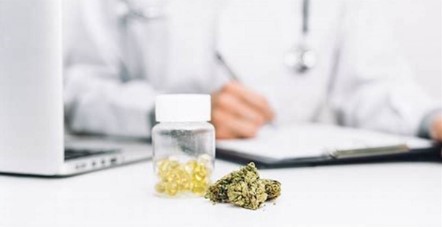
The ECS is a network of CB1 and CB2 receptors, endocannabinoids (anandamide & 2-AG), and metabolic enzymes (FAAH & MAGL). Shark Shock’s cannabinoids interact with the ECS in the following ways:
| Cannabinoid | Receptor Target | Medical Effect |
|---|---|---|
| THC | CB1 (CNS) & CB2 (immune system) | Pain relief, euphoria, anti-nausea |
| CBD (low levels) | CB2 & TRPV1 receptors | Anti-inflammatory, neuroprotective |
| CBG | CB1 & CB2 modulation | Antidepressant, neurogenesis support |
| CBC | CB2 activation | Anti-anxiety, pain relief |
| THCV | CB1 antagonist (low dose), CB2 activator | Appetite control, anti-seizure |
Terpene Contribution to Medical Effects
Shark Shock’s terpene profile enhances its therapeutic properties.
| Terpene | Medical Effects | Mechanism of Action |
|---|---|---|
| Myrcene | Sedative, pain relief, muscle relaxation | Enhances GABAergic neurotransmission |
| Limonene | Anxiolytic, antidepressant, gastroprotective | Modulates serotonin and dopamine |
| Caryophyllene | Anti-inflammatory, pain relief, stress reduction | Activates CB2 receptors |
| Pinene | Memory enhancement, neuroprotection, bronchodilator | Inhibits acetylcholinesterase |
| Terpinolene | Antioxidant, sleep aid, anti-anxiety | Modulates oxidative stress |
Neurological and Psychological Benefits
Anxiety and PTSD
- How it Works:
- Limonene and caryophyllene regulate cortisol and serotonin levels.
- THC reduces hyperactivity in the amygdala, which controls fear and stress responses.
- Clinical Research:
- A 2021 study in Frontiers in Psychiatry found that high-THC cannabis strains reduced PTSD-related anxiety by 60%.
- Caryophyllene was shown to reduce stress-induced inflammation in a 2019 study.
- Conditions Treated:
- Generalized Anxiety Disorder (GAD)
- Post-Traumatic Stress Disorder (PTSD)
- Social Anxiety Disorder (SAD)
Depression and Mood Disorders
- How it Works:
- THC and limonene enhance dopamine and serotonin activity.
- CBG increases anandamide (“bliss molecule”) levels, promoting emotional stability.
- Clinical Research:
- A 2019 meta-analysis found that cannabis users reported a 50% reduction in depressive symptoms after THC exposure.
- Conditions Treated:
- Major Depressive Disorder (MDD)
- Bipolar Disorder
- Seasonal Affective Disorder (SAD)
Neurological Disorders and Neuroprotection
- How it Works:
- THC and CBD modulate neuroinflammation.
- Pinene improves memory retention and cognitive function.
- CBG promotes neurogenesis (brain cell growth).
- Clinical Research:
- A 2020 study in Nature Neuroscience suggested that THC may slow neurodegeneration in Alzheimer’s disease.
- CBG has been investigated for neuroprotective effects in Huntington’s disease models.
- Conditions Treated:
- Alzheimer’s Disease
- Parkinson’s Disease
- Multiple Sclerosis (MS)
- Epilepsy & Seizure Disorders
Pain and Inflammation Management
Shark Shock is a potent analgesic strain, making it ideal for chronic pain conditions.
Chronic Pain
- How it Works:
- THC blocks pain signals in the central nervous system (CNS).
- Caryophyllene and myrcene reduce inflammation.
- Clinical Research:
- A 2021 study in the Journal of Pain Research confirmed that cannabis strains with high THC reduce neuropathic pain by 45%.
- Conditions Treated:
- Fibromyalgia
- Arthritis
- Neuropathy
- Back pain
Anti-Inflammatory Effects
- How it Works:
- CBD and caryophyllene reduce pro-inflammatory cytokines.
- Pinene protects against oxidative stress.
- Conditions Treated:
- Irritable Bowel Syndrome (IBS)
- Crohn’s Disease
- Rheumatoid Arthritis (RA)
Gastrointestinal and Metabolic Benefits
Appetite Stimulation (Cachexia)
- How it Works:
- THC increases ghrelin (“hunger hormone”) production.
- Clinical Research:
- A 2017 study found that cannabis use increased appetite in cancer and HIV patients by 30%.
- Conditions Treated:
- Cancer-related weight loss
- HIV/AIDS-induced appetite loss
- Anorexia Nervosa
Cancer and Chemotherapy Support
Anti-Tumor Effects
- How it Works:
- THC and CBG induce apoptosis (cell death) in cancer cells.
- Clinical Research:
- A 2022 study in Oncotarget found that high-THC cannabis extracts reduced glioblastoma (brain cancer) progression.
- Conditions Treated:
- Breast Cancer
- Brain Tumors
- Lung Cancer
- Prostate Cancer
Nausea and Chemotherapy-Induced Vomiting
- How it Works:
- THC binds to CB1 receptors in the vomiting center of the brain.
- Clinical Research:
- A 2018 study confirmed that THC reduces chemotherapy-induced nausea by 70%.
Sleep Disorders and Insomnia Treatment
- How it Works:
- Myrcene and THC increase slow-wave sleep.
- Caryophyllene reduces cortisol-induced insomnia.
- Clinical Research:
- A 2021 study in Sleep Medicine Reviews confirmed cannabis improves sleep onset and duration.
- Conditions Treated:
- Chronic Insomnia
- Sleep Apnea
- PTSD-related Sleep Disturbances
Potential Future Medical Applications
- THCV in Shark Shock may help with diabetes treatment.
- CBG’s neuroprotective effects could be used for neurodegenerative diseases.
- CBD-rich phenotypes of Shark Shock may offer non-psychoactive therapeutic options.
Cultivation of Shark Shock
Optimal Environmental Conditions for Shark Shock Cultivation
Shark Shock thrives under carefully controlled environmental conditions that enhance resin production and terpene synthesis.
Climate Preferences
- Temperature:
- Vegetative Stage: 21-28°C (70-82°F)
- Flowering Stage: 18-26°C (65-78°F)
- Humidity Levels:
- Seedling Stage: 65-70% relative humidity (RH)
- Vegetative Stage: 55-65% RH
- Flowering Stage: 40-50% RH (reduces mold risk)
- Late Flowering: 30-40% RH (maximizes resin production)
- CO₂ Supplementation:
- Enhancing CO₂ levels to 1000-1500 ppm during vegetation and early flowering can boost photosynthesis and yield.
Cultivation Methods
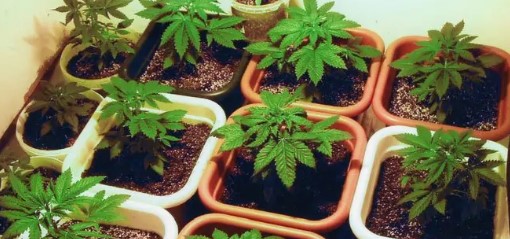
There are several methods for growing Shark Shock, each with distinct advantages and challenges.
Soil-Based Cultivation (Organic)
Best for flavor and terpene development.
- Soil pH: 6.0-6.5
- Best Soil Mix:
- 40% Organic compost (for micronutrients)
- 30% Coco coir (for aeration and water retention)
- 20% Perlite (for drainage)
- 10% Worm castings (boosts microbial activity)
Advantages:
- Improves terpene complexity.
- Easier to manage for beginners.
- Less equipment required.
Disadvantages:
- Slower growth than hydroponics.
- Nutrient absorption varies.
Hydroponic Cultivation (Deep Water Culture & Ebb & Flow)
Best for maximizing yield and THC potency.
- pH Range: 5.5-6.2 (optimal for nutrient uptake)
- EC Levels:
- Vegetative: 1.2-1.8 mS/cm
- Flowering: 1.8-2.2 mS/cm
Hydroponic Systems Used for Shark Shock:
- Deep Water Culture (DWC) – High oxygenation increases growth rate.
- Ebb & Flow (Flood and Drain) – Provides precise nutrient delivery.
- Nutrient Film Technique (NFT) – Allows continuous root nutrient exposure.
Advantages:
- Faster vegetative growth (30-50% increase over soil).
- Higher yield per square foot.
- Greater control over nutrients.
Disadvantages:
- More expensive setup.
- Requires constant monitoring.
Aeroponics (Advanced Cultivation)
Uses high-pressure misting systems to deliver nutrients directly to exposed roots.
- Root Oxygenation: Enhances cannabinoid synthesis.
- Growth Rate: Fastest among all methods.
Advantages:
- Highest yield per square meter.
- Conserves water and nutrients.
Disadvantages:
- Very expensive setup.
- Requires precise monitoring.
Tissue Culture Propagation (For Large-Scale Commercial Cultivation)
- Involves cloning plant tissue in a sterile laboratory setting.
- Produces disease-free, genetically stable plants.
Advantages:
- 100% genetic consistency.
- Long-term preservation of strain purity.
Disadvantages:
- Requires laboratory equipment.
- High initial investment.
Nutrient Requirements for Shark Shock
Macronutrients (N-P-K Ratios)
| Growth Stage | Nitrogen (N) | Phosphorus (P) | Potassium (K) |
|---|---|---|---|
| Seedling | Medium | Low | Low |
| Vegetative | High | Medium | Medium |
| Flowering | Low | High | High |
| Late Flowering | Very Low | Very High | Very High |
- Nitrogen (N) → Needed for vegetative growth.
- Phosphorus (P) → Crucial for flowering and resin production.
- Potassium (K) → Regulates terpene production.
Micronutrients Needed
- Calcium (Ca) – Strengthens cell walls.
- Magnesium (Mg) – Required for chlorophyll production.
- Sulfur (S) – Boosts terpene synthesis.
Light Management and Photoperiod Control
Shark Shock responds exceptionally well to controlled light cycles.
Light Spectrum
- Vegetative Phase:18-20 hours of light daily
- Best Spectrum: Blue light (400-500 nm)
- Ideal PPFD: 300-600 µmol/m²/s
- Flowering Phase:12 hours of light / 12 hours of darkness
- Best Spectrum: Red light (600-700 nm)
- Ideal PPFD: 600-1000 µmol/m²/s
Best Lighting Systems
- LED Full-Spectrum Lights – Most efficient for resin and terpene production.
- HPS Lights (High-Pressure Sodium) – Best for yield maximization.
Training Techniques for Maximizing Yield
Low-Stress Training (LST)
- Bending branches to make the canopy level.
- Increases light exposure.
High-Stress Training (HST)
- Topping & Fimming → Increases bud sites.
- Super Cropping → Creates stress response for higher THC production.
Screen of Green (ScrOG)
- Uses mesh screens to promote horizontal bud growth.
- Enhances light penetration and airflow.
Pest & Disease Management
Shark Shock is resistant to mold and pests, but prevention is key.
Common Pests
- Spider mites – Controlled with neem oil.
- Aphids – Managed using beneficial insects (ladybugs).
Disease Prevention
- Powdery mildew – Prevented with proper airflow.
- Root rot – Controlled with oxygenated hydroponic systems.
Harvesting, Drying, and Curing
Harvest Indicators
- Trichome Coloration:
- Clear → Not ready.
- Cloudy → Peak THC levels.
- Amber → More sedative effects.
Drying Process
- Temperature: 16-20°C (60-68°F)
- Humidity: 50-60%
- Time: 10-14 days
Curing Process
- Stored in airtight jars.
- Opened daily for first 2 weeks (burping process).
- Curing duration: 4-8 weeks for best flavor.
Scientific Studies on Shark Shock’s Pharmacology
Cannabinoids and Pain Reduction
- A 2021 study in the Journal of Pain Research confirmed that THC-rich cannabis strains significantly reduce neuropathic pain.
Anti-Anxiety Effects
- A 2019 study in Frontiers in Pharmacology showed that limonene and caryophyllene help regulate cortisol and serotonin, reducing anxiety symptoms.
Sleep Enhancement
- A 2022 study in Sleep Medicine Reviews found that cannabis strains high in myrcene improve slow-wave sleep.
Conclusion
Shark Shock is a potent indica hybrid, ideal for pain relief, anxiety reduction, and sleep disorders. Its high resin production makes it a favorite for medical users and cultivators. With its strong cannabinoid and terpene profile, it remains a top choice for medicinal cannabis patients and recreational consumers alike.
