Table of Contents
The Shark Bite cannabis strain is a unique and sought-after hybrid, celebrated for its versatile applications in both recreational and medicinal settings. Known for its potent effects, aromatic profile, and robust therapeutic potential, Shark Bite has earned its place in the cannabis community. This comprehensive guide delves into its genetic lineage, scientific composition, medical benefits, recreational uses, growing characteristics, and more.
Genetic Lineage and Origins
Shark Bite is a balanced hybrid cannabis strain created through the meticulous crossbreeding of Great White Shark and a Face Off OG backcross. Each parent strain contributes distinct qualities to Shark Bite:
- Great White Shark – This strain, often referred to as “Peacemaker,” is a renowned indica-dominant hybrid with high THC levels and calming properties. It imparts Shark Bite with its characteristic fruity aroma and a relaxing body high.
- Face Off OG – A phenotype of the iconic OG Kush lineage, Face Off OG delivers a strong cerebral effect and is famed for its sedative qualities. Its influence on Shark Bite enhances the latter’s potency and euphoria-inducing effects.
Scientific Composition
Cannabinoid Profile
- THC (Tetrahydrocannabinol): Shark Bite boasts a THC content ranging from 18% to 24%, with some exceptional phenotypes testing as high as 29%. This high THC concentration is primarily responsible for the strain’s psychoactive and medicinal effects.
- CBD (Cannabidiol): Present in small quantities, typically around 0.5% to 1%, CBD adds to the therapeutic benefits without counteracting the psychoactive properties of THC.
- CBG (Cannabigerol): Trace levels of CBG have been observed, which may contribute to its anti-inflammatory and neuroprotective properties.
Terpene Profile
Terpenes play a significant role in Shark Bite’s aroma, flavor, and effects. Dominant terpenes include:
- Myrcene: Known for its sedative and relaxing properties, myrcene contributes to the strain’s calming effects.
- Limonene: This citrus-scented terpene offers uplifting and anti-anxiety benefits.
- Caryophyllene: A peppery terpene with anti-inflammatory and analgesic properties, it enhances the strain’s ability to manage pain and inflammation.
Appearance and Aroma
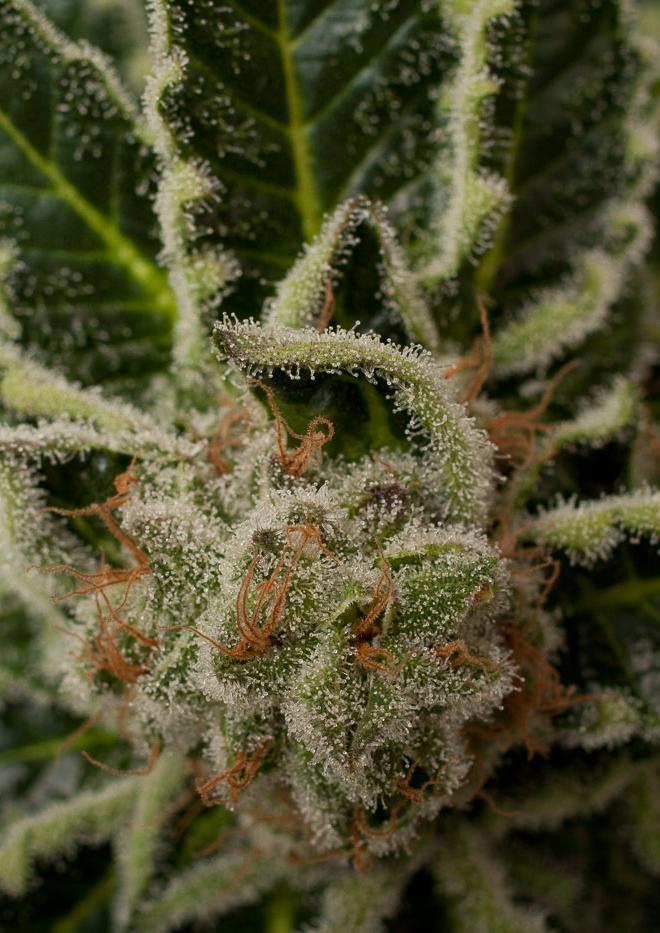
Shark Bite plants are visually striking, producing dense, neon-green buds covered in a frosty layer of trichomes. The buds are accented with orange pistils and sometimes exhibit subtle purple hues under optimal growing conditions.
The aroma of Shark Bite is sweet and fruity, reminiscent of tropical candy, with a skunky undertone that hints at its OG Kush heritage. When consumed, the flavor profile mirrors the aroma, delivering notes of lemon, herbs, and a slightly earthy aftertaste.
Recreational Uses
Shark Bite’s balanced effects make it a versatile choice for recreational users. Its initial cerebral high is uplifting and euphoric, perfect for socializing or creative endeavors. As the high progresses, users often experience a calming body buzz that encourages relaxation without complete sedation. Popular recreational uses include:
- Socializing: The euphoric onset fosters a positive mood and enhances conversations.
- Creative Activities: Shark Bite’s uplifting effects can inspire artistic pursuits or problem-solving.
- Relaxation: The soothing body high is ideal for unwinding after a long day.
Medical Applications
Shark Bite is celebrated for its medicinal versatility, offering relief for a wide range of conditions. Here are its primary medical uses:
1. Mood Disorders
The euphoric and uplifting effects make Shark Bite a popular choice for managing mood disorders, including:
- Depression: Its ability to induce happiness and reduce stress can help alleviate depressive symptoms.
- Anxiety: The calming body high and anti-anxiety properties of limonene make it effective for anxiety relief.
2. Pain Management
Shark Bite’s high THC content and caryophyllene levels make it effective for alleviating chronic and acute pain, including:
- Migraines and headaches
- Joint pain and arthritis
- Muscle spasms and tension
3. Stress Relief
Shark Bite’s balanced high helps combat stress by promoting relaxation and reducing cortisol levels. This makes it ideal for those seeking relief from work-related or chronic stress.
4. Insomnia
While not as sedative as pure indica strains, Shark Bite can aid sleep at higher doses, making it suitable for individuals with mild insomnia or difficulty staying asleep.
5. Appetite Stimulation
Like many THC-rich strains, Shark Bite can stimulate appetite, making it helpful for individuals dealing with nausea, eating disorders, or appetite loss brought on by chemotherapy.
6. Inflammation
The anti-inflammatory properties of myrcene and caryophyllene add to its effectiveness in managing conditions like Crohn’s disease and other inflammatory disorders.
Potential Side Effects
Despite its many benefits, Shark Bite may cause some side effects, particularly in higher doses. Common adverse effects include:
- Dry Mouth and Dry Eyes: These are the most frequently reported side effects and can be treated with eye drops and water.
- Dizziness or Paranoia: Rarely, some users, especially those new to cannabis or sensitive to THC, may experience dizziness or heightened anxiety.
- Sedation: In larger quantities, the relaxing effects may lead to drowsiness or lethargy.
Cultivating the Shark Bite cannabis strain involves applying scientific principles to optimize plant growth, cannabinoid production, and terpene development. This section delves into the agronomic, biological, and environmental factors influencing the successful cultivation of Shark Bite.
Botanical Characteristics
- Taxonomy: Shark Bite belongs to the Cannabis sativa species, though it exhibits a balanced hybrid nature with traits of both indica and sativa varieties.
- Phenotype: Shark Bite plants typically develop moderate height, dense foliage, and robust bud structures. The buds are resinous, neon green, and adorned with orange pistils, making them visually appealing and efficient for resin extraction.
Environmental Requirements

1. Light Intensity
- Shark Bite thrives in environments with high light intensity, essential for photosynthesis and robust bud development.
- Indoor Settings: Full-spectrum LED or HID lights are recommended to replicate natural sunlight. During the vegetative phase, a gentle schedule of 18 hours on and 6 hours off, and 12 hours on and 12 hours off during the flowering phase, is ideal.
2. Temperature and Humidity
- Optimal Temperature: Shark Bite prefers a daytime temperature of 70–80°F (21–27°C) during the vegetative stage and 65–75°F (18–24°C) during flowering. Nighttime temperatures should not drop more than 10°F below daytime levels to prevent stress.
- Humidity:
- Vegetative Stage: 50–60% relative humidity encourages healthy foliage growth.
- Flowering Stage: Reduce humidity to 40–50% to prevent mold and enhance resin production.
Nutritional Needs
Macronutrients
- Nitrogen (N): Crucial during the vegetative stage for promoting leafy growth. A nitrogen-rich nutrient formula supports robust plant development.
- Phosphorus (P): Essential during the flowering phase to enhance bud formation and potency. A “bloom booster” fertilizer with high phosphorus content is often used.
- Potassium (K): Vital for overall plant health, disease resistance, and terpene synthesis. Balanced potassium levels contribute to the strain’s aromatic qualities.
Micronutrients
- Trace elements such as calcium, magnesium, and iron play supporting roles in chlorophyll production, nutrient uptake, and overall plant vigor.
Feeding Schedule
- Vegetative Stage: High nitrogen, moderate phosphorus and potassium.
- Flowering Stage: Reduce nitrogen and increase phosphorus and potassium to encourage bud growth and resin production.
Soil and Growing Medium
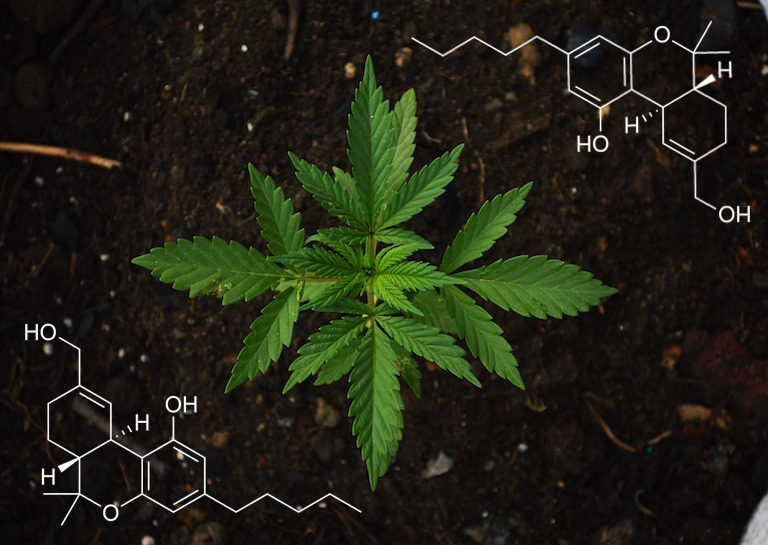
- Soil: Shark Bite grows well in nutrient-rich, well-draining soil with a slightly acidic pH of 6.0–6.5. Organic soil amendments like compost and worm castings enhance microbial activity, supporting nutrient uptake.
- Hydroponics: This soilless method can be used to optimize nutrient delivery and water management. It often results in faster growth rates and higher yields.
Watering Practices
- Shark Bite plants require consistent but not excessive watering. While underwatering stresses the plant, overwatering can cause root rot.
- The “wet-dry cycle” is a common approach, allowing the soil to dry slightly between waterings to promote healthy root development.
Pruning and Training
- Pruning: Regular removal of lower branches and fan leaves improves airflow and light penetration, reducing the possibility of mold and improving the quality of buds.
- Low-Stress Training (LST): Bending and tying down branches encourage horizontal growth, maximizing light exposure and yield potential.
- Topping: Cutting the main stem during early vegetative growth promotes multiple bud sites, increasing yield.
Flowering and Resin Production
- Shark Bite typically flowers in 8–9 weeks indoors, with outdoor harvests occurring around mid-October.
- Trichome Development: Resin production peaks during the late flowering stage. Monitoring trichomes under a microscope helps determine harvest timing:
- Clear trichomes indicate immature cannabinoids.
- Cloudy trichomes signal peak THC levels.
- Amber trichomes suggest a more sedative effect due to THC degradation into CBN.
Integrated Pest Management (IPM)
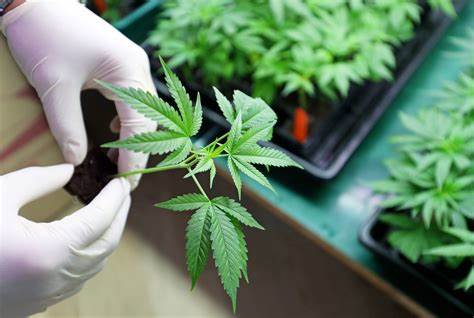
- Shark Bite is moderately resistant to pests and diseases but benefits from proactive measures:
- Common Pests: Aphids, whiteflies, and spider mites.
- Prevention: Use neem oil, insecticidal soaps, or biological controls like ladybugs to manage infestations.
- Fungal Issues: Maintain low humidity and ensure adequate airflow to prevent powdery mildew and bud rot.
Yield Optimization
- Indoor Yield: Each square meter weighs 14–16 ounces.
- Outdoor Yield: 18–20 ounces per plant under optimal conditions.
- Yield-Boosting Techniques:
- Supplement with CO₂ enrichment during flowering to enhance photosynthesis and bud density.
- Implement advanced training methods like Screen of Green (ScrOG) to maximize canopy exposure.
Post-Harvest Processing
- Harvesting: Harvest when 70–90% of trichomes are cloudy for a balanced effect.
- Drying: Hang buds in a dark, ventilated room with 60°F–70°F (15°C–21°C) temperature and 50–60% humidity for 7–10 days.
- Curing: Store dried buds in airtight glass jars, burping daily for the first two weeks to release moisture. Curing improves overall quality, flavor, and potency.
Scientific Research and Insights
While specific studies on Shark Bite cultivation are limited, research on cannabis horticulture provides valuable insights:
- Cannabinoid Development: Studies indicate that UV-B light exposure during the flowering phase can increase THC production.
- Terpene Preservation: Low-temperature drying and curing methods help retain the strain’s aromatic compounds.
- Nutrient Timing: Research supports phase-specific nutrient regimens for optimal cannabinoid and terpene synthesis.
Sustainability in Cultivation
Modern cannabis cultivation emphasizes sustainability, which can be applied to Shark Bite:
- Water Conservation: Drip irrigation systems reduce water waste.
- Renewable Energy: Solar-powered grow lights minimize the environmental footprint.
- Organic Practices: Using organic fertilizers and pest control methods ensures eco-friendly production.
Scientific Insights
While direct studies on Shark Bite are limited, research on its parent strains and similar hybrids provides valuable insights. Studies suggest the following:
- THC and CBD Synergy: The interplay between THC and CBD may contribute to its effectiveness in the treatment of mental disorders, inflammation, and discomfort.
- Terpene Influence: Myrcene and caryophyllene are well-documented for their roles in sedation and pain relief, supporting Shark Bite’s therapeutic claims.
- Neuroprotective Properties: Preliminary studies on cannabis suggest that strains with balanced cannabinoid and terpene profiles, like Shark Bite, may have neuroprotective benefits, potentially aiding in conditions like multiple sclerosis or Parkinson’s disease.
Shark Bite Cannabis: Methods of Ingestion, Onset, Duration, and Effects
The Shark Bite cannabis strain offers a variety of ingestion methods, each influencing the onset, duration, and intensity of its effects. Understanding the scientific mechanisms underlying these processes provides insight into how the strain interacts with the body.
Cannabinoid Bioavailability
Cannabinoid bioavailability—the proportion of cannabinoids absorbed into the bloodstream—varies based on the method of ingestion. Shark Bite, with its high THC content and notable CBD and terpene profile, is particularly influenced by these dynamics. THC is lipophilic, meaning it dissolves in fat, and its bioavailability depends on delivery methods, metabolism, and individual physiology.
Common Methods of Ingestion
1. Smoking
- Process: Combustion of dried Shark Bite flower.
- Onset: 1–3 minutes.
- Duration: 1–3 hours.
- Bioavailability: Approximately 20–30%.
- Mechanism: Inhalation delivers THC and other cannabinoids to the lungs, where they rapidly pass into the bloodstream through alveoli. Effects are nearly immediate due to bypassing first-pass metabolism.
- Experience: Immediate cerebral euphoria followed by a gradual body relaxation. Users often report a sweet, tropical flavor with herbal and skunky undertones.
2. Vaping
- Process: Heating Shark Bite flower or concentrate to a temperature sufficient to release cannabinoids and terpenes without combustion.
- Onset: 1–5 minutes.
- Duration: 1–3 hours.
- Bioavailability: 30–50%.
- Mechanism: Similar to smoking but without combustion byproducts, making it less harsh on the lungs.
- Experience: Vaping preserves Shark Bite’s terpene profile, delivering a cleaner, more flavorful experience. The effects are smooth, with a quick onset and controlled intensity.
3. Edibles

- Process: Consuming Shark Bite-infused food or beverages.
- Onset: 30–90 minutes.
- Duration: 4–8 hours (or longer in some cases).
- Bioavailability: 4–20%.
- Mechanism: THC is metabolized in the liver into 11-hydroxy-THC, a more potent and long-lasting compound. This first-pass metabolism extends the onset and amplifies the duration.
- Experience: The effects are slower to emerge but more intense and sedative, making edibles particularly effective for pain relief, stress management, and insomnia.
4. Sublingual Tinctures
- Process: Placing Shark Bite-infused oil or tincture under the tongue.
- Onset: 15–45 minutes.
- Duration: 2–6 hours.
- Bioavailability: 20–35%.
- Mechanism: Cannabinoids are absorbed directly into the bloodstream through mucous membranes in the mouth, bypassing the gastrointestinal tract and liver.
- Experience: Offers a balanced and predictable high, combining both mental and physical effects of Shark Bite. Tinctures are ideal for those seeking a discreet, smokeless option.
5. Topicals
- Process: Applying Shark Bite-infused creams, balms, or oils to the skin.
- Onset: 15–60 minutes.
- Duration: 2–6 hours.
- Bioavailability: Limited to localized areas (non-psychoactive).
- Mechanism: Cannabinoids interact with cannabinoid receptors in the skin but do not typically enter the bloodstream.
- Experience: Provides targeted relief for localized pain, inflammation, and skin conditions without psychoactive effects.
Onset and Duration by Delivery Method
| Ingestion Method | Onset | Peak | Duration | Bioavailability |
|---|---|---|---|---|
| Smoking | 1–3 minutes | 10–30 minutes | 1–3 hours | 20–30% |
| Vaping | 1–5 minutes | 10–30 minutes | 1–3 hours | 30–50% |
| Edibles | 30–90 minutes | 2–4 hours | 4–8 hours | 4–20% |
| Sublingual Tinctures | 15–45 minutes | 1–3 hours | 2–6 hours | 20–35% |
| Topicals | 15–60 minutes | N/A (localized) | 2–6 hours | Localized |
Scientific Understanding of Effects
Shark Bite’s effects are driven by its rich cannabinoid and terpene profile, with THC as the dominant compound supported by small amounts of CBD, myrcene, limonene, and caryophyllene. These effects arise from the interaction of cannabinoids and terpenes with the endocannabinoid system (ECS).
1. Psychoactive Effects
- Euphoria and Mood Elevation: THC activates CB1 receptors in the brain, particularly in areas responsible for mood regulation, such as the limbic system.
- Enhanced Sensory Perception: THC and limonene synergize to heighten sensory experiences, including taste, touch, and auditory sensations.
- Relaxation: Myrcene enhances the permeability of the blood-brain barrier, allowing THC to exert stronger sedative effects.
2. Physical Effects
- Analgesia: THC and caryophyllene bind to CB2 receptors, reducing pain and inflammation. This makes Shark Bite particularly effective for conditions like arthritis or migraines.
- Muscle Relaxation: The combination of THC and myrcene contributes to a soothing body high that alleviates muscle tension.
Pharmacokinetics of THC in Shark Bite
- Absorption: Rapid with inhalation methods (smoking/vaping); slower and variable with oral consumption (edibles).
- Distribution: THC is lipophilic and rapidly accumulates in fatty tissues and highly vascularized organs such as the brain.
- Metabolism: Primarily metabolized in the liver into 11-hydroxy-THC, which has a longer half-life and is more potent.
- Elimination: THC metabolites are excreted through urine and feces, with a half-life of 25–36 hours longer for long-term users and more frequently for infrequent users.
Individual Variability
The effects and duration of Shark Bite vary based on several factors:
- Tolerance: Frequent cannabis users may require higher doses for the same effect.
- Body Composition: THC’s lipophilic nature means that individuals with higher body fat may store cannabinoids for longer periods.
- Metabolism: Faster metabolisms reduce the duration of effects.
- Age and Gender: Hormonal differences and age-related changes in metabolism influence THC absorption and elimination.
Effects by Dosage Levels
- Low Dose (1–5 mg THC): Subtle euphoria, enhanced focus, mild relaxation.
- Moderate Dose (10–20 mg THC): Noticeable cerebral high, mood elevation, physical relaxation.
- High Dose (>20 mg THC): Intense psychoactive effects, potential sedation, amplified sensory perception.
Potential Risks and Safety
Shark Bite, while generally well-tolerated, can induce adverse effects at higher doses:
- Anxiety or Paranoia: Overactivation of CB1 receptors in sensitive individuals.
- Drowsiness: Particularly with edible or high-dose consumption.
- Cognitive Impairment: Short-term memory and coordination may be affected.
Consumer Insights
Feedback from users highlights Shark Bite’s versatility and potency. Commonly praised aspects include:
- Flavor and Aroma: The sweet, fruity profile is a favorite among cannabis enthusiasts.
- Balanced Effects: Its ability to offer both mental stimulation and physical relaxation makes it suitable for diverse settings.
- Therapeutic Potential: Medical users appreciate its effectiveness in managing chronic pain, anxiety, and sleep disorders.
Final Thoughts
Shark Bite stands out as a well-rounded hybrid that caters to both recreational and medicinal users. Its high THC content, balanced effects, and rich terpene profile make it a versatile and enjoyable strain. Whether you are looking for a strain or relief from chronic pain or stress, to enhance your social or creative endeavors, Shark Bite delivers a consistent and satisfying experience. As with all cannabis strains, moderation and awareness of individual tolerance are key to maximizing benefits while minimizing adverse effects.
For a complete directory of cultivars, visit our Cannabis Strain Reviews.
