Table of Contents
Seattle Blue is a cannabis strain highly regarded for its well-rounded effects and a terpene-rich profile that offers a flavorful and aromatic experience. This strain is a hybrid, demonstrating a balance of indica and sativa properties, making it is adaptable to a wide range of users. While its lineage is somewhat debated, it has gained popularity, particularly in the Pacific Northwest, for both recreational enjoyment and therapeutic applications. Below is an in-depth analysis of its scientific characteristics, medicinal benefits, recreational use, and cultivation.
Genetic Lineage and Origin
Seattle Blue’s exact genetic origins are not definitively documented, but it is often associated with two popular parent strains: Blueberry and AK-47.
- Blueberry is a famed indica-dominant strain renowned for its sweet, fruity flavor and deeply relaxing effects.
- AK-47 is a sativa-leaning hybrid that contributes uplifting and energizing cerebral effects.
The synergy of these parent strains makes Seattle Blue a harmonious blend of euphoria, creativity, and physical relaxation. The strain was initially developed in the cannabis-rich climate of Seattle, Washington, and has since become a staple in both medicinal and recreational markets.
Appearance and Morphology
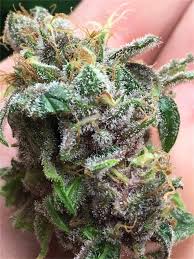
Seattle Blue’s buds are visually striking, with dense and compact structures typical of indica varieties. Key features include:
- Coloration: Dark green buds with purple and blue undertones, particularly when grown in cooler environments that stimulate anthocyanin production.
- Trichomes: A thick coating of crystalline trichomes gives the buds a frosted appearance, indicating high resin content.
- Hairs: Vibrant orange pistils interweave through the buds, adding contrast and visual appeal.
Aroma and Flavor Profile
The terpene profile of Seattle Blue is highly complex and contributes significantly to its sensory experience:
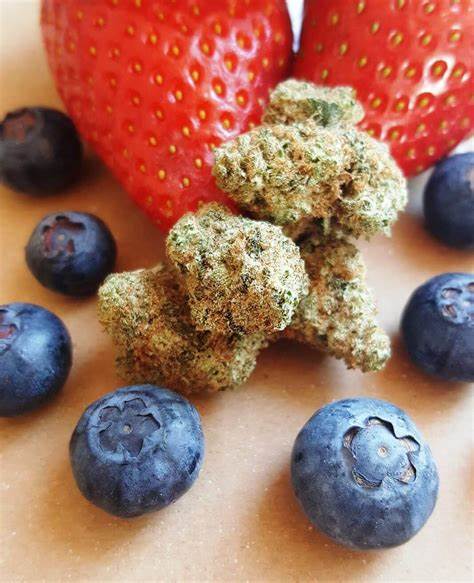
- Primary Aromas:
- Sweet and fruity, dominated by notes of blueberries, strawberries, and tropical fruits.
- Earthy undertones with subtle hints of pine and floral essences.
- Flavor Profile:
- The taste closely mirrors the aroma, delivering a smooth, sweet smoke or vapor with a lingering fruity aftertaste.
Key Terpenes:
- Myrcene: Known for its sedative effects and earthy aroma.
- Limonene: Offers mood-boosting qualities and zesty tones.
- Caryophyllene: Adds spiciness to the flavor and contributes anti-inflammatory benefits.
Cannabinoid Profile
Seattle Blue is characterized by a relatively high THC content and minimal CBD levels, contributing to its potency and psychoactive effects.
- THC (Tetrahydrocannabinol): Typically ranges between 18–22%. THC is the primary psychoactive compound responsible for the strain’s euphoric and analgesic effects.
- CBD (Cannabidiol): Less than 1%, making it less suitable for conditions requiring non-psychoactive therapies.
- Minor Cannabinoids: Includes trace amounts of CBG (cannabigerol) and CBC (cannabichromene), which may enhance the impact of the entourage effect on the medicinal effects of the strain.
Scientific Analysis of Effects
The effects of Seattle Blue are a result of its balanced indica-sativa nature and its specific blend of cannabinoids and terpenes.
- Cerebral Effects:
- Initial Onset: Users typically report an uplifting and euphoric mental state, which enhances creativity, focus, and sociability.
- Mood Enhancement: The strain is particularly effective for combating stress and depression due to its the capacity to raise the brain’s dopamine levels.
- Physical Effects:
- Relaxation: As the cerebral effects subside, the strain induces a deep physical calm, ideal for managing chronic pain or achieving restful sleep.
- Appetite Stimulation: Commonly referred to as “the munchies,” this effect is attributed to THC’s interaction with CB1 receptors in the brain.
- Therapeutic Window: Seattle Blue’s effects can last between 2–4 hours, depending on dosage and individual tolerance.
Seattle Blue’s medical applications and pharmacokinetics are deeply rooted in its cannabinoid and terpene composition, making it an effective strain for addressing a variety of conditions. Below is a detailed exploration of its medical uses, mechanism of action, and pharmacokinetics based on its chemical profile.
Medical Uses of Seattle Blue
1. Neurological and Psychiatric Disorders
- Anxiety and Stress:
The calming effects of Seattle Blue are primarily attributed to the terpene myrcene and limonene, which interact with GABA receptors to reduce central nervous system overactivity. These effects are complemented by THC’s modulation of the endocannabinoid system (ECS), specifically at CB1 receptors, which can inhibit the release of excitatory neurotransmitters. - Depression:
THC’s interaction with CB1 receptors in the ECS enhances dopamine release, leading to mood elevation. This effect is further supported by limonene, which exhibits serotonergic activity, indirectly modulating serotonin levels and providing antidepressant-like effects. - Insomnia:
Myrcene, a sedative terpene, works synergistically with THC to induce sleep by decreasing neuronal excitability. This combination makes Seattle Blue a suitable option for insomnia patients, particularly those who struggle with sleep onset.
2. Pain Management
- Chronic Pain and Neuropathy:
The high THC content activates CB1 receptors in the central nervous system and CB2 receptors in peripheral tissues. Activation of these receptors modulates nociceptive signaling, reducing pain perception. Additionally, caryophyllene, a unique terpene that acts as a CB2 receptor agonist, provides anti-inflammatory benefits, reducing pain caused by inflammatory conditions such as arthritis or autoimmune disorders. - Migraine Relief:
Seattle Blue’s effects on serotonin receptors, mediated partly by its terpene profile, may provide relief for migraines by modulating vasodilation in cranial blood vessels.
3. Appetite Stimulation and Gastrointestinal Disorders

- THC’s interaction with CB1 receptors in the hypothalamus stimulates the production of ghrelin, the “hunger hormone,” which makes this strain useful for people with eating disorders like anorexia or those receiving chemotherapy.
- The anti-inflammatory properties of caryophyllene and limonene also offer relief for inflammatory bowel diseases (IBD), such as ulcerative colitis and Crohn’s disease, by lowering inflammation in the stomach.
4. Muscle Spasms and Spasticity
- For conditions like multiple sclerosis (MS) or cerebral palsy, THC’s binding to CB1 receptors in the spinal cord modulates motor neuron activity, reducing muscle spasms. Myrcene’s muscle-relaxant properties enhance this effect, providing further relief.
5. PTSD and Trauma
- Seattle Blue’s anxiolytic effects help manage post-traumatic stress disorder (PTSD) symptoms by dampening hyperactive amygdala responses, reducing fear and anxiety. Limonene’s serotonergic activity also contributes to emotional regulation.
Pharmacokinetics of Seattle Blue
Absorption
- Route of Administration:
Seattle Blue is typically consumed via inhalation (smoking or vaporization) or orally (edibles, tinctures). - Inhalation:
THC and other cannabinoids are rapidly absorbed through the alveoli in the lungs, reaching peak plasma levels within minutes (5–10 minutes). The bioavailability of inhaled THC ranges between 10–35%, depending on inhalation technique. - Oral Consumption:
THC undergoes first-pass metabolism in the liver, converting to 11-hydroxy-THC, a more potent and long-lasting metabolite. Peak effects are delayed (1–2 hours post-ingestion), with a bioavailability of 4–12%.
Distribution
- Cannabinoids are lipophilic, allowing them to rapidly cross the blood-brain barrier and bind to CB1 receptors in the central nervous system. They are also distributed to adipose tissue, liver, and other organs.
- Terpenes like myrcene and limonene can enhance THC permeability across the blood-brain barrier, potentially amplifying its effects.
Metabolism
- Primary Metabolism:
THC is metabolized in the liver by cytochrome P450 enzymes, particularly CYP2C9, CYP2C19, and CYP3A4, into active (11-hydroxy-THC) and inactive (11-nor-9-carboxy-THC) metabolites. - Terpenes:
Myrcene, limonene, and caryophyllene are metabolized through hepatic pathways, contributing to their individual and synergistic effects.
Excretion
- THC and its metabolites are excreted primarily in feces (65%) and urine (20%). The elimination half-life of THC ranges from 1–4 days for infrequent users but can extend to several weeks in chronic users due to accumulation in adipose tissues.
Mechanism of Action
Cannabinoid Receptor Interaction
- CB1 Receptors:
Found predominantly in the central nervous system, CB1 receptors mediate most of the psychoactive and analgesic effects of THC. Activation of these receptors inhibits adenylate cyclase activity, reducing cyclic AMP levels and modulating neurotransmitter release (e.g., GABA, glutamate). - CB2 Receptors:
Primarily located in peripheral tissues and immune cells, CB2 receptor activation by caryophyllene reduces inflammation and immune response, contributing to its analgesic and anti-inflammatory effects.
Endocannabinoid System Modulation
- THC mimics the action of endocannabinoids like anandamide by binding to cannabinoid receptors, prolonging their effects. This interaction affects processes such as pain perception, appetite regulation, mood, and memory.
Terpene Entourage Effect
- Myrcene: Enhances the effects of THC by increasing blood-brain barrier permeability and acting as a sedative.
- Limonene: Modulates serotonin and dopamine receptors, contributing to mood elevation and stress relief.
- Caryophyllene: Unique among terpenes for its ability to directly interact with CB2 receptors, reducing inflammation and pain.
Neurotransmitter Modulation
- THC indirectly influences the release of neurotransmitters like dopamine, serotonin, and norepinephrine. This action underpins its mood-enhancing, anxiolytic, and analgesic properties.
Scientific Studies Supporting Medical Applications
- Pain Relief:
A study published in Pain (2017) found that THC-dominant strains reduced chronic pain in patients with neuropathy and inflammatory conditions. The analgesic effect was enhanced in strains with high myrcene and caryophyllene levels. - Appetite Stimulation:
Research in Nature Neuroscience (2014) demonstrated that THC activates the CB1 receptors in the hypothalamus, significantly increasing appetite and food intake. - Anxiety and Depression:
A 2020 study in Frontiers in Psychiatry highlighted the anxiolytic and antidepressant-like effects of limonene and THC when used in conjunction, suggesting a synergistic mechanism. - Sleep Disorders:
Myrcene-rich cannabis strains, including Seattle Blue, were shown to improve sleep onset and quality in a 2019 study that appeared in Sleep Medicine Reviews.
Recreational Applications
Seattle Blue is equally celebrated for its recreational uses, offering a pleasurable experience for a variety of activities:
- Social Engagement:
- Promotes sociability and conversation, making it an excellent choice for gatherings or group activities.
- Creative Pursuits:
- The initial cerebral high enhances focus and creativity, making it a favorite among artists, writers, and musicians.
- Relaxation and Leisure:
- As the effects progress, users experience a tranquil body high, perfect for unwinding after a long day.
Scientific Studies on Terpenes and Cannabinoids
Several studies have analyzed the effects of key components found in Seattle Blue:
- Myrcene: Research indicates it enhances the permeability of the blood-brain barrier, allowing THC to take effect more rapidly.
- Limonene: Known for its anxiolytic and mood-enhancing properties, studies show limonene interacts with serotonin and dopamine receptors.
- Caryophyllene: A unique terpene that also acts as a cannabinoid, binding to CB2 receptors to provide anti-inflammatory benefits.
These compounds work synergistically with THC and minor cannabinoids to produce a wide range of effects through the entourage effect.
Cultivation Information
Seattle Blue can be grown both indoors and outdoors, though specific cultivation guidelines may vary. Below are key details:
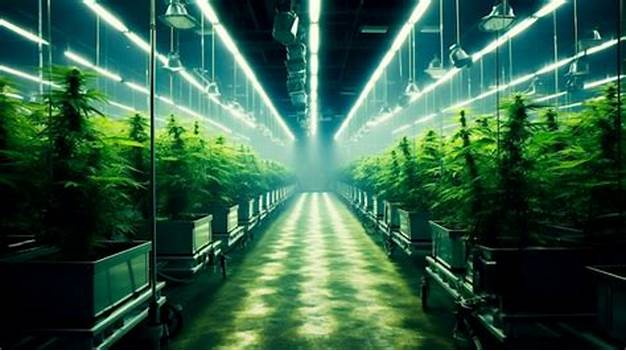
- Growth Characteristics:
- Medium-sized plants with a bushy, indica-dominant structure.
- Dense foliage requires regular pruning to prevent mold in humid conditions.
- Flowering Time:
- Indoor: Approximately 8–10 weeks.
- Outdoor: Typically harvested in late September to early October in the Northern Hemisphere.
- Yield:
- Moderate to high yields, depending on cultivation methods and environmental factors.
- Preferred Conditions:
- Thrives in settings that are moderate and have regulated humidity.
- Optimal growth is achieved with a balanced nutrient regimen rich in nitrogen during the vegetative stage and phosphorus during flowering.
- Resin Production:
- High trichome density makes it ideal for producing concentrates like hash and wax.
Potential Side Effects
While Seattle Blue offers numerous benefits, it is not without potential side effects:
- Common Side Effects:
- Dry Mouth (Cottonmouth): A result of THC’s impact on salivary glands.
- Dry Eyes: Can be mitigated with over-the-counter eye drops.
- Less Common Effects:
- Paranoia: Particularly in inexperienced users or those prone to anxiety.
- Dizziness: Often occurs with overconsumption.
- Precautionary Measures:
- For first-time users in particular, start with a low dosage.
- Drink plenty of water and in a cozy, secure setting.
Scientific Advancements and Research
Recent studies in cannabis research have highlighted the importance of understanding the genetic and biochemical makeup of strains like Seattle Blue. For example:
- Cannabis Genomics:
- Advances in genetic sequencing have enabled more precise identification of strain lineage and cannabinoid profiles.
- Pharmacology:
- Research into THC’s interaction with the endocannabinoid system continues to shed light on its therapeutic potential for conditions such as PTSD, chronic pain, and neurodegenerative diseases.
- Terpene Synergy:
- Studies are increasingly focusing on how terpenes modulate the effects of cannabinoids, offering insights into the entourage effect.
Conclusion
Seattle Blue is a highly versatile cannabis strain, offering a unique blend of uplifting and relaxing effects. Its balanced profile makes it suitable for a wide range of users, from those seeking relief from medical conditions to recreational consumers looking for an enjoyable experience. The strain’s rich cannabinoid and terpene profiles highlight its therapeutic potential, while its flavorful and fragrant characteristics make it a connoisseur’s choice.
As the cannabis industry continues to evolve, strains like Seattle Blue exemplify the complexity and diversity of this plant, offering new opportunities for both scientific exploration and personal enjoyment. Whether you are a medical patient or a recreational enthusiast, Seattle Blue’s multifaceted characteristics ensure it remains a staple in the world of cannabis.
For a complete directory of cultivars, visit our Cannabis Strain Reviews.
