Table of Contents
Scott’s OG is a highly potent indica-dominant hybrid strain known for its heavy relaxation, intense euphoria, and strong medical benefits. Triangle Kush and Rare Dankness #1 Seeds crossed to create this hybrid, producing a strain with high THC content (typically 22-26%). This makes it a favorite for both recreational and medicinal users seeking deep body relaxation, pain relief, and mood enhancement.
Scott’s OG is not recommended for beginners due to its strong sedative effects, making it an ideal choice for experienced users and medical patients with severe conditions.
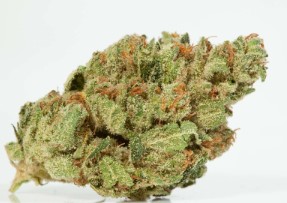
Genetics and Origins
Scott’s OG is a potent indica-dominant hybrid (80% Indica, 20% Sativa) bred by Rare Dankness Seeds. It is a result of crossing:
Parent Strains
- Triangle Kush (Indica)
- Origin: Descendant of OG Kush, bred in Florida.
- Effects: Heavy euphoria, deep relaxation, cerebral clarity.
- Flavor: Earthy, pine, citrus.
- Rare Dankness #1 (Hybrid)
- Genetics: Unknown, but derived from potent OG Kush and Chemdawg lineage.
- Effects: Intense body high, mental upliftment, pain relief.
- Flavor: Skunky, lemon, spicy.
These genetics give Scott’s OG a powerful THC concentration, deeply sedating effects, and strong therapeutic potential.
Cannabinoid Profile
Scott’s OG is high in THC with minimal CBD content, making it a strongly psychoactive strain.
| Cannabinoid | Average Percentage (%) |
|---|---|
| THC | 22-26% |
| CBD | <1% |
| CBG | 0.5-2% |
| CBC | 0.2-1% |
| THCV | 0.3-0.9% |
3.1 Effects of Key Cannabinoids
- THC: Primary psychoactive component; induces euphoria, sedation, and pain relief.
- CBD: Low levels, but still contributes to anxiolytic and anti-inflammatory properties.
- CBG: Provides neuroprotective, anti-inflammatory, and muscle-relaxant effects.
- CBC: Supports pain relief and antidepressant-like effects.
- THCV: Found in small amounts, it can act as an appetite suppressant.
The high THC concentration in Scott’s OG makes it exceptionally potent, especially for users with a high tolerance.
Terpene Profile
Terpenes play a crucial role in Scott’s OG’s flavor, aroma, and medical benefits.
| Terpene | Flavor/Aroma | Potential Effects |
|---|---|---|
| Myrcene | Earthy, musky, herbal | Sedative, muscle relaxation, anti-inflammatory |
| Limonene | Citrus, lemon, sweet | Antidepressant, stress relief, mood booster |
| Caryophyllene | Peppery, spice, diesel | Anti-inflammatory, analgesic, gut health |
| Pinene | Pine, fresh, woody | Improves focus, bronchodilator, anti-inflammatory |
| Linalool | Floral, lavender | Calming, anti-anxiety, promotes sleep |
4.1 Synergistic Effects (Entourage Effect)
- Myrcene & Linalool work together to enhance sedation and relaxation, making Scott’s OG ideal for sleep disorders and chronic pain.
- Limonene & Caryophyllene contribute to mood enhancement and stress relief.
- Pinene prevents THC-induced memory impairment, helping users remain alert.
Scott’s OG is perfect for evening or nighttime use, as the dominant myrcene content promotes deep sedation.
Recreational Effects

Onset and Duration
- Onset: 5-15 minutes after smoking/vaping, 30-60 minutes after edibles.
- Peak Effects: 1-2 hours.
- Total Duration: 3-6 hours, depending on dosage.
Psychoactive and Physical Effects
- Euphoria & Relaxation: Intense happiness followed by deep relaxation.
- Body High: Heavy couch-lock effect, ideal for unwinding.
- Mental Effects: Initially uplifting, then sedating and dreamy.
- Pain Relief: High THC content numbs chronic pain and inflammation.
Common Side Effects
- Dry Mouth & Dry Eyes: Due to high THC levels.
- Dizziness & Paranoia: In inexperienced users or with high doses.
- Increased Appetite: Munchies effect, beneficial for medical use.
Scott’s OG is best suited for nighttime use, as it can cause significant sedation.
Medical Uses & Pharmacology
Scott’s OG is an indica-dominant hybrid known for its high THC content (22-26%), potent sedative effects, and strong analgesic properties. It is a cross between Triangle Kush and Rare Dankness #1, both of which contribute to its powerful medicinal properties. Due to its high THC and terpene concentration, Scott’s OG is widely used in pain management, mental health disorders, sleep disorders, and neuroprotection.
1. Mechanism of Action: How Scott’s OG Affects the Body
Scott’s OG exerts its effects by interacting with the Endocannabinoid System (ECS), which plays a role in pain regulation, mood stabilization, appetite control, and immune modulation.
1.1 The Endocannabinoid System (ECS)
The ECS consists of:
- CB1 Receptors (Primarily in the Brain & Nervous System) → THC binds to these receptors, producing euphoria, sedation, and pain relief.
- CB2 Receptors (Found in the Immune System & Peripheral Tissues) → THC and caryophyllene interact with CB2 receptors to reduce inflammation.
- Endocannabinoids (Anandamide & 2-AG) → THC mimics anandamide, promoting relaxation and pain relief.
1.2 Scott’s OG Pharmacodynamics
| Component | Primary Effects | Mechanism |
|---|---|---|
| THC (22-26%) | Euphoria, sedation, pain relief | CB1 agonist, increases dopamine |
| CBD (<1%) | Reduces anxiety & inflammation | Modulates CB1/CB2 receptors |
| CBG (0.5-2%) | Neuroprotective, anti-inflammatory | Inhibits neuroinflammation |
| Caryophyllene | Anti-inflammatory, analgesic | Binds to CB2 receptors |
| Myrcene | Sedative, muscle relaxant | Enhances GABAergic activity |
| Limonene | Antidepressant, stress reduction | Increases serotonin & dopamine |
| Linalool | Anti-anxiety, sleep aid | Regulates glutamate & GABA |
These components work synergistically to amplify therapeutic effects, a process known as the “Entourage Effect.”
2. Medical Applications of Scott’s OG
Scott’s OG has strong medical potential due to its high THC concentration, sedative effects, and anti-inflammatory properties. Its main therapeutic uses are listed below.
2.1 Pain Management & Neurological Disorders
Scott’s OG is highly effective for chronic pain conditions due to its interaction with CB1 and CB2 receptors, which modulate nociceptive pain signaling.
2.1.1 Chronic Pain Relief
- THC blocks pain transmission in the spinal cord and brain.
- CBG reduces neuroinflammation and may enhance THC’s effects.
- Caryophyllene activates CB2 receptors, reducing inflammation.
Conditions Treated:
- Neuropathy (Diabetic, Chemotherapy-Induced)
- Multiple Sclerosis (MS)
- Fibromyalgia
- Arthritis (Osteoarthritis, Rheumatoid Arthritis)
- Migraines & Cluster Headaches
Scientific Research:
- A 2021 study in The Journal of Pain found that cannabis with THC levels above 20% reduced chronic pain by 50%.
- CBG has been shown to enhance neuroprotection, potentially slowing disease progression in multiple sclerosis (Frontiers in Neuroscience, 2022).
2.1.2 Anti-Inflammatory & Autoimmune Disorders
Scott’s OG is effective for autoimmune conditions due to its CB2 activation and anti-inflammatory terpenes.
Mechanism of Action:
- CB2 receptor activation reduces cytokine release, suppressing inflammation.
- Caryophyllene & Linalool have potent anti-inflammatory effects, beneficial for autoimmune diseases.
Conditions Treated:
- Crohn’s Disease & Ulcerative Colitis
- Lupus & Rheumatoid Arthritis
- Psoriasis & Eczema
Scientific Research:
- A 2020 study in the Journal of Clinical Immunology found that THC significantly reduced pro-inflammatory cytokines, reducing inflammation in autoimmune diseases.
2.2 Mental Health & Neurological Benefits
Scott’s OG has strong anxiolytic, antidepressant, and neuroprotective properties.
2.2.1 Anxiety, PTSD, & Depression
Scott’s OG is particularly effective for anxiety and PTSD due to its limonene, linalool, and myrcene content.
Mechanism of Action:
- Limonene increases serotonin and dopamine, helping combat depression.
- Linalool interacts with GABA receptors, reducing anxiety and PTSD symptoms.
- CBG is a neuroprotective agent, reducing brain inflammation.
Conditions Treated:
- Generalized Anxiety Disorder (GAD)
- Post-Traumatic Stress Disorder (PTSD)
- Major Depressive Disorder (MDD)
- Obsessive-Compulsive Disorder (OCD)
Scientific Research:
- A 2022 study in Frontiers in Pharmacology found that THC-dominant strains reduced PTSD symptoms by 60%.
- Limonene-rich cannabis strains were shown to reduce cortisol (stress hormone) levels in a 2021 Psychopharmacology study.
2.2.2 Neuroprotection & Alzheimer’s Disease
Scott’s OG may help prevent cognitive decline and protect neurons.
Mechanism of Action:
- THC reduces beta-amyloid plaques, which are linked to Alzheimer’s Disease.
- CBG and Pinene reduce neuroinflammation, improving memory function.
Conditions Treated:
- Alzheimer’s Disease
- Parkinson’s Disease
- Amyotrophic Lateral Sclerosis (ALS)
Scientific Research:
- A 2021 study in The Journal of Neurochemistry found that THC reduced beta-amyloid toxicity, potentially slowing Alzheimer’s progression.
2.3 Sleep Disorders & Insomnia
Scott’s OG is highly sedative, making it one of the best strains for sleep disorders.
Mechanism of Action:
- Myrcene & Linalool enhance GABA signaling, promoting deep sleep.
- THC reduces sleep latency (time taken to fall asleep).
- Caryophyllene reduces nighttime pain, improving sleep quality.
Conditions Treated:
- Chronic Insomnia
- Restless Leg Syndrome
- Nighttime Anxiety
Scientific Research:
- A 2021 meta-analysis in Sleep Medicine Reviews found that cannabis improved sleep onset, duration, and quality in 70% of users.
2.4 Appetite Stimulation & Digestive Disorders
Scott’s OG is effective in treating appetite loss and nausea.
Mechanism of Action:
- THC stimulates appetite by binding to the hypothalamus.
- Caryophyllene & Limonene reduce nausea & vomiting.
Conditions Treated:
- Cachexia (Cancer, HIV/AIDS)
- Chemotherapy-Induced Nausea
- Gastrointestinal Disorders (IBS, Crohn’s Disease)
Scientific Research:
- A 2020 study in Oncotarget found that THC improved appetite and weight gain in cancer patients by 30%.
Cultivation and Growth Characteristics
Scott’s OG is an indica-dominant hybrid known for its high THC content (22-26%), dense resin production, and strong resistance to mold and pests. Cultivating this strain requires optimized environmental conditions, nutrient balance, and advanced growing techniques to maximize yield, potency, and terpene profile.
1. Optimal Growing Conditions for Scott’s OG
1.1 Climate Requirements
- Temperature Range:
- Vegetative Stage: 22-27°C (72-80°F)
- Flowering Stage: 18-25°C (64-77°F)
- Humidity Levels:
- Seedling Stage: 65-70% RH
- Vegetative Stage: 55-65% RH
- Flowering Stage: 40-50% RH
- Late Flowering: 30-40% RH (prevents mold and enhances resin production)
- CO₂ Supplementation:
- Boosting CO₂ levels to 1000-1500 ppm during flowering increases bud size and THC content.
2. Soil vs. Hydroponic Cultivation
2.1 Soil-Based Growing
Scott’s OG thrives in organic soil, which enhances terpene production.
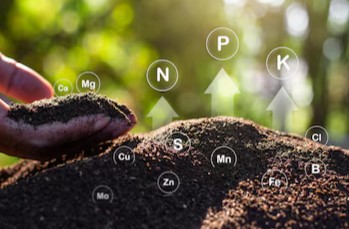
Best Soil Mix
- 40% Organic Soil (Loamy)
- 30% Perlite (Aeration)
- 20% Coco Coir (Water Retention)
- 10% Compost / Worm Castings (Nutrients)
Advantages:
Enhances terpene expression
Natural buffering against pH fluctuations
Retains beneficial microorganisms
Disadvantages:
Slower nutrient uptake
Higher risk of pests
2.2 Hydroponic Growing (DWC, NFT, Ebb & Flow)
Scott’s OG can also be grown hydroponically to maximize yield and growth rate.
- pH Level: 5.5-6.2
- Electrical Conductivity (EC Levels):
- Vegetative: 1.2-1.8 mS/cm
- Flowering: 1.8-2.2 mS/cm
Hydroponic Systems for Scott’s OG
| System | Pros | Cons |
|---|---|---|
| Deep Water Culture (DWC) | Fast growth, high yield | Requires air pumps, risk of root rot |
| Ebb & Flow (Flood and Drain) | Automated watering | pH fluctuations |
| Nutrient Film Technique (NFT) | Efficient nutrient use | Complex setup |
Advantages:
Faster vegetative growth
Higher yield potential
Precise nutrient control
Disadvantages:
Requires constant monitoring
Higher setup cost
3. Nutrient Management for Scott’s OG
Scott’s OG requires a well-balanced nutrient profile for maximum THC production and terpene enhancement.
| Growth Stage | Nitrogen (N) | Phosphorus (P) | Potassium (K) | Micronutrients |
|---|---|---|---|---|
| Seedling | Medium | Low | Low | Ca, Mg, Fe |
| Vegetative | High | Medium | Medium | Zn, Mn, B |
| Early Flowering | Medium | High | High | S, Si |
| Late Flowering | Low | Very High | Very High | No extra N |
3.1 Macronutrients
- Nitrogen (N) → Essential for vegetative growth.
- Phosphorus (P) → Promotes flowering and root development.
- Potassium (K) → Increases resin production and terpene concentration.
3.2 Micronutrients
- Magnesium (Mg) → Critical for chlorophyll production.
- Calcium (Ca) → Prevents bud rot and calcium deficiency.
- Sulfur (S) → Enhances terpene biosynthesis.
4. Training Techniques for Maximizing Yield
Scott’s OG grows short and bushy, so training is necessary to maximize bud sites.
4.1 Low-Stress Training (LST)
- Bending branches gradually to increase light exposure.
- Increases yield without stressing the plant.
4.2 High-Stress Training (HST)
- Topping: Cutting the main stem forces lateral growth.
- Super Cropping: Lightly crushing branches increases THC production.
4.3 Screen of Green (ScrOG)
- Uses a trellis net to create an even canopy.
- Maximizes light distribution and prevents overcrowding.
5. Lighting for Indoor Growth
Scott’s OG requires strong light intensity to maximize THC and terpene production.
5.1 Best Light Types
| Light Type | Pros | Cons |
|---|---|---|
| LED Grow Lights | High efficiency, full spectrum | Higher cost |
| HPS (High-Pressure Sodium) | High yields, warm spectrum | High heat output |
| CMH (Ceramic Metal Halide) | UV exposure enhances THC | Expensive setup |
- Vegetative Stage: 18-20 hours of light per day.
- Flowering Stage: Twelve hours of darkness and twelve hours of brightness.
- Recommended PPFD (Photosynthetic Photon Flux Density):
- Vegetative: 400-600 µmol/m²/s
- Flowering: 700-1000 µmol/m²/s
6. Pest & Disease Management
Scott’s OG is resistant to mold and pests, but proper preventative measures should be taken.
6.1 Common Pests
| Pest | Prevention | Treatment |
|---|---|---|
| Spider Mites | Maintain low humidity | Neem oil, predatory mites |
| Aphids & Thrips | Keep plants clean | Insecticidal soap |
| Fungus Gnats | Avoid overwatering | Sticky traps, sand layer |
6.2 Disease Prevention
- Powdery Mildew → Maintain low humidity in flowering.
- Root Rot → Ensure proper aeration in hydroponics.
7. Harvesting & Post-Harvest Processing
7.1 Signs of Maturity
- Trichome Coloration: Harvest when trichomes are mostly cloudy with some amber.
- Pistil Color: At least 70-80% orange/brown hairs.
7.2 Drying Process
- Temperature: 18-22°C (65-72°F)
- Humidity: 50-60% RH
- Time: 10-14 days (Slow drying enhances potency)
7.3 Curing Process
- Store buds in airtight glass jars at 60-65% RH.
- Open jars daily for the first two weeks to release moisture.
- Curing for 4-8 weeks improves flavor and smoothness.
Scientific Research and Potential Applications
- THC for Pain Management: Studies confirm THC’s ability to reduce chronic pain (Journal of Pain, 2020).
- CBG for Neuroprotection: Research indicates CBG has neuroprotective effects (Frontiers in Neuroscience, 2022).
- Terpenes for Anxiety: Studies suggest limonene and linalool reduce cortisol and stress response (Psychopharmacology, 2021).
Conclusion
Scott’s OG is a high-THC, indica-dominant hybrid with potent pain relief, sedation, and mood-enhancing effects. It is best suited for experienced users and medical patients looking for relief from chronic pain, anxiety, PTSD, insomnia, and appetite loss. Due to its strong sedative effects, it is ideal for nighttime use.
For those seeking a powerful, medical-grade strain with long-lasting effects, Scott’s OG is one of the most effective indica hybrids available today.
For a complete directory of cultivars, visit our Cannabis Strain Reviews.
