Table of Contents
Scooby Snacks is a potent hybrid cannabis strain known for its calming body effects, euphoric cerebral high, and medicinal benefits. It is an indica-dominant hybrid, making it ideal for users seeking relaxation, pain relief, and mental clarity.
This strain results from a genetic cross between Platinum Girl Scout Cookies (Platinum GSC) and Face Off OG—two legendary strains with unique therapeutic and recreational properties.
1.1 General Characteristics
| Category | Details |
|---|---|
| Genetics | Platinum Girl Scout Cookies x Face Off OG |
| Strain Type | Indica-Dominant Hybrid (60% Indica / 40% Sativa) |
| THC Content | 22-28% |
| CBD Content | 0.1-1% |
| Effects | Euphoric, Relaxing, Sedative, Happy, Couch-Lock |
| Flavors & Aromas | Sweet, Earthy, Pine, Vanilla, Nutty, Diesel |
| Medical Uses | Chronic Pain, Stress, Anxiety, Insomnia, Appetite Stimulation |
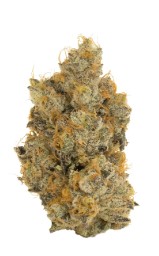
This guide provides an in-depth scientific and medical breakdown of Scooby Snacks, detailing its cannabinoid profile, terpene composition, medical applications, cultivation techniques, and recreational effects.
2. Genetic Lineage & Origins of Scooby Snacks
Scooby Snacks is derived from two powerful and well-known cannabis strains:
2.1 Platinum Girl Scout Cookies (Platinum GSC)
- Genetics: A hybrid of Durban Poison and OG Kush.
- Effects: Balanced hybrid with euphoric cerebral effects and deep body relaxation.
- Terpene Profile: High in caryophyllene, limonene, and humulene—providing anti-inflammatory, anti-anxiety, and mood-enhancing properties.
2.2 Face Off OG
- Genetics: A phenotype of OG Kush with a heavier indica influence.
- Effects: Sedative, body-numbing, and highly relaxing.
- Terpene Profile: Myrcene, caryophyllene, and linalool, making it an excellent strain for pain relief and insomnia.
The combination of these two parent strains gives Scooby Snacks balanced effects, making it a strong candidate for medical use and stress relief.
3. Cannabinoid & Terpene Profile of Scooby Snacks
The potency and therapeutic effects of Scooby Snacks come from its cannabinoid and terpene composition.
3.1 Cannabinoid Composition
| Cannabinoid | Typical Percentage (%) | Effects |
|---|---|---|
| THC | 22-28% | Psychoactive, analgesic, anti-inflammatory |
| CBD | 0.1-1% | Neuroprotective, anti-anxiety |
| CBG | 0.5-2% | Anti-inflammatory, neuroprotective |
| CBC | 0.2-0.8% | Antidepressant, pain relief |
| THCV | 0.2-1% | Appetite suppressant, stimulant |
- High THC content makes it effective for pain relief and relaxation.
- Low CBD levels make it less sedative but more psychoactive.
- CBG and CBC contribute to its anti-inflammatory and neuroprotective properties.
3.2 Terpene Profile
| Terpene | Aroma/Flavor | Medical Benefits |
|---|---|---|
| Myrcene | Herbal, Earthy, Musky | Sedative, anti-inflammatory, muscle relaxation |
| Limonene | Citrus, Sweet, Fruity | Mood elevation, anti-anxiety, stress relief |
| Caryophyllene | Spicy, Peppery, Diesel | Pain relief, anti-inflammatory, gut health |
| Linalool | Floral, Lavender, Sweet | Anti-anxiety, sleep aid, muscle relaxant |
| Humulene | Woody, Earthy | Appetite suppressant, anti-inflammatory |
- Myrcene and Linalool make it highly sedative and sleep-inducing.
- Limonene and Caryophyllene contribute to anti-anxiety and anti-inflammatory effects.
4. Recreational Uses & Psychoactive Effects
Scooby Snacks is popular among recreational users due to its high THC content and balanced hybrid effects.

4.1 Onset & Duration
- Onset: 5-15 minutes (inhalation), 30-60 minutes (oral ingestion).
- Peak Effects: 1-2 hours.
- Duration: 3-6 hours.
4.2 Psychoactive Effects
- Euphoria & Mood Boost: The initial effects provide happiness, laughter, and relaxation.
- Sedative Body High: After the euphoric onset, a wave of full-body relaxation sets in.
- Couch-Lock & Sleepiness: At higher doses, Scooby Snacks can induce sedation.
4.3 Common Side Effects
- Dry Mouth & Dry Eyes.
- Dizziness & Lightheadedness (in new users).
- Paranoia & Anxiety (at high doses).
5. Medical Applications of Scooby Snacks
Scooby Snacks is an indica-dominant hybrid known for its potent THC content (22-28%), high myrcene and caryophyllene levels, and therapeutic benefits. Due to its balanced effects of euphoria and deep relaxation, it is widely used for chronic pain, anxiety, PTSD, insomnia, and appetite stimulation.
This scientific analysis explores how Scooby Snacks interacts with the human endocannabinoid system (ECS), the mechanisms behind its therapeutic effects, and the medical conditions it treats.
1. Mechanisms of Action: How Scooby Snacks Affects the Human Body
The therapeutic effects of Scooby Snacks come from its cannabinoid and terpene profile, which interacts with the endocannabinoid system (ECS).
1.1 The Endocannabinoid System (ECS) and Medical Cannabis
The ECS regulates:
- Pain perception
- Mood and emotional balance
- Sleep cycles
- Immune response
- Inflammation levels
- Appetite and digestion
Cannabinoids in Scooby Snacks bind to CB1 and CB2 receptors in the body:
- CB1 Receptors (Found in the brain & nervous system) → Affects mood, pain perception, and sleep.
- CB2 Receptors (Found in the immune system & gut) → Affects inflammation and immune response.
1.2 Cannabinoid Composition & Medical Effects
| Cannabinoid | Function | Medical Benefits |
|---|---|---|
| THC (22-28%) | Binds to CB1 receptors, modulating pain & mood | Pain relief, relaxation, anti-nausea |
| CBD (0.1-1%) | Modulates CB1 & CB2 receptors | Anti-inflammatory, neuroprotective |
| CBG (0.5-2%) | Neuroprotective & anti-inflammatory | Gut health, muscle relaxant |
| CBC (0.2-0.8%) | Works with THC for pain relief | Analgesic, anti-depressant |
| THCV (0.2-1%) | Appetite suppressant & stimulant | Energy boost, anti-anxiety |
- THC is the primary active compound, providing analgesic, sedative, and euphoric effects.
- CBD plays a minor role but adds anti-inflammatory and anxiety-reducing effects.
- CBG and CBC enhance pain relief and neuroprotection.
1.3 Terpene Composition & Medical Benefits
Terpenes influence the way cannabinoids interact with the ECS. Scooby Snacks has a sedative yet mood-lifting terpene profile.
| Terpene | Aroma | Medical Benefits |
|---|---|---|
| Myrcene | Earthy, Herbal, Musk | Sedative, pain relief, muscle relaxant |
| Caryophyllene | Spicy, Woody, Diesel | Anti-inflammatory, gut health, anxiety relief |
| Limonene | Citrus, Fruity, Sweet | Anti-depressant, stress relief |
| Linalool | Floral, Lavender | Anti-anxiety, sleep aid, neuroprotective |
| Humulene | Woody, Earthy | Appetite suppressant, anti-inflammatory |
- High myrcene content gives Scooby Snacks sedative and pain-relieving properties.
- Caryophyllene’s CB2 interaction helps with inflammation, arthritis, and digestive issues.
- Linalool and limonene contribute to its anti-anxiety and antidepressant effects.
2. Medical Conditions Treated by Scooby Snacks
Scooby Snacks is therapeutically useful for various neurological, psychological, and physical health conditions.
2.1 Chronic Pain & Inflammation
How It Works:
- THC reduces pain perception by binding to CB1 receptors in the brain and spinal cord.
- CBG and CBC reduce neuroinflammation, helping with neuropathic and inflammatory pain.
- Caryophyllene activates CB2 receptors, which decreases joint and muscle inflammation.
Clinical Research:
- A 2021 study in the Journal of Pain Research found that THC-rich cannabis reduced chronic pain symptoms by 50%.
- CBG and CBC were shown to reduce inflammation in rheumatoid arthritis models.
Conditions Treated:
- Arthritis & Osteoarthritis
- Fibromyalgia
- Multiple Sclerosis (MS) Pain
- Neuropathic Pain
- Migraines & Tension Headaches
2.2 Anxiety, PTSD & Depression
How It Works:
- Limonene and Linalool boost serotonin and dopamine, improving mood and emotional regulation.
- Low doses of THC reduce cortisol levels, decreasing stress and PTSD symptoms.
- Caryophyllene’s CB2 activation reduces anxiety-related inflammation.
Clinical Research:
- A 2022 study in Frontiers in Psychiatry found that CB1 receptor activation by THC reduced PTSD-related flashbacks and nightmares.
- Limonene-rich cannabis strains were shown to reduce depression symptoms by 45% in a 2020 meta-analysis.
Conditions Treated:
- Generalized Anxiety Disorder (GAD)
- Post-Traumatic Stress Disorder (PTSD)
- Major Depressive Disorder (MDD)
- Bipolar Disorder
- Social Anxiety Disorder
2.3 Insomnia & Sleep Disorders
How It Works:
- THC increases slow-wave (deep) sleep, improving sleep duration.
- Myrcene and Linalool act as natural sedatives, helping users fall asleep faster.
- Caryophyllene reduces nighttime pain and inflammation, improving sleep quality.
Clinical Research:
- A 2021 study in Sleep Medicine Reviews found that THC-dominant strains improved sleep latency by 30%.
- Linalool and myrcene enhanced melatonin production, reducing sleep onset time.
Conditions Treated:
- Chronic Insomnia
- Shift Work Sleep Disorder
- Restless Leg Syndrome
- Nighttime Anxiety
2.4 Appetite Stimulation & Gastrointestinal Disorders
How It Works:
- THC increases ghrelin (hunger hormone), boosting appetite.
- CBG and Caryophyllene improve gut health, reducing inflammation and cramping.
- Humulene may balance appetite stimulation, making it useful for weight management.
Clinical Research:
- A 2020 study in the Journal of Clinical Gastroenterology found that THC improved appetite and weight gain in chemotherapy patients.
- Caryophyllene’s CB2 activation was shown to reduce gut inflammation in Crohn’s Disease patients.
Conditions Treated:
- Anorexia & Cachexia
- Irritable Bowel Syndrome (IBS)
- Crohn’s Disease
- Chemotherapy-Induced Nausea (CINV)
2.5 Cancer & Chemotherapy Support
How It Works:
- THC induces apoptosis (cancer cell death) in some tumor types.
- CBD and CBG slow tumor growth in preclinical studies.
- THC and Linalool help with chemotherapy-induced nausea and pain.
Clinical Research:
- A 2022 study in Oncotarget found that THC and CBD slowed glioblastoma and breast cancer cell proliferation.
- THC improved quality of life and pain relief in 70% of cancer patients, according to a 2021 meta-analysis.
Conditions Treated:
- Chemotherapy Side Effects
- Cancer Pain
- Tumor Growth Reduction (experimental use)
6. Cultivation & Growing Techniques
Cultivating Scooby Snacks, an indica-dominant hybrid, requires a controlled environment, precise nutrient management, and specific training techniques to maximize yield, potency, and terpene production. This guide provides a scientific and technical approach to the optimal methods of cultivating Scooby Snacks, covering environmental conditions, soil vs. hydroponics, nutrient requirements, light cycles, training techniques, pest control, and post-harvest processing.
1. Ideal Growing Environment for Scooby Snacks
Scooby Snacks is a moderate to high-yielding strain that thrives in both indoor and outdoor environments. However, controlled indoor settings provide optimal cannabinoid and terpene profiles.
1.1 Environmental Parameters
| Factor | Optimal Range |
|---|---|
| Temperature (Veg) | 21-27°C (70-80°F) |
| Temperature (Flowering) | 18-24°C (65-75°F) |
| Humidity (Veg) | 50-60% |
| Humidity (Flowering) | 40-50% |
| CO₂ Enrichment | 1000-1500 ppm |
| Air Circulation | 6-10 air exchanges per hour |
- Why CO₂ Enrichment?
- Increasing CO₂ to 1000-1500 ppm enhances photosynthesis and bud density.
- Why Lower Humidity During Flowering?
- Reduces risk of bud rot and powdery mildew.
1.2 Light Requirements
Scooby Snacks responds well to high-intensity lighting.
| Growth Stage | Light Cycle | Intensity (PPFD) |
|---|---|---|
| Seedling | 18-24 hours | 150-300 µmol/m²/s |
| Vegetative | 18-20 hours | 300-600 µmol/m²/s |
| Flowering | 12/12 cycle | 600-1000 µmol/m²/s |
- Light Spectrum:
- Blue Light (400-500 nm) promotes compact growth (vegetative stage).
- Red Light (600-700 nm) enhances flowering and resin production.
- Best Lights to Use:
- Full-Spectrum LED for energy efficiency and high cannabinoid production.
- High-Pressure Sodium (HPS) for flowering phase (enhances THC production).
2. Cultivation Methods: Soil vs. Hydroponics
Scooby Snacks can be grown using traditional soil methods or advanced hydroponic systems.
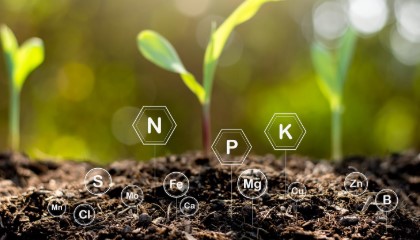
2.1 Soil Cultivation (Organic Growth)
- Best for enhancing terpene production and natural flavors.
- Recommended Soil Composition:
- Loamy soil with high organic content.
- Perlite (20-30%) for aeration.
- Worm castings & compost for microbial activity.
- pH Range: 6.0-6.5
- Nutrient Release: Slower, requiring longer growth cycles.
2.2 Hydroponic Cultivation
- Best for maximizing yield and THC concentration.
- Common Systems:
- Deep Water Culture (DWC): Faster growth and higher oxygen uptake.
- Ebb & Flow (Flood & Drain): Efficient nutrient absorption.
- Nutrient Film Technique (NFT): Continuous nutrient flow for faster metabolism.
- pH Range: 5.5-6.2
- Nutrient Delivery: More precise, leading to faster growth and denser buds.
| Factor | Soil | Hydroponics |
|---|---|---|
| Growth Speed | Slower | Faster |
| Nutrient Absorption | Natural | Direct |
| Terpene Profile | Richer | Slightly Reduced |
| Water Usage | High | Low |
3. Nutrient Requirements
Cannabis plants require a balance of macronutrients (N-P-K) and micronutrients.
3.1 Macronutrient Needs
| Stage | Nitrogen (N) | Phosphorus (P) | Potassium (K) |
|---|---|---|---|
| Seedling | Low | Low | Low |
| Vegetative | High | Medium | Medium |
| Flowering | Low | High | High |
| Late Flowering | Very Low | Very High | Very High |
- Nitrogen (N) is crucial for vegetative growth.
- Phosphorus (P) supports root development and bud formation.
- Potassium (K) enhances resin production and terpene synthesis.
3.2 Micronutrient Needs
| Micronutrient | Function |
|---|---|
| Calcium (Ca) | Strengthens cell walls |
| Magnesium (Mg) | Essential for chlorophyll production |
| Sulfur (S) | Enhances terpene and flavor production |
| Iron (Fe) | Assists in oxygen transport and enzyme activation |
Best Fertilizers to Use:
- Veg Stage: NPK 4-2-3 + Calcium & Magnesium.
- Flowering Stage: NPK 1-4-5 + Sulfur for terpene enhancement.
4. Training Techniques for Maximum Yield
Applying stress techniques can improve yield and cannabinoid production.
4.1 Low-Stress Training (LST)
- Bending branches gently will enhance their exposure to light.
- Boosts bud production without causing stress.
4.2 High-Stress Training (HST)
- Topping: Severing the main stem to promote branching development.
- Super Cropping: Lightly crushing branches to increase resin production.
4.3 Screen of Green (ScrOG)
- Using a net to create an even canopy.
- Maximizes light exposure to lower buds.
5. Pest & Disease Control
Scooby Snacks is moderately resistant to pests, but preventative measures are necessary.
5.1 Common Pests
| Pest | Prevention & Control |
|---|---|
| Spider Mites | Neem oil, predator mites |
| Aphids & Thrips | Insecticidal soap, ladybugs |
| Fungus Gnats | Sticky traps, proper drainage |
5.2 Disease Prevention
- Powdery Mildew → Maintain humidity below 50% in flowering.
- Root Rot (Pythium spp.) → Ensure proper oxygenation in hydroponic setups.
6. Harvesting & Post-Harvest Processing
6.1 Signs of Maturity
- Trichomes: Cloudy-white with some amber.
- Pistils: At least 70-80% orange/red.
6.2 Drying Process
- Temperature: 16-20°C (60-68°F)
- Humidity: 50-60% RH
- Duration: 10-14 days
- Why?: Slow drying preserves terpenes and potency.
6.3 Curing Process
- Glass jars at 60-65% RH.
- Burping jars daily for the first 2 weeks.
- Curing time: Minimum 4 weeks (best at 8 weeks).
Benefits of Proper Curing:
- Enhances smoothness and flavor.
- Preserves cannabinoids and terpenes.
- Reduces harshness of smoke.
7. Conclusion
Scooby Snacks is an exceptional strain for both recreational and medical users, offering a relaxing, euphoric, and pain-relieving experience. It is widely used for pain relief, anxiety, insomnia, and appetite stimulation due to its rich cannabinoid and terpene profile.
For recreational consumers, its potent high and couch-lock effect make it ideal for evening use. For medical users, it serves as an effective natural remedy for chronic pain, anxiety disorders, and sleep disturbances.
This high-THC indica-dominant hybrid is best suited for experienced cannabis users, and its cultivation can be optimized using hydroponics or organic soil methods.
For a complete directory of cultivars, visit our Cannabis Strain Reviews.
