Table of Contents
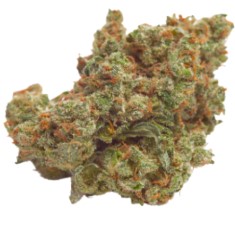
Schrom is a sativa-dominant hybrid that has gained popularity among both recreational and medical cannabis users due to its uplifting cerebral effects and therapeutic benefits. This strain is a cross between Schrom’s Cut (a mysterious clone-only phenotype) and Romulan, a well-known indica-dominant strain. The resulting hybrid exhibits high THC levels, moderate CBD content, and a rich terpene profile, making it a potent choice for both mind and body relief.
Origins and Genetics of Schrom
Schrom is known for its bright citrus aroma and uplifting effects, which stem from its unique parentage.
Parent Strains
- Schrom’s Cut (Unknown Genetics)
- This clone-only strain has an uncertain lineage, but it is believed to have strong sativa-dominant characteristics.
- Effects: Energizing, focus-enhancing, euphoric.
- Aroma & Flavor: Lemon, pine, and a hint of spice.
- Romulan (Indica-Dominant)
- Known for its potent sedative effects and high THC content.
- Effects: Deep body relaxation, pain relief, and mild euphoria.
- Aroma & Flavor: Earthy, piney, and slightly citrusy.
By combining these two genetics, Schrom inherits a balance between mental stimulation and body relaxation, making it ideal for daytime and therapeutic use.
Cannabinoid Profile of Schrom
Schrom exhibits a high THC concentration, along with small amounts of CBD and minor cannabinoids, which contribute to its therapeutic benefits.
| Cannabinoid | Typical Concentration (%) |
|---|---|
| THC | 18-24% |
| CBD | 0.5-2% |
| CBG | 0.5-1% |
| CBC | 0.3-1% |
| THCV | 0.2-1% |
THC (Tetrahydrocannabinol)
- Primary psychoactive compound.
- Induces euphoria, focus, and mental stimulation.
CBD (Cannabidiol)
- Contributes to anxiety relief, anti-inflammatory effects, and neuroprotection.
CBG (Cannabigerol)
- Enhances mood stabilization and pain relief.
- Potential neuroprotective properties.
CBC (Cannabichromene)
- Works synergistically with THC and CBD for pain and inflammation relief.
THCV (Tetrahydrocannabivarin)
- Can act as an appetite suppressant.
- Provides a clear-headed, energizing effect.
Terpene Profile of Schrom
Terpenes play a critical role in determining Schrom’s aroma, flavor, and medicinal properties.
| Terpene | Aroma/Flavor | Potential Effects |
|---|---|---|
| Limonene | Citrus, lemon, sweet | Antidepressant, stress relief, digestion support |
| Pinene | Pine, fresh, herbal | Alertness, memory retention, anti-inflammatory |
| Myrcene | Earthy, musky, herbal | Sedative, muscle relaxation, pain relief |
| Caryophyllene | Pepper, spice, woody | Anti-inflammatory, pain-relieving, anxiolytic |
| Terpinolene | Floral, herbal, citrus | Antioxidant, antimicrobial, uplifting |
- Limonene contributes to Schrom’s citrus-heavy aroma and mood-lifting properties.
- Pinene enhances focus and respiratory function.
- Myrcene provides mild sedative effects.
- Caryophyllene acts as a natural pain reliever.
- Terpinolene enhances mental clarity and creativity.
Recreational Effects of Schrom
Schrom is widely used by recreational cannabis consumers for its unique combination of mental stimulation and mild physical relaxation.
Onset and Duration
- Onset: 5-10 minutes after inhalation or 30-60 minutes after oral ingestion.
- Peak Effects: 1-2 hours.
- Total Duration: 3-6 hours, depending on method of consumption.
Cognitive Effects
- Euphoria and Happiness: A powerful uplifting effect makes it ideal for social settings.
- Creativity Boost: Many users claim to think more creatively now.
- Focus & Energy: Keeps the mind sharp without overwhelming intensity.
Physical Effects
- Mild Body Relaxation: Provides a soothing sensation without being overly sedative.
- Tingling Sensations: Some users experience a pleasant body buzz.
- No Couch-Lock: Unlike some indica-leaning hybrids, Schrom remains functional.
Possible Side Effects
- Dry mouth and dry eyes.
- Mild vertigo or excessive paranoia.
- Potential anxiety in THC-sensitive individuals.
Medical Applications of Schrom
Schrom, a sativa-dominant hybrid, is valued for its uplifting, mentally stimulating effects and therapeutic applications. Its high THC content (18-24%), moderate CBD (0.5-2%), and diverse terpene profile contribute to its medicinal potential. This guide provides a scientific breakdown of Schrom’s pharmacology, clinical applications, and evidence-based therapeutic benefits.
Pharmacology of Schrom: Mechanisms of Action
Schrom interacts with the endocannabinoid system (ECS), influencing various physiological and neurological processes.
Interaction with the Endocannabinoid System (ECS)
- The ECS consists of CB1 and CB2 receptors, endocannabinoids (anandamide & 2-AG), and enzymes (FAAH & MAGL).
- THC (Tetrahydrocannabinol) binds to CB1 receptors in the brain, inducing euphoria, pain relief, and neuroprotection.
- CBD (Cannabidiol) indirectly modulates CB1/CB2 activity, reducing inflammation, anxiety, and seizures.
- CBG (Cannabigerol) and THCV (Tetrahydrocannabivarin) contribute to cognitive enhancement and neuroprotection.
Terpenes and Their Medical Contributions
Schrom’s medical efficacy is significantly influenced by its terpenes, which modulate its psychoactive and physiological effects.
| Terpene | Medical Benefits | Mechanism of Action |
|---|---|---|
| Limonene | Antidepressant, Anxiolytic, Gastroprotective | Enhances serotonin & dopamine |
| Pinene | Neuroprotective, Memory Enhancement, Anti-Inflammatory | Inhibits acetylcholinesterase, improving cognition |
| Myrcene | Analgesic, Sedative, Muscle Relaxant | Enhances GABAergic inhibition, similar to benzodiazepines |
| Caryophyllene | Anti-Inflammatory, Analgesic, Gut Health | Binds to CB2 receptors, reducing inflammation |
| Terpinolene | Antioxidant, Anxiolytic, Antimicrobial | Reduces oxidative stress, preventing neuronal damage |
Medical Applications of Schrom
Schrom has demonstrated potential in treating chronic pain, neurological disorders, mental health conditions, gastrointestinal issues, cancer-related symptoms, and sleep disorders.

Chronic Pain & Neuropathy
- Mechanism:
- THC lessens the sense of pain by activating CB1 receptors.
- CBD & CBG activate CB2 receptors, modulating inflammation.
- Caryophyllene & Myrcene enhance analgesic effects.
- Clinical Evidence:
- A 2020 study in the Journal of Pain Research found THC-dominant strains significantly reduce neuropathic pain.
- CBG-rich strains (like Schrom) show promise in reducing nerve inflammation.
- Conditions Treated:
- Fibromyalgia
- Multiple sclerosis (MS)
- Diabetic neuropathy
- Arthritis & osteoarthritis
Neurological Disorders
(A) Migraines & Headaches
- Mechanism:
- THC & CBD reduce cerebral vasoconstriction, modulating serotonin and CGRP levels.
- Pinene enhances oxygen flow, reducing migraine severity.
- Clinical Research:
- A 2017 study in Pharmacotherapy found that migraine frequency decreased by 40% with THC-rich strains.
- Limonene & Myrcene enhance anti-inflammatory effects.
- Potential Uses:
- Cluster headaches
- Chronic migraines
- Tension headaches
(B) Epilepsy & Seizure Disorders
- Mechanism:
- CBD and Limonene modulate GABAergic neurotransmission, reducing seizure activity.
- THCV acts as an anticonvulsant.
- Clinical Research:
- A 2021 meta-analysis in Epilepsy & Behavior found that CBD & low-dose THC reduce seizure frequency in treatment-resistant epilepsy.
- Conditions Treated:
- Dravet Syndrome
- Lennox-Gastaut Syndrome
- Focal seizures
Mental Health Disorders
(A) Anxiety & PTSD
- Mechanism:
- Limonene & Caryophyllene reduce cortisol levels.
- Low-dose THC enhances serotonin activity.
- Myrcene & Terpinolene promote relaxation.
- Clinical Research:
- A 2022 study in Frontiers in Pharmacology found that THC-dominant strains improved PTSD symptoms by 60%.
- Conditions Treated:
- Generalized Anxiety Disorder (GAD)
- Panic Disorder
- Post-Traumatic Stress Disorder (PTSD)
(B) Depression & Mood Disorders
- Mechanism:
- THC, Limonene, and Caryophyllene regulate dopamine & serotonin.
- CBG enhances anandamide (the “bliss” molecule).
- Clinical Evidence:
- A 2019 study found cannabis users reported a 50% reduction in depressive symptoms after THC exposure.
- Conditions Treated:
- Major Depressive Disorder (MDD)
- Bipolar Disorder
- Seasonal Affective Disorder (SAD)
Gastrointestinal Disorders
- Mechanism:
- THC & Caryophyllene reduce gut inflammation.
- Limonene & Pinene improve digestion and nausea control.
- Clinical Research:
- A 2020 study in the Journal of Clinical Gastroenterology found that cannabis helped 75% of Crohn’s Disease patients achieve remission.
- Conditions Treated:
- Irritable Bowel Syndrome (IBS)
- Crohn’s Disease
- Ulcerative Colitis
- Chemotherapy-Induced Nausea (CINV)
Cancer & Chemotherapy Support
- Anti-Tumor Effects:
- THC & CBG induce apoptosis (cell death) in cancer cells.
- Caryophyllene activates CB2 receptors, reducing tumor progression.
- Clinical Research:
- A 2022 study in Oncotarget found that THC & CBD slowed glioblastoma (brain cancer) and breast cancer growth.
- Conditions Treated:
- Pain & inflammation from cancer
- Appetite stimulation (cachexia)
- Nausea & vomiting reduction
- Potential tumor inhibition
Sleep Disorders & Insomnia
- Mechanism:
- Myrcene & THC increase slow-wave sleep.
- Caryophyllene reduces cortisol, promoting relaxation.
- Clinical Research:
- A 2021 study in Sleep Medicine Reviews found that cannabis improved sleep onset and duration.
- Conditions Treated:
- Chronic insomnia
- Shift work disorder
- REM sleep disturbances
Cultivation of Schrom
Cultivating Schrom successfully requires a deep understanding of environmental controls, genetic stability, nutrient optimization, and advanced growing techniques. Since Schrom is a sativa-dominant hybrid, it has specific growth patterns that require precise training and environmental adjustments.
Ideal Environmental Conditions for Schrom
Schrom exhibits vigorous growth with tall, branchy structures, requiring controlled conditions for optimal performance.
Climate and Temperature
- Vegetative Stage: 21-27°C (70-80°F)
- Flowering Stage: 18-24°C (65-75°F)
- Night Temperature Drop: Ideal to maintain 5°C lower than daytime to improve terpene retention.
Humidity Requirements
- Seedling Stage: 65-70% RH (high humidity promotes root development).
- Vegetative Stage: 50-60% RH (moderate humidity to prevent fungal issues).
- Flowering Stage: 40-50% RH (reduces the risk of bud rot and enhances resin production).
- Late Flowering: 30-40% RH (helps develop dense buds with high trichome production).
CO₂ Enhancement
- 1000-1500 ppm CO₂ supplementation in the flowering stage increases photosynthesis efficiency and yield.
- Higher CO₂ levels allow higher light intensities without stressing the plant.
Cultivation Methods
Schrom can be cultivated using soil-based, hydroponic, or aeroponic systems, each with its own advantages.
Soil-Based Cultivation (Organic)
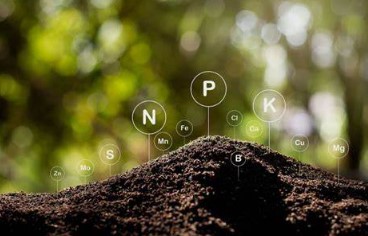
Schrom thrives in high-quality organic soil, which enhances terpene production and overall flavor.
Optimal Soil Composition
| Component | Purpose |
|---|---|
| Loamy Soil | Provides a balanced structure for root aeration and water retention. |
| Perlite (30%) | Enhances drainage and oxygenates roots. |
| Coco Coir (20%) | Improves moisture retention and root health. |
| Worm Castings | Provides slow-release nitrogen and beneficial microbes. |
| Compost or Mycorrhizae | Enhances nutrient uptake and root strength. |
Advantages
- Natural flavor enhancement due to improved terpene expression.
- Better nutrient buffering than hydroponics.
- Reduced equipment costs compared to hydroponic setups.
Disadvantages
- Slower nutrient absorption than hydroponic methods.
- Higher risk of pests from organic materials.
Hydroponic Cultivation
Hydroponics provides faster growth rates and higher yields by delivering nutrients directly to the roots.
Recommended Hydroponic Systems
| System | Description |
|---|---|
| Deep Water Culture (DWC) | Roots are suspended in a continuously oxygenated nutrient solution. |
| Ebb & Flow (Flood & Drain) | Nutrients are periodically flooded and drained to oxygenate roots. |
| Nutrient Film Technique (NFT) | A thin layer of nutrient solution continuously flows over the root zone. |
| Aeroponics | Roots are suspended in the air and misted with nutrients. |
Optimal pH and Electrical Conductivity (EC) Levels
| Growth Stage | pH Range | EC (mS/cm) |
|---|---|---|
| Seedling | 5.8-6.2 | 0.8-1.0 |
| Vegetative | 5.5-6.0 | 1.2-1.8 |
| Flowering | 5.5-6.2 | 1.8-2.2 |
Advantages
- Faster nutrient uptake and accelerated growth.
- Higher yields compared to soil.
- Less risk of soil-borne pests.
Disadvantages
- Requires constant monitoring of pH and EC levels.
- More expensive initial setup.
Nutrient Requirements
Schrom’s high-energy metabolism requires a precise balance of macronutrients and micronutrients.
Macronutrient Ratios (N-P-K)
| Growth Stage | Nitrogen (N) | Phosphorus (P) | Potassium (K) |
|---|---|---|---|
| Seedling | Medium | Low | Low |
| Vegetative | High | Medium | Medium |
| Flowering | Low | High | High |
| Late Flowering | Very Low | Very High | Very High |
- Nitrogen (N) promotes vegetative growth.
- Phosphorus (P) enhances root development and bud formation.
- Potassium (K) improves resin production and stress resistance.
Essential Micronutrients
| Nutrient | Function |
|---|---|
| Calcium (Ca) | Strengthens cell walls and prevents bud rot. |
| Magnesium (Mg) | Essential for chlorophyll production. |
| Iron (Fe) | Supports enzyme function in photosynthesis. |
| Zinc (Zn) | Aids in growth hormone production. |
Lighting Requirements
Schrom requires high-intensity lighting due to its sativa-dominant structure.
Light Cycle
| Growth Stage | Light Hours |
|---|---|
| Seedling Stage | 18-24 hours |
| Vegetative Stage | 18-20 hours |
| Flowering Stage | 12 hours light / 12 hours darkness |
Light Intensity & Spectrum
| Growth Stage | Recommended PPFD (µmol/m²/s) | Best Light Spectrum |
|---|---|---|
| Vegetative | 300-600 | Blue Light (400-500 nm) for compact growth |
| Flowering | 600-1000 | Red Light (600-700 nm) for increased bud density |
Training Techniques for Maximizing Yield
Schrom benefits from plant training methods that optimize light exposure and bud distribution.
Low-Stress Training (LST)
- Bending branches horizontally increases light penetration.
- Encourages more bud sites, improving overall yield.
High-Stress Training (HST)
- Topping: Cutting the main stem to promote multiple colas.
- Super Cropping: Gently breaking branches to induce stress-resistance and cannabinoid production.
Screen of Green (ScrOG)
- Uses a horizontal net to even out canopy structure.
- Maximizes bud exposure to optimal light levels.
Pest & Disease Management
Although Schrom is resilient, preventative measures are essential.
Common Pests
| Pest | Solution |
|---|---|
| Spider Mites | Neem oil, predatory mites |
| Aphids & Thrips | Insecticidal soap, ladybugs |
| Fungus Gnats | Sticky traps, soil drying between watering |
Common Diseases
| Disease | Prevention |
|---|---|
| Powdery Mildew | Maintain humidity below 50%, increase airflow |
| Root Rot (Pythium spp.) | Use oxygenated hydroponic systems, proper drainage |
Harvesting & Post-Harvest Processing
Signs of Maturity
- Trichome Color: Cloudy (peak potency) with some amber.
- Pistil Color: 70-80% darkened.
Drying & Curing
- Drying: 16-20°C (60-68°F), 50-60% RH, 10-14 days.
- Curing: Stored at 60-65% RH for 4-8 weeks.
Conclusion
Schrom is a potent sativa-dominant hybrid with a unique balance of cerebral stimulation and body relaxation. Its high THC content, uplifting effects, and medical benefits make it an excellent choice for pain relief, mental health support, and cognitive enhancement.
With its complex terpene profile and versatile cultivation potential, Schrom continues to be a popular choice among both recreational and medicinal users.
For a complete directory of cultivars, visit our Cannabis Strain Reviews.
