Table of Contents
Satellite OG is an exceptional cannabis strain that embodies the best of indica-dominant hybrid genetics. A powerhouse derived from the crossing of OG Kush and SFV OG (San Fernando Valley OG), Satellite OG is known for its profound psychoactive effects, distinct aroma and flavor, and diverse medical applications. This detailed exploration delves into the strain’s genetic lineage, chemical composition, effects, and cultivation, offering a comprehensive understanding of its recreational and medical utility.
Genetic Lineage and Origins
Satellite OG’s parent strains, OG Kush and SFV OG, contribute to its potency, flavor, and therapeutic potential. These strains are genetically robust and have established themselves as legendary cannabis varieties.
- OG Kush: A globally recognized strain, OG Kush is thought to have originated from a blend of Hindu Kush, Lemon Thai, and Chemdawg. It is cherished for its ability to produce a balanced combination of euphoria and relaxation. Its genetic traits, including high THC levels and a pungent, citrusy aroma, are prevalent in Satellite OG.
- SFV OG: As a sativa-dominant phenotype of OG Kush, SFV OG is known for its cerebral effects and therapeutic properties, particularly in alleviating pain and stress. Its uplifting qualities balance out the indica-heavy lineage of OG Kush, giving Satellite OG its unique hybrid effects.
Morphological and Sensory Characteristics
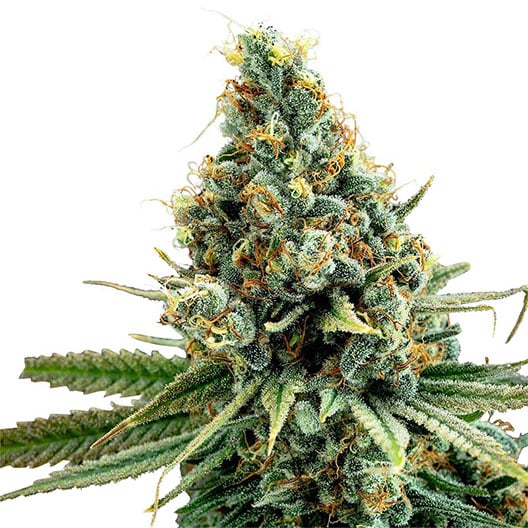
- Visual Appeal: Satellite OG produces dense, medium-sized buds with an aesthetically pleasing appearance. The buds are forest green with golden undertones, laced with fiery orange pistils and a sparkling layer of trichomes. This trichome density indicates its high resin production, making it ideal for creating concentrates and extracts.
- Aroma: Satellite OG boasts a complex aromatic profile. It combines pungent earthiness with undertones of sweet pine and a hint of citrus. When the buds are broken apart, subtle notes of skunk and sugary candy emerge, appealing to connoisseurs.
- Flavor Profile: The flavor of Satellite OG mirrors its aroma but with enhanced sweetness. On inhalation, users experience a sugary, candy-like taste, complemented by earthy pine. Upon exhalation, a sharp, lemony tang lingers on the palate.
Cannabinoid and Terpene Composition
Cannabinoids
- THC (Tetrahydrocannabinol): Satellite OG typically contains 20-25% THC, making it a potent strain that delivers strong psychoactive effects. THC affects mood, perception, and pain by binding to the brain’s CB1 receptors.
- CBD (Cannabidiol): While low in CBD (less than 1%), the trace amounts may subtly modulate the effects of THC, reducing paranoia or anxiety in some users.
- Other Cannabinoids: The strain also contains trace levels of CBG (Cannabigerol) and CBC (Cannabichromene), which contribute to its anti-inflammatory and mood-stabilizing properties.
Terpenes
Satellite OG’s terpene profile enhances its effects and sensory experience:
- Myrcene: Dominant in Satellite OG, myrcene is known for its sedative properties and earthy aroma. It contributes to the strain’s ability to relax muscles and promote sleep.
- Limonene: The citrusy undertones of Satellite OG stem from limonene, which has uplifting effects and potential anti-anxiety benefits.
- Pinene: Found in smaller quantities, pinene contributes a fresh pine scent and may improve focus and reduce inflammation.
- Caryophyllene: This spicy terpene interacts with CB2 receptors, giving Satellite OG its anti-inflammatory and analgesic properties.
Physiological and Psychological Effects
Satellite OG offers a dynamic spectrum of effects, influenced by its hybrid genetics and chemical profile.
Recreational Effects
- Euphoric Onset: The high begins with a heady rush that uplifts mood and induces euphoria. Users report heightened creativity and focus, making it suitable for artistic or introspective activities.
- Balanced Relaxation: After the initial cerebral effects, Satellite OG transitions into a body high characterized by muscle relaxation and tension relief. Despite its indica dominance, it avoids the “couch-lock” associated with many indica strains.
- Enhanced Sensory Perception: Some users describe amplified sensory experiences, making it a popular choice for enjoying music, films, or social interactions.
Medical Uses of Satellite OG
The therapeutic potential of Satellite OG lies in its robust cannabinoid and terpene profile, which interact with the body’s endocannabinoid system (ECS) to provide relief for various medical conditions. Here is a detailed exploration of its key medical applications:
1. Pain Management
Satellite OG is highly effective in alleviating different types of pain due to its analgesic properties.
- Chronic Pain: Cannabinoids like THC and terpenes such as caryophyllene interact with CB1 and CB2 receptors to reduce the perception of pain.
- Neuropathic Pain: Patients with conditions like fibromyalgia or multiple sclerosis report relief, possibly due to THC’s modulation of pain signaling in the central nervous system.
- Muscle Spasms and Cramps: Myrcene’s muscle-relaxant properties complement THC’s action on pain relief.
2. Stress and Anxiety
The uplifting cerebral effects of limonene and THC can alleviate stress and anxiety by enhancing serotonin and dopamine activity. However, individuals prone to THC-induced anxiety should use low doses.
3. Depression
Satellite OG’s euphoric effects may help individuals combat depression by stimulating the release of mood-regulating neurotransmitters.
4. Insomnia
While not heavily sedative, the strain’s myrcene and THC content can induce relaxation and improve sleep quality for individuals with mild insomnia.
5. Appetite Stimulation
Satellite OG is known for inducing the “munchies,” making it a potential treatment for appetite loss caused by conditions such as:
- Cancer treatments: Chemotherapy often leads to severe nausea and appetite suppression.
- Eating disorders: The strain’s ability to make people hungry can aid in the recovery of those suffering from disorders like anorexia.
6. Anti-Inflammatory Benefits
Satellite OG may reduce inflammation through the action of cannabinoids like THC and minor cannabinoids such as CBG, which interact with CB2 receptors in peripheral tissues.
7. Migraine Relief
The strain’s ability to modulate neurotransmitter release and reduce vascular inflammation makes it an effective option for patients suffering from migraines.
8. Nausea and Vomiting
Satellite OG can alleviate nausea, particularly in individuals undergoing treatments like chemotherapy or radiation, by engaging with the brainstem’s serotonin receptors.
Pharmacokinetics of Satellite OG
The pharmacokinetics of cannabis describes how its active compounds are absorbed, distributed, metabolized, and excreted by the body. The following is specific to the cannabinoids and terpenes in Satellite OG:
1. Absorption
- Inhalation (Smoking/Vaping): THC and other cannabinoids are rapidly absorbed through the alveoli in the lungs, with effects typically felt within 1-5 minutes. Bioavailability ranges from 30-56% depending on the method and individual factors.
- Oral (Edibles): Oral ingestion leads to slower absorption due to first-pass metabolism in the liver. Effects onset in 30-90 minutes, with bioavailability between 4-20%.
- Sublingual (Tinctures/Oils): Sublingual application bypasses first-pass metabolism, providing a faster onset (15-30 minutes) and higher bioavailability compared to edibles.
2. Distribution
Once absorbed, cannabinoids bind to plasma proteins and distribute to lipid-rich tissues, including the brain, liver, lungs, and adipose tissue. THC readily crosses the blood-brain barrier, leading to its psychoactive effects.
3. Metabolism
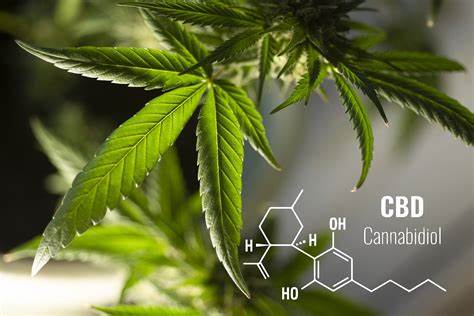
- THC is metabolized in the liver by cytochrome P450 enzymes (primarily CYP2C9 and CYP3A4) into 11-hydroxy-THC, a more potent psychoactive metabolite, and then into inactive forms like THC-COOH.
- Terpenes are also metabolized in the liver, contributing to the entourage effect and additional therapeutic benefits.
4. Excretion
Cannabinoid metabolites are excreted through urine and feces. THC metabolites can remain detectable in the body for days to weeks, depending on frequency of use and body fat percentage.
Mechanism of Action
The effects of Satellite OG are mediated by its interaction with the endocannabinoid system (ECS), which regulates physiological processes such as mood, pain, appetite, and inflammation. The ECS is made up of endogenous cannabinoids (endocannabinoids), cannabinoid receptors (CB1 and CB2), and enzymes that control their activity.
1. CB1 Receptor Activation
The central nervous system and brain contain the majority of CB1 receptors. When these receptors are bound by THC:
- Psychoactive Effects: THC binding modulates neurotransmitter release, leading to changes in mood, perception, and memory.
- Pain Modulation: CB1 activation reduces pain signaling in the brain and spinal cord.
- Appetite Stimulation: The “munchies” are linked to CB1 receptor activation in the hypothalamus, which regulates hunger.
2. CB2 Receptor Activation
The majority of CB2 receptors are located in immune cells and peripheral tissues. The interaction of THC and caryophyllene with CB2 receptors produces:
- Anti-Inflammatory Effects: CB2 activation reduces the release of pro-inflammatory cytokines, aiding in conditions like arthritis and inflammatory bowel disease.
- Immune Modulation: This interaction may support immune system homeostasis.
3. Neurotransmitter Modulation
- Serotonin: THC’s partial agonist activity at serotonin (5-HT) receptors may contribute to its anti-nausea and mood-enhancing effects.
- Dopamine: Increased dopamine release underlies the euphoric and rewarding sensations of Satellite OG.
- GABA and Glutamate: Satellite OG’s calming effects are partly due to the modulation of these neurotransmitters, which regulate neuronal excitability.
4. Terpene Contributions
The terpenes in Satellite OG modulate its effects via the entourage effect:
- Myrcene: Enhances THC’s sedative and pain-relieving properties.
- Limonene: Boosts serotonin activity, contributing to stress relief.
- Caryophyllene: Interacts with CB2 receptors to amplify anti-inflammatory effects.
Therapeutic Implications of the Mechanism of Action
The interplay between THC, other cannabinoids, and terpenes in Satellite OG highlights its potential for treating a wide array of conditions:
- Chronic Pain: By modulating CB1 and CB2 receptors, Satellite OG reduces pain perception and inflammation.
- Anxiety and Depression: Its impact on serotonin and dopamine pathways alleviates anxiety and promotes a positive mood.
- Appetite Stimulation: CB1 receptor activation in the hypothalamus triggers hunger, helping patients with appetite loss.
- Anti-Nausea: The combined action on serotonin and dopamine pathways suppresses nausea and vomiting.
Methods of Ingestion and Cultivation
Satellite OG, like other high-quality cannabis strains, provides users with a variety of consumption and cultivation methods. These methods play a significant role in maximizing its effects, preserving its terpene profile, and enhancing its medical and recreational benefits. Below is a detailed exploration of the science behind the methods of ingestion and cultivation for Satellite OG.
Methods of Ingestion
The method of ingesting Satellite OG significantly influences its pharmacokinetics—how the body absorbs, distributes, metabolizes, and excretes cannabinoids like THC and CBD. Common ingestion methods include smoking, vaporization, edibles, sublingual application, and concentrates. Each method offers unique benefits and impacts the experience.
1. Smoking
Smoking remains the most traditional and widely used method of cannabis consumption. The dried flower is burned, and the smoke is inhaled.
- Process: Combustion activates THC and other cannabinoids by decarboxylating THCA into its psychoactive form.
- Absorption: Cannabinoids are rapidly absorbed into the bloodstream through the lungs, delivering effects within minutes.
- Advantages: Immediate onset of effects; straightforward method.
- Drawbacks: Combustion can degrade terpenes, reducing flavor complexity. Smoke may irritate the respiratory system over time.
2. Vaporization
Vaporization heats Satellite OG flower or concentrates to temperatures that release cannabinoids and terpenes without combustion.
- Temperature Control: Vaporizing at 315-430°F (157-221°C) preserves terpenes like myrcene, limonene, and pinene while effectively activating THC and CBD.
- Advantages: Produces a smoother, cleaner inhale compared to smoking; preserves more of the terpene profile for a richer sensory experience.
- Drawbacks: Requires specialized equipment like vaporizers, which can be costly.
3. Edibles
Edibles provide an alternative to inhalation, allowing cannabinoids to be absorbed through the digestive system.
- Metabolism: THC is metabolized in the liver, where it is converted into 11-hydroxy-THC, a more potent and longer-lasting compound.
- Onset and Duration: Effects take 30-90 minutes to onset but last 6-8 hours or longer, offering sustained relief for medical patients.
- Advantages: Discreet, long-lasting, and avoids respiratory irritation.
- Drawbacks: Slower onset and potential for overconsumption due to delayed effects.
4. Sublingual Application
This method involves placing cannabis tinctures or oils under the tongue for rapid absorption.
- Mechanism: Cannabinoids are absorbed directly into the bloodstream through the sublingual glands, bypassing the digestive system.
- Advantages: Faster onset than edibles (within 15-30 minutes); precise dosing.
- Drawbacks: Limited availability of high-quality Satellite OG tinctures.
5. Concentrates
Satellite OG concentrates, such as wax, shatter, or rosin, are highly potent forms of the strain’s trichomes and cannabinoids.
- Methods of Use: Dabbing and vaporization are common ways to consume concentrates.
- Advantages: Offers the full intensity of the strain’s effects with high purity and terpene retention.
- Drawbacks: Requires experience to handle and consume responsibly due to its potency.
Scientific Considerations for Ingestion
- Bioavailability: Methods like smoking and vaporization have high bioavailability (up to 56%), while edibles are lower (4-20%) due to first-pass metabolism.
- Terpene Preservation: Vaporization is the best method for preserving terpenes, which contribute to Satellite OG’s entourage effect.
- Decarboxylation: Non-combustion methods require precise decarboxylation temperatures to activate cannabinoids without degrading them.
Potential Side Effects
Like many high-THC strains, Satellite OG may cause:
- Dry Mouth and Eyes: Common among cannabis users, these effects can be mitigated with hydration.
- Paranoia or Anxiety: High doses may exacerbate anxiety or paranoia, particularly in individuals sensitive to THC.
- Dizziness: Some users report lightheadedness, particularly when standing up quickly after consuming.
Scientific Mechanisms of Action
Endocannabinoid System Interaction
The primary psychoactive compound, THC, binds to CB1 receptors in the brain, leading to the release of dopamine and the modulation of neurotransmitters like serotonin. This interaction underpins Satellite OG’s mood-enhancing and analgesic effects.
Terpene Synergy
The “entourage effect” describes how cannabinoids and terpenes work together to enhance therapeutic outcomes. In Satellite OG:
- Myrcene amplifies THC’s sedative qualities.
- Limonene and pinene counteract potential lethargy, maintaining a balanced high.
Neuroprotective Properties
Emerging studies suggest that THC and other cannabinoids may have neuroprotective effects, potentially reducing inflammation in the brain and promoting cell repair. This aligns with anecdotal reports of Satellite OG helping with migraines and neurological pain.
Cultivation Science
Cultivating Satellite OG involves a blend of art and science, as growers must carefully manage environmental variables to produce high-quality yields. Below is a comprehensive guide to the scientific principles underlying Satellite OG cultivation.
Growth Characteristics
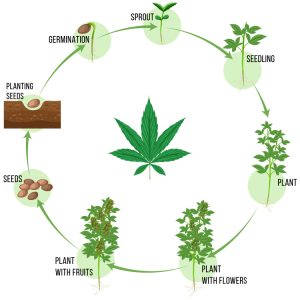
Satellite OG, being an indica-dominant hybrid, has growth traits typical of its genetic lineage:
- Plant Structure: Short to medium height with bushy foliage, making it suitable for indoor cultivation.
- Flowering Time: A relatively short flowering period of 7-9 weeks.
- Yield: Yields are moderate, with indoor setups producing around 10-12 ounces per square meter and outdoor plants yielding 12 ounces or more per plant.
Environmental Requirements
- Light
- Indoor Cultivation: Satellite OG requires 18-24 hours of light during the vegetative stage, transitioning to 12 hours during flowering.
- Spectrum: Full-spectrum LED lights are preferred for better energy efficiency and cannabinoid production.
- Temperature and Humidity
- Temperature: Maintain 70-80°F (21-26°C) during the vegetative phase and slightly cooler during flowering to enhance resin production.
- Humidity: Optimal relative humidity ranges from 40-60%, with lower humidity during flowering to prevent mold.
- Air Circulation
- Enough airflow is necessary to keep pests and mold at bay. Oscillating fans and exhaust systems help maintain air movement and CO₂ levels.
- Water and Nutrients
- pH: Satellite OG thrives in slightly acidic soil or hydroponic solutions with a pH of 6.0-6.5.
- Nutrients: During vegetative growth, the strain requires higher nitrogen levels, while phosphorus and potassium dominate during flowering.
- Irrigation: Consistent watering is critical, but overwatering should be avoided to prevent root rot.
Cultivation Techniques
- Topping and Pruning
- Topping encourages horizontal growth, allowing more light penetration to lower branches.
- Pruning excess foliage improves airflow and light distribution.
- Low-Stress Training (LST)
- LST techniques, such as bending and tying down branches, help maximize canopy exposure to light, enhancing yields.
- Sea of Green (SOG)
- This method involves growing many smaller plants close together, ideal for Satellite OG due to its compact structure.
Soil vs. Hydroponics
- Soil Cultivation: Offers a more forgiving environment for beginners, with natural buffering of nutrients and pH levels.
- Hydroponics: Promotes faster growth and higher yields but requires careful monitoring of nutrient solutions and pH levels.
Harvesting and Post-Harvest Science
- Harvest Timing
- Trichome inspection is the most reliable method for determining harvest readiness. Trichomes should transition from clear to cloudy or amber, indicating peak cannabinoid levels.
- Early harvests produce more uplifting effects, while later harvests enhance sedative properties.
- Drying and Curing
- Drying: Buds are hung in a controlled environment at 60°F (15.5°C) and 50-60% humidity for 7-10 days.
- Curing: Dried buds are stored in airtight containers, opened daily to release moisture and prevent mold. This process enhances terpene retention and smooths out the smoke.
- Storage
- Cannabis should be stored in a cool, dark place in airtight containers to preserve potency and terpenes. UV light and high temperatures degrade cannabinoids over time.
Training Techniques
Satellite OG benefits from low-stress training (LST) and topping to encourage even canopy growth and maximize light penetration.
Comparative Analysis with Similar Strains
Satellite OG shares similarities with other hybrid strains but remains distinct due to its flavor profile and balanced effects:
- Compared to OG Kush: Offers a smoother transition between cerebral and body effects.
- Compared to SFV OG: More physically relaxing while retaining uplifting cerebral effects.
Conclusion
Satellite OG stands out as a versatile cannabis strain, appealing to recreational users for its potent and enjoyable high and to medical patients for its therapeutic benefits. Its rich genetic lineage, complex cannabinoid-terpene interplay, and balanced effects underscore its popularity among cannabis enthusiasts.
Whether consumed for relaxation, creativity, or medical relief, Satellite OG exemplifies the nuanced potential of cannabis, particularly when used responsibly and in appropriate contexts. Future research into its mechanisms and applications may further validate its efficacy in medical cannabis treatment plans.
For a complete directory of cultivars, visit our Cannabis Strain Reviews.
