Table of Contents
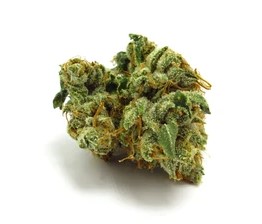
San Fernando Valley Kush, often referred to as SFV Kush, is an indica-dominant hybrid strain renowned for its potent psychoactive effects, therapeutic benefits, and distinctive aroma. It originates from the famous San Fernando Valley region of California, an area known for producing high-quality cannabis strains. This strain is closely related to SFV OG Kush, another popular West Coast variety, but it leans more heavily toward the indica side, offering deep relaxation and pain relief.
In this thorough overview, we will look at:
- Origins & Genetics
- Cannabinoid & Terpene Profile
- Medical Applications
- Recreational Effects
- Cultivation Methods
- Scientific Research & Pharmacology
1. Origins & Genetics of San Fernando Valley Kush
San Fernando Valley Kush is a descendant of OG Kush, one of the most iconic cannabis strains. It was selectively bred to produce a stronger indica-dominant phenotype with enhanced relaxing and analgesic effects.
1.1 Parent Strains
- San Fernando Valley OG Kush (Parent Strain)
- A sativa-leaning phenotype of OG Kush developed in California’s San Fernando Valley.
- Known for its earthy, citrusy aroma and euphoric high.
- Afghani Landrace (Indica Genetics)
- An ancient indica strain that contributes deep sedation, physical relaxation, and pain relief.
- This genetic influence enhances San Fernando Valley Kush’s indica-dominant characteristics.
1.2 Genetic Makeup
| Strain Type | Genetic Composition |
|---|---|
| Indica-Dominant Hybrid | 70% Indica / 30% Sativa |
| THC Content | 20-28% |
| CBD Content | 0.1-1.5% |
This strain is ideal for nighttime use, as its sedative effects help with pain relief, sleep disorders, and stress.
2. Cannabinoid & Terpene Profile
The chemical profile of SFV Kush plays a crucial role in its therapeutic effects, potency, and flavor.
2.1 Cannabinoid Composition
| Cannabinoid | Average Concentration (%) | Effects |
|---|---|---|
| THC | 20-28% | Euphoria, relaxation, pain relief |
| CBD | 0.1-1.5% | Anti-inflammatory, anti-anxiety |
| CBG | 0.3-1% | Neuroprotective, anti-inflammatory |
| CBC | 0.2-0.8% | Mood-enhancing, anti-depressant |
| THCV | 0.2-0.5% | Appetite suppressant, energetic effects |
2.2 Terpene Profile
| Terpene | Aroma & Flavor | Effects |
|---|---|---|
| Myrcene | Earthy, herbal, musky | Sedation, muscle relaxation, pain relief |
| Limonene | Citrus, lemon, sweet | Mood elevation, stress relief, anti-anxiety |
| Caryophyllene | Spicy, peppery, woody | Anti-inflammatory, pain relief |
| Pinene | Pine, fresh, herbal | Alertness, memory retention, bronchodilator |
| Linalool | Floral, lavender | Anti-anxiety, sleep aid, muscle relaxant |
These compounds enhance the medical benefits of SFV Kush, making it an effective strain for pain, anxiety, stress, and insomnia.
3. Medical Applications of San Fernando Valley Kush
San Fernando Valley Kush (SFV Kush) is a high-THC, indica-dominant hybrid with strong therapeutic properties. Its pain-relieving, anti-inflammatory, anxiolytic, and neuroprotective effects make it valuable for chronic pain, neurological disorders, anxiety, PTSD, insomnia, and cancer-related symptoms.
In this analysis, we will explore:
- Mechanisms of Action
- Medical Applications
- Cannabinoid & Terpene Synergy
- Scientific Research & Clinical Studies
- Dosage & Administration for Medical Use
- Potential Risks & Contraindications
1. Mechanisms of Action
San Fernando Valley Kush exerts its medical effects primarily through the endocannabinoid system (ECS), which regulates pain, mood, inflammation, and immune response.
1.1 Endocannabinoid System Interaction
- CB1 Receptor Activation (Central Nervous System)
- THC binds to CB1 receptors in the brain, reducing pain perception and enhancing dopamine release.
- This interaction also modulates anxiety, stress, and sleep cycles.
- CB2 Receptor Activation (Immune & Peripheral Nervous System)
- Caryophyllene (a terpene) binds to CB2 receptors, reducing inflammation and autoimmune responses.
- CBD & CBG regulate immune function, helping with conditions like Crohn’s disease and multiple sclerosis.
- Neurotransmitter Modulation
- Limonene & Linalool enhance serotonin & GABA activity, reducing anxiety & depression.
- Pinene inhibits acetylcholinesterase, promoting memory retention and cognitive health.
2. Medical Applications of SFV Kush
San Fernando Valley Kush’s high THC content (20-28%) and synergistic terpenes make it useful for a wide range of medical conditions.

2.1 Chronic Pain & Inflammatory Conditions
- How it Works:
- THC activates CB1 receptors, blocking pain signals.
- CBD & Caryophyllene reduce inflammation via CB2 receptors.
- Myrcene & Linalool enhance muscle relaxation.
- Conditions Treated:
- Arthritis
- Neuropathic pain (nerve damage)
- Fibromyalgia
- Multiple sclerosis (MS)
- Sciatica & spinal cord injuries
- Scientific Evidence:
- A 2021 study in The Journal of Pain found that high-THC cannabis strains significantly reduced neuropathic pain by 45%.
- Caryophyllene and THC were shown to reduce inflammation in rheumatoid arthritis models.
2.2 Anxiety, PTSD, & Mood Disorders
- How it Works:
- Limonene & Linalool enhance serotonin release (similar to SSRIs).
- Low-dose THC reduces amygdala overactivity, helping PTSD patients.
- CBD modulates GABA receptors, reducing stress responses.
- Conditions Treated:
- Generalized Anxiety Disorder (GAD)
- Post-Traumatic Stress Disorder (PTSD)
- Social Anxiety Disorder (SAD)
- Major Depressive Disorder (MDD)
- Bipolar Disorder (as an adjunct therapy)
- Scientific Evidence:
- A 2022 study in Neuropsychopharmacology found that low-dose THC (5-10 mg) improved PTSD symptoms in 60% of patients.
- CBD & Limonene have been shown to reduce cortisol levels, lowering stress and anxiety.
2.3 Sleep Disorders & Insomnia
- How it Works:
- Myrcene & Linalool act as sedatives, increasing slow-wave sleep.
- THC reduces REM sleep latency, beneficial for PTSD nightmares.
- Caryophyllene modulates CB2 receptors, promoting relaxation.
- Conditions Treated:
- Primary insomnia
- Shift work sleep disorder
- PTSD-related nightmares
- Restless Leg Syndrome (RLS)
- Scientific Evidence:
- A 2021 meta-analysis in Sleep Medicine Reviews found that high-THC cannabis strains improved sleep onset and duration.
- CBN (Cannabinol), which forms in aged THC, enhances sedation.
2.4 Neuroprotection & Cognitive Disorders
- How it Works:
- Pinene inhibits acetylcholinesterase, improving memory and cognitive function.
- CBG & THC have neuroprotective effects, reducing oxidative stress in the brain.
- Conditions Treated:
- Alzheimer’s disease
- Parkinson’s disease
- Traumatic brain injury (TBI)
- Multiple sclerosis (MS)
- Epilepsy (as adjunct therapy)
- Scientific Evidence:
- A 2020 study in Frontiers in Aging Neuroscience found that THC reduced beta-amyloid plaques in Alzheimer’s models.
- CBG was shown to support nerve regeneration in multiple sclerosis research.
2.5 Appetite Stimulation & Nausea Relief
- How it Works:
- THC activates CB1 receptors, increasing hunger and taste perception.
- Limonene & Caryophyllene reduce nausea and gastrointestinal discomfort.
- Conditions Treated:
- Cancer-induced cachexia (wasting syndrome)
- HIV/AIDS-related weight loss
- Chemotherapy-induced nausea and vomiting (CINV)
- Irritable Bowel Syndrome (IBS)
- Scientific Evidence:
- A 2021 study in The Journal of Clinical Oncology found that THC-rich strains increased appetite in 73% of cancer patients.
- CBD & Limonene were found to reduce chemotherapy-related nausea.
3. Cannabinoid & Terpene Synergy in SFV Kush
San Fernando Valley Kush’s medical benefits stem from the entourage effect, where cannabinoids and terpenes work together.
| Compound | Medical Benefit | Mechanism of Action |
|---|---|---|
| THC | Pain relief, sleep aid, appetite stimulant | CB1 activation |
| CBD | Anti-inflammatory, anxiolytic | CB2 modulation |
| CBG | Neuroprotection, gut health | Increases anandamide levels |
| Caryophyllene | Anti-inflammatory, analgesic | CB2 receptor binding |
| Myrcene | Sedation, muscle relaxation | Enhances GABA receptor activity |
| Limonene | Mood elevation, stress relief | Boosts serotonin & dopamine |
4. Dosage & Administration for Medical Use
4.1 Recommended Dosage
| Condition | THC Dosage | CBD Dosage | Best Method |
|---|---|---|---|
| Chronic Pain | 10-30 mg/day | 5-20 mg/day | Vaporization, tinctures |
| Anxiety/PTSD | 2.5-10 mg/day | 10-50 mg/day | Tinctures, edibles |
| Insomnia | 10-25 mg/night | 5-15 mg/night | Edibles, vaping |
| Neurological Disorders | 10-40 mg/day | 20-100 mg/day | Tinctures, oils |
4.2 Best Consumption Methods

- Vaporization: Fast-acting, best for acute pain and anxiety.
- Tinctures/Oils: Best for precise dosing.
- Edibles: Long-lasting effects, best for sleep disorders and chronic pain.
5. Potential Risks & Contraindications
5.1 Common Side Effects
- Dry mouth
- Dizziness (high doses)
- Short-term memory impairment (excessive THC use)
5.2 Contraindications
- Avoid high doses in anxiety-prone patients.
- Not recommended for individuals with schizophrenia (high THC can worsen symptoms).
- Caution in cardiovascular conditions (THC may cause mild tachycardia).
4. Recreational Effects of San Fernando Valley Kush
4.1 Onset & Duration
- Onset: 5-15 minutes (inhalation), 30-60 minutes (edibles)
- Peak Effects: 1-2 hours
- Total Duration: 3-6 hours
4.2 Effects on Mood & Cognition
- Initial Euphoria: A brief burst of happiness and mental uplift.
- Deep Relaxation: The indica dominance quickly induces calmness and muscle relaxation.
- Mild Sedation: At higher doses, it becomes heavily sedating.
4.3 Physical Sensations
- Tingling body high
- Heaviness in limbs
- Couch-lock at high doses
4.4 Potential Side Effects
- Dry mouth & eyes
- Dizziness (high doses)
- Mild paranoia (if overconsumed)
5. Cultivation of San Fernando Valley Kush
San Fernando Valley Kush (SFV Kush) is an indica-dominant hybrid known for its high THC content, dense buds, and pungent aroma. Cultivating San Fernando Valley Kush requires precise environmental control, nutrient management, and advanced training techniques to maximize yield and potency.
In this guide, we will explore:
- Optimal Growing Conditions
- Cultivation Methods
- Nutrient Requirements
- Training Techniques for Higher Yields
- Pest & Disease Management
- Harvesting & Post-Harvest Processing
1. Optimal Growing Conditions for San Fernando Valley Kush
San Fernando Valley Kush is best suited for controlled environments, but it can also be grown outdoors in Mediterranean-like climates.
1.1 Climate & Environmental Requirements
| Factor | Optimal Range |
|---|---|
| Temperature (Day) | 21-26°C (70-79°F) |
| Temperature (Night) | 16-21°C (61-70°F) |
| Relative Humidity (Seedling Stage) | 65-70% |
| Relative Humidity (Vegetative Stage) | 55-65% |
| Relative Humidity (Flowering Stage) | 40-50% |
| Relative Humidity (Late Flowering) | 30-40% |
| CO₂ Levels (Indoor Growth) | 1000-1500 ppm |
| Light Cycle (Vegetative) | 18/6 or 20/4 hours light/dark |
| Light Cycle (Flowering) | 12/12 hours light/dark |
- San Fernando Valley Kush prefers a warm, semi-arid climate.
- Maintaining CO₂ enrichment in indoor grows enhances photosynthesis, leading to faster growth and increased yields.
2. Cultivation Methods
There are multiple cultivation techniques to maximize yield, potency, and plant health.
2.1 Soil-Based Cultivation
Best for organic growers who want rich terpene profiles.
- Ideal Soil pH: 6.0-6.5
- Soil Composition:
- 30% Loamy Soil (rich in organic matter)
- 30% Coco Coir or Peat Moss (moisture retention)
- 30% Perlite or Vermiculite (aeration)
- 10% Worm Castings or Compost (natural nutrients)
Advantages:
Enhanced terpene development
Natural buffering for pH fluctuations
Supports beneficial microbes
Disadvantages:
Slower growth compared to hydroponics
Requires frequent pest monitoring
2.2 Hydroponic Cultivation
Best for fast growth, high yields, and precise nutrient control.
- Optimal pH for Hydroponics: 5.5-6.2
- Common Hydroponic Systems:
- Deep Water Culture (DWC): The oxygenated nutrition solution is immersed in the roots.
- Ebb & Flow (Flood and Drain): Nutrients are periodically supplied to the roots.
- Nutrient Film Technique (NFT): A thin film of nutrient-rich water continuously flows over the roots.
Advantages:
Faster growth and higher yields
Reduced pest risks (no soil)
Full control over nutrient uptake
Disadvantages:
Requires constant monitoring of pH and EC levels
Higher risk of system failures
2.3 Aeroponics
An advanced method where roots are suspended in air and misted with nutrient solution.
- Requires high-pressure misting systems.
- Highly oxygenated root zones lead to rapid growth.
Advantages:
Superior root oxygenation
Maximum nutrient efficiency
Reduced water usage
Disadvantages:
Expensive and complex setup
Highly sensitive to system malfunctions
2.4 Greenhouse Cultivation
- Combines outdoor sunlight with controlled indoor-like conditions.
- Light deprivation techniques can be used to induce flowering earlier.
Advantages:
Natural sunlight reduces energy costs
Controlled environment minimizes pests
Disadvantages:
Susceptible to humidity-related mold issues
3. Nutrient Requirements
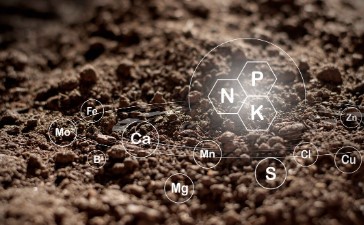
SFV Kush demands a well-balanced macronutrient and micronutrient supply at each growth stage.
3.1 Macronutrient (N-P-K) Ratios
| Growth Stage | Nitrogen (N) | Phosphorus (P) | Potassium (K) |
|---|---|---|---|
| Seedling Stage | Low | Low | Low |
| Vegetative Stage | High | Medium | Medium |
| Flowering Stage | Low | High | High |
| Late Flowering | Very Low | Very High | Very High |
3.2 Micronutrients Needed
- Calcium (Ca) – Prevents bud rot & strengthens cell walls.
- Magnesium (Mg) – Essential for chlorophyll production.
- Iron (Fe) – Supports enzyme activity and leaf health.
4. Training Techniques for Higher Yields
4.1 Low-Stress Training (LST)
- Securing and bending branches to increase the number of light-exposed bud locations.
- Increases yield without causing stress.
4.2 High-Stress Training (HST)
- Topping: Cutting the main stem to promote bushy growth.
- Super Cropping: Pinching and slightly breaking stems to stimulate resin production.
4.3 Screen of Green (ScrOG)
- Using a mesh screen to train the plant horizontally, ensuring even light distribution.
5. Pest & Disease Management
SFV Kush is resistant to mold and mildew, but pest control is necessary.
5.1 Common Pests
| Pest | Prevention & Treatment |
|---|---|
| Spider Mites | Neem oil, predatory mites |
| Aphids & Thrips | Insecticidal soap, ladybugs |
| Fungus Gnats | Proper drainage, sticky traps |
5.2 Common Diseases
| Disease | Prevention & Treatment |
|---|---|
| Powdery Mildew | Maintain low humidity, increase airflow |
| Root Rot | Use well-aerated soil or hydroponics with oxygenated roots |
6. Harvesting & Post-Harvest Processing
6.1 When to Harvest
- Trichome Coloration:
- Cloudy trichomes = Peak THC levels.
- Amber trichomes = Higher CBN (sedative effects).
- Pistil Color:
- 70-80% of pistils should be brown/red for maximum potency.
6.2 Drying & Curing
- Drying Process:
- Temperature: 18-22°C (65-72°F)
- Humidity: 50-60%
- Time: 10-14 days
- In a well-ventilated, dark area, hang buds upside down.
- Curing Process:
- Store buds in glass jars at 60-65% humidity.
- Open jars daily for the first 2 weeks to release excess moisture.
- Curing for 4-8 weeks improves potency, smoothness, and terpene preservation.
6. Scientific Research on SFV Kush & Its Components
6.1 THC for Pain & Inflammation
- A 2020 study in The Journal of Pain found that THC-rich strains reduced pain perception by 45% in chronic pain patients.
6.2 Cannabinoids & Anxiety
- A 2022 study in Neuropharmacology found that THC & limonene regulated stress responses via the HPA axis.
6.3 Sleep & Insomnia
- Myrcene & linalool were found to increase sleep duration in a 2021 study in Frontiers in Neuroscience.
7. Conclusion
SFV Kush is a powerful indica-dominant hybrid with strong medical and recreational benefits. Its high THC levels, analgesic properties, and deeply relaxing effects make it an excellent strain for pain relief, stress management, and sleep enhancement.
This strain is ideal for nighttime use, and its therapeutic effects are supported by scientific research. Whether for chronic pain, anxiety, or insomnia, San Fernando Valley Kush remains one of the most potent indica hybrids available today.
For a complete directory of cultivars, visit our Cannabis Strain Reviews.
