Table of Contents
SAGE stands for Sativa Afghani Genetic Equilibrium, which reflects the strain’s hybrid nature—achieved through a genetic cross between a Haze-based Sativa and a robust Afghani Indica. This equilibrium was developed by TH Seeds in Amsterdam in the late 1990s. SAGE gained recognition and awards for its unique balance between cerebral stimulation and physical relaxation.
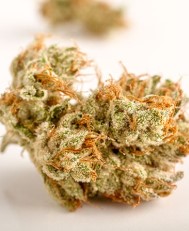
- Type: Hybrid (Predominantly Sativa-dominant)
- Genetics: Haze (Sativa) × Afghani (Indica)
- Typical Ratio: ~70% Sativa / 30% Indica
- THC Content: 18% to 25%
- CBD Content: <1% (variable in rare phenotypes)
Phytochemical Composition

Cannabinoid Profile
- Δ9-Tetrahydrocannabinol (THC): Primary psychoactive component; levels commonly range between 18–25%. Responsible for euphoric and creative effects.
- Cannabidiol (CBD): Present in trace amounts (<1%), not a dominant cannabinoid in this strain.
- Cannabinol (CBN) and Cannabigerol (CBG): Minor constituents, often observed in aged or specially cultivated plants.
Terpene Profile
SAGE has a highly aromatic terpene profile, contributing both to its flavor and therapeutic value:
- Myrcene: SAGE offers sedative, anti-inflammatory effects; contributes to musky, earthy aroma.
- Pinene: Promotes alertness, acts as a bronchodilator; piney aroma.
- Limonene: Uplifting and anti-anxiety; citrusy scent.
- Caryophyllene: Binds to CB2 receptors; anti-inflammatory and pain-relieving.
- Terpinolene: Adds a floral, herbal complexity and contributes to uplifting mood effects.
Mechanisms of Action
THC Mechanism
- Binds to CB1 receptors in the central nervous system, modulating dopamine release and altering sensory perception, memory, and motor control.
- Triggers euphoric, energetic, and introspective states, particularly enhanced by Sativa-leaning terpenes like limonene and pinene.
Synergistic Entourage Effect
- Myrcene in SAGE increases the permeability of the blood-brain barrier, enhancing the effects of THC.
- Caryophyllene’s interaction with CB2 receptors contributes to immunomodulation without inducing psychoactivity.
- The entourage effect is particularly balanced in SAGE due to its hybrid nature, promoting both mental and physical effects.
Medical Applications
Cannabinoid & Terpene Pharmacology
Major Cannabinoids in SAGE
- Δ9-Tetrahydrocannabinol (THC): 18–25%
- Partial agonist at CB1 receptors (central nervous system) and CB2 receptors (immune system)
- Modulates neurotransmitter release (dopamine, GABA, glutamate)
- Cannabidiol (CBD): <1%
- Non-intoxicating; modulates THC psychoactivity, though present only in trace amounts in SAGE
- Cannabigerol (CBG) and Cannabinol (CBN): May be present in small amounts depending on harvest timing and plant age
Major Terpenes
- Myrcene: Sedative, analgesic; enhances THC absorption through BBB permeability
- Limonene: Anti-anxiety, antidepressant; modulates serotonin and dopamine pathways
- Pinene: Neuroprotective; counteracts THC-related memory issues; bronchodilator
- Caryophyllene: Binds to CB2 receptors; anti-inflammatory, analgesic
- Terpinolene: Mild sedative; contributes to oxidative stress reduction and mood elevation
Neurological and Psychiatric Applications
Anxiety Disorders
- Mechanism: THC in small-to-moderate doses acts on CB1 receptors in the amygdala and prefrontal cortex, modulating anxiety pathways.
- Terpenes involved:
- Limonene: Enhances mood and reduces cortisol
- Caryophyllene: Modulates anxiety through CB2 and potential TRPV1 pathways
- Evidence:
- Animal studies and limited human trials show THC can reduce anxiety at lower doses (Journal of Psychopharmacology, 2017).
- High limonene strains like SAGE correlate with anti-anxiety effects in observational studies.
High doses may provoke paradoxical anxiety or paranoia, especially in THC-sensitive individuals.
Depression and Mood Disorders
- Mechanism: THC promotes dopamine release in the mesolimbic pathway, enhancing mood and motivation.
- Limonene & Terpinolene: Terpenes shown to elevate serotonin and noradrenaline in animal models
- Clinical Utility:
- Effective for situational or mild-to-moderate depression
- Not recommended as monotherapy for major depressive disorder
Note: The uplifting “Haze-like” high is ideal for morning or midday use in mood disorder patients.
ADHD/ADD
- Potential benefits: Increased focus, attention span, and cognitive flexibility due to mild stimulant-like effects
- Mechanism: THC modulates dopamine reuptake in the prefrontal cortex, improving working memory and task engagement
- User data: Anecdotal reports show improved task persistence and flow state
Analgesia and Pain Modulation
Neuropathic Pain
- Mechanism:
- THC reduces nociceptive signaling via CB1 agonism
- Caryophyllene reduces inflammatory cytokines through CB2 pathways
- Targets: Sciatic pain, fibromyalgia, multiple sclerosis-related neuralgia
- Relevant studies:
- CB1 receptor activation shown to modulate dorsal root ganglion excitability (Pain, 2003)
- Terpenes enhance cannabinoid receptor affinity in vivo
Inflammatory Pain
- THC and caryophyllene both show synergistic action in dampening inflammation:
- Inhibits TNF-α, IL-1β, and COX-2
- Comparable to NSAIDs without gastrointestinal side effects
- Common uses:
- Arthritis, Crohn’s disease, chronic joint pain
Appetite Stimulation and Gastrointestinal Disorders
Cachexia and Anorexia
- Mechanism: THC binds to CB1 receptors in the hypothalamus, stimulating ghrelin secretion and appetite
- SAGE is effective for:
- Chemotherapy-induced appetite loss
- HIV/AIDS-related cachexia
- Documented in studies (e.g., Abrams et al., 2007) showing cannabinoid efficacy for appetite induction in cancer patients
IBS and Gut Inflammation
- CB1 & CB2 receptor modulation in the GI tract reduces motility, secretion, and pain
- SAGE’s terpene caryophyllene enhances intestinal barrier integrity
- Could be useful in IBD, colitis, and IBS, especially when combined with anti-inflammatory diet
Fatigue and Lethargy
Chronic Fatigue Syndrome (CFS)
- Sativa-dominant traits provide energy without overstimulation
- Limonene and terpinolene promote mitochondrial resilience and mental clarity
- Increases engagement in physical and cognitive tasks in users with CFS
Headache and Migraine Management
- SAGE modulates serotonin receptors (5-HT1A) and inhibits release of CGRP, a neuropeptide implicated in migraines
- THC and pinene reduce vascular inflammation and pain perception
- Effective in:
- Tension-type headaches
- Cluster headaches
- Hormonal migraines
Recommended delivery: Vaporization or tincture for rapid onset
Sleep Disorders (Mild Indication)
- While not typically sedative, SAGE can help patients with sleep latency issues rather than full-blown insomnia
- Myrcene, though present in lower concentrations than Indicas, may provide mild sedation in higher doses
- Helps:
- Reduce rumination before sleep
- Promote relaxation following anxiety-driven wakefulness
Neuroprotection and Oxidative Stress
Potential Future Application Areas
- Neurodegenerative diseases: THC and caryophyllene have shown promise in reducing oxidative stress and neuroinflammation in models of:
- Alzheimer’s disease
- Parkinson’s disease
- Multiple sclerosis
- Pinene and limonene possess antioxidant properties, which may reduce the progression of neurodegeneration
Immunomodulatory Effects
- Caryophyllene selectively binds to CB2 receptors on immune cells
- May reduce overactive immune responses in autoimmune conditions like:
- Lupus
- Rheumatoid arthritis
- Psoriasis
Safety and Dosing Considerations
Medical Dosing Strategy
- Inhalation (vape/combustion): Fast onset, short duration; useful for breakthrough symptoms
- Tincture or oil extract: Slow onset, longer duration; ideal for chronic symptoms
- Microdosing (1–2.5 mg THC): Often beneficial for patients prone to anxiety
Adverse Events
- Short-term: Dry mouth, elevated heart rate, mild cognitive disturbance
- Rare but possible: THC-induced anxiety or paranoia, especially in high doses
- Not advised for:
- Pregnant/nursing individuals
- People with schizophrenia or bipolar disorder unless supervised
- Pediatric use (unless under medical guidance)
Summary Table: Medical Applications of SAGE
| Condition | Mechanism | Key Compounds | Efficacy Rating |
|---|---|---|---|
| Anxiety (low dose) | CB1/CB2 modulation | THC, limonene, caryophyllene | Moderate–High |
| Depression | Dopamine/serotonin upregulation | THC, terpinolene | High |
| Neuropathic Pain | CB1 agonism, cytokine suppression | THC, caryophyllene | High |
| Appetite Loss | CB1 activation in hypothalamus | THC | High |
| Fatigue | Dopaminergic activation | THC, limonene | High |
| IBS/IBD | CB2-mediated gut modulation | Caryophyllene, THC | Moderate–High |
| Migraine | CGRP and serotonin inhibition | THC, pinene | High |
| Sleep Latency | Sedation at high dose | Myrcene | Moderate |
| Autoimmune Conditions | Immune modulation via CB2 | Caryophyllene | Moderate |
| Neurodegeneration (theoretical) | Antioxidant, neuroprotective | Pinene, THC, caryophyllene | Emerging Research |
Recreational Uses and User Experience
Psychoactive Effects
- Onset: Fast-acting, typically felt within minutes of inhalation or 30–60 minutes with edibles.
- Peak: Euphoric and cerebral, marked by enhanced creativity, sociability, and introspection.
- Duration: Effects can last 2–4 hours, with a gradual transition into physical relaxation.
Common Descriptors by Users
- “Creative clarity”
- “Energizing but centered”
- “Strong Haze high without paranoia”
- “Physically grounding”
Ideal Settings
- Daytime or early evening: Provides energy without overstimulation.
- Social settings: Increases talkativeness and enjoyment of music or visual art.
- Creative endeavors: Great for writing, brainstorming, or digital arts.
Side Effects and Risk Considerations
Common Side Effects
- Dry mouth and eyes
- Mild paranoia (at higher doses)
- Increased heart rate
- Short-term memory disruption
Risk Populations
- Individuals with anxiety disorders or bipolar disorder should approach with caution, as high-THC strains may exacerbate symptoms in some cases.
- THC-sensitive users may prefer microdosing or selecting a phenotype with lower cannabinoid content.
Cultivation Characteristics
Genetic Stability and Phenotype Expression
SAGE (Sativa Afghani Genetic Equilibrium) was bred by TH Seeds to stabilize two divergent genetic lines: a long-flowering Haze (Sativa) and a short, broad-leafed Afghani (Indica). The result is a genetically balanced hybrid that expresses Sativa-dominant traits with some Indica-influenced resilience.
Phenotypic Traits
- Growth structure: Tall and lanky, with significant internodal spacing (Sativa trait).
- Leaf morphology: Long, slender leaflets with moderate width—indicative of polyhybrid heritage.
- Bud morphology: Conical, resin-heavy flowers with moderate density—denser than most Sativas due to Afghani input.
- Chemotype uniformity: Displays good consistency in THC content across phenotypes (~20%), but terpene profiles can vary (some leaning more citrus/pine, others earthier/musky).
Growth Environment Optimization

Indoor Cultivation
- Lighting: Requires high PAR intensity, especially in the flowering phase. Full-spectrum LEDs or HPS lights recommended.
- Veg: 18/6 cycle, 600–1000 µmol/m²/s
- Flower: 12/12 cycle, 800–1200 µmol/m²/s
- Temperature:
- Veg: 22–26°C (71–79°F)
- Flower: 20–24°C (68–75°F)
- Humidity:
- Veg: 55–65%
- Flower: 40–50% (reduce to 35–40% in final 2 weeks to prevent mold)
- Airflow: Strong lateral and canopy ventilation recommended; SAGE develops thick colas that need airflow to prevent botrytis (bud rot).
Outdoor Cultivation
- Best suited for Mediterranean or arid climates with long, stable growing seasons.
- Harvest: Late October (Northern Hemisphere)
- Risk: In humid coastal regions, the dense floral sites can be prone to powdery mildew and bud mold unless pruned properly.
Nutritional Demands
SAGE has a moderate to high metabolic rate, especially in flowering. Understanding its nutrient uptake kinetics is crucial.
Macronutrients
- Nitrogen (N): High demand during vegetative growth to support leaf and stem development.
- Phosphorus (P): Elevated need starting in week 2 of flowering to drive trichome formation and bud density.
- Potassium (K): Essential for water regulation and flower hardening — increased during mid-to-late flowering phase.
Micronutrients
- Calcium & Magnesium: Deficiencies often occur under high-intensity lighting; supplement with Cal-Mag in coco or RO-water systems.
- Iron, Zinc, and Manganese: Important for enzymatic functions and chlorophyll stability — especially under LED lighting.
pH Range
- Soil: 6.2–6.8
- Hydroponics/Coco: 5.8–6.2
Feeding Regimen
- Vegetative: NPK ratio ~3-1-2
- Flowering (early to mid): NPK ratio ~1-2-2
- Late flowering (ripening): NPK ratio ~0-2-3, flushing last 7–10 days
Substrate and Container Recommendations
Soil
- Organic soil blends (with mycorrhizae, bat guano, composted worm castings) support terpene development and root microbiome health.
- Loamy, well-aerated substrates preferred; consider mixing in perlite or pumice for drainage.
Coco Coir
- High-performance medium when combined with a consistent fertigation schedule.
- Requires daily feeding with nutrients due to inert nature.
Hydroponics
- Advanced method (DWC, NFT, or aeroponics) enables rapid growth and yield optimization but demands rigorous pH and EC control.
- Promotes faster flowering, but terpene expression may slightly reduce compared to soil.
Training Techniques
SAGE benefits greatly from structural training due to its height and internodal gaps.
Low Stress Training (LST)
- Begin in week 2–3 of veg.
- Increases horizontal light exposure and canopy uniformity.
Topping & FIMing
- Ideal for producing multiple colas.
- Can be performed multiple times before switching to flowering to prevent vertical stretching.
Screen of Green (ScrOG)
- Particularly effective in indoor setups due to its Sativa structure.
- Maximizes light penetration and uniform bud development.
Defoliation
- Strategic defoliation in weeks 2 and 6 of flowering helps reduce humidity and improve airflow in dense growth environments.
Flowering Phase Specifics
Duration
- 10–11 weeks from flip to harvest.
- Stretch phase (first 2–3 weeks of 12/12): Can double or triple in height.
Bud Maturation Indicators
- Pistil coloration: 70–90% amber/brown
- Trichome development: Cloudy with ~10–20% amber for a balanced cerebral/body effect
- Aroma peak: Occurs in week 8–9; time harvest to capture terpene peak unless aiming for heavier sedation (late amber trichomes)
Pest and Pathogen Management
Common Threats
- Spider mites: Can infest lower canopy; prevent with neem oil or predatory mites in veg.
- Powdery mildew: Risk increases in flowering, especially in low-airflow zones.
- Botrytis (bud rot): Monitor dense colas closely; defoliate and maintain RH under 45%.
Preventive Measures
- Biologicals: Bacillus subtilis and Trichoderma spp. can be used as foliar sprays or soil drenches.
- Neem oil: Effective in vegetative phase (avoid use during flowering due to taste and residue).
- Silica supplements: Strengthen cell walls, making plants more resilient to fungal invasion and drought stress.
Post-Harvest and Curing Science
Proper post-harvest handling enhances SAGE’s terpene and cannabinoid expression.
Drying Conditions
- Temp: 18–22°C (64–72°F)
- RH: 50–60%
- Duration: 7–10 days in darkness
- Avoid rapid drying to preserve monoterpenes like limonene and pinene.
Curing
- Place in airtight glass jars; open daily for 10–15 minutes for the first 2 weeks.
- Full cure: 3–8 weeks depending on bud density.
- Terpene enhancement noted especially after week 4 due to continued enzymatic breakdown of residual chlorophyll and sugars.
Yield Optimization Techniques
CO₂ Enrichment
- Can boost yields by up to 20% in a sealed indoor system.
- Maintain levels around 1200–1500 ppm during lights-on period in flowering.
Light Stress Timing
- Some cultivators induce 24–48 hours of darkness at the end of flowering to promote trichome density and terpene release.
Foliar Feeding
- Optional in veg with micronutrient blends or seaweed extract; avoid in flower to prevent mold.
Expected Yields and Quality Metrics
| Growing Method | Yield Potential | THC % | Terpene Intensity |
|---|---|---|---|
| Indoor (soil) | 350–500 g/m² | 18–22% | Very high |
| Indoor (hydro) | 450–600 g/m² | 20–25% | High |
| Outdoor (ideal climate) | 600–750 g/plant | 18–22% | Very high |
| Controlled greenhouse | 700–900 g/plant | 19–23% | Consistent |
Awards and Recognition
- High Times Cannabis Cup 2001: Recognized for Best Sativa
- Multiple European Competitions: Known for stable phenotypes and strong terpene profile
- Often cited in breeder circles as a “thinking man’s Sativa” due to its potent and clear-headed high.
Comparative Analysis
| Feature | SAGE | Jack Herer | Super Silver Haze | Afghan Kush |
|---|---|---|---|---|
| THC % | 18–25 | 18–22 | 19–23 | 15–20 |
| CBD % | <1 | ~0.1 | <1 | ~0.5 |
| Effects | Uplifted, focused, euphoric | Creative, blissful | Energetic, cerebral | Sedative, calming |
| Genetics | Haze × Afghani | Haze × Northern Lights × Skunk | Haze × Skunk × NL | Pure Indica |
| Best Use | Daytime, focus, mild pain | Daytime, creativity | Morning energy boost | Nighttime, pain relief |
Scientific Studies and Future Applications
While there are no peer-reviewed studies specific to the SAGE strain, the following research supports the use of its key constituents:
- THC: Proven to reduce pain, increase appetite, and induce euphoria (National Academies of Sciences, 2017).
- Limonene: Shown in animal models to exhibit anti-depressant and anxiolytic effects (J Ethnopharmacol. 2012).
- Caryophyllene: Interacts directly with CB2 receptors to reduce inflammation (Acta Pharmacologica Sinica, 2008).
- Pinene: May counteract THC-induced short-term memory issues and improve airflow to lungs (Fitoterapia, 2011).
Emerging areas of interest include:
- Terpene-driven strain personalization: Future formulations might isolate SAGE’s unique limonene/pinene profile for tailor-made therapeutic extracts.
- Epigenetic studies: Exploring how chronic SAGE use impacts gene expression linked to mood regulation and pain pathways.
Conclusion
SAGE is a rare example of precision in cannabis breeding, achieving a remarkable balance between a soaring Sativa high and the grounding influence of an Indica. It delivers a highly cerebral experience ideal for managing depression, fatigue, and certain types of chronic pain, while also supporting focus and creativity. Recreational users value it for its euphoric clarity, while medical patients benefit from its anxiolytic and anti-inflammatory properties.
Its rich terpene composition, high THC levels, and adaptability in cultivation make SAGE a strain with enduring appeal in both dispensaries and cultivation circles. Future medical research may further validate the synergistic actions of its cannabinoids and terpenes, particularly for mood disorders and neuroinflammation.
For a complete directory of cultivars, visit our Cannabis Strain Reviews.
