Table of Contents
Russian Assassin OG, a hybrid cannabis strain, combines a robust cannabinoid profile with a unique blend of terpenes to produce both recreational and medicinal effects. Here’s a detailed breakdown of its scientific characteristics, pharmacology, and mechanisms of action:
Cannabinoid Profile
- THC (Tetrahydrocannabinol):
- Concentration: ~20–23%.
- Psychoactive Effects: THC interacts with CB1 receptors in the brain, modulating neurotransmitter release, particularly dopamine. This produces euphoria, altered perception, and relaxation.
- Therapeutic Potential: Analgesic, antiemetic, and appetite-stimulating properties are attributed to THC.
- CBG (Cannabigerol):
- Concentration: ~1%.
- Pharmacological Effects: CBG acts as a partial agonist at CB1 and CB2 receptors. It demonstrates anti-inflammatory and neuroprotective activities.
- Therapeutic Implications: Known for reducing intraocular pressure (useful in glaucoma) and combating inflammation.
- CBD (Cannabidiol):
- Concentration: Minimal to trace levels.
- Effects: Though Russian Assassin OG is low in CBD, its minimal presence might contribute subtle anti-anxiety and anti-inflammatory properties, complementing THC.
Terpene Profile
- Myrcene:
- Concentration: High.
- Effects: Known for sedative and muscle-relaxant effects, myrcene synergizes with THC to amplify its calming properties (the “entourage effect”).
- Flavor: Earthy and herbal tones.
- Limonene:
- Concentration: Moderate.
- Effects: Promotes an uplifting mood by interacting with serotonin and dopamine pathways. It also has potential anxiolytic and anti-inflammatory benefits.
- Flavor: Citrus undertones.
- Beta-Caryophyllene:
- Concentration: Moderate.
- Effects: A unique terpene that acts as a selective CB2 receptor agonist, offering anti-inflammatory and analgesic properties without psychoactive effects.
- Flavor: Spicy and woody.
- Pinene:
- Concentration: Trace.
- Effects: Enhances alertness and may counteract some THC-induced short-term memory deficits.
- Flavor: Pine-like aroma.
- Linalool:
- Concentration: Trace.
- Effects: Has sedative properties and contributes to the strain’s relaxing effects, reducing anxiety and stress.
- Flavor: Floral and lavender notes.
Mechanism of Action
- Endocannabinoid System (ECS) Interaction:
- Russian Assassin OG primarily influences the ECS through cannabinoids like THC and CBG, which bind to CB1 and CB2 receptors.
- CB1 Receptor Activation: THC binds to CB1 receptors in the central nervous system, leading to pain alleviation, hunger stimulation, and euphoric effects.
- CB2 Receptor Activation: CBG and beta-caryophyllene target CB2 receptors, modulating immune responses and reducing inflammation.
- Terpene Synergy (Entourage Effect):
- The combination of THC, CBG, and terpenes amplifies the strain’s therapeutic potential. For instance, myrcene enhances THC’s permeability across the blood-brain barrier, intensifying effects.
- Limonene and pinene contribute to mood elevation and mental clarity, while caryophyllene offers additional anti-inflammatory benefits.
Pharmacokinetics
- Absorption:
- When smoked or vaporized, cannabinoids like THC and CBG are absorbed rapidly through the lungs, entering systemic circulation within seconds to minutes.
- Distribution:
- Lipophilic nature ensures cannabinoids are widely distributed in fat-rich tissues, including the brain.
- Metabolism:
- Primarily metabolized in the liver via cytochrome P450 enzymes (CYP2C9, CYP2C19, CYP3A4).
- THC is converted to 11-hydroxy-THC (more psychoactive) and THC-COOH (non-psychoactive, excreted).
- Elimination:
- Cannabinoids are excreted through feces (65%) and urine (20%). The elimination half-life of THC is around 20–30 hours for infrequent users but may extend in chronic users due to accumulation in fat stores.
Therapeutic Potential
- Pain Management:
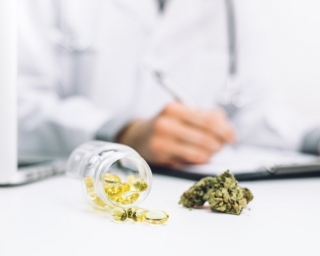
- THC’s interaction with CB1 receptors reduces the perception of pain, while CBG and caryophyllene reduce inflammation and nociceptive pain.
- Myrcene acts as an additional muscle relaxant, beneficial for chronic pain and fibromyalgia patients.
- Anxiety and Depression:
- Limonene and linalool positively influence serotonin receptors, reducing anxiety and depressive symptoms. THC, in lower doses, provides euphoria and mood elevation.
- Insomnia:
- The sedative properties of myrcene, combined with the psychoactive effects of THC, promote relaxation and improve sleep latency and quality.
- Anti-Inflammatory Effects:
- CB2 receptor activation by CBG and caryophyllene suppresses inflammatory cytokines, potentially aiding conditions like arthritis or Crohn’s disease.
- Nausea and Appetite Stimulation:
- THC’s antiemetic properties and its stimulation of appetite-regulating hormones (ghrelin) make Russian Assassin OG effective for people with eating issues or those undergoing chemotherapy.
- Neurological Protection:
- CBG’s neuroprotective effects, potentially through inhibition of oxidative stress, could be beneficial for neurodegenerative conditions such as Parkinson’s or Huntington’s disease.
Recreational Appeal
- Cognitive Effects:
- The initial cerebral stimulation from THC and limonene provides euphoria and heightened sensory perception.
- As the effects progress, myrcene and caryophyllene promote physical relaxation and couch-lock, making it ideal for evening use.
- Socialization:
- Limonene fosters a light, talkative mood, making it suitable for social gatherings.
- Relaxation:
- Myrcene, linalool, and THC combine to induce deep relaxation, helping users unwind after stressful days.
Potential Adverse Effects
- Short-Term Effects:
- Dry Mouth and Eyes: Common due to THC’s reduction of exocrine gland activity.
- Dizziness and Anxiety: Overconsumption of THC may exacerbate these effects in sensitive users.
- Cognitive Impairment: THC can cause temporary memory and attention difficulties.
- Long-Term Risks:
- Chronic high-dose use may contribute to tolerance and dependence.
- Potential for cannabinoid hyperemesis syndrome (rare but associated with prolonged overuse).
Cultivation Insights
- Genetics and Growth Traits:
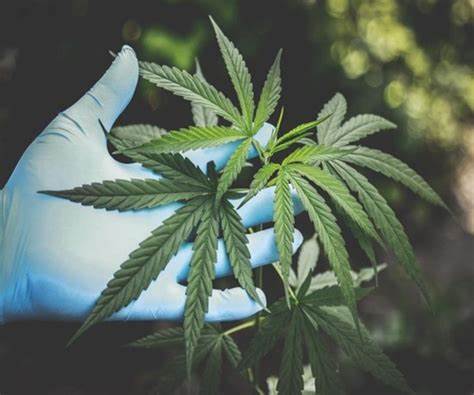
- Russian Assassin OG inherits robust growth traits from Skywalker, Lemon OG Kush, and Headband.
- The plant produces dense, resinous buds, indicative of high cannabinoid and terpene content.
- Ideal Conditions:
- Requires warm, Mediterranean-like climates.
- Pruning is essential to prevent mold and enhance yield.
- Yield:
- Indoor: ~10–12 ounces per square meter.
- Outdoor: ~12 ounces per plant.
- Flowering Time:
- Approximately 7–9 weeks.
Scientific Research Gaps
- Clinical Trials:
- While anecdotal evidence supports Russian Assassin OG’s therapeutic uses, clinical trials are lacking to substantiate its efficacy for specific conditions.
- Mechanistic Studies:
- The interaction between terpenes and cannabinoids (entourage effect) requires further investigation to optimize strain selection for medical purposes.
- Standardization:
- Variability in cannabinoid and terpene content across growers underscores the need for standardized cultivation and testing protocols.
Methods of Ingestion and Their Implications
Russian Assassin OG, like most cannabis strains, can be consumed through various methods. Each method influences the onset, duration, and intensity of effects due to differences in bioavailability and metabolism.
1. Smoking
- Method: Combustion of dried buds, typically in a joint, pipe, or bong.
- Bioavailability: ~20–30% due to significant loss during combustion and inhalation inefficiency.
- Onset: Effects are felt within 1–3 minutes, reaching peak intensity at ~10–15 minutes.
- Duration: 1.5–3 hours.
- Effects: Provides the full spectrum of the strain’s effects, including initial euphoria followed by body relaxation.
- Considerations:
- Rapid onset allows for precise dosing, but combustion produces harmful byproducts (e.g., tar, carbon monoxide).
- Users with respiratory issues may prefer alternative methods.
2. Vaping
- Method: Heating cannabis oil or flower below combustion temperatures (~200°C or 392°F) to release cannabinoids and terpenes as vapor.
- Bioavailability: Higher than smoking (~30–40%) due to reduced loss of active compounds.
- Onset: Similar to smoking, effects begin within minutes.
- Duration: 1.5–3 hours.
- Effects: Enhanced terpene flavors and smoother experience compared to smoking.
- Considerations:
- Healthier than smoking due to absence of combustion byproducts.
- Requires specialized devices (vaporizers or vape pens).
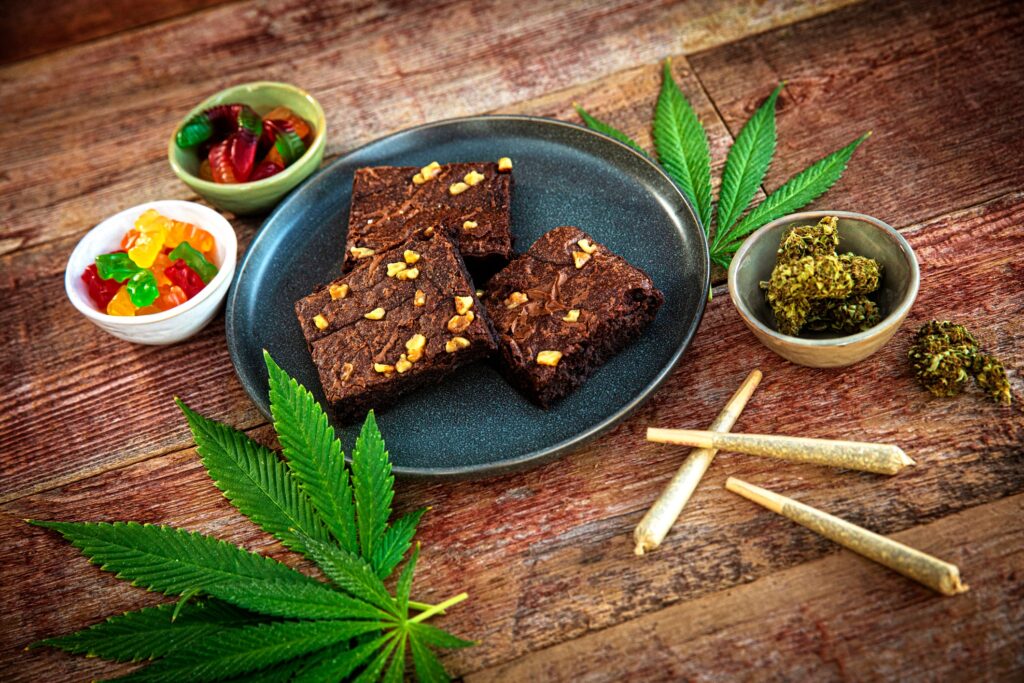
3. Edibles
- Method: Incorporation of cannabis into food or drink, often using infused oils or butters.
- Bioavailability: ~4–12%, significantly lower due to first-pass metabolism in the liver.
- Onset: Delayed onset of 30 minutes to 2 hours, depending on metabolism and stomach contents.
- Duration: 4–8 hours, with a slower decline in effects.
- Effects:
- THC is metabolized to 11-hydroxy-THC in the liver, a more potent and long-lasting compound, leading to intensified psychoactivity.
- Pronounced body relaxation and sedation, making it ideal for nighttime use.
- Considerations:
- Difficult to precisely dose, which could result in overconsumption.
- Useful for sustained therapeutic effects, such as chronic pain relief or sleep disorders.
4. Sublinguals (Tinctures and Oils)
- Method: Drops of cannabis oil placed under the tongue for direct absorption into the bloodstream via mucosal membranes.
- Bioavailability: ~20–35%, depending on formulation and absorption time.
- Onset: 15–30 minutes, faster than edibles due to bypassing first-pass metabolism.
- Duration: 3–6 hours.
- Effects: Balanced cerebral and body effects without the intense psychoactivity of edibles.
- Considerations:
- Discreet and easy to dose.
- Preferred for medical users requiring precise control over dosage.
5. Topicals
- Method: Cannabis-infused balms, creams, or patches applied to the skin for localized relief.
- Bioavailability: Minimal systemic absorption; cannabinoids act primarily on peripheral CB2 receptors.
- Onset: 10–20 minutes for localized effects.
- Duration: 2–6 hours.
- Effects:
- Non-psychoactive due to lack of penetration into the bloodstream.
- Perfect for skin issues, inflammation, or localized pain.
- Considerations:
- Limited to therapeutic applications; not suitable for recreational use.
6. Dabbing
- Method: Vaporizing cannabis concentrates (wax, shatter, or oil) on a heated surface.
- Bioavailability: ~50–80%, one of the highest among methods.
- Onset: Immediate; effects are felt within seconds.
- Duration: 1–3 hours.
- Effects:
- Extremely potent; rapid cerebral high followed by intense physical relaxation.
- Suitable for experienced users seeking strong effects.
- Considerations:
- Requires specialized equipment and expertise.
- May not be suitable for novice users due to potency.
Onset and Duration of Effects
The timing and longevity of Russian Assassin OG’s effects depend heavily on the chosen ingestion method:
| Method | Onset | Peak | Duration |
|---|---|---|---|
| Smoking | 1–3 minutes | 10–15 minutes | 1.5–3 hours |
| Vaping | 1–3 minutes | 10–15 minutes | 1.5–3 hours |
| Edibles | 30 minutes–2 hours | 2–4 hours | 4–8 hours |
| Sublingual | 15–30 minutes | 1–2 hours | 3–6 hours |
| Topicals | 10–20 minutes | 30–60 minutes | 2–6 hours |
| Dabbing | Seconds | 5–10 minutes | 1–3 hours |
Pharmacological Effects by Onset Phase
- Initial Effects:
- Euphoria and uplifted mood from THC’s activation of CB1 receptors in the brain.
- Cerebral stimulation often described as tingly or mentally engaging.
- Mild relaxation from myrcene and limonene.
- Peak Effects:
- Deep physical relaxation attributed to myrcene and caryophyllene’s interactions with THC.
- Sedative effects, particularly when consumed in higher doses or later stages of metabolism.
- Potential couch-lock, especially with edibles or dabbing.
- Aftereffects:
- Residual calmness and mental clarity from lingering CBG and pinene activity.
- Sleep induction, especially with high doses or evening consumption.
Considerations for Optimal Use
- Tolerance Levels:
- Novice users should start with lower doses, especially with edibles or dabbing, due to the potential for overwhelming effects.
- Therapeutic Goals:
- For immediate relief (e.g., acute pain or anxiety), inhalation methods are preferred.
- For long-lasting effects (e.g., chronic pain or insomnia), edibles or sublingual tinctures are more effective.
- Timing:
- Because of its sedative properties, it is best administered in the evening.
- Morning or daytime use may impair productivity and focus for some users.
Scientific Insights on Bioavailability
The bioavailability of cannabinoids in Russian Assassin OG varies significantly by method. Inhalation methods deliver THC directly to the bloodstream via the lungs, providing rapid onset and peak bioavailability. Conversely, edibles undergo extensive first-pass metabolism in the liver, converting THC to the more potent 11-hydroxy-THC. This process explains the delayed but intensified effects of edible ingestion.
The choice of ingestion method thus has profound implications for therapeutic and recreational outcomes, making understanding these dynamics essential for optimizing the strain’s use.
Conclusion
Russian Assassin OG exemplifies the therapeutic and recreational potential of well-balanced cannabis strains. With its rich cannabinoid and terpene profile, it offers multi-faceted effects, ranging from euphoria and relaxation to potent pain relief and inflammation reduction. Continued research and standardization are necessary to unlock its full medical potential and integrate it into evidence-based therapeutic frameworks.
For a complete directory of cultivars, visit our Cannabis Strain Reviews.
